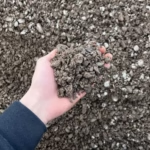
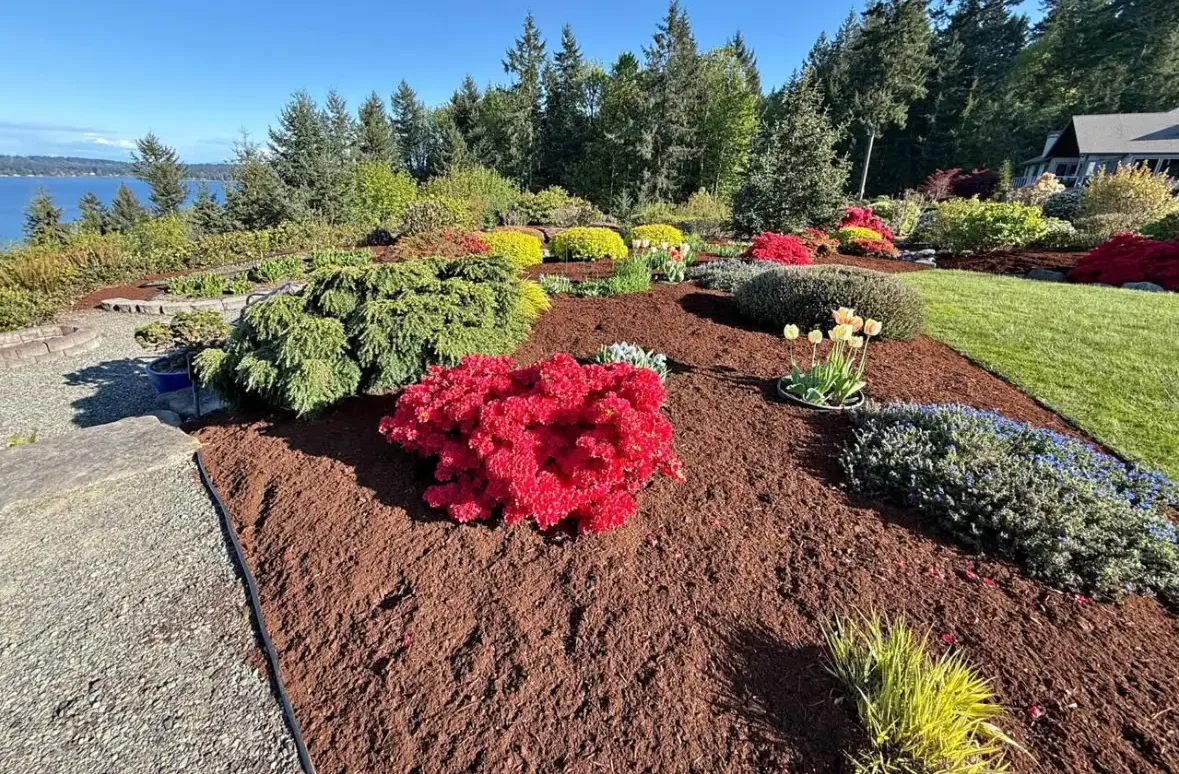
Florence, Alabama continues to see steady residential improvement, site development, and outdoor renovation projects across the area. With new driveways, drainage upgrades, and landscaping work happening regularly, gravel remains one of the most practical materials for property owners and contractors alike. Whether you are preparing a stable surface for vehicles, correcting runoff around a structure, or improving the appearance of an outdoor space, choosing the right gravel in Florence can make the difference between a surface that lasts and one that needs rework too soon.
One of the biggest mistakes in gravel projects is assuming that every type of stone works the same way. In reality, each material performs a different function. Some gravel is meant to compact and support weight, some is meant to let water pass through, and some is best reserved for decorative applications. In Florence, where soil conditions and weather patterns can affect the way a surface settles, proper material selection matters even more.
Before ordering gravel, it helps to think through exactly what the project needs. A driveway needs strength and compaction. A drainage trench needs permeability. A landscaping area needs a clean finish without the need for structural performance. Once these uses are separated clearly, it becomes much easier to choose the right material and avoid unnecessary costs later.
Which Gravel Works Best for Florence Projects?
The right material depends on how the area will be used, how much pressure it needs to handle, and whether water flow is part of the project. Florence property improvements usually fall into a few common categories, and each one benefits from a specific type of gravel.
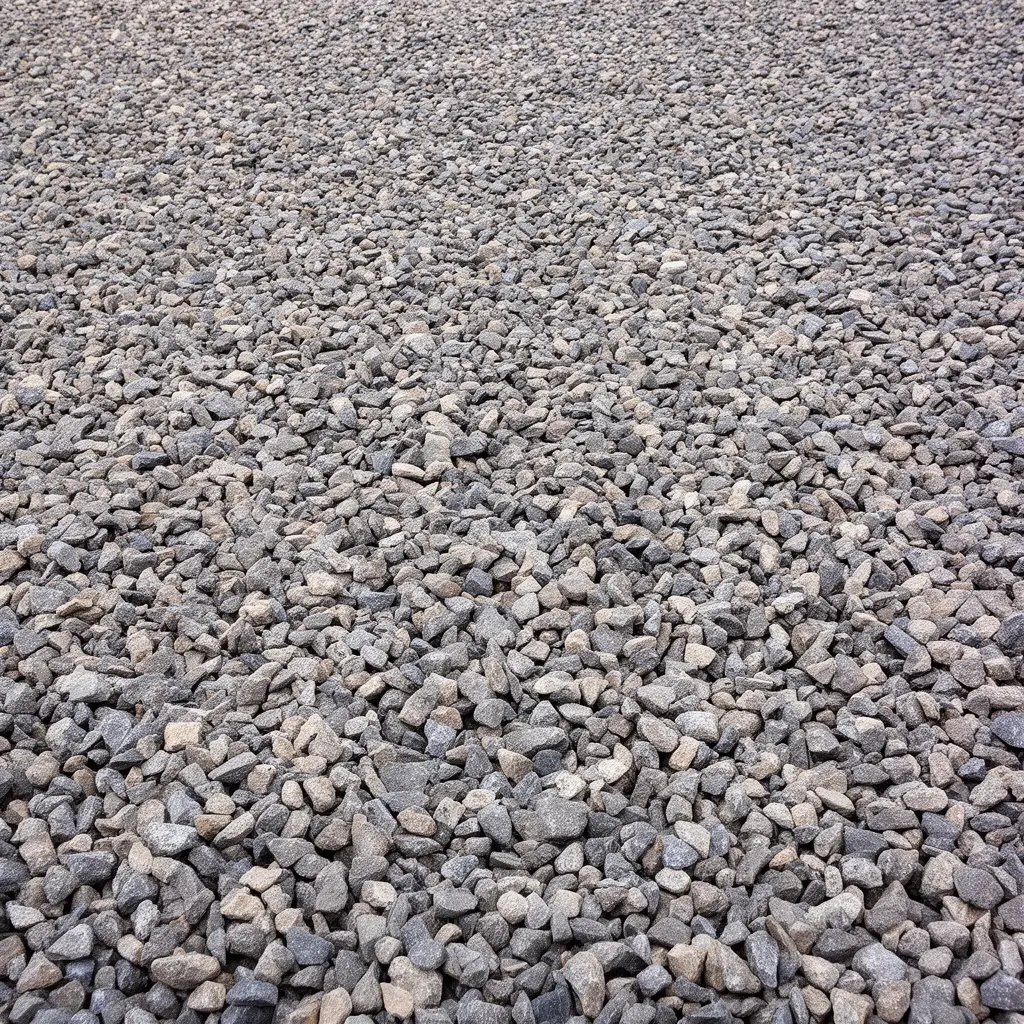
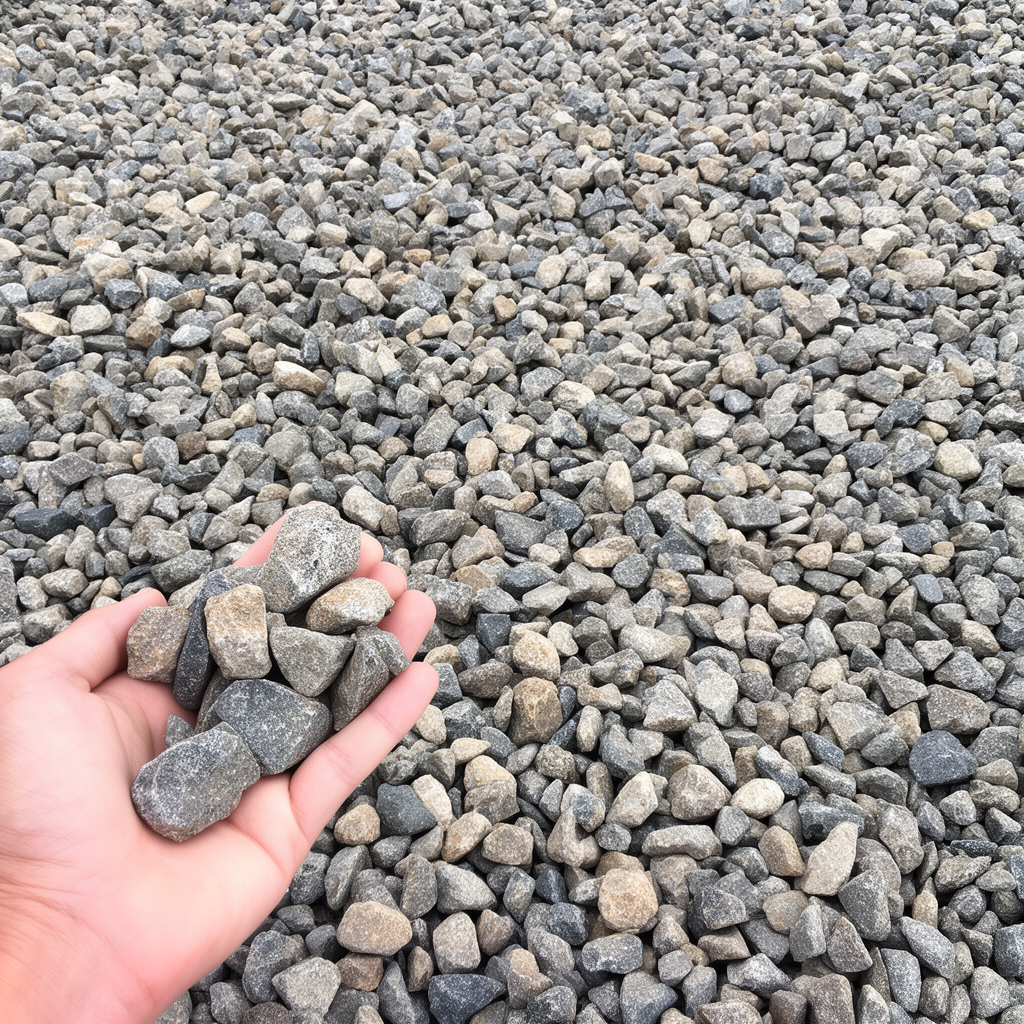
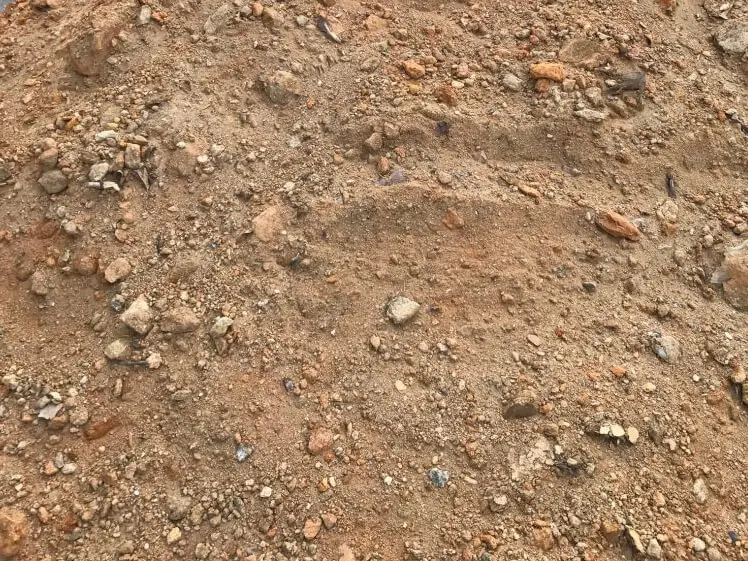
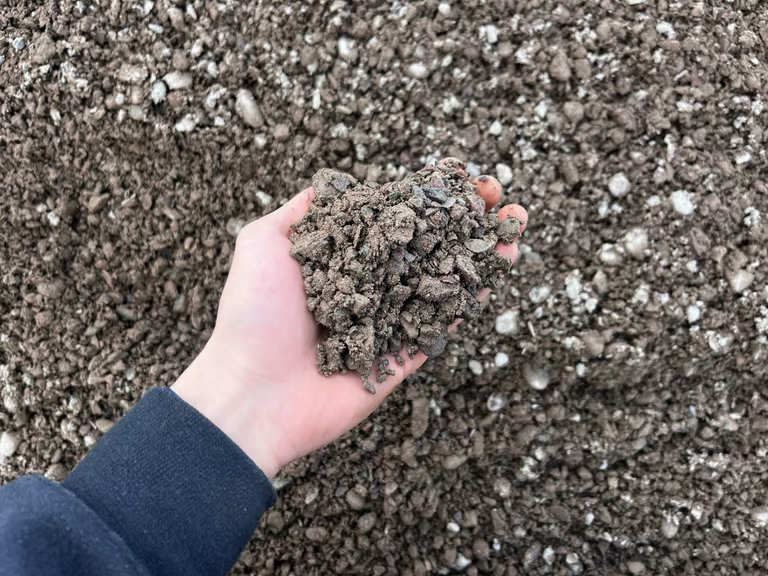
- Driveways and weight-bearing surfaces → 3/4 minus base gravel or crushed run base material
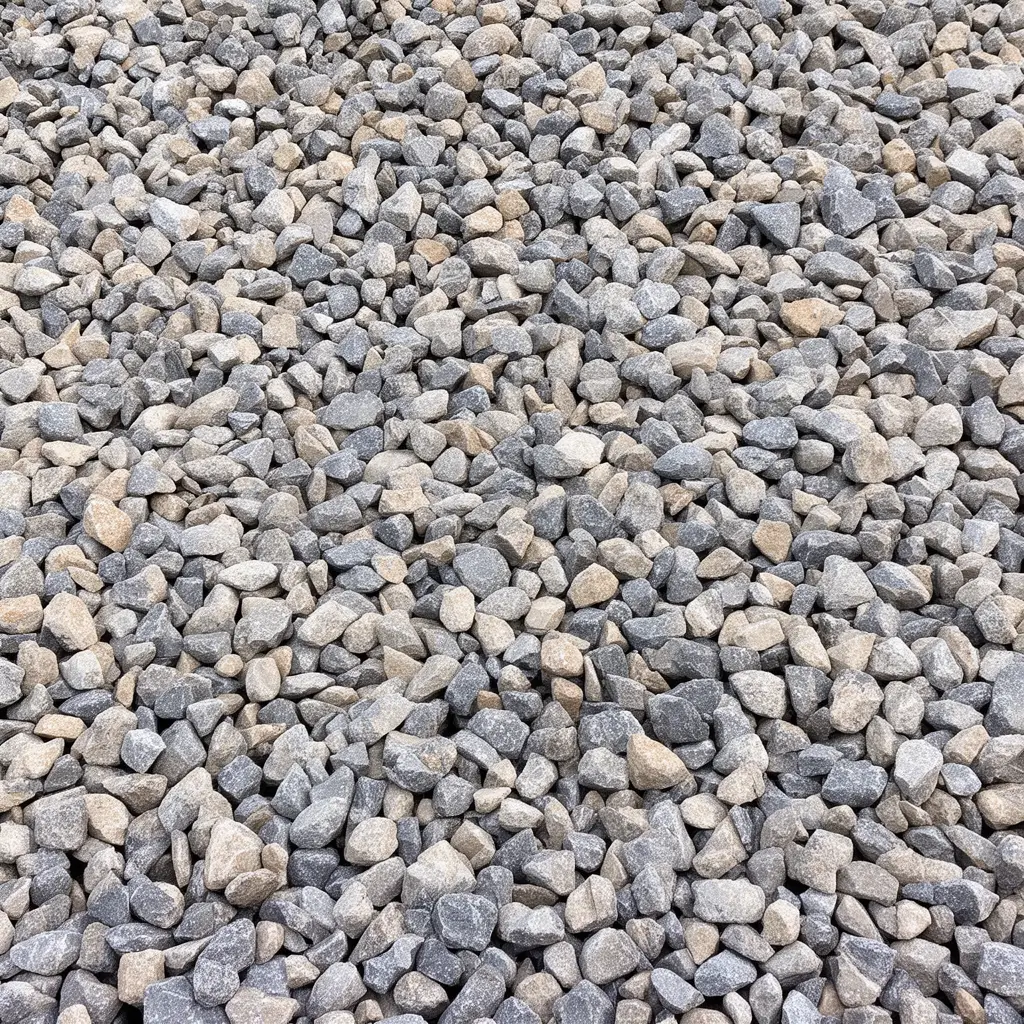
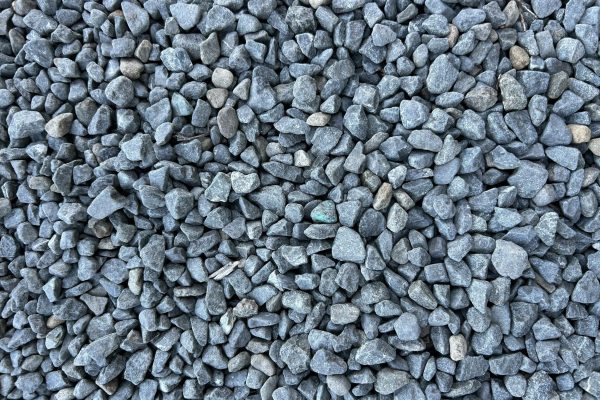
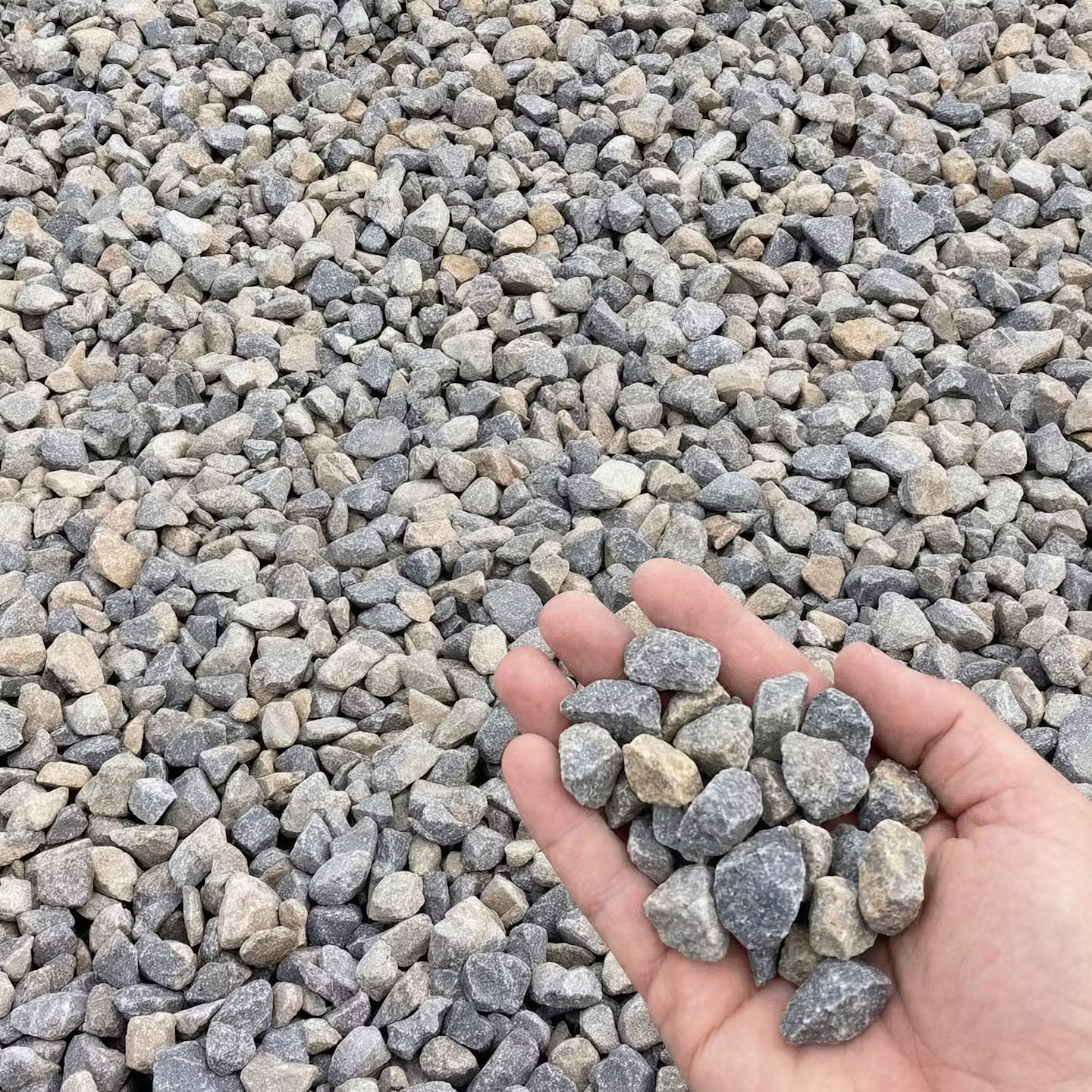
- Drainage areas and runoff control → 3/4 clean gravel (#57 stone)
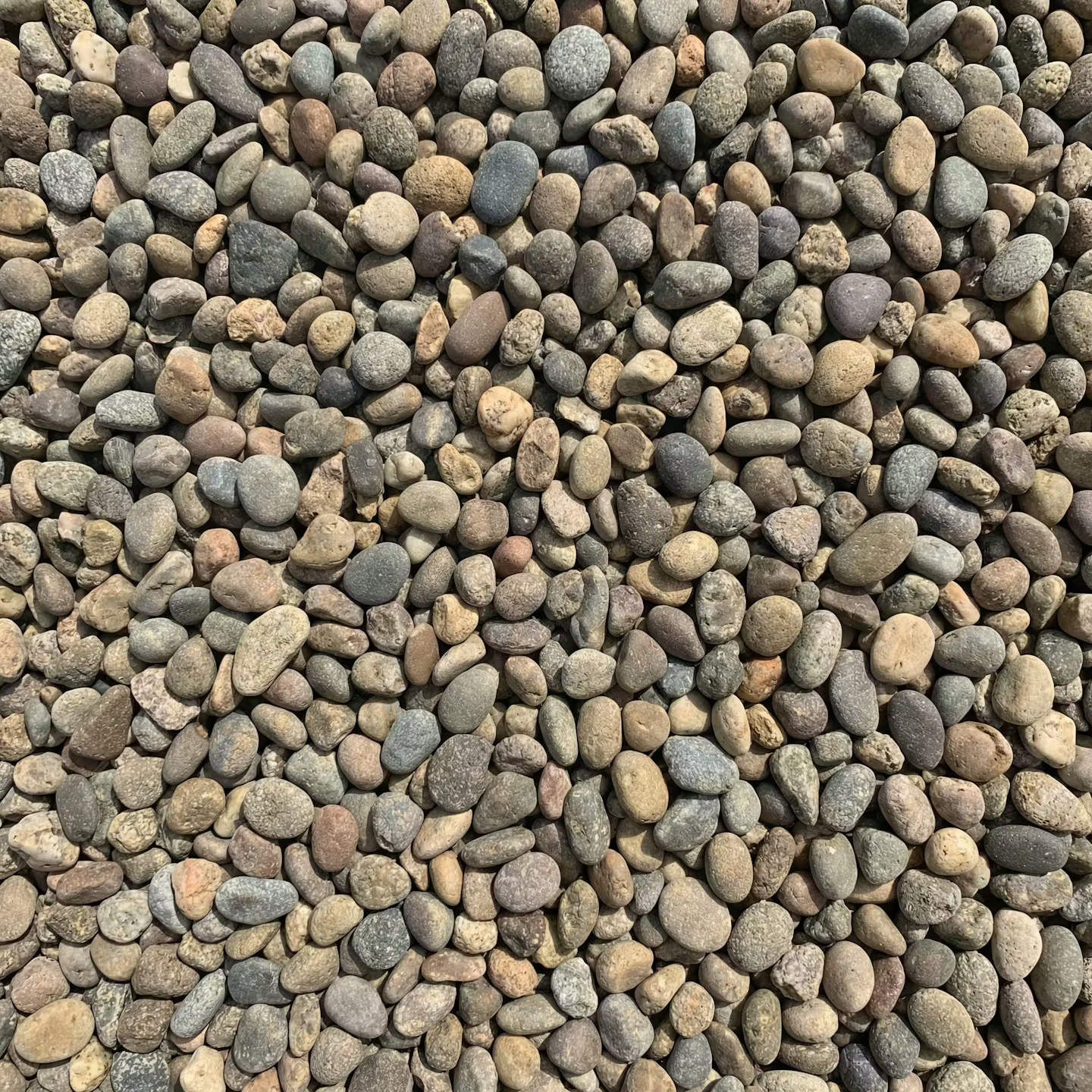
- Garden paths and decorative spaces → pea gravel
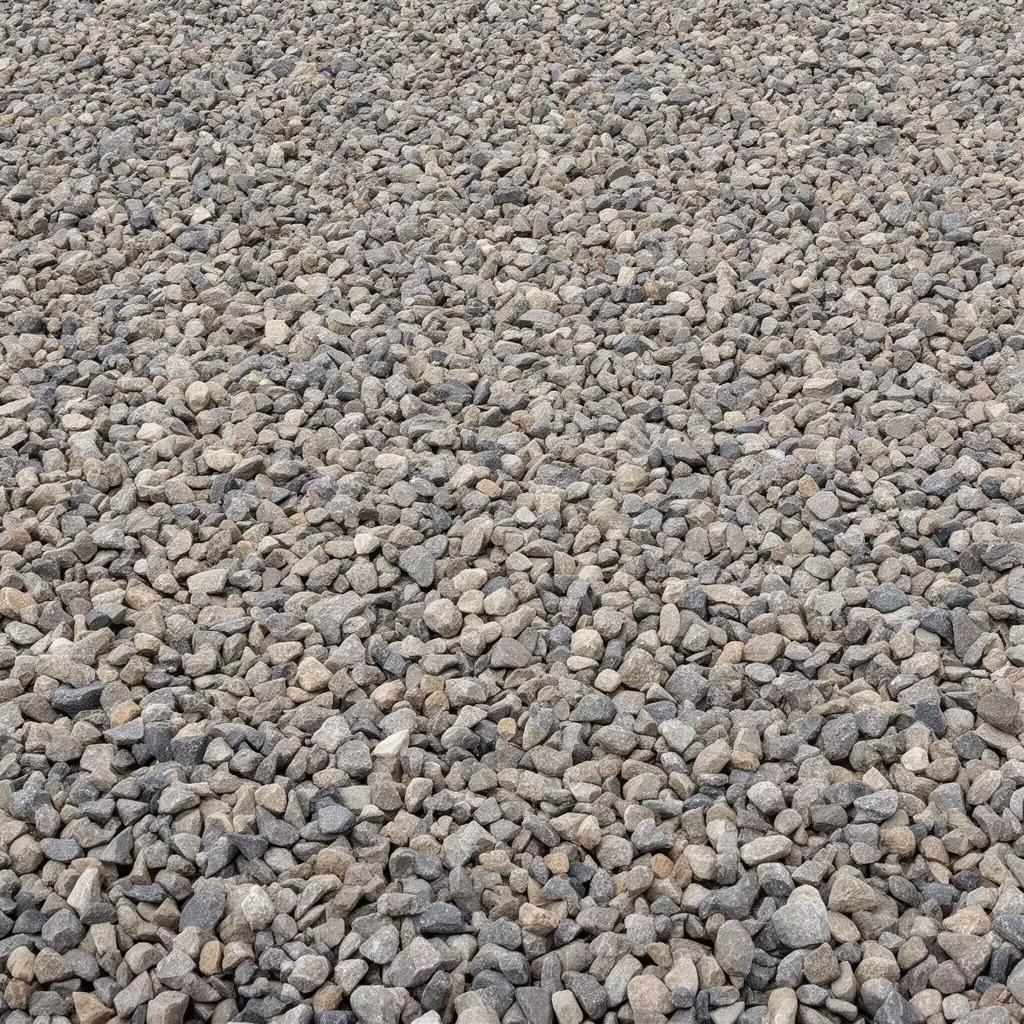
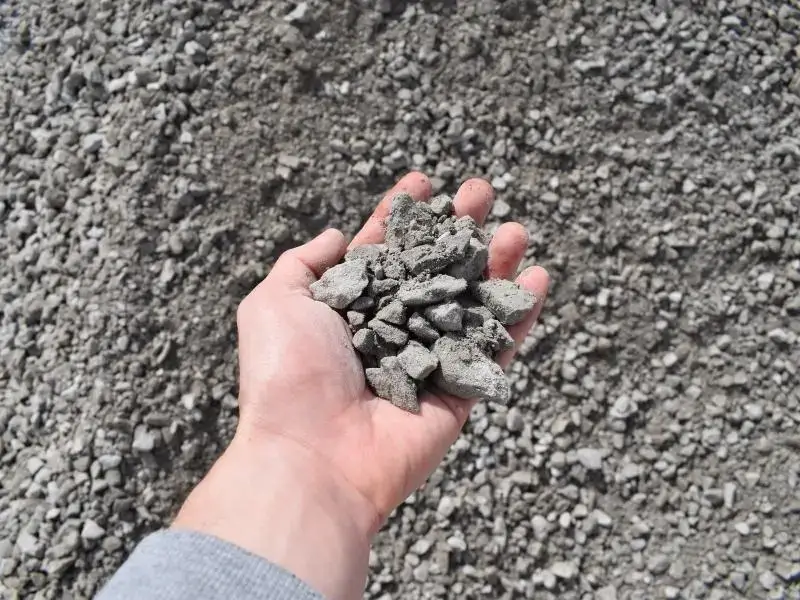
- Base preparation and foundational support → crushed run
Using the wrong aggregate can lead to predictable problems:
- Standing water in areas that should drain
- Loose or shifting surfaces under traffic
- More maintenance and replacement cost over time
Order gravel supply in Florence today and keep your project moving without delays
Quick Project Material Guide
| Project Use | Recommended Material |
|---|---|
| Driveway installation | 3/4 minus base gravel |
| Drainage trench | 3/4 clean gravel (#57 stone) |
| Pathways and borders | Pea gravel |
| Sub-base support | Crushed run |
This table gives a quick answer, but it is always helpful to understand why these materials work the way they do. Strength-based gravel and drainage gravel are not interchangeable, and decorative stone should not be expected to perform like a compacted base.
Understanding the Main Gravel Categories
Compacted Gravel for Load Support
Compaction gravel is used when the surface needs to stay stable under pressure. These materials contain a range of particle sizes that lock together when compressed, which helps create a dense and durable base layer. This is especially important for driveway work, parking areas, and sites that need dependable structural support.
- Crushed run base material → strong interlocking base
- 3/4 minus base gravel → reliable choice for driveways and heavy-use surfaces
These materials are best for:
- Driveways
- Parking pads
- Shed or outbuilding bases
- Construction access areas
In Florence, compacted base material helps reduce rutting, shifting, and premature surface wear. It is often the safest option when vehicles or repeated weight will be involved.
Open Stone for Drainage Performance
Drainage gravel is intentionally different from compacted gravel. It is made to stay more open so water can pass through instead of getting trapped underneath the surface. This is what makes it effective in trenches, drains, runoff channels, and backfill systems.
These are commonly used in:
- French drains
- Drainage trenches
- Retaining wall backfill
- Problem runoff zones
Where water buildup is a concern, clean drainage stone usually performs better than compacted aggregate because it preserves water flow instead of blocking it.
For public guidance on runoff and drainage planning, resources such as EPA stormwater guidance can also provide useful background on why drainage design matters.
Decorative Gravel for Finished Outdoor Areas
Some areas do not need structural strength at all. Instead, they need a clean appearance, simple maintenance, and an outdoor finish that works well for foot traffic. Decorative gravel is ideal for these spaces as long as it is not used in place of a real base layer where structural support is needed.
- Pea gravel → smooth finish for paths and decorative spaces
- Bark mulch → natural finish for planting areas
Decorative materials are a great choice for visual projects, but they should not be used as a substitute for base gravel under driveways or high-load zones.
Fill and Surface Prep Materials
Some Florence projects involve grading, leveling, or planting work before finish materials are installed. In those cases, additional site materials may be needed.
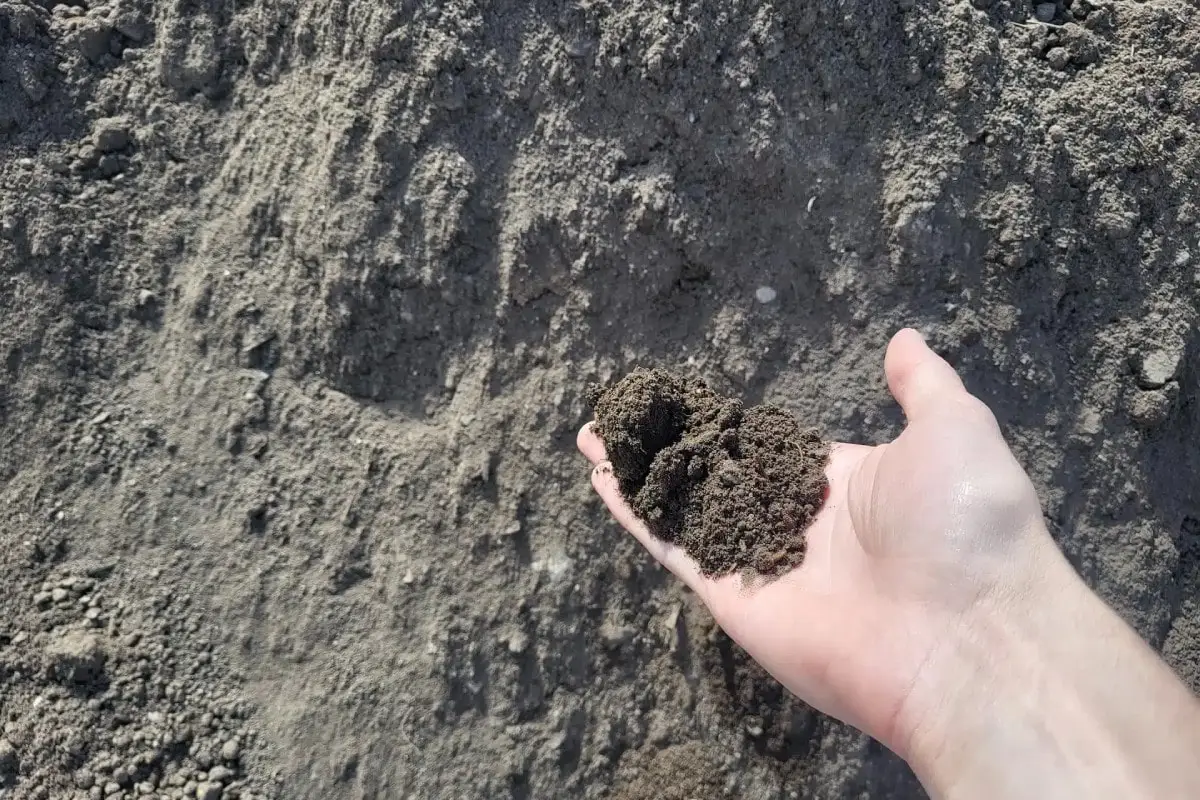
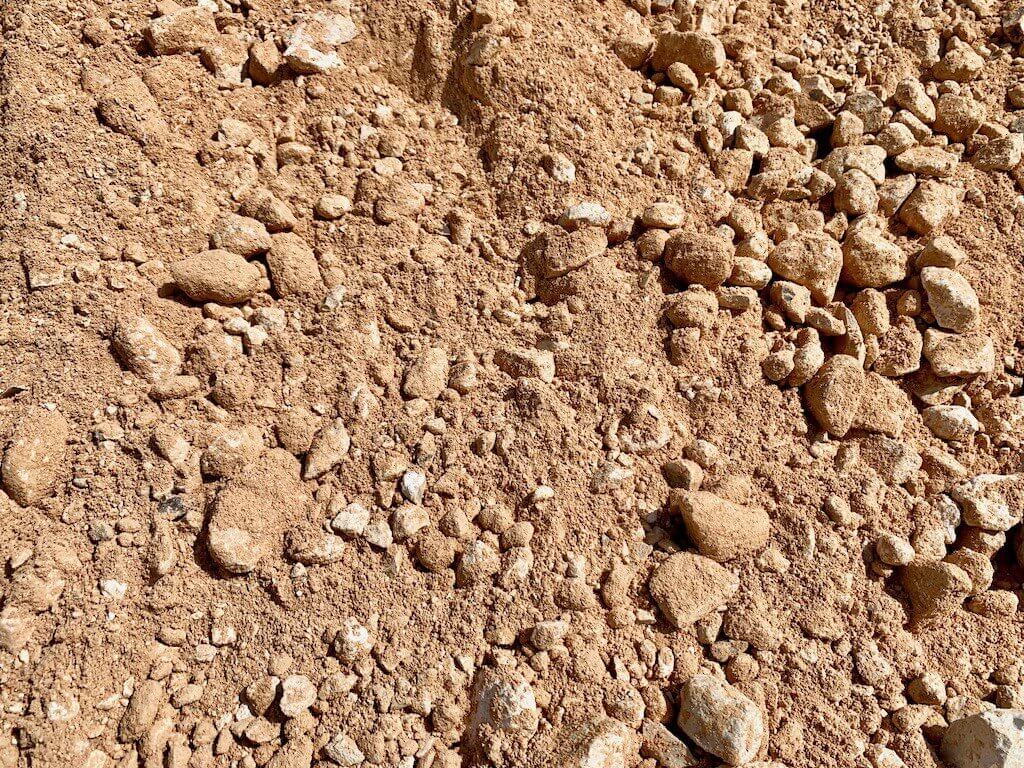
- Fill dirt → useful for rough leveling and grade adjustment
- Premium screened topsoil → better for planting and finish-grade landscape work
These materials are not replacements for structural gravel, but they support the overall site preparation process in many outdoor jobs.
How Gravel Gets Used on Real Projects
Driveway Base and Surface Preparation
Driveway performance depends heavily on the base. If the lower layers are weak, the finished surface will shift, rut, or wear down far sooner than expected. Florence driveway projects usually perform best when a compactable base is installed first and the material is spread at the proper depth.
Use:
Why these work:
- They compact tightly under pressure
- They support vehicles effectively
- They reduce movement and soft spots over time
For driveways, compactable aggregate consistently outperforms loose surface stone because it forms a stronger working base under daily traffic.
Drainage and Water Redirection Work
Where runoff needs to be managed, drainage stone is usually the correct choice. Florence properties with low spots, soggy edges, retaining walls, or runoff concentration can benefit significantly from properly installed clean stone.
Use:
Why it works:
- Allows water flow through the trench or stone bed
- Helps reduce pooling near surfaces and structures
- Maintains permeability instead of compacting shut
Outdoor Paths and Landscape Features
Landscape projects often prioritize appearance, easy upkeep, and comfortable foot use. In these cases, decorative gravel is usually the better fit.
Use:
Why it works:
- Creates a clean outdoor finish
- Works well in low-load areas
- Helps define paths and planted zones
A Better Layering System for Lasting Results
One reason many gravel jobs fail is because all the focus goes to the top layer while the base system underneath is ignored. A stronger installation approach usually includes more than one layer, each with its own purpose.
- Base layer → crushed run
- Leveling layer → utility sand
- Finish layer → decorative gravel or project-specific top layer
This method improves stability, helps surfaces sit more evenly, and reduces early movement. Skipping the base or leveling stage often shortens the lifespan of the finished surface.
When a project includes the right layer sequence from the start, the results usually last longer and require less correction later.
Common Mistakes That Cause Early Problems
Several issues show up again and again in residential and light commercial gravel work. Most of them are preventable with proper planning.
- Using decorative gravel where structural support is needed
- Skipping the compacted base layer
- Ignoring drainage requirements
- Underestimating how much material is required
These mistakes can all increase total project cost because they often lead to rework, added labor, or replacement stone.
Quantity Planning and Load Estimates
Material quantity matters just as much as material type. Ordering too little slows down the project. Ordering too much adds unnecessary expense and cleanup. For many Florence jobs, the following ranges provide a useful starting reference.
- 1 truck = about 10 cubic yards
- Small project = around 1 to 3 yards
- Typical driveway = around 5 to 10 yards
A simple estimating method is:
Length × Width × Depth ÷ 27 = cubic yards
Bulk orders are usually more efficient than multiple small trips, especially for driveway base work and larger site prep.
Why Local Gravel Delivery Helps
Trying to move gravel in small amounts often turns into more work, more time, and less accurate planning than expected. Direct supply and delivery usually simplifies the entire process.
- Saves hauling time
- Improves material planning
- Gets the right product to the site faster
Schedule gravel delivery in Florence today and keep your project organized from the start
Order Materials for Your Florence Project
If your job is ready to move forward, these are some of the most useful materials to review:
Order bulk stone and gravel supply in Florence today for dependable project support
FAQ
What gravel works best for driveways in Florence?
For most driveway projects, 3/4 minus base gravel or crushed run are the best options because they compact well and support vehicle traffic.
What material should be used for drainage?
3/4 clean gravel (#57 stone) is typically the better choice because it allows water to move through the stone layer instead of becoming trapped.
Can pea gravel be used as a driveway base?
Pea gravel is better for decorative or light-use areas. It is not usually the best choice for driveway base work because it does not compact like structural aggregate.
How do I estimate the amount of gravel needed?
A standard starting formula is Length × Width × Depth ÷ 27 to estimate cubic yards.
Final Thoughts
Florence projects benefit most when gravel is selected by function rather than guesswork. Use compacted aggregate where strength matters, clean stone where drainage matters, and decorative gravel where appearance matters. That simple distinction helps prevent many of the common problems people run into with outdoor construction and site work.
When the correct material is delivered at the right time, the project tends to run more smoothly, cost less to maintain, and hold up better in the long term. Whether you are installing a driveway, fixing a drainage issue, or improving a landscape area, starting with the right gravel is one of the smartest decisions you can make.
Order your Florence gravel supply today and build your project the right way from the beginning