Mobile, Alabama has a very different project environment compared to many inland cities. Between heavy rainfall, moisture-rich soil, residential growth, and ongoing property improvements, choosing the right gravel in Mobile is not a small detail — it is one of the most important parts of making sure a project lasts. Whether you are building a new driveway, solving standing water issues, improving a backyard layout, or preparing a foundation base, the type of gravel you choose directly affects performance, maintenance, and cost over time.
In coastal and high-moisture environments like Mobile, the wrong material can create problems quickly. Surfaces may shift, drainage areas may clog, and decorative stone can end up being used where compacted base material should have been installed first. On the other hand, when the correct aggregate is selected from the beginning, the surface stays more stable, runoff is managed better, and the project requires less rework later. That is why understanding which gravel works best for each type of project is essential before placing an order.
Many property owners focus only on appearance or price, but long-term results depend more on function. A driveway needs compaction and load support. A drainage trench needs stone that allows water to move. A landscape bed needs a material that looks clean without pretending to be structural fill. In Mobile, where water management matters almost everywhere, gravel selection becomes even more important than in drier markets.
What Type of Gravel Works Best for Your Project?
The right material depends on what you are building, how much weight the area will hold, and whether water needs to drain through the surface. Instead of using one material everywhere, it is better to match the gravel to the exact job.
- Driveways and load-bearing surfaces → 3/4″ minus base gravel or crushed run base material
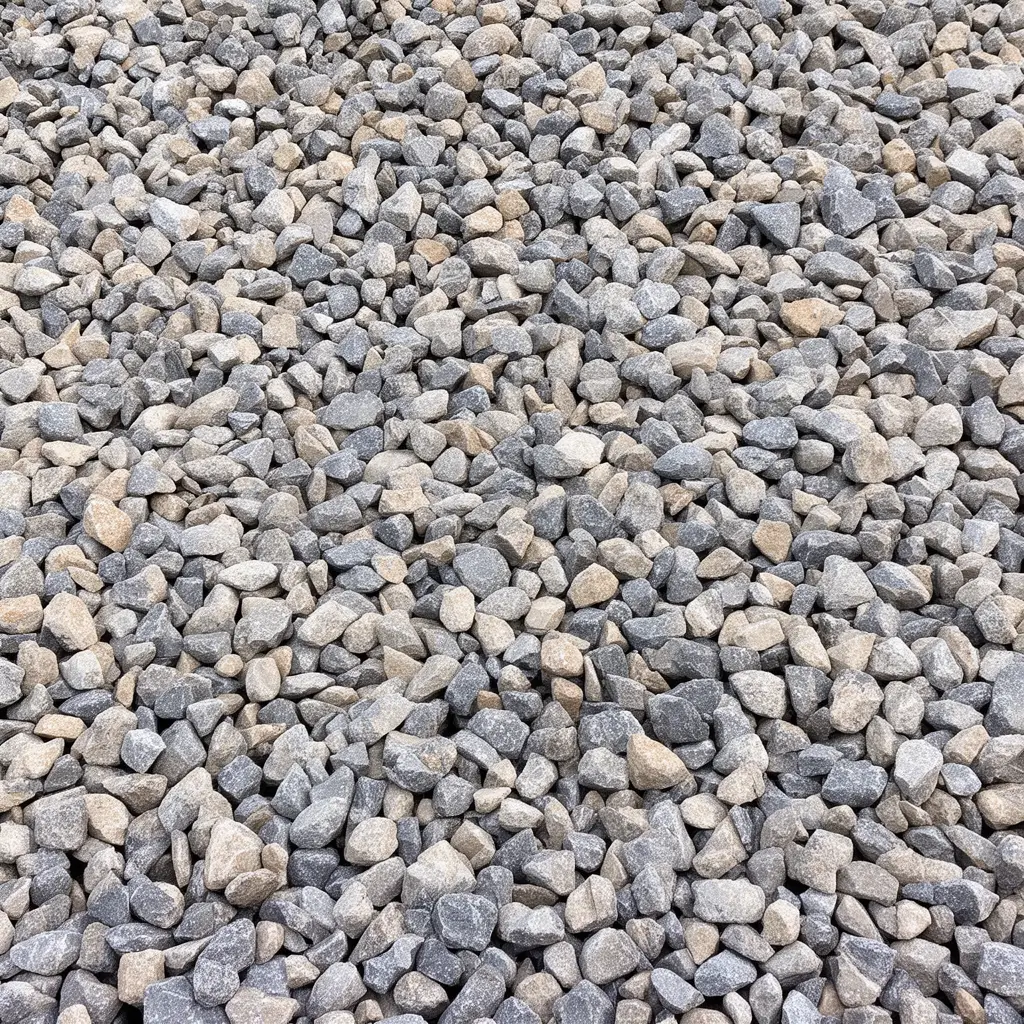
- Drainage projects and runoff control → 3/4″ clean gravel (#57 stone)
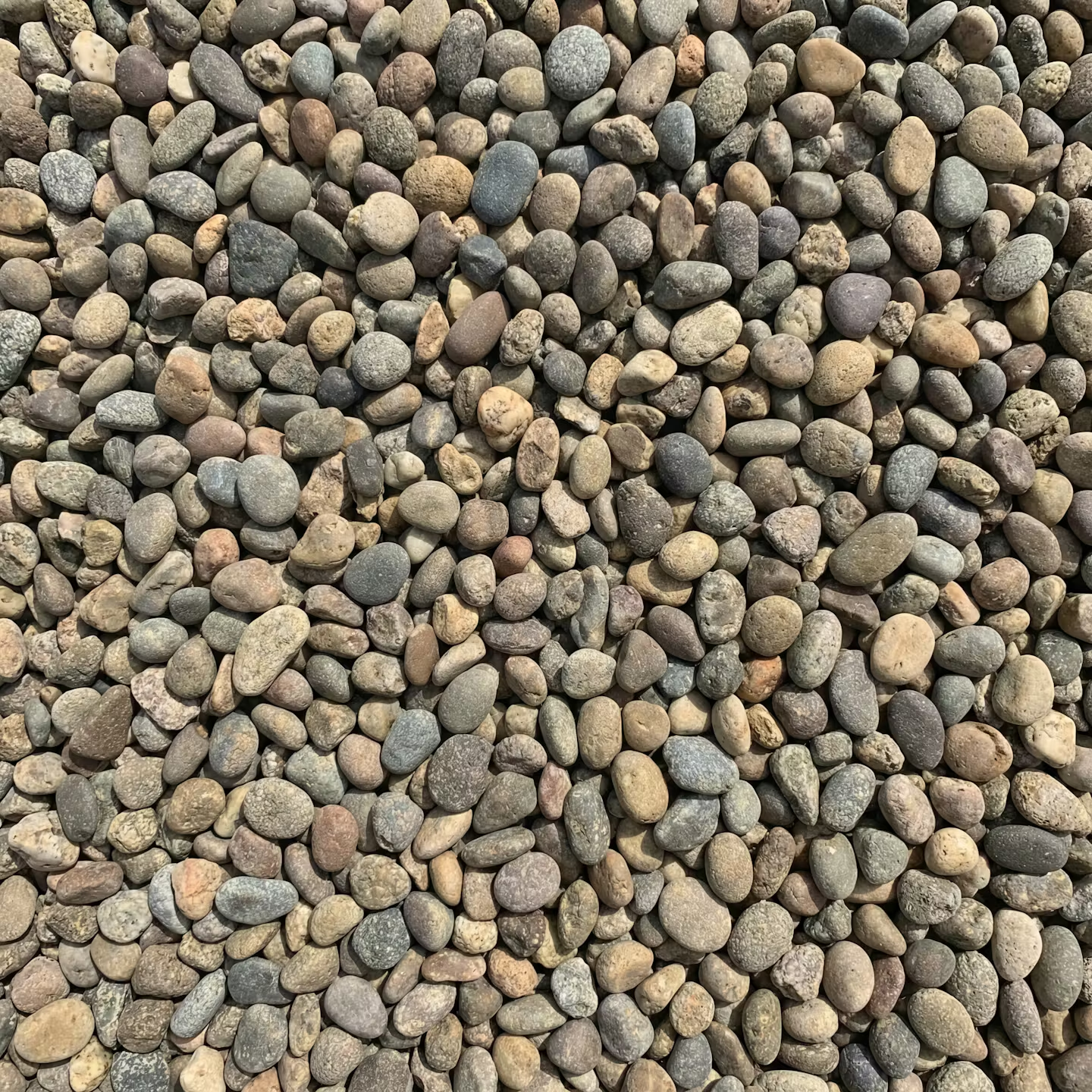
- Decorative landscaping and walking paths → pea gravel
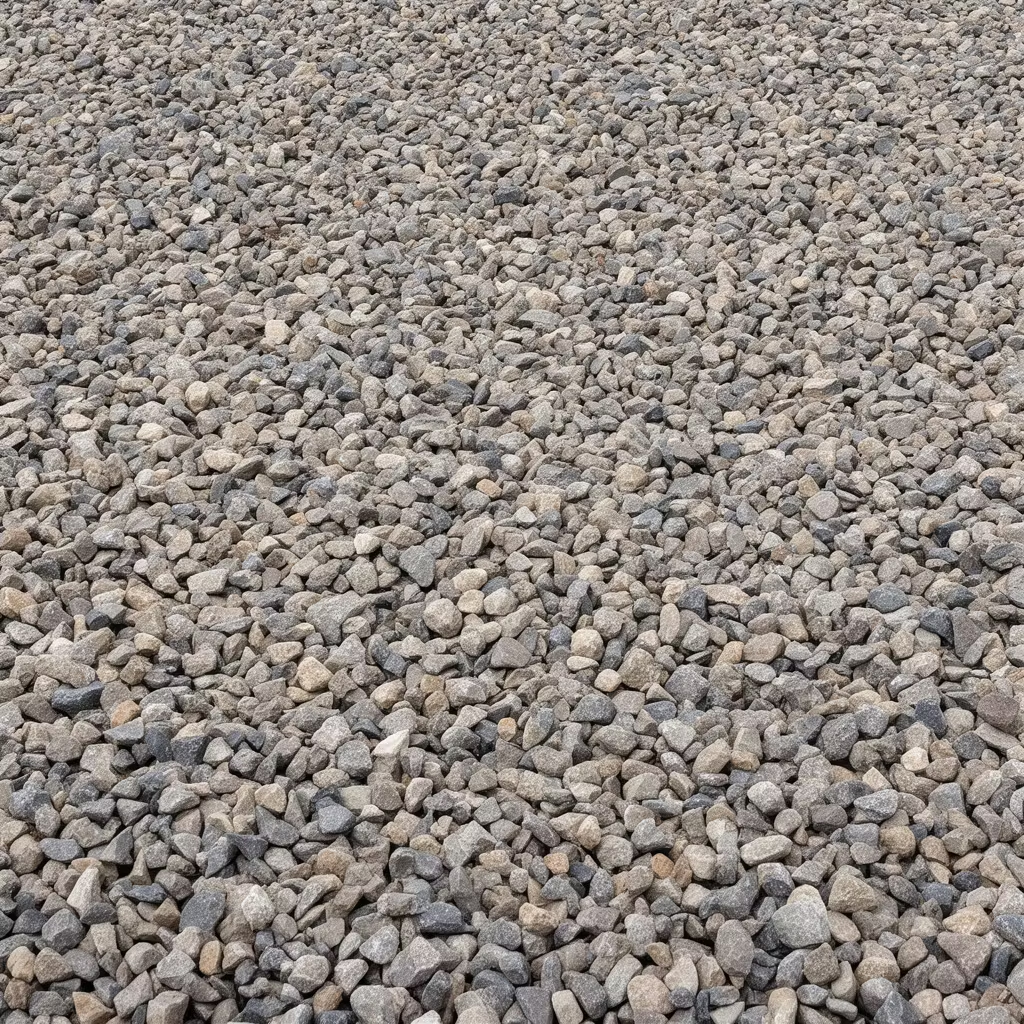
- Sub-base support and foundation prep → crushed run
Using the wrong material usually leads to one of three problems. First, water stays where it should not. Second, the surface starts shifting because there is no compacted base. Third, the project becomes more expensive because material has to be removed and replaced. In Mobile, drainage-related mistakes are especially costly because moisture problems can continue affecting the area long after the original installation.
- Water pooling near structures or paved areas
- Loose, unstable surfaces under traffic
- Repeated repair or replacement costs
Order gravel delivered in Mobile today and keep your project moving without delays
Quick Material Guide for Common Mobile Projects
| Project Type | Recommended Material |
|---|---|
| Driveway base | 3/4″ minus base gravel |
| Drainage trench | 3/4″ clean gravel (#57 stone) |
| Garden paths | Pea gravel |
| Foundation support | Crushed run |
This table gives a quick starting point, but the reason behind each choice matters too. Base gravel is used where compaction matters. Clean stone is used where water flow matters. Decorative material is used where appearance matters. Keeping these functions separate is one of the easiest ways to avoid costly mistakes.
Understanding Which Gravel Does What
Compacted Base Materials for Strength
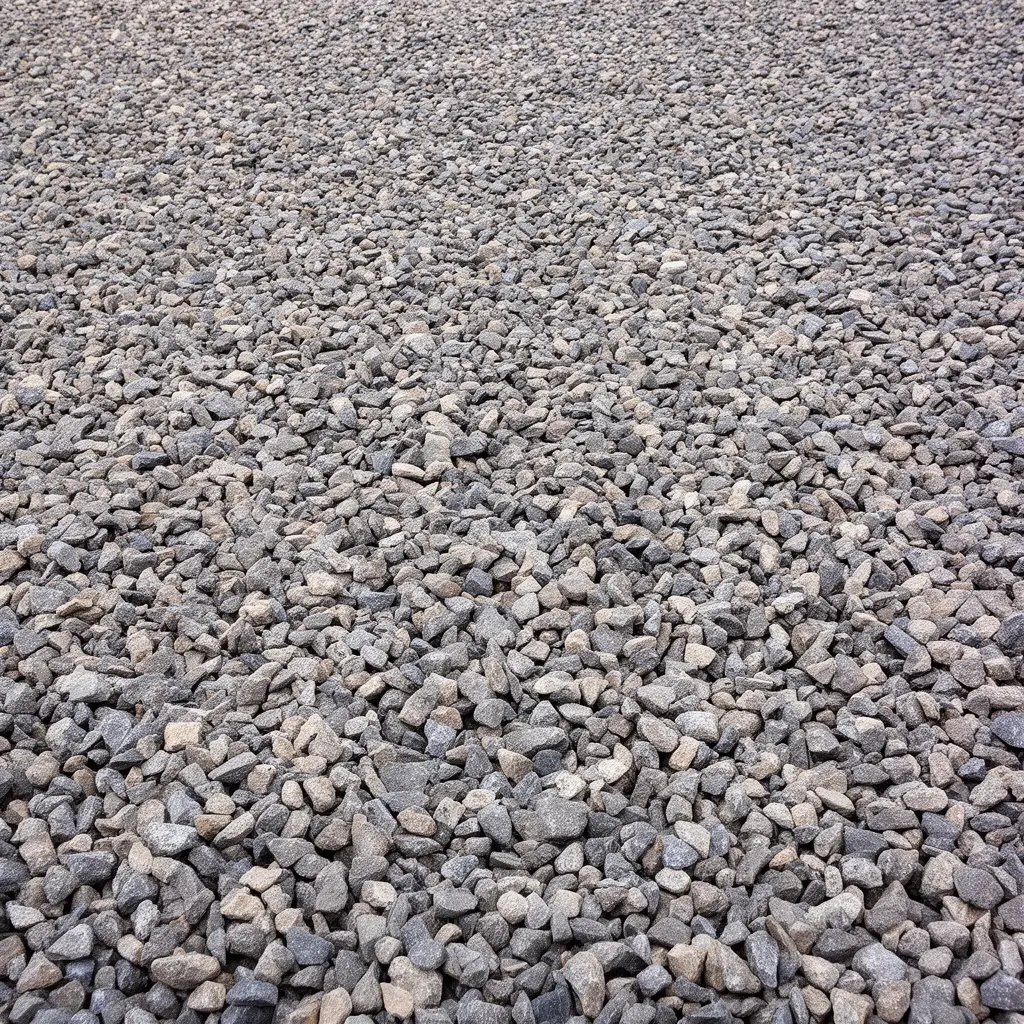
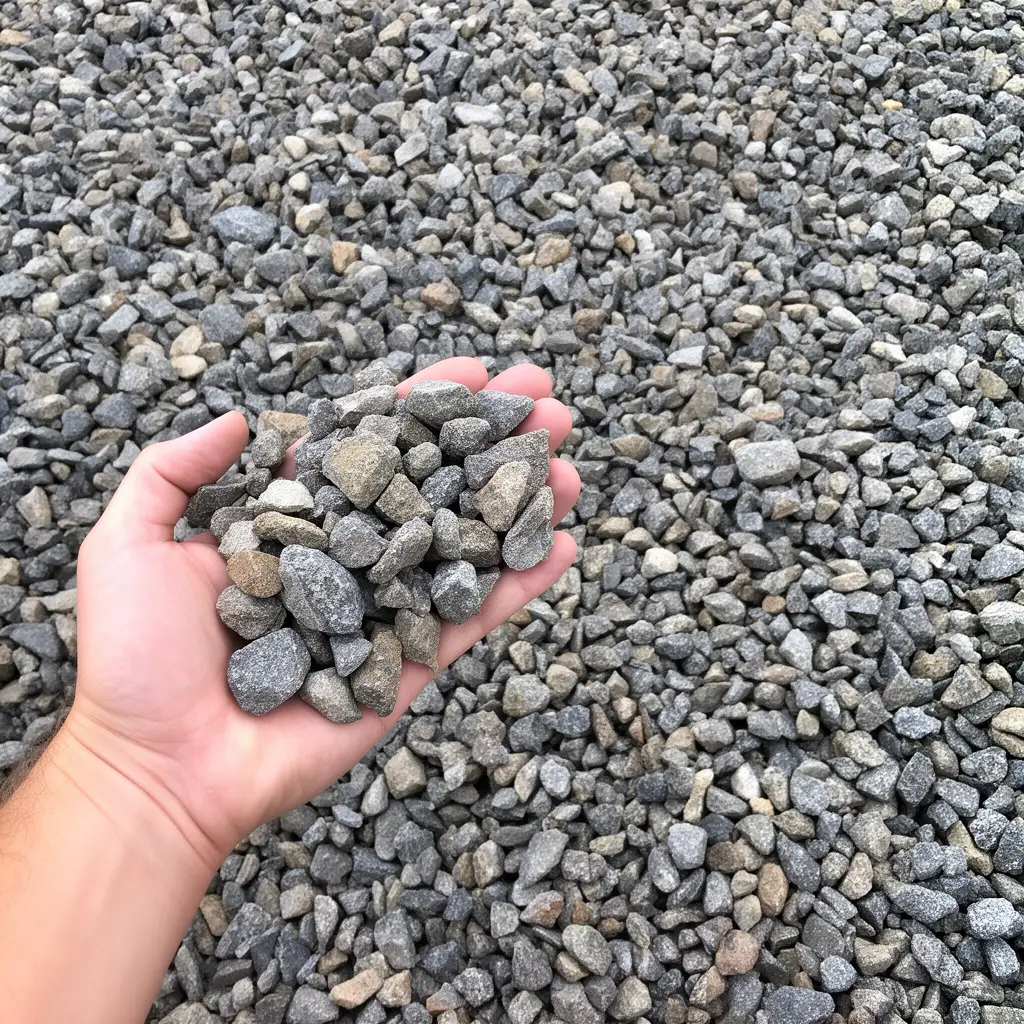
Some gravel is meant to lock together. This is the type of material used under driveways, equipment-access areas, and other surfaces that need to support weight. These materials contain fines and varied particle sizes, which allows them to compact tightly into a more stable layer.
- Crushed run base material → strong, compactable, ideal for foundational support
- 3/4″ minus base gravel → reliable driveway and heavy-use base
These are good choices for:
- Driveways
- Parking pads
- Shed bases
- Foundation prep
In Mobile, compacted base layers are important because excess moisture can weaken surfaces that were installed without enough structural support. A loose decorative material may look fine at first, but it will not perform like a compacted base layer under repeated traffic or shifting ground conditions.
Drainage Stone for Water Management
Drainage gravel is different from base gravel because it is meant to stay open. Clean stone contains fewer fines, so water can move through the material instead of being trapped. That is why drainage stone is commonly used in French drains, trench systems, runoff channels, retaining wall backfill, and other areas where moisture control matters.
Best uses include:
- French drains
- Water runoff areas
- Drainage trenches
- Backfill for retaining walls
In a city like Mobile, where heavy rain and wet ground are common concerns, proper drainage stone often makes the difference between a project that stays dry and one that develops recurring moisture problems.
For general drainage planning and stormwater guidance, public resources like EPA stormwater information can also help property owners understand why water flow needs to be addressed early in the project.
Surface Gravel for Decorative Areas
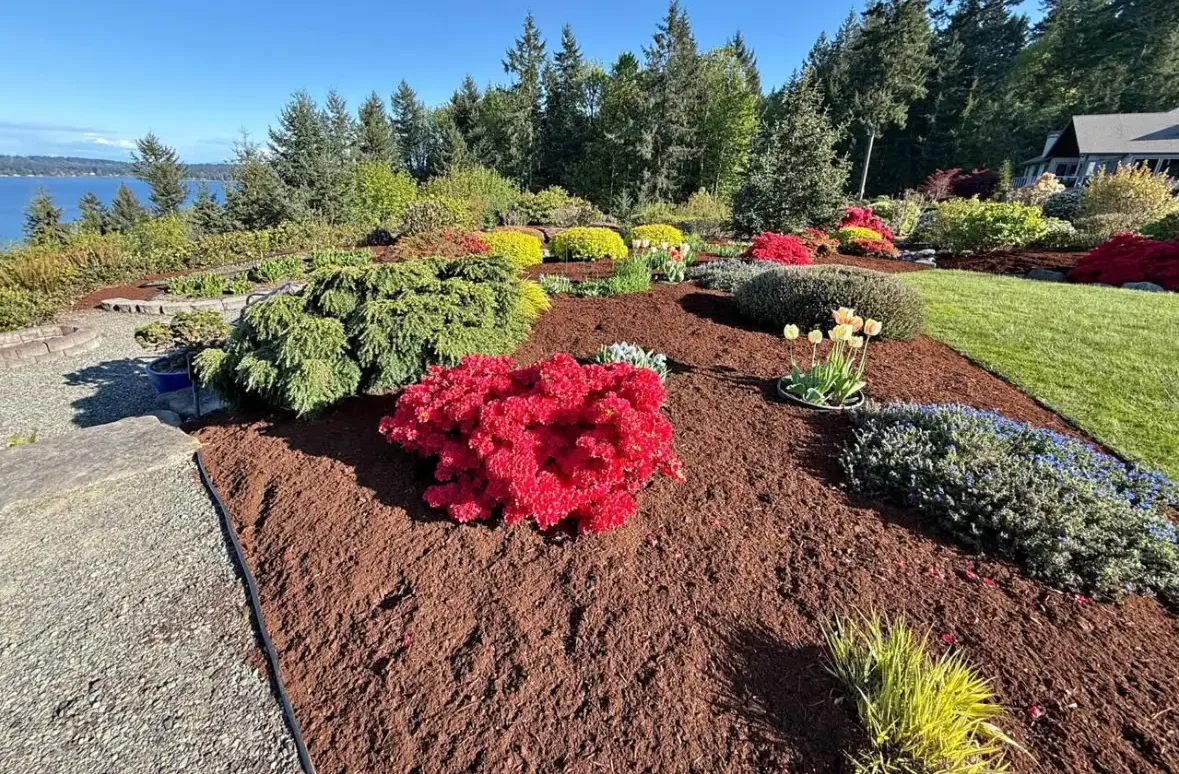
Decorative gravel is used in places where appearance and light foot traffic matter more than structural performance. This type of material is useful for garden paths, landscape borders, visual accents, and backyard seating zones. It is not the right choice for driveways or base layers because it does not compact the same way compacted aggregate does.
- Pea gravel → smooth finish for paths and visual areas
- Bark mulch → landscaping coverage for planting areas
Decorative materials work well when used correctly. The problem happens when a nice-looking surface stone is expected to perform like a structural base. In most cases, those are two very different jobs and need two different material types.
Fill and Soil-Related Materials
Some projects also need leveling or planting support before finish material is added. This is where soil and fill products become useful.
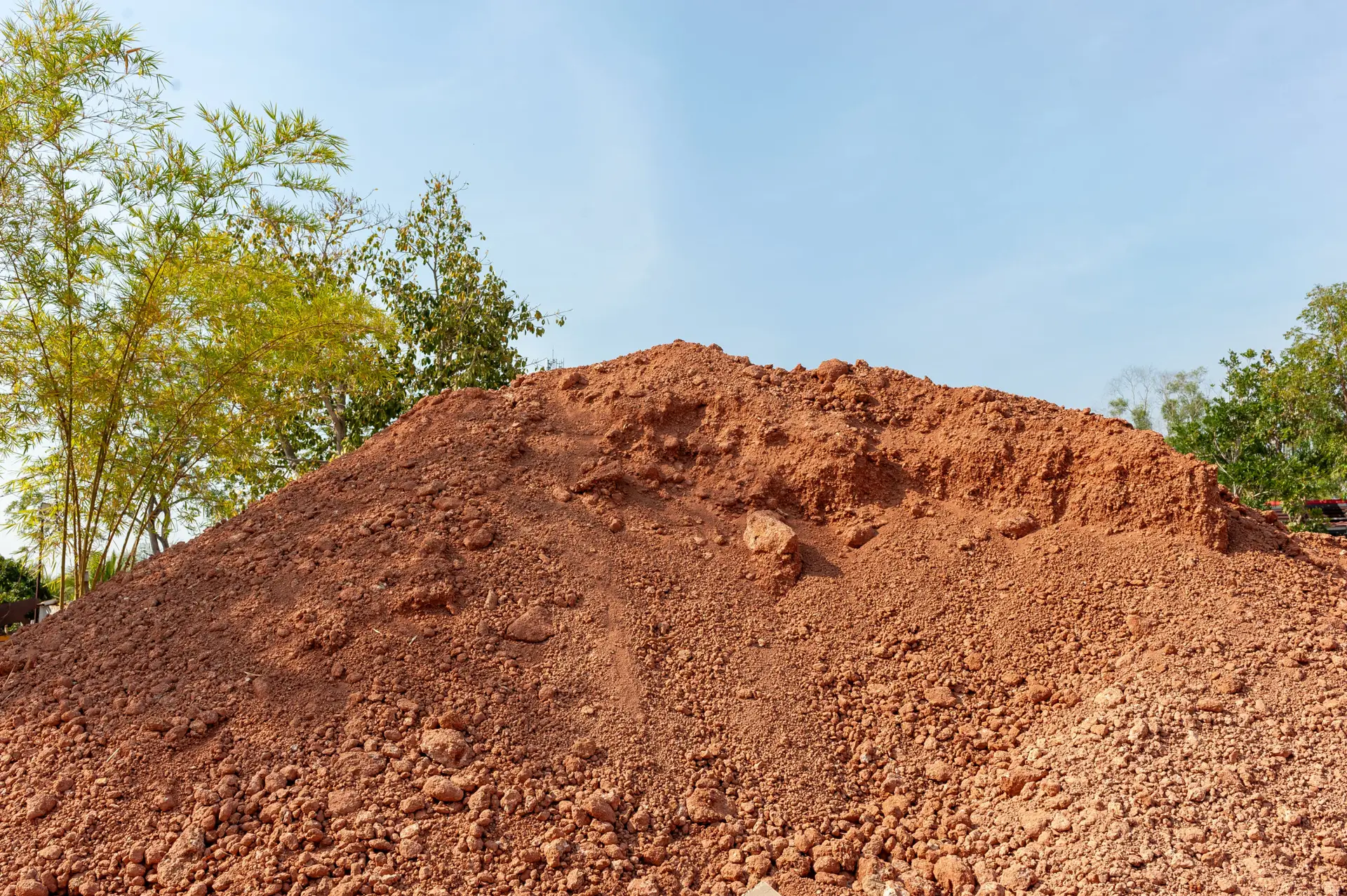
- Fill dirt → useful for rough grading and leveling
- Premium screened topsoil → better for planting beds and finish landscaping
These are not replacements for structural gravel, but they often support the overall project when grading or planting is involved.
How These Materials Are Used on Real Jobs
Driveway Installation
A well-built driveway needs more than just stone on the surface. It needs a compacted structure underneath so the top layer does not shift under cars, trucks, or repeated rainfall. In Mobile, where wet conditions can weaken bad installs, the base matters even more.
Use:
Why these work:
- They compact tightly
- They support vehicle traffic
- They reduce movement over time
For residential driveway work, compactable base material consistently outperforms loose decorative stone because it creates a denser and more reliable surface under daily use.
Drainage and French Drain Applications
Drainage systems are common in Mobile because runoff problems show up quickly when water has nowhere to go. A proper drainage trench is designed to carry water away, not hold it in place.
Use:
Why it works:
- Allows water flow
- Helps reduce pooling
- Supports consistent drainage performance
When drainage stone is replaced with the wrong material, water movement slows down and the whole purpose of the system is reduced. That is why clean stone is generally the safer choice when the goal is runoff control.
Backyard and Landscape Improvement
Landscape projects need a different approach because the goal is usually appearance, light usability, and easier maintenance. A smooth decorative stone can work very well here as long as it is not expected to perform like a driveway base.
Use:
Why these work:
- Clean visual finish
- Easy installation
- Useful for paths and outdoor beds
The Layering System Most People Overlook
One of the biggest reasons gravel projects fail is not because the material itself was bad, but because it was installed without proper layering. Good results usually come from a system, not a single layer thrown on the ground.
A more effective setup often looks like this:
- Base layer → crushed run
- Leveling layer → utility sand
- Top layer → decorative gravel or project finish stone
Each layer does a different job. The base creates strength. The leveling layer improves the surface and supports alignment. The top layer provides the finish. Skipping one of these steps often shortens the life of the project.
Projects that skip proper base preparation are much more likely to rut, shift, or wash out earlier than expected, especially in wet conditions.
Common Material Mistakes That Cause Problems
A lot of avoidable issues come from using the right material in the wrong place or underestimating how much gravel is needed. These are some of the most common mistakes seen on residential and light commercial jobs:
- Using pea gravel for driveways
- Skipping the compacted base layer
- Ignoring drainage requirements
- Ordering too little material
Out of these, the biggest problem is usually trying to use decorative stone where structural support is needed. It may save money at the start, but it often creates more expense later when the surface has to be redone.
Load Size and Quantity Planning
Ordering the right amount is just as important as ordering the right type. Too little material delays the job. Too much creates unnecessary cost and cleanup issues. While exact quantities depend on dimensions and depth, these simple examples help set expectations.
Typical order examples:
- 1 truck = about 10 cubic yards
- Small landscape project = about 1 to 3 yards
- Typical driveway project = about 5 to 10 yards
As a general rule, multiple small deliveries usually cost more than one properly planned bulk load. Bulk delivery is often the better value, especially when the project involves driveway base, drainage installation, or larger site prep work.
To estimate gravel quantity, many contractors use the simple formula:
Length × Width × Depth ÷ 27 = cubic yards
Why Delivery Makes a Difference
Picking up gravel yourself can sound simple, but in practice it often creates extra work, wasted time, and inaccurate quantity planning. For many property owners, direct delivery is the easier and more cost-effective choice.
Getting material delivered gives you:
- Better time efficiency
- More accurate project planning
- Direct drop-off where needed
Instead of making several trips and guessing at volume, delivery helps keep the job organized from the beginning.
Schedule gravel delivery in Mobile now and avoid wasting time on multiple small trips
Order the Right Gravel for the Job
If your project is moving forward and you already know the type of material you need, these are some of the most useful options to review:
Order gravel delivered in Mobile today and keep your project on schedule
FAQ
What gravel is best for a driveway in Mobile?
For most driveway projects, 3/4″ minus base gravel or crushed run are the strongest options because they compact tightly and support traffic better than loose decorative stone.
What material works best for drainage?
3/4″ clean gravel (#57 stone) is usually the best choice for drainage because it allows water to move through the stone layer instead of getting trapped.
Can pea gravel be used for driveways?
Pea gravel is better for decorative areas, pathways, and light-use spaces. It is not the best choice for most driveways because it does not compact like base material.
How do I estimate how much gravel I need?
A common formula is Length × Width × Depth ÷ 27 to estimate cubic yards. Final quantities may vary depending on compaction and site conditions.
Final Thoughts
Mobile projects need more than just any stone that happens to be available. Because of local moisture conditions, drainage concerns, and the need for durable surfaces, gravel selection should be done carefully. The best approach is simple: use compacted base material where strength matters, use clean drainage stone where water flow matters, and use decorative gravel where appearance matters.
When the right material is chosen from the beginning, the project tends to last longer, require fewer repairs, and perform better overall. Whether you are building a driveway, planning drainage improvements, or finishing a backyard upgrade, getting the right gravel delivered at the right time helps everything move more smoothly.
Order gravel for your Mobile project today and build it the right way from the start