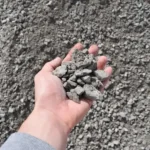
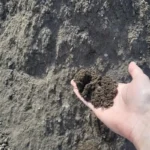
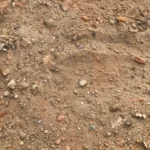
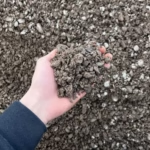
Montgomery, Alabama presents a unique environment for construction and landscaping projects, especially when it comes to selecting the right type of gravel. With a mix of clay-heavy soil, seasonal rainfall, and ongoing residential and commercial development, the materials used in any outdoor or structural project must be chosen carefully. Whether you are building a driveway, preparing a base for construction, managing drainage, or enhancing a landscape design, gravel plays a critical role in both performance and durability.
Many property owners assume that gravel is a simple material that can be used interchangeably across projects. However, each type of gravel serves a different purpose. In Montgomery, where soil can shift and moisture can build up quickly, using the wrong type of gravel often leads to surface instability, drainage problems, and higher maintenance costs. Choosing the correct material from the start helps avoid these issues and ensures that your project performs well over time.
Understanding how different gravel types function allows you to make better decisions before ordering. Instead of focusing only on cost or appearance, it is important to consider how the gravel will behave under pressure, how it interacts with water, and how it supports the structure of your project. In most cases, a combination of materials is used to achieve the best results, especially when layering is involved.
Which Gravel Works Best for Different Projects?
Every project requires a specific type of gravel based on its purpose. In Montgomery, where both load-bearing and drainage conditions are important, selecting the correct aggregate type ensures long-term stability.
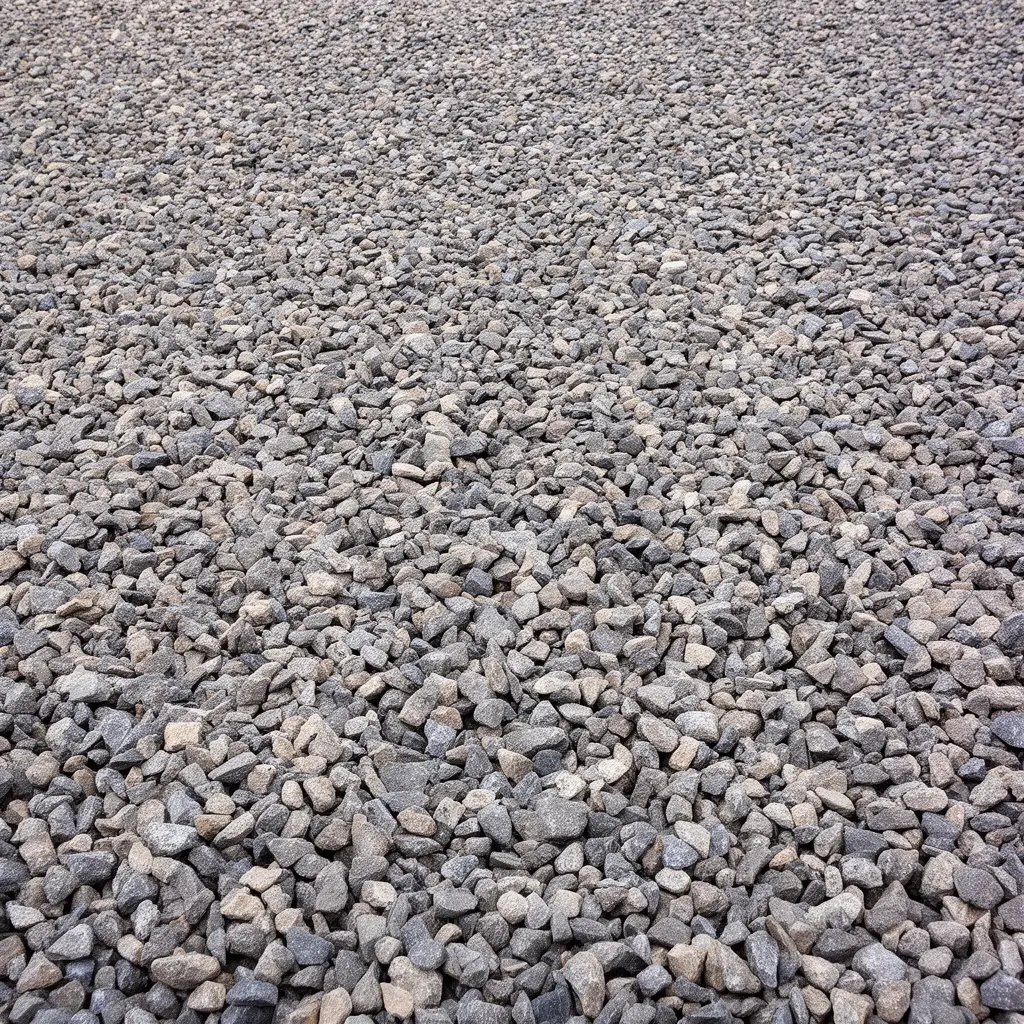
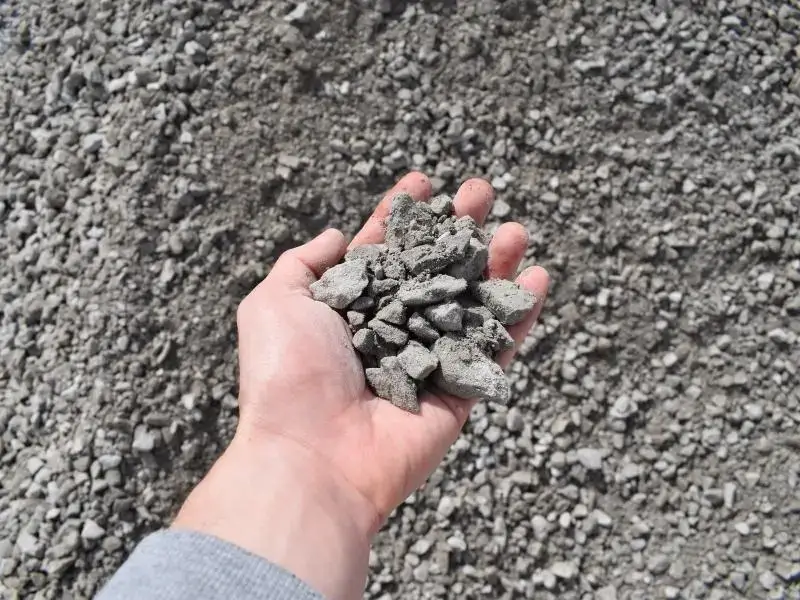
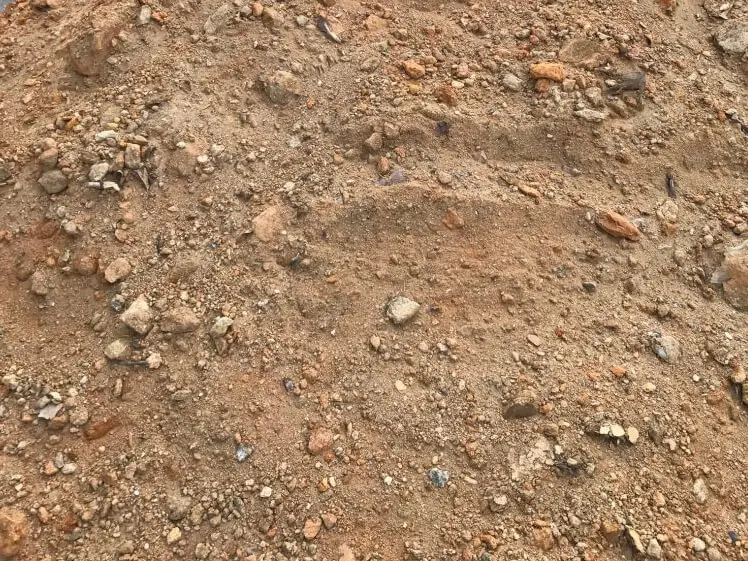
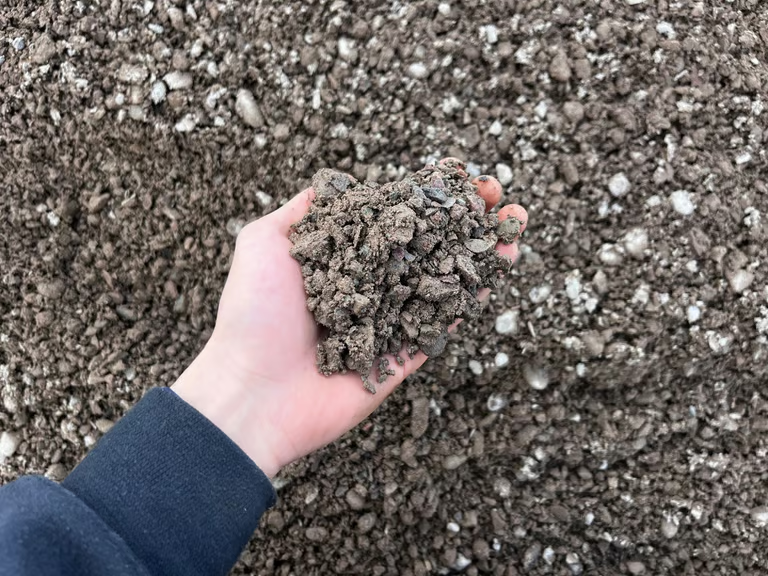
- Driveways and heavy-use areas → 3/4 minus base gravel or crushed run base material
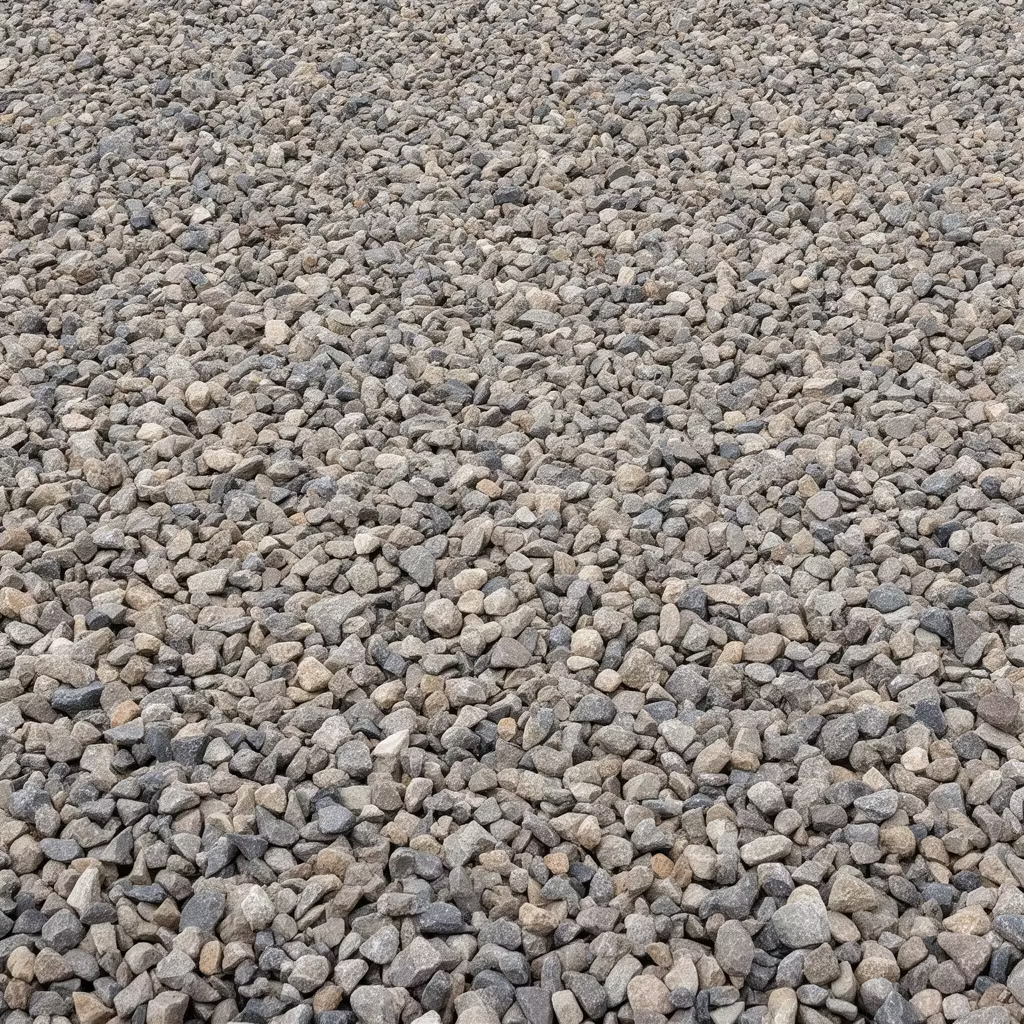
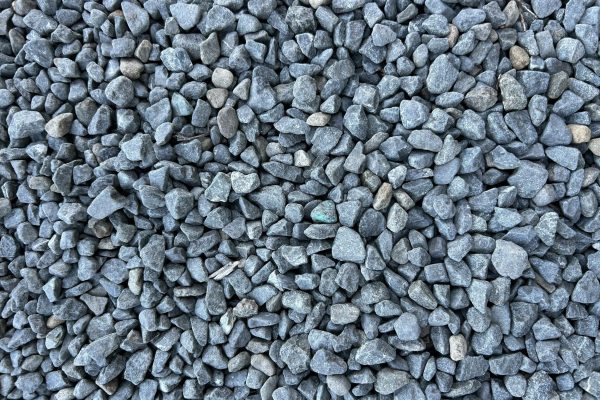
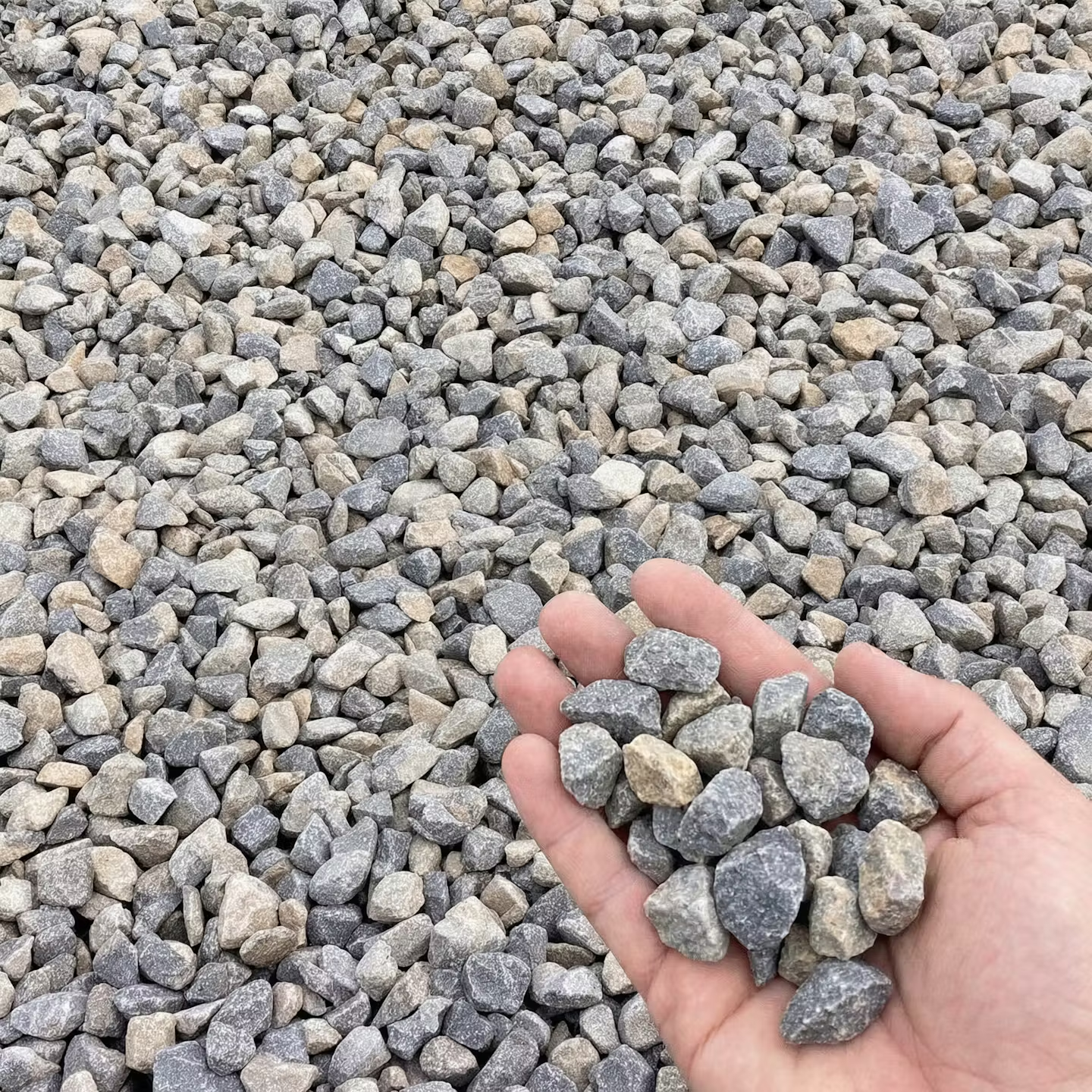
- Drainage and runoff control → 3/4 clean gravel (#57 stone)
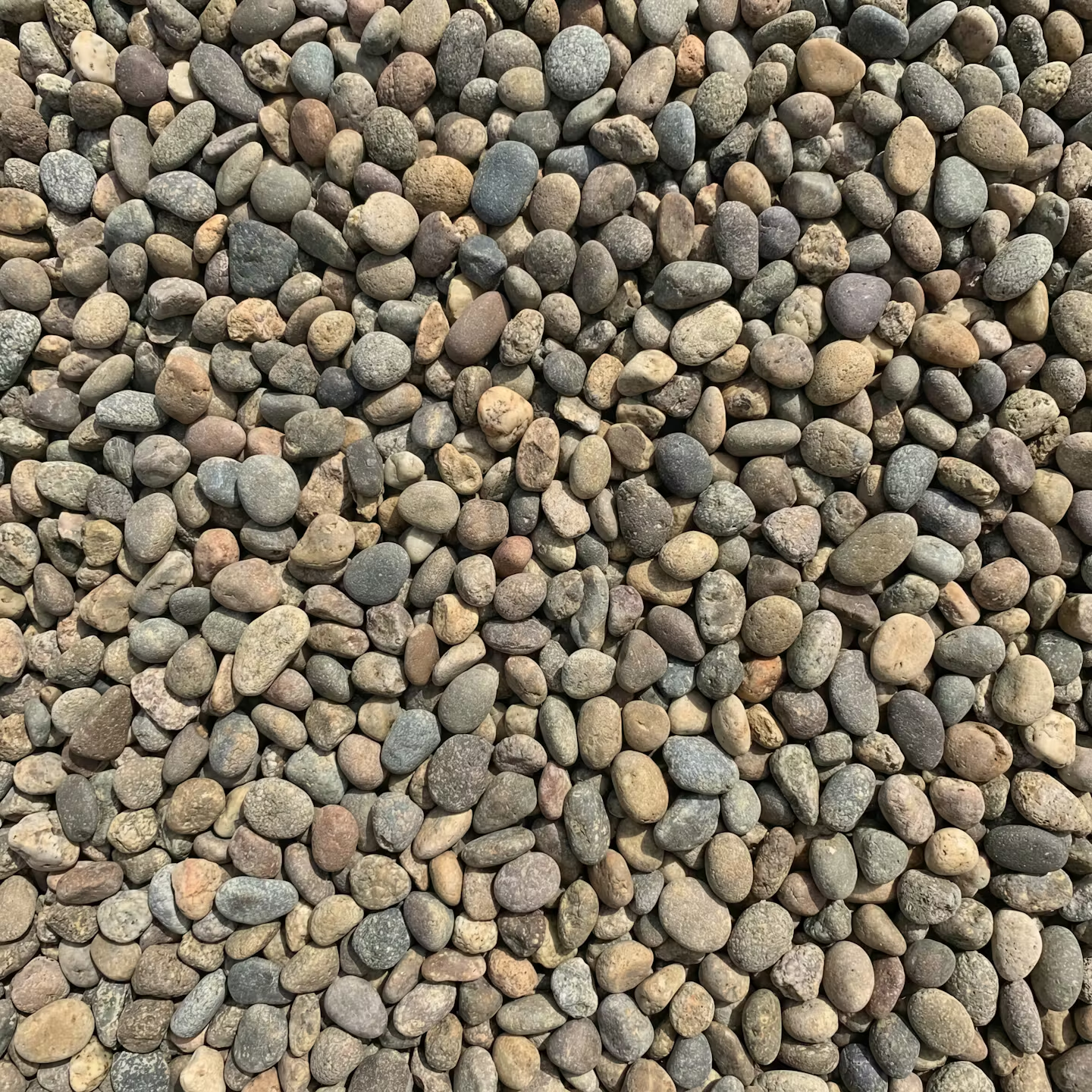
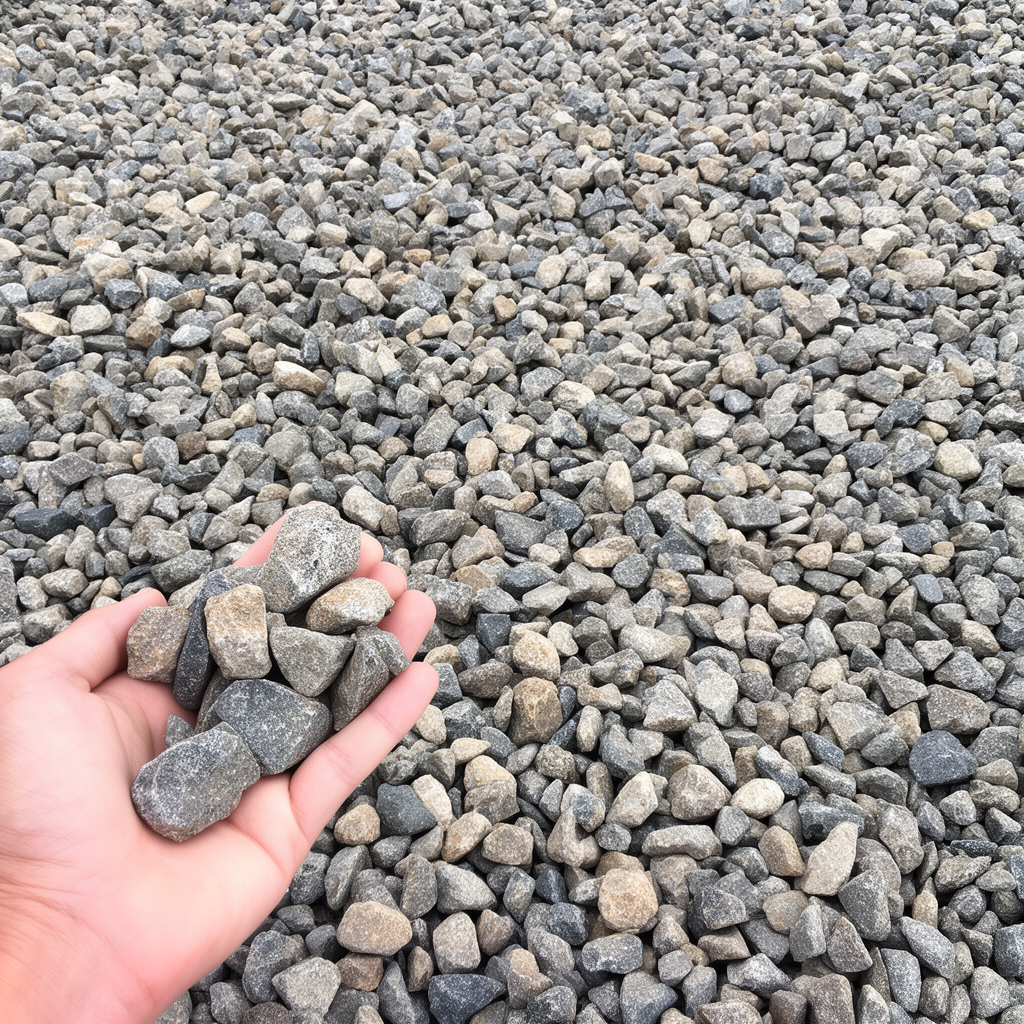
- Landscaping and pathways → pea gravel
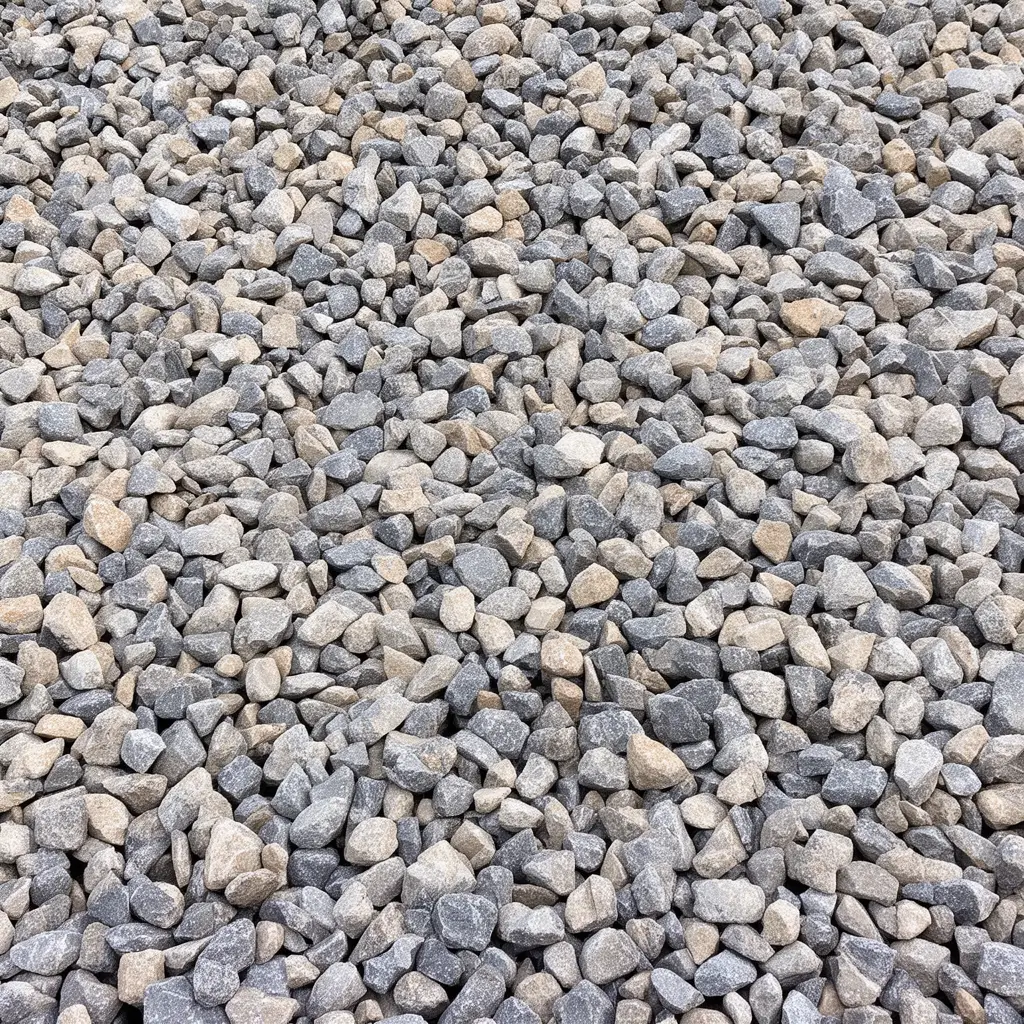
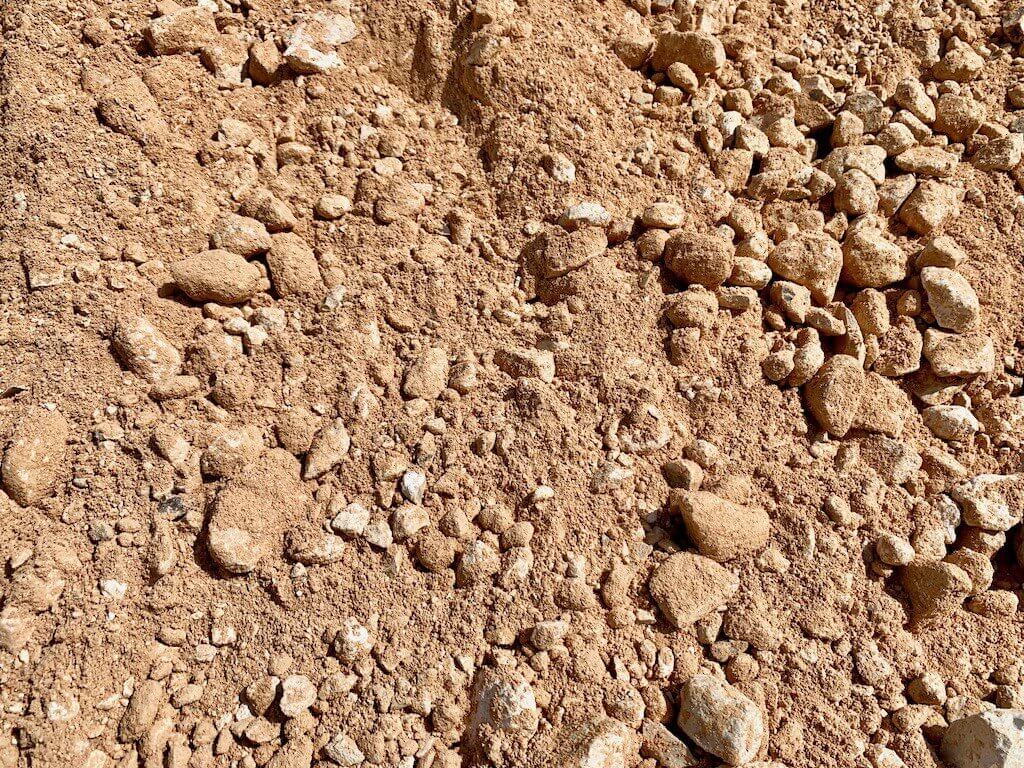
- Foundation and base layers → crushed run
Using a single type of gravel across all areas is one of the most common mistakes. Each application has different requirements, and understanding these differences helps avoid problems such as water retention, surface shifting, and uneven compaction.
- Water pooling near structures
- Loose surfaces under traffic
- Premature wear and damage
Order gravel delivery in Montgomery today and keep your project on schedule
Quick Reference for Material Selection
| Project Type | Recommended Material |
|---|---|
| Driveway base | 3/4 minus base gravel |
| Drainage systems | #57 clean gravel |
| Walkways and landscaping | Pea gravel |
| Foundation support | Crushed run |
This table provides a simple overview, but it is important to understand why each material works best in its specific role. Structural areas require compaction, while drainage areas require permeability. Mixing these functions can reduce effectiveness.
Breaking Down Gravel Types and Their Uses
Compacted Base Materials
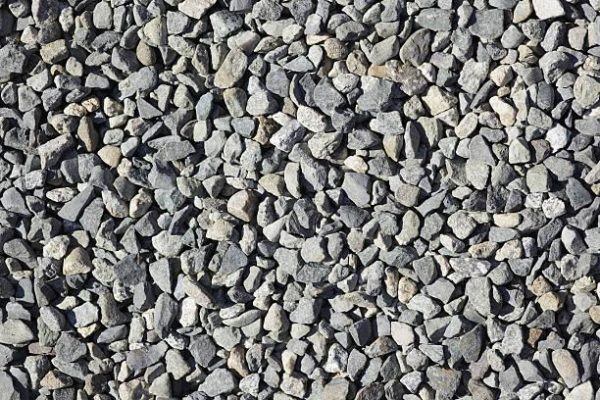
Compacted gravel is designed to form a dense and stable layer. These materials contain a mixture of particle sizes that lock together when compressed, creating a strong base for surfaces that need to support weight.
These are commonly used for:
- Driveways
- Parking areas
- Foundation bases
- Construction platforms
In Montgomery, compacted base materials help prevent shifting caused by soil movement and moisture changes.
Drainage Stone
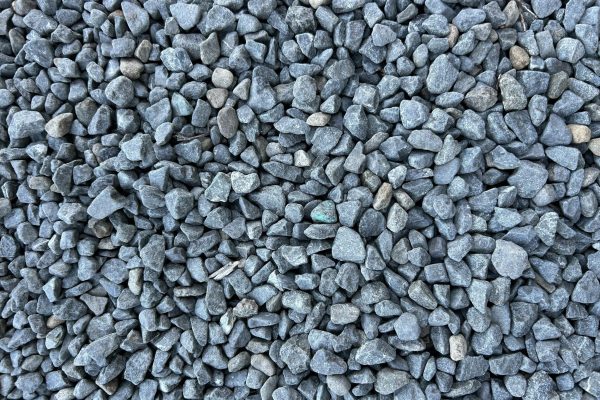
Drainage gravel allows water to pass through easily. This prevents water buildup and reduces the risk of erosion or structural damage.
Common uses include:
- French drains
- Trench systems
- Backfill behind retaining walls
Proper drainage materials are essential in Montgomery due to seasonal rainfall patterns and soil conditions.
Decorative Gravel
Decorative gravel enhances appearance but does not provide structural strength.
Best used for patios, walkways, and garden areas.
Common Project Applications in Montgomery
Driveway Construction
- Crushed run
- 3/4 minus gravel
These materials create a strong base capable of handling daily vehicle traffic.
Drainage Installation
- #57 clean gravel
This helps direct water away from structures and prevents pooling.
Landscape Design
- Pea gravel
Used for visual appeal and low-maintenance surfaces.
Layering System for Long-Term Stability
- Base → crushed run
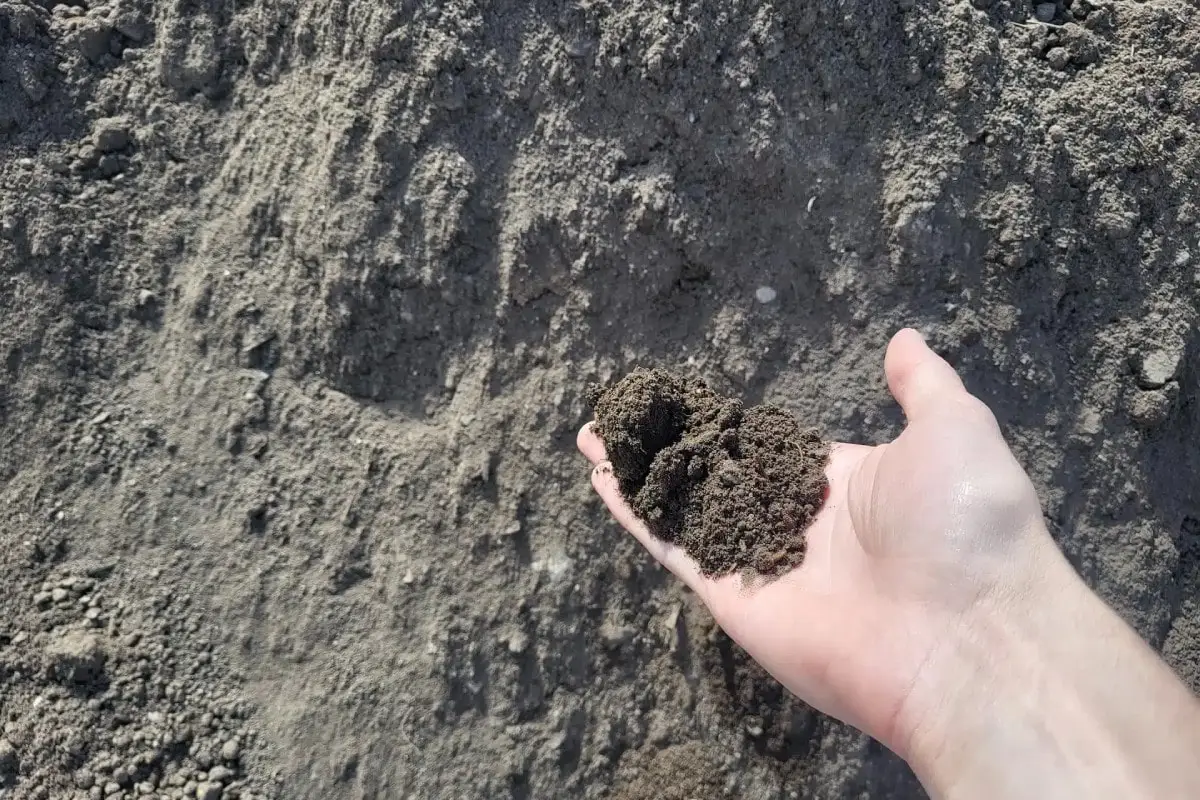
- Leveling → utility sand
- Top → finishing gravel
Proper layering improves performance and prevents early failure.
Common Mistakes to Avoid
- Using decorative gravel as a base
- Skipping compaction
- Ignoring drainage needs
- Incorrect quantity estimation
Material Quantity and Delivery Planning
- 1 truck ≈ 10 cubic yards
- Small projects ≈ 1–3 yards
- Driveways ≈ 5–10 yards
Bulk delivery is more efficient and cost-effective.
Why Delivery Matters
- Saves time
- Ensures correct materials
- Reduces labor effort
Schedule gravel delivery in Montgomery now
FAQ
What gravel is best for driveways?
3/4 minus or crushed run.
What is best for drainage?
#57 clean gravel.
How much gravel do I need?
Length × Width × Depth ÷ 27.
Can I use one gravel type for all projects?
No, different applications require different materials.
Final Thoughts
Choosing the right gravel in Montgomery ensures long-term durability and better project performance. By selecting the correct materials, following proper installation methods, and ordering in bulk, you can complete your project efficiently and avoid unnecessary costs.
Order your gravel today and complete your project the right way