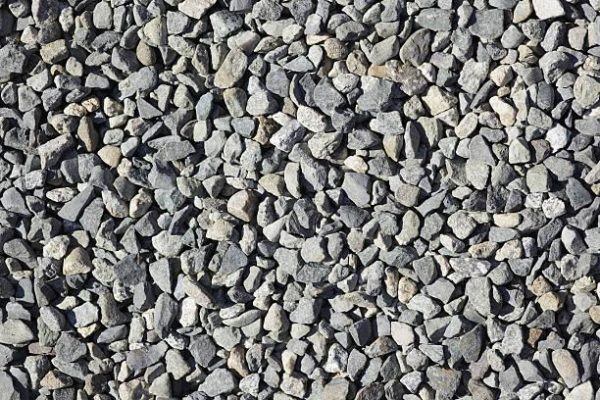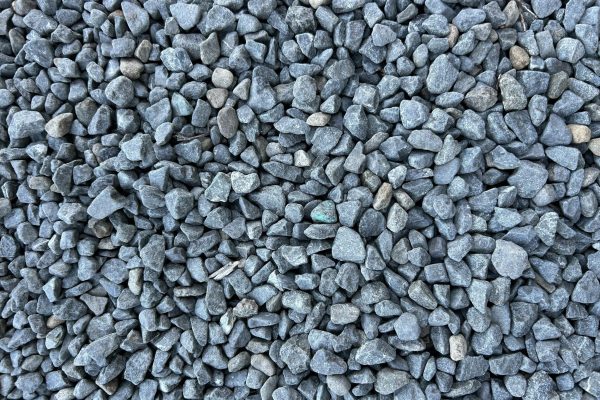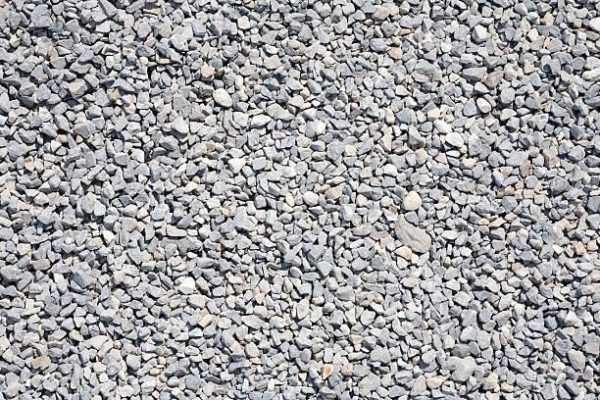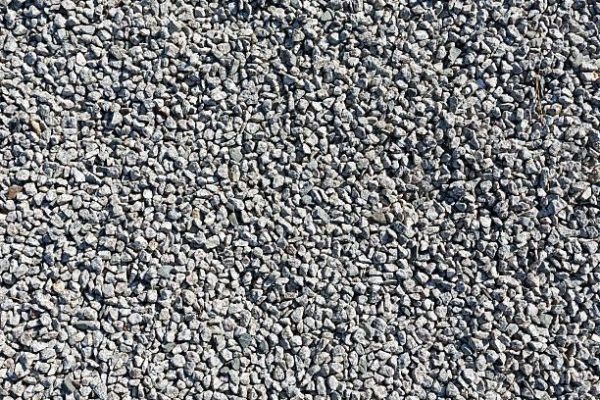

Decatur, Alabama is a growing city with a strong mix of residential expansion, industrial development, and infrastructure upgrades. As more construction and landscaping projects take place, the need for reliable materials like gravel continues to increase. Whether you are preparing a driveway, improving drainage, or working on an outdoor design project, selecting the right gravel in Decatur is essential for achieving long-lasting results.
Gravel may appear to be a simple material, but its performance depends heavily on choosing the correct type. In Decatur, soil conditions and seasonal moisture can impact how surfaces behave over time. Using the wrong gravel can lead to unstable surfaces, poor drainage, and additional repair costs. Choosing the right material from the beginning helps prevent these issues and ensures better project outcomes.
Different gravel types serve different purposes. Some are designed for strength and compaction, while others allow water to flow freely or enhance the visual appeal of outdoor spaces. Understanding these differences will help you make the right decision for your project.
Gravel Selection for Decatur Projects
Choosing the right gravel depends on how the surface will be used and the conditions it will face. In Decatur, both load support and drainage are important factors.
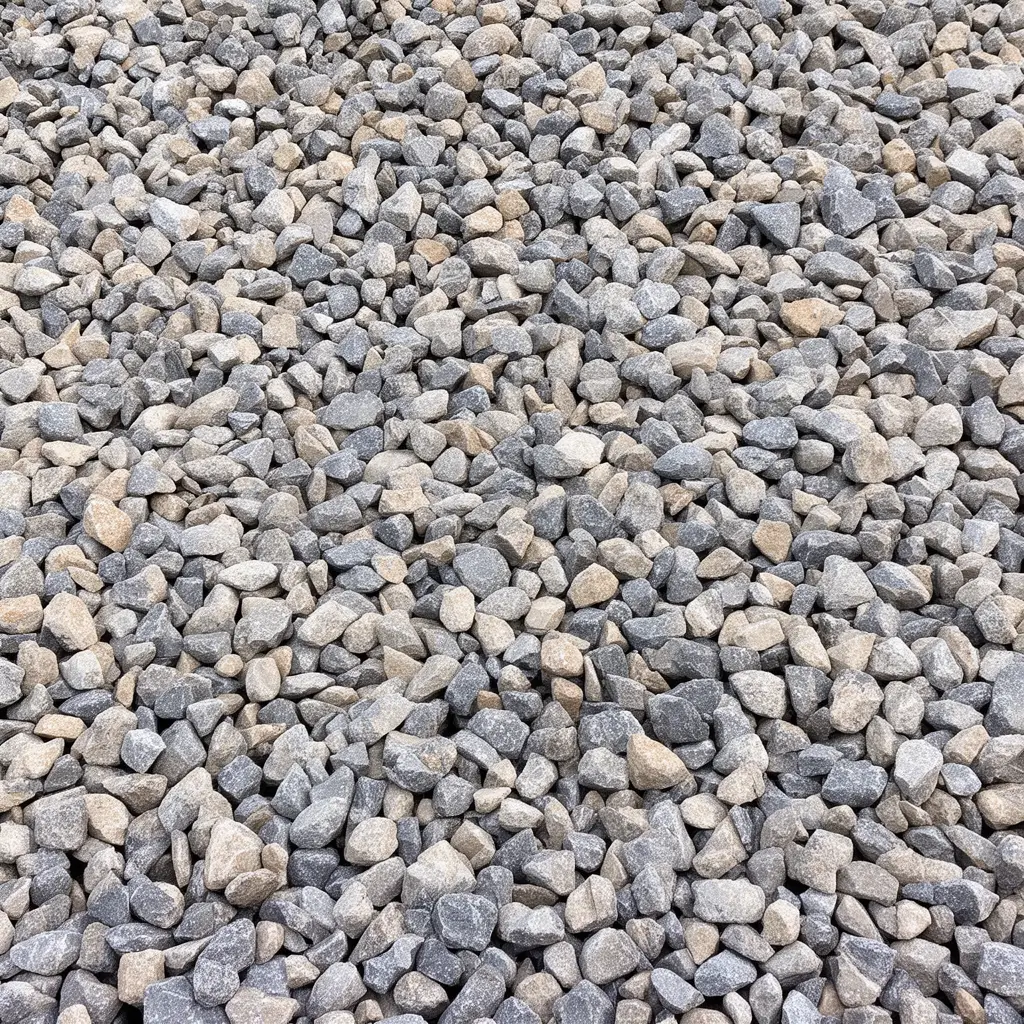
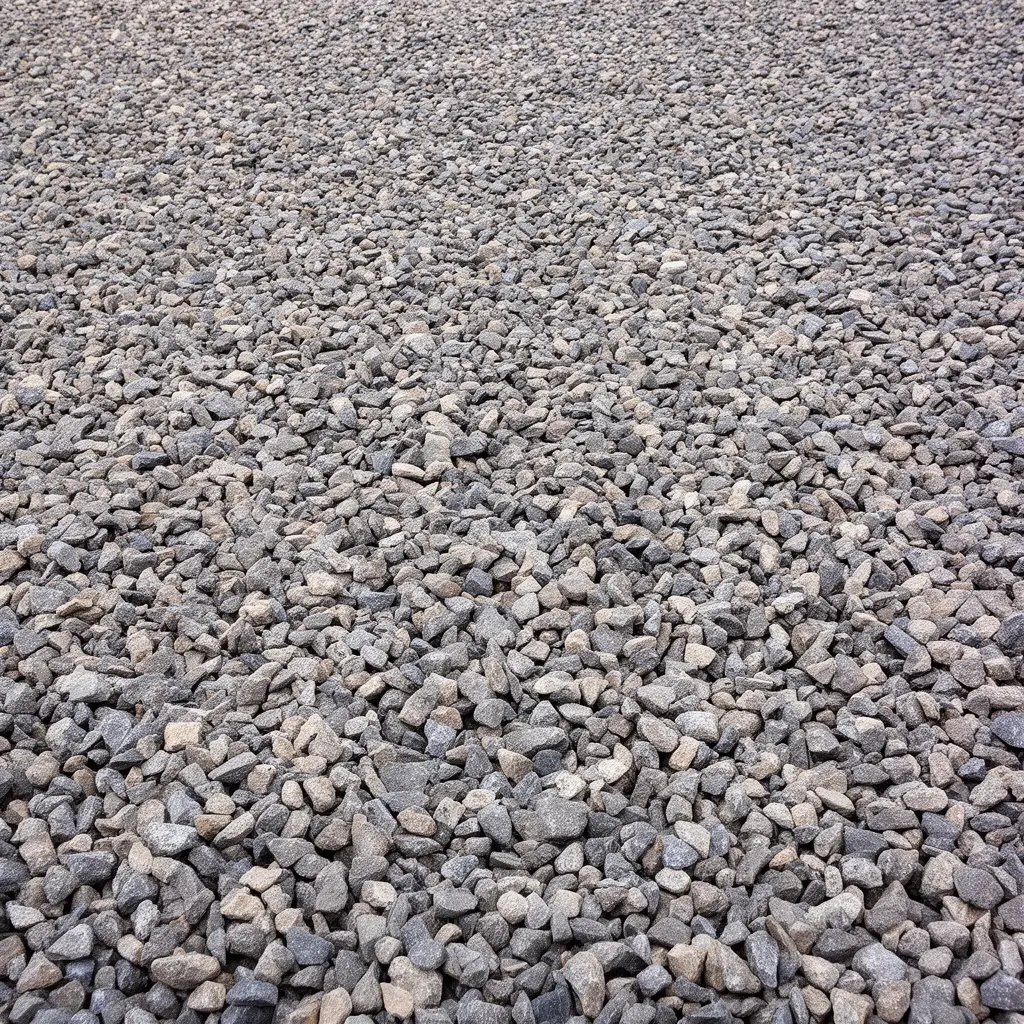
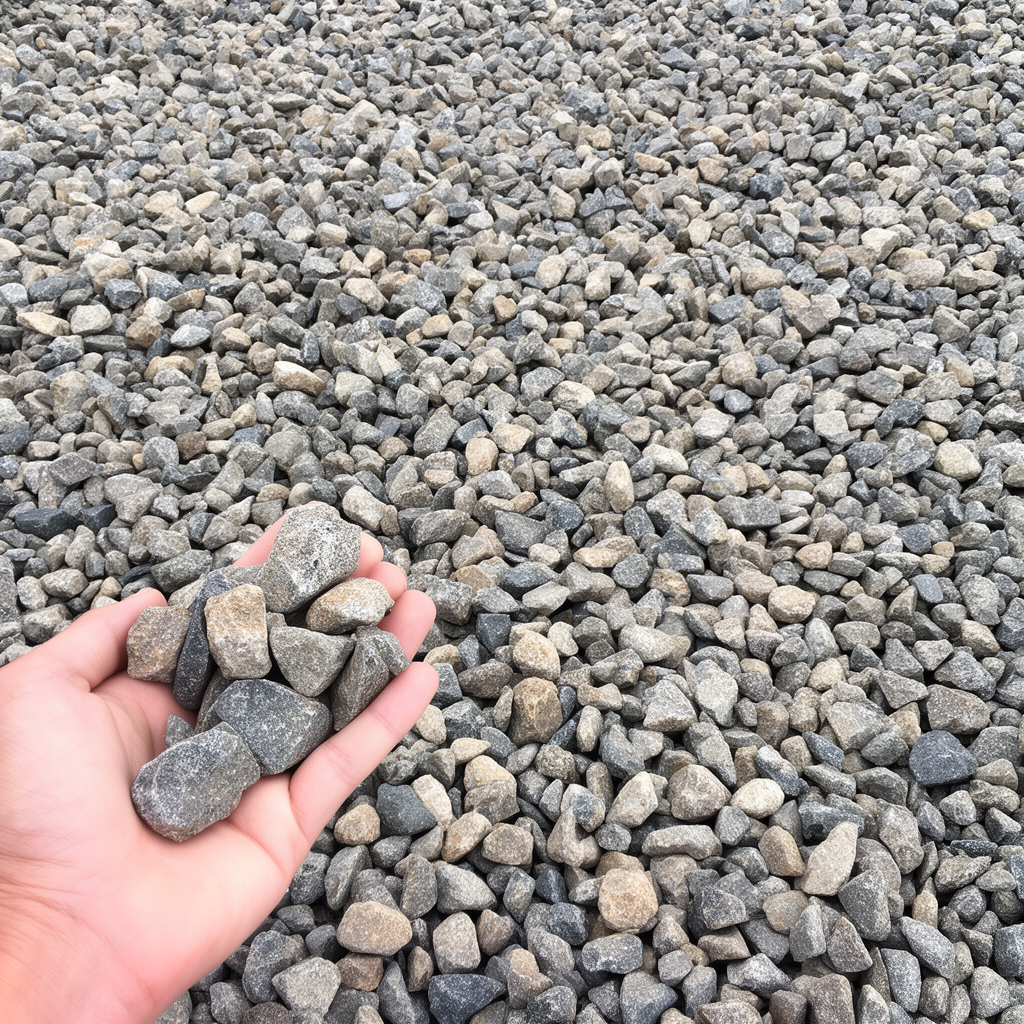
- Driveways and heavy-use areas → 3/4 minus base gravel or crushed run
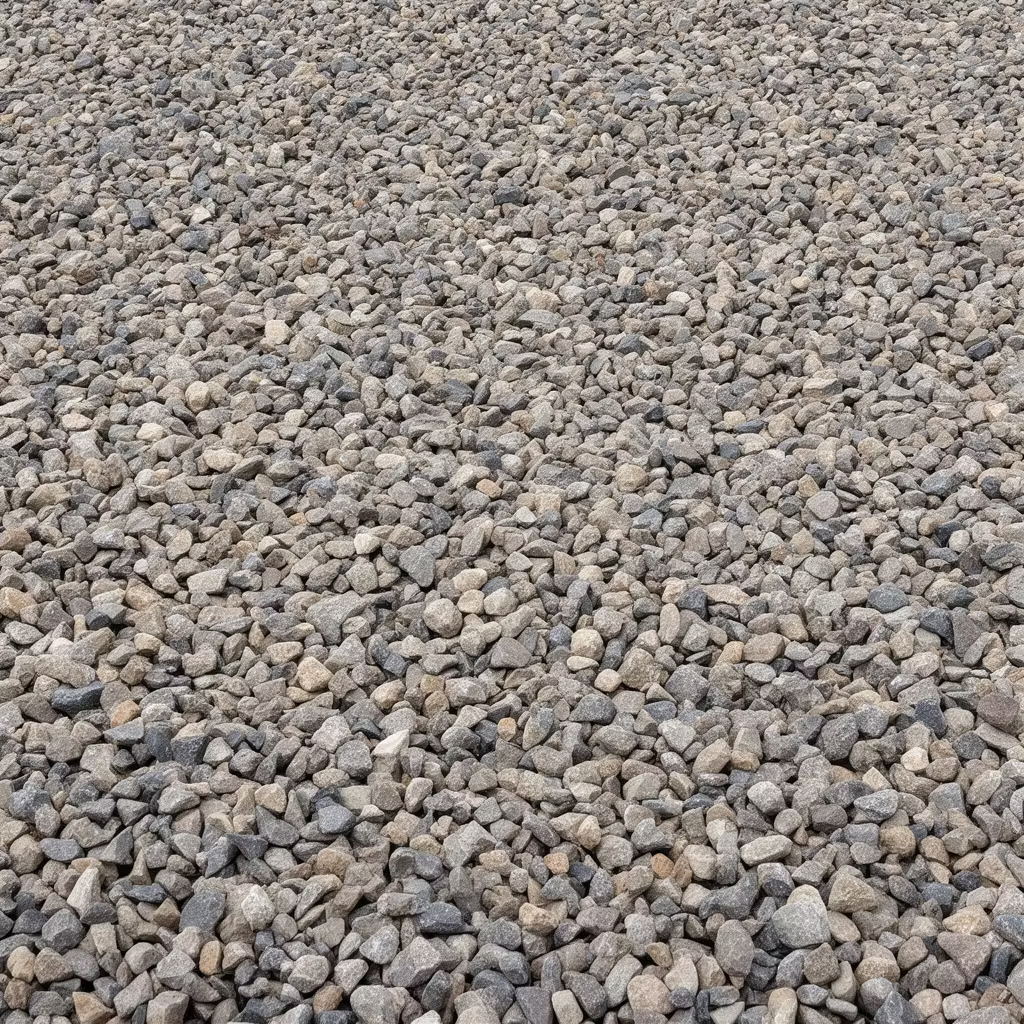
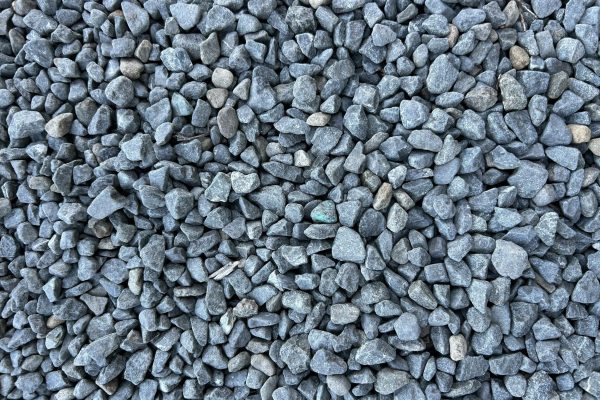
- Drainage systems → #57 clean gravel
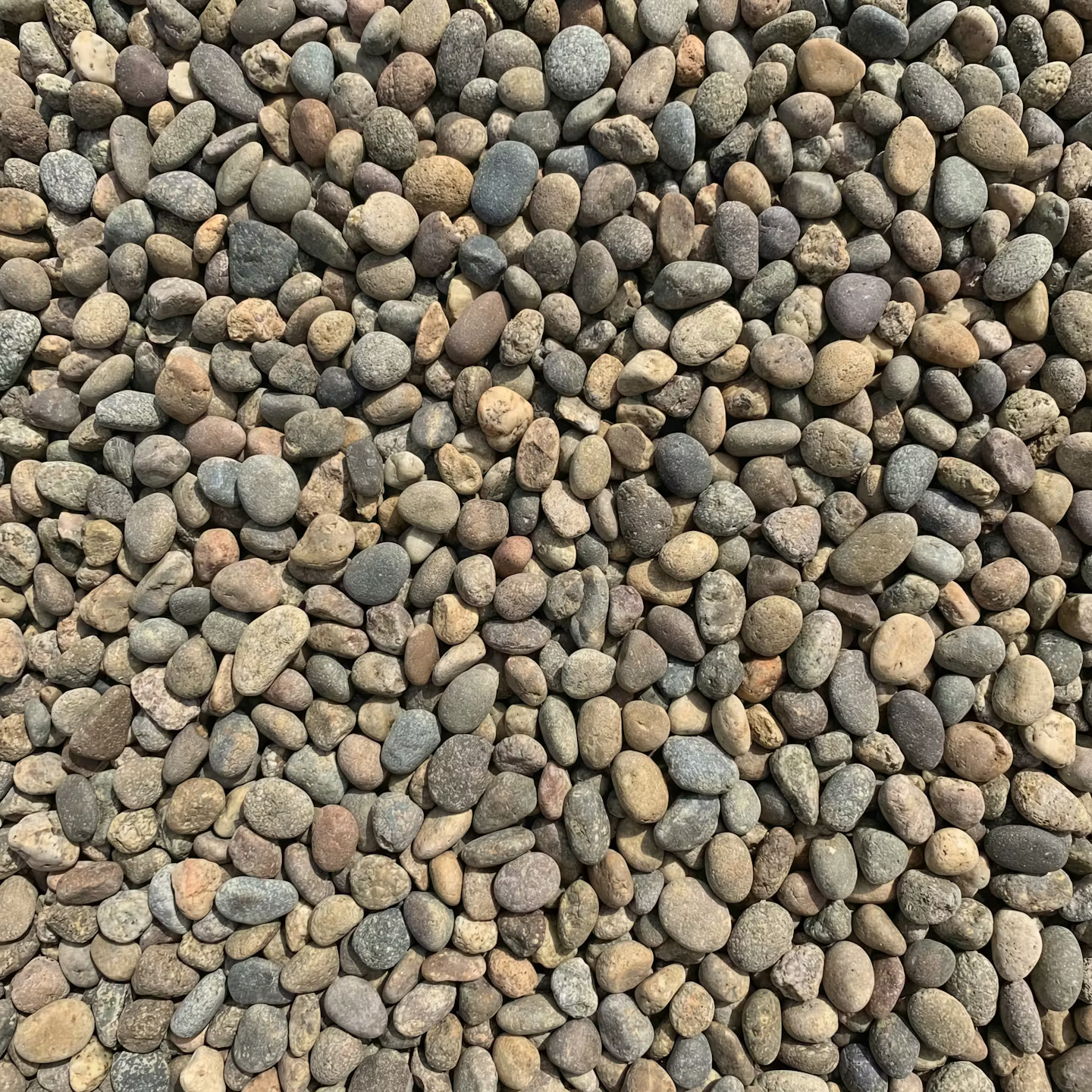
- Landscaping and decorative use → pea gravel
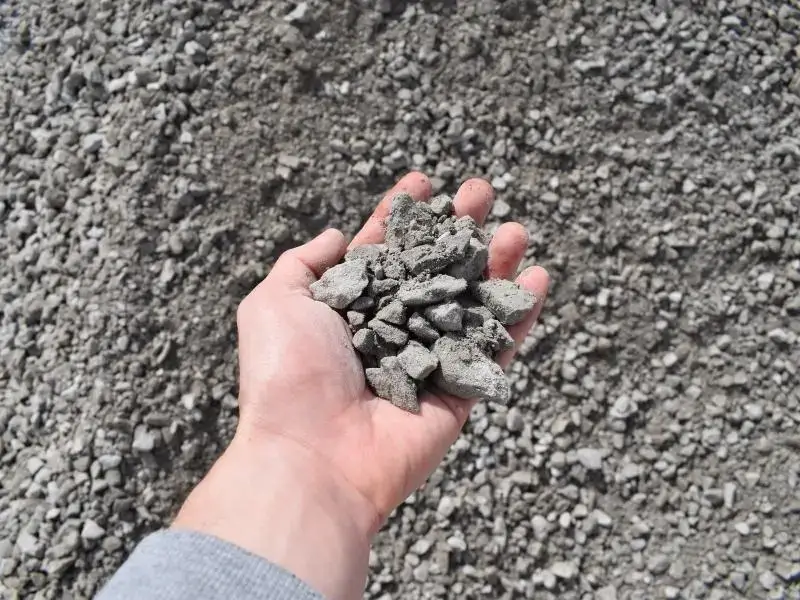
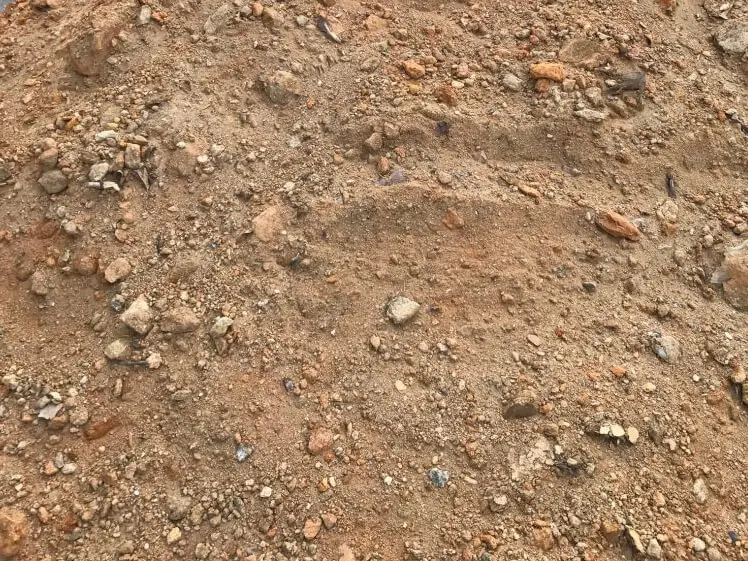
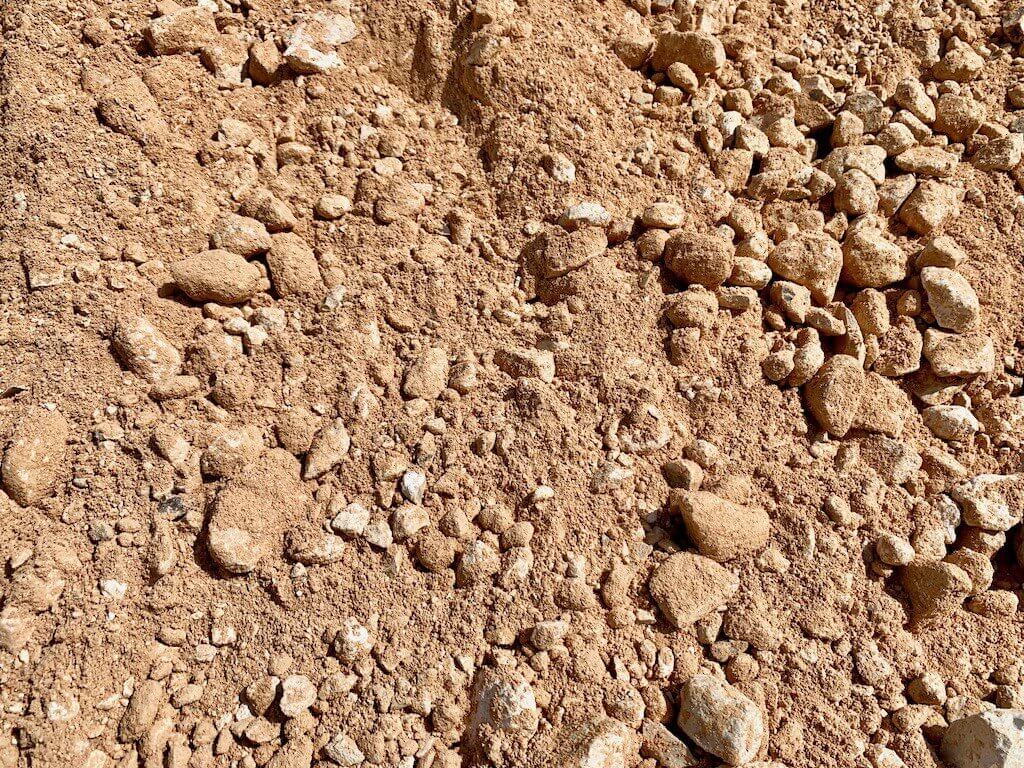
- Base preparation → crushed run base material
Incorrect gravel choice can result in:
- Water accumulation
- Surface movement
- Increased maintenance costs
Order gravel delivery in Decatur today for reliable project results
Material Selection Overview
| Use Case | Recommended Gravel |
|---|---|
| Driveways | 3/4 minus gravel |
| Drainage | #57 clean gravel |
| Outdoor areas | Pea gravel |
| Foundation | Crushed run |
This quick guide helps simplify decision-making, but knowing how each material performs is equally important.
Gravel Types Explained
Compaction Gravel for Structural Support
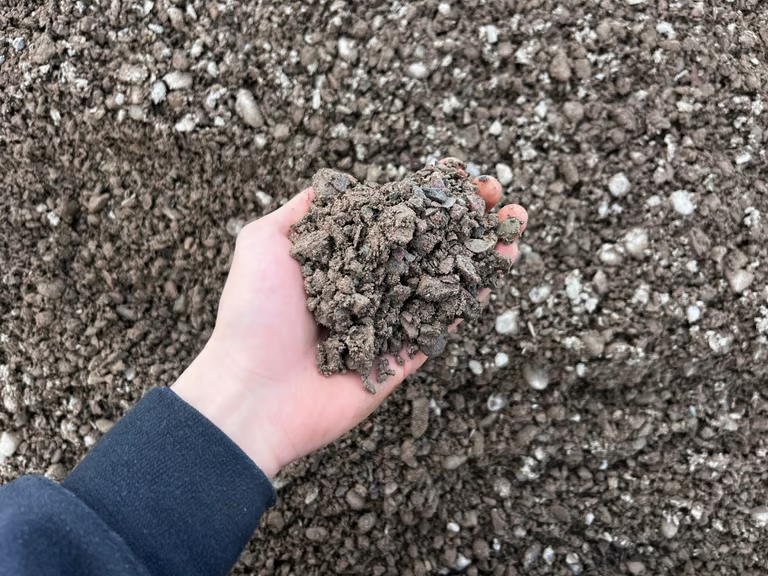
Compacted gravel is essential for building stable surfaces. These materials interlock when compressed, creating a durable base.
Best suited for:
- Driveways
- Parking areas
- Construction bases
Permeable Gravel for Drainage
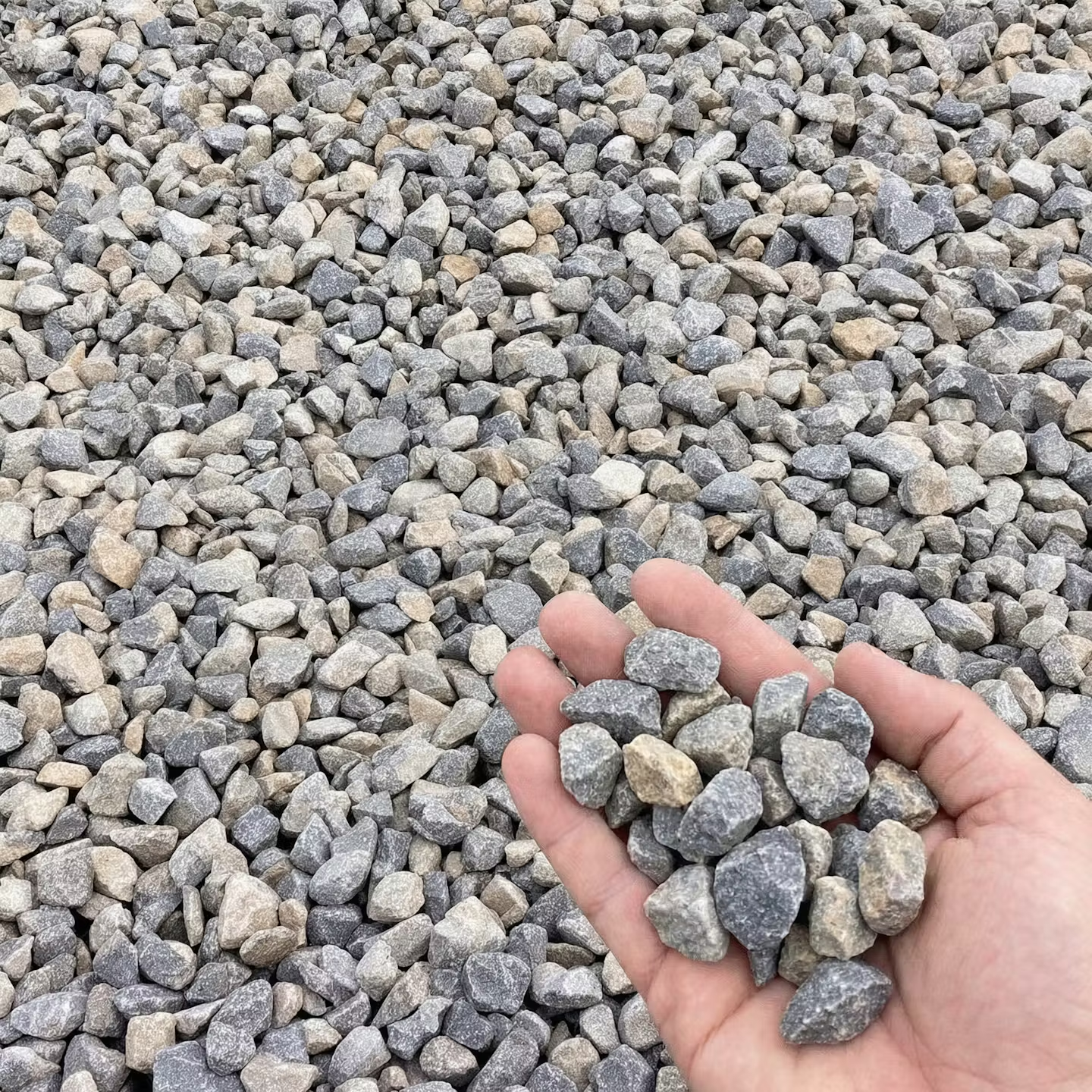
Drainage gravel allows water to pass through easily, preventing buildup and reducing erosion risks.
Common applications:
- Drainage trenches
- French drains
- Backfill systems
Proper drainage materials help maintain the integrity of structures and prevent long-term damage.
Decorative Gravel for Aesthetic Use
Decorative gravel is used to enhance outdoor spaces and create visually appealing surfaces.
Ideal for gardens, pathways, and patios.
Typical Uses in Decatur Projects
Driveway Base Installation
- Crushed run
- 3/4 minus gravel
Provides a strong and stable surface for vehicles.
Drainage Improvements
- #57 clean gravel
Helps direct water away from structures.
Landscape Enhancements
- Pea gravel
Creates clean and low-maintenance outdoor areas.
Layering Approach for Durability
- Base → crushed run
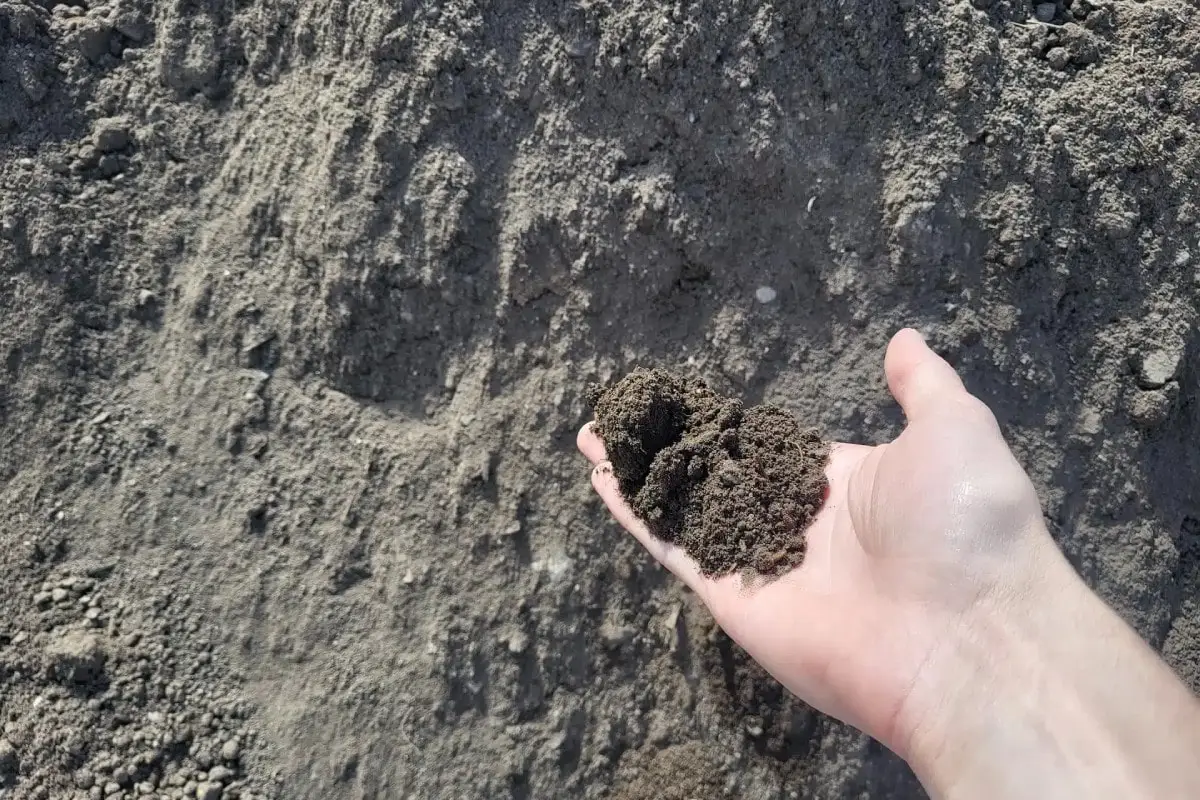
- Leveling → utility sand
- Top → finishing gravel
This approach improves stability and extends project lifespan.
Common Errors to Avoid
- Using decorative gravel for structural support
- Skipping compaction
- Ignoring water drainage
- Ordering incorrect quantities
Load Sizes and Planning
- 1 truck ≈ 10 cubic yards
- Small projects ≈ 1–3 yards
- Driveways ≈ 5–10 yards
Bulk delivery ensures efficiency and cost savings.
Benefits of Gravel Delivery
- Saves time
- Reduces manual effort
- Ensures correct materials
Schedule your gravel delivery in Decatur today
FAQ
What gravel is best for driveways?
3/4 minus or crushed run provide strong support.
Which gravel works best for drainage?
#57 clean gravel allows water flow.
How do I calculate gravel quantity?
Length × Width × Depth ÷ 27.
Can one gravel type be used everywhere?
No, different uses require different materials.
Final Thoughts
Choosing the right gravel in Decatur ensures better performance and long-term durability. By selecting the correct materials and following proper installation practices, you can complete your project efficiently and avoid unnecessary costs.