
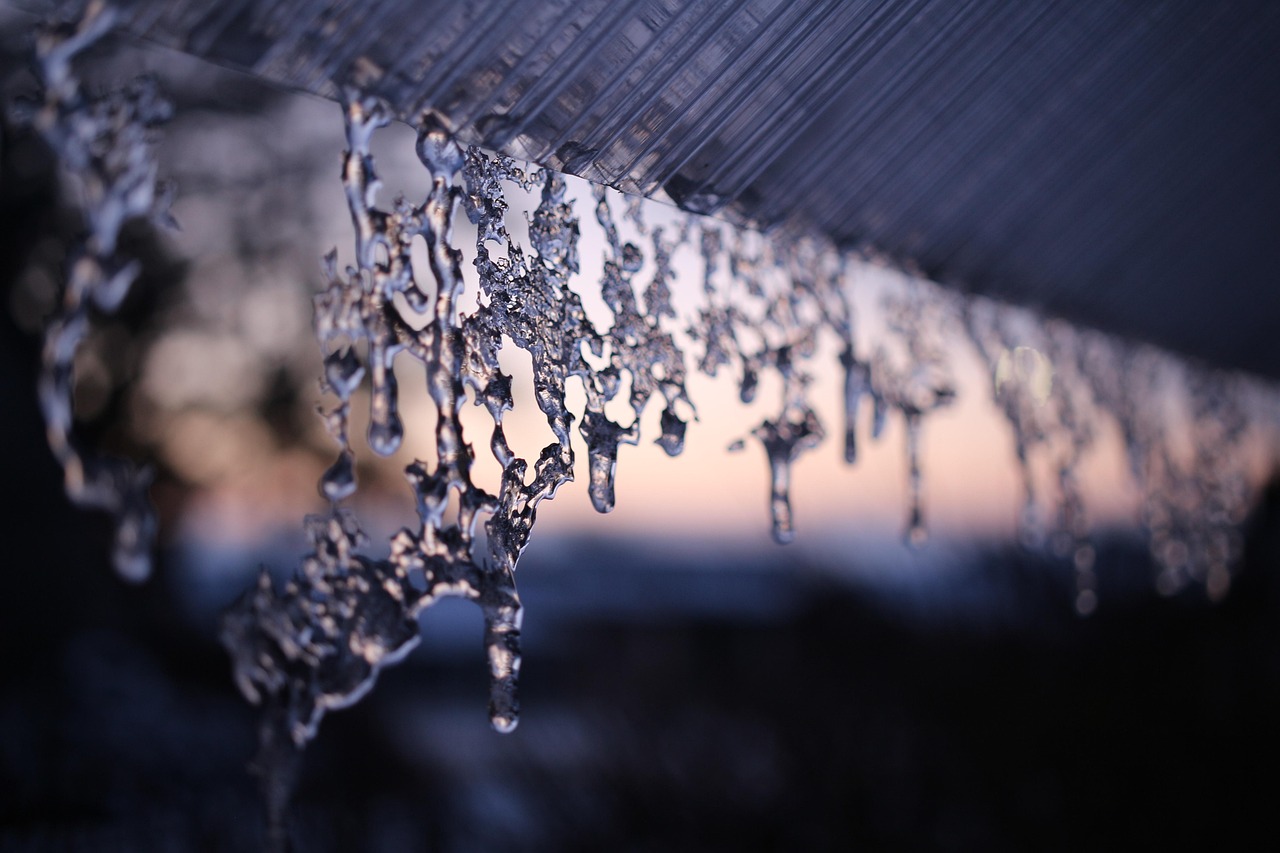
From the agricultural acreage of the Treasure Valley to the snow-covered valleys of the northern Panhandle, property owners across Idaho share a common winter challenge: frost heave. During sub-zero winters, ground frost penetrates deep into native dirt, expanding moisture into subsurface ice lenses that lift roadbeds several inches. When spring sunshine warms the surface, ice thaws from the top down, leaving saturated aggregate floating over an unyielding frozen subgrade. Constructing an Idaho driveway base freeze thaw cycles cannot destroy requires understanding local geology, frost depths, and aggregate gradation. To explore bulk materials delivered to job sites across the region, visit our Idaho gravel delivery page.
When heavy trucks or family vehicles cross a thawed, waterlogged roadbed, tires push aggregate deep into the liquefied subsoil, creating severe wheel ruts and axle-scraping potholes. Merely dumping another load of rock on top of spring mud does not cure the failure. This state-wide guide explains the mechanics of frost heaving, provides proven layer depths for local frost lines, and outlines the drainage strategies necessary to keep your driveway smooth and functional year-round.
For scientific research on ice lens formation and frost penetration mechanics in northern soils, review:
Frost heaving mechanics and soil dynamics (Wikipedia)
Why an Idaho Driveway Base Freeze Thaw Build Demands Layering
Frost heave is not caused simply by water freezing in place. Instead, it happens when fine soils, such as loess silt and river alluvium common across Idaho, act like a sponge. As the freezing front moves downward, capillary action pulls unfrozen groundwater upward toward the freezing boundary. This accumulating water freezes into thick lenses of solid ice, lifting everything resting above it.
Local building codes across the state recognize frost penetration lines ranging from twenty-four inches in lower basins to thirty-six or forty-eight inches in mountain counties. A durable driveway resists heaving by replacing silts with coarse, free-draining fractured quarry rock that capillary water cannot climb. Combined with proper slope, runoff sheds to shoulders before freezing into the road core.
- Primary frost-resistant structural foundation → road base gravel
- Interlocking, moisture-shedding top surface → 3/4″ minus base gravel
- Perimeter French drains and shoulder relief → #57 stone
- Subgrade stabilization layer on wet mountain lots → coarse quarry breaker stone
Best Materials for Resisting Idaho Frost Heaves
| Layer | Recommended material | Why it works |
|---|---|---|
| Frost-breaking sub-base | Road base gravel | Angular crushed stone and mineral fines pack into a dense matrix that stops capillary water movement |
| Compacted top cap | 3/4″ minus base gravel | Fines seal surface voids, shedding rainwater and snowmelt sideways into roadside ditches |
| Shoulder drainage trenches | #57 stone | Clean uniform aggregate voids carry melting snow away from the roadbed before it can soak into soil |
| Deep wet ground base | Quarry breaker stone | Heavy fractured rock fragments bridge soft pasture clay and stop subterranean frost boils |
Layering these materials in proper sequence prevents the formation of subsurface ice sheets while keeping your roadbed solid during spring thaws.
Step 1: Excavate Silt and Crown the Subgrade
Begin by stripping organic topsoil and frost-susceptible silts down to clean gravelly subsoil or firm clay. In southern Idaho locations like Kuna, this often means removing six to eight inches of soft loess. Shape the subgrade so the centerline sits noticeably higher than the edges, creating a crown with at least one-quarter inch of drop per foot of road width. Roll the exposed subgrade with a vibrating drum compactor to close soil voids before placing stone.
Step 2: Place Geotextile and Build the Road Base
Spread a heavy-duty woven geotextile stabilization fabric directly over the shaped subgrade. This synthetic barrier stops native mud from pumping upward during spring thaws while preventing base aggregate from sinking into the subsoil. Over the fabric, spread six to eight inches of dense-graded road base gravel in two separate lifts. Lightly moisten each lift before running a compactor across it so mineral fines bind the larger fractured stones into an unyielding mass. Our road base gravel guide details how proper compaction maximizes aggregate shear strength.
Homeowners building acreage access lanes in Star and custom parcels in Eagle follow this identical layered method to stop winter heaving along river valley soils.
Step 3: Cap with a Tight 3/4″ Minus Wearing Course
Complete the roadbed with two to three inches of 3/4″ minus base gravel. The fine rock particles pack tightly into the surface voids, creating a hard crust that sheds rain and snowmelt toward side swales. Along driveway shoulders where melting snowbanks accumulate, dig shallow drainage trenches backfilled with #57 clean stone to route runoff away from your road core.
Benefits of Local Delivery for Idaho Driveway Projects
- Heavy tandem trucks dump materials directly along your lane footprint, reducing machine spreading time
- Direct quarry sourcing delivers angular crushed rock rather than round river stones that shift in frost
- Avoids wasting dozens of hours hauling small trailer loads over slick winter highways
- Scheduled deliveries ensure you can place and pack stone before severe freezing weather sets in
How Much Gravel Will Your Idaho Driveway Need?
To determine the material volume required for your driveway, apply the standard cubic yardage formula: length in feet multiplied by width in feet multiplied by thickness in inches, divided by 324. To convert cubic yards to tons, multiply by 1.4, as compacted crushed quarry aggregate weighs roughly 2,800 pounds per cubic yard.
For example, if you are building a 100-foot long by 12-foot wide driveway with a 6-inch road base gravel foundation, multiply 100 by 12 by 6 to get 7,200. Divide 7,200 by 324 to get 22.22 cubic yards. Multiply 22.22 by 1.4 to calculate 31.11 tons of aggregate. Rounding your order up to 34 tons covers subgrade compaction and allows extra material to shape a strong center crown.
FAQ
Why does frost heave cause potholes in the spring?
When frozen ground thaws from the surface down, trapped meltwater cannot drain through the frozen soil below. Heavy tires then liquefy the surface gravel, carving out potholes.
How deep should a gravel driveway base be in Idaho?
Plan on a total aggregate thickness of eight to twelve inches: six to eight inches of dense road base below topped with two to three inches of tightly compacted 3/4″ minus stone.
Can I prevent frost heave without installing geotextile fabric?
On firm gravel subgrades you can skip fabric, but over silty or clay soils, woven geotextile is essential to prevent native mud from mixing with your gravel during spring thaws.
Why is round river gravel bad for winter driveways?
Round river rock lacks angular locking edges and rolls like ball bearings under tire traffic. Angular crushed quarry aggregates interlock to form a rigid, rut-resistant slab.
Final Thoughts
Protecting your property access with an Idaho driveway base freeze thaw conditions cannot undermine requires disciplined excavation, geotextile separation, and thick compacted lifts of angular crushed stone. When your road crown sheds snowmelt into clean stone trenches and your base resists capillary moisture, your driveway will remain solid and passable through the harshest winter weather. Find your Idaho county and explore aggregate options across the state on our Idaho service area page.











