




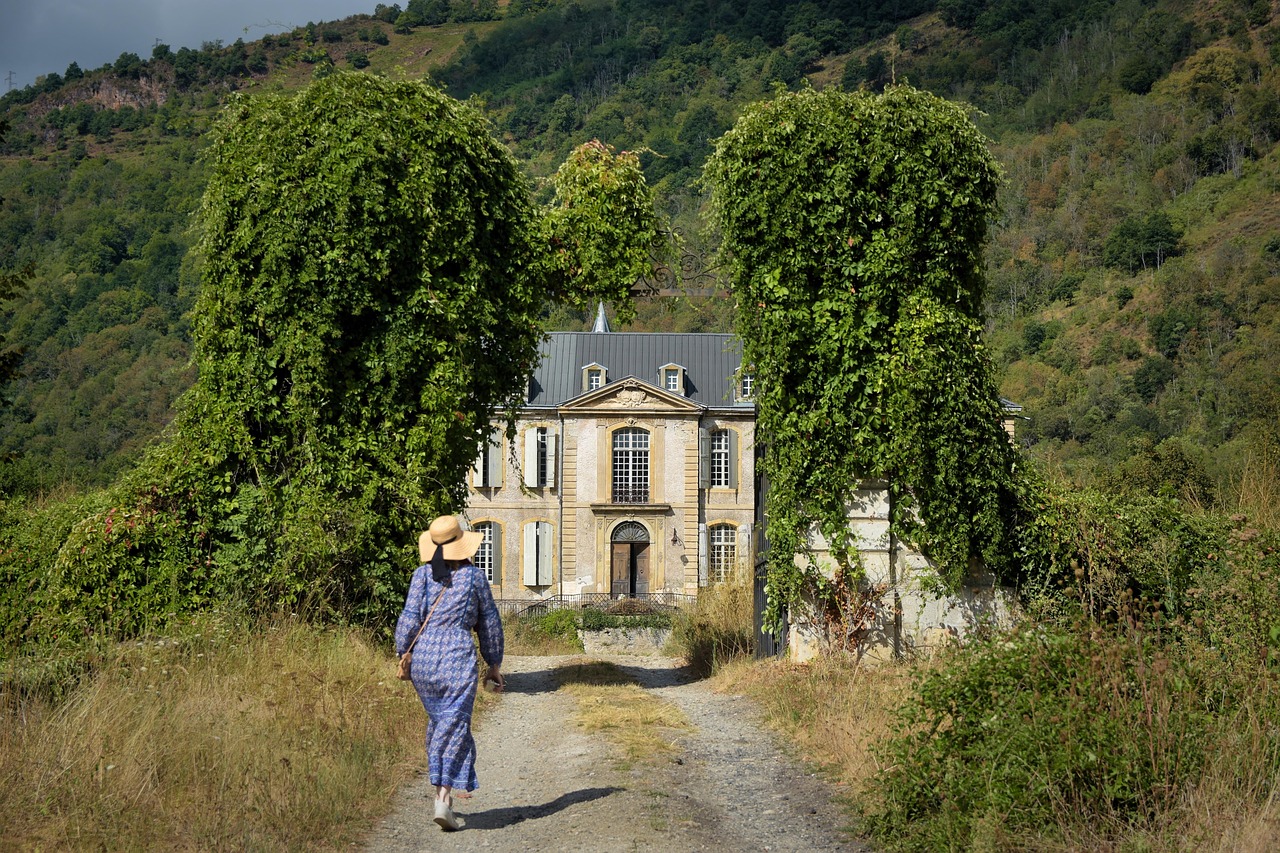
Oak Park is globally celebrated for its architectural heritage, boasting the world largest collection of Frank Lloyd Wright residences and magnificent Victorian estates along Forest Avenue, Chicago Avenue, and Lake Street. Homeowners caring for these historic properties understand that outdoor spaces should complement the architectural integrity of the era. Modern poured concrete sidewalks and asphalt walkways often feel jarring against century-old brickwork, limestone foundations, and Prairie School wood details. Installing authentic historic garden paths Oak Park IL homes deserve preserves period aesthetics while solving persistent soil compaction and drainage challenges. To view historically appropriate crushed aggregates delivered to local properties, visit our Oak Park gravel delivery page.
Historic properties feature mature canopies of heritage oak and maple trees whose shallow root networks suffer under concrete paving. When concrete is poured over surface roots, it cuts off soil oxygen and cracks as roots expand. Crushed stone walkways provide a flexible, permeable path that flexes over roots, breathes easily, and prevents garden mud. This guide details how to excavate around roots, lay geotextile, pack stone dust bases, and top with 3/8″ crushed walkway stone.
For municipal historic preservation guidelines and heritage tree protection standards in Cook County, consult:
Village of Oak Park Historic Preservation Commission (Source)
Why Mature Trees Demand Historic Garden Paths Oak Park IL Strategies
Native soil across Oak Park consists of heavy urban clay mixed with centuries of decayed leaf mould. Because many residential parcels feature towering trees that are over one hundred years old, the ground is laced with extensive feeder roots located just beneath the surface turf. When homeowners lay hard concrete slabs, heavy excavation cuts structural roots, and the unyielding pavement prevents rainwater from filtering into the root zone.
Furthermore, Chicago wet spring freezes and hot summer thaws cause rigid pavement to heave and crack along root lines. In contrast, loose aggregate pathways flex naturally with ground expansion. Water filters directly through the stone chips and underlying mineral fines into the subsoil, maintaining soil moisture for mature landscaping while giving visitors a firm, mud-free walking tread in every season.
- Authentic period walking surface with firm foot traction → walkway gravel
- Dense leveling subgrade and flagstone bedding foundation → stone dust
- Natural weed suppression and moisture retention in flower beds → bark mulch
- Heavy base foundation for garden borders and urn staging pads → crushed road base gravel
Browse pathway materials available in Oak Park
Best Materials for Oak Park Historic Walkways
| Path element | Recommended material | Why it works |
|---|---|---|
| Wearing surface | 3/8″ walkway gravel | Small angular chips interlock into a firm pedestrian tread that matches late 19th-century garden design |
| Compacted sub-base | Stone dust | Crushed mineral fines pack into a rigid, non-shifting platform that stops garden carts from rutting |
| Planting bed mulch | Bark mulch | Natural shredded hardwood enriches soil around heritage shrubs while complementing stone colors |
| Edging stabilizer | Road base gravel | Angular crushed stone provides firm support behind vintage brick or steel border edging |
Selecting crushed angular aggregates rather than smooth river gravel ensures walking paths stay firm underfoot without rolling like loose marbles.
Step 1: Layout and Hand-Excavate Around Tree Roots
Mark out winding garden paths using garden hoses, maintaining widths of three to four feet to accommodate pedestrian traffic. In Oak Park historic yards, avoid using heavy mechanical trenchers that tear through root systems. Hand-dig three to four inches of turf and topsoil using rounded spades. When encountering tree roots thicker than two inches, do not sever them; simply notch your path base over the root or bridge it with extra stone dust to protect tree health.
Step 2: Lay Separation Fabric and Place Stone Dust Base
Line the shallow trench with non-woven geotextile landscape fabric, running it up the inner sides of your borders. This fabric allows air and moisture exchange with the soil below while preventing native clay from contaminating the stone. Over the fabric, spread a two-inch layer of stone dust. Lightly mist the stone dust with water and compact with a hand tamper. The fine particles knit together into an unyielding, smooth platform. Our walkway gravel guide details how fine base aggregates support surface stone.
Homeowners restoring vintage residential walkways in nearby Berwyn utilize this exact hand-compacted stone method to protect heritage trees while eliminating path puddles.
Step 3: Install Historic Edging and Spread Walkway Gravel
Install vintage reclaimed brick or steel edging along the path, setting the top edge one-half inch above turf. Spread one to two inches of 3/8″ walkway gravel over the compacted stone dust and rake smooth. The angular chips nest together to produce a crunchy, period-accurate path that stays clean under leather shoes and boots.
Benefits of Local Delivery for Oak Park Historic Projects
- Dump trucks deliver bulk aggregate loads directly to alleys or driveways, preserving tight street parking
- Pre-screened angular crushed stone provides historical accuracy and superior walking stability
- Substantial financial savings per ton over buying hundreds of small plastic bags at retail centers
- Driver placement staging drops rock directly on protective boards to keep street gutters clear
How Much Pathway Gravel Will Your Project Require?
Calculating the aggregate needed for your garden path uses the standard cubic yardage formula: length in feet multiplied by width in feet multiplied by depth in inches, divided by 324. To convert cubic yards to tons, multiply by 1.4, as crushed walkway stone weighs approximately 2,800 pounds per cubic yard.
For example, if you are restoring an 80-foot long garden path that is 3 feet wide with a 3-inch layer of walkway gravel and stone dust, multiply 80 by 3 by 3 to get 720. Divide 720 by 324 to find that you need 2.22 cubic yards. Multiply 2.22 by 1.4 to calculate 3.11 tons of rock. Ordering 3.5 tons gives you extra aggregate to level low pockets around mature tree roots.
FAQ
Will 3/8″ walkway gravel roll into my lawn?
Unlike round pea gravel, 3/8″ walkway gravel consists of angular crushed chips that lock together. Sturdy brick or steel edging keeps stone contained in the path bed.
Can I push a stroller or wheelchair over crushed stone paths?
Yes, when 3/8″ walkway gravel is spread one inch deep over a firmly compacted stone dust base, it creates a firm surface that supports wheeled garden carts and strollers.
How do I clear autumn leaves off historic gravel paths?
Use a plastic tine rake with light pressure or a leaf blower on low throttle to sweep fallen maple leaves off the path without disturbing compacted stone.
Does crushed stone harm heritage tree roots?
No, permeable crushed stone allows air and water to reach underlying roots naturally, making it far healthier for trees than solid concrete or asphalt paving.
Final Thoughts
Restoring historic garden paths Oak Park IL homes showcase honors vintage craftsmanship while providing mud-free, permeable circulation through garden landscapes. By protecting root systems, compacting dense stone dust foundations, and topping with natural 3/8″ walkway gravel, your garden pathways will remain elegant, functional, and durable for generations to come. Review our aggregate delivery coverage across Cook County on our Illinois service area page.











