




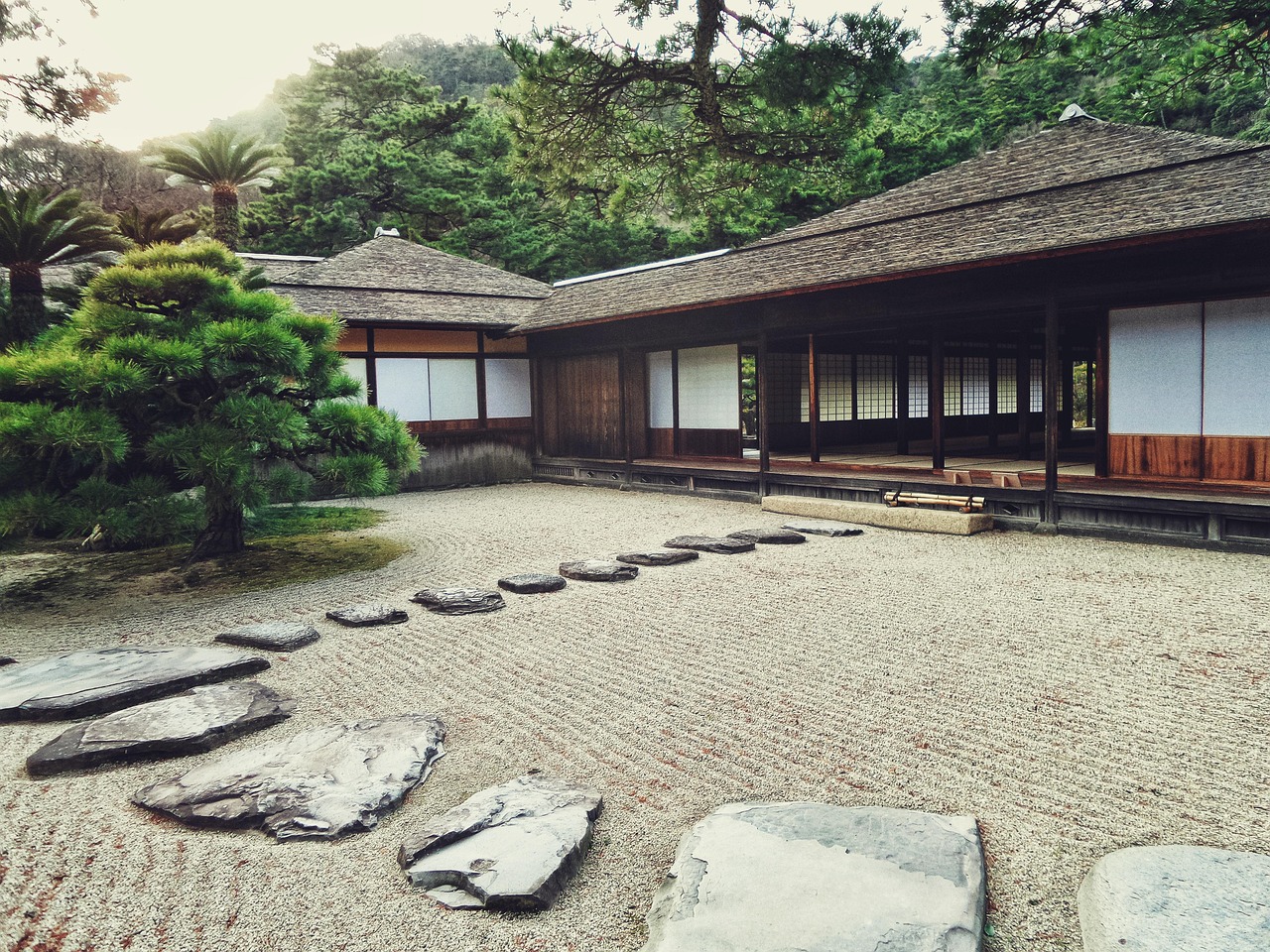
Zionsville is renowned for its brick-paved Main Street, historic architecture, and wooded lots along Eagle Creek. Homes in the Village feature cottage gardens and mature shade trees. In these historic settings, poured concrete sidewalks look stark, while dirt paths turn to mud during spring rains. Traditional garden path gravel Zionsville IN homeowners admire creates a permeable walkway harmonizing with historic architecture while draining surface water naturally. For bulk aggregate dispatch across Boone County, visit our Zionsville gravel delivery page.
A well-built gravel pathway provides comfortable footing and stops muddy shoes from tracking dirt inside. Unlike concrete that damages shallow tree roots, a flexible aggregate walkway allows air and rainwater to percolate into subsoil. This guide explores the best aggregate gradations for historic homes, detailing excavation, metal edging, sub-base compaction, and stone placement.
For municipal historic district guidelines, tree preservation ordinances, and residential landscape standards in Zionsville, consult:
Town of Zionsville Department of Public Works (Source)
Why Mature Properties Demand Quality Garden Path Gravel Zionsville IN Design
The native landscape of Zionsville was carved by Eagle Creek and glacial meltwaters, resulting in productive Fox and Crosby silt loam subsoils overlying dense glacial clay till. In older residential neighborhoods, decades of mature tree leaf litter have created rich surface humus, but the underlying clay drains slowly. When spring cloudbursts drop several inches of rain, shaded garden walkways remain soggy for days.
Furthermore, older homes often feature winding garden layouts that require flexible path geometry. Installing rigid masonry paving stones requires extensive cutting and excavation that can sever major tree roots. A permeable crushed gravel path conformed over heavy-duty landscape fabric flexes with seasonal ground movement, absorbs winter freeze-thaw cycles without cracking, and allows rainwater to filter directly into the soil. Selecting angular crushed stone that interlocks underfoot ensures a firm, non-shifting walking surface suitable for all seasons.
- Angular fractured chip stone that compacts into a stable walking surface → walkway gravel
- Fine limestone screenings that lock together for a rigid leveling sub-base → stone dust
- Dense-graded crushed limestone aggregate for structural foundation support → 1/4″ minus base gravel
- Clean washed stone for perimeter drainage strips and garden water features → #57 clean rock
Browse garden path materials available in Zionsville
Best Materials for Zionsville Historic Garden Walkways
| Walkway layer | Recommended material | Why it works |
|---|---|---|
| Comfortable top surface | Walkway gravel | Angular fractured facets lock together to provide stable footing that does not roll |
| Leveling sub-base | Stone dust | Packs firmly beneath surface stone to prevent foot indentations and wheel ruts |
| Compacted foundation | 1/4″ minus base gravel | Combines fine rock and dust to create an unyielding structural platform over clay |
| Underlying weed barrier | Woven geotextile | Stops stone from sinking into clay while permitting moisture and air flow to tree roots |
Layering angular walkway aggregate over a compacted stone dust base ensures walking paths remain firm and stable under daily foot traffic.
Step 1: Stake Winding Path Boundaries and Excavate Soil
Lay out paths using garden hoses or marking paint to create gentle curves around trees and beds. Path widths of three to four feet allow two people to walk comfortably. Excavate sod and topsoil down three to four inches, taking care not to sever major tree roots. Tamp the subgrade smooth.
Step 2: Install Steel Border Edging and Geotextile Underlayment
Install heavy-gauge commercial steel or aluminum landscape edging along both borders of the trench, securing with twelve-inch steel earth stakes. A crisp four-inch metal border keeps gravel contained and prevents turfgrass roots from invading the path. Line the excavated channel with commercial-grade woven landscape fabric, overlapping seams by eight to twelve inches and securing with steel earth pins. Homeowners installing elegant garden paths in neighboring Whitestown use this exact metal edging and fabric technique to preserve path alignment. Our walkway gravel guide details compaction ratings and border designs.
Step 3: Spread the Base, Screed the Surface, and Compact
Spread a one to two-inch leveling base of 1/4″ minus base gravel or stone dust across the fabric. Lightly spray with water and compact firmly with a plate compactor to create a stiff, level foundation. Spread a two-inch top course of angular walkway gravel, raking it smooth to within a half-inch of the top edge of your border restraints. Roll the surface lightly to seat the stones, creating a firm, non-slip pathway.
Benefits of Local Delivery for Zionsville Landscape Projects
- Bulk tandem dump trucks place high-tonnage stone directly on your driveway staging area
- Clean, precisely graded aggregates preserve delicate garden plantings from quarry dust
- Substantial cost savings over purchasing retail plastic bags at home improvement stores
- Convenient scheduling lets you stage path base and surface stone together for installation
How Much Path Gravel Will Your Garden Require?
Accurate material calculations prevent delays and keep equipment operators working smoothly. Measure path length and width in feet, multiply by desired depth in inches, and divide by 324 to determine total cubic yards. Multiply cubic yards by 1.35 to convert to tons for walkway stone or stone dust. For example, a 60-foot-long by 3-foot-wide garden path (180 square feet) installed with a 2-inch base layer of stone dust requires 180 times 2 divided by 324, equaling 1.11 cubic yards. Multiplying by 1.35 gives 1.50 tons. For the two-inch top course of walkway gravel, order another 1.50 tons (total 3 tons of aggregate) for complete coverage.
Frequently Asked Questions
What is the best garden path gravel Zionsville IN homeowners prefer for walking?
Angular three-eighths-inch walkway gravel is the top choice. Unlike rounded pea gravel that rolls like marbles underfoot, angular fractured stone locks together under pressure to provide firm, slip-resistant traction.
Will a gravel garden path harm nearby mature tree roots?
No. Crushed gravel paths are fully permeable, allowing rainwater and oxygen to reach underlying tree roots, unlike impermeable poured concrete or asphalt that suffocates roots.
How do I keep weeds from growing in a crushed stone walkway?
Always install heavy woven geotextile fabric beneath the stone base. Rake the path periodically to disrupt wind-blown seeds before they can establish roots in surface stone dust.
Can I push a wheelbarrow or lawnmower across a gravel garden path?
Yes. When installed over a compacted base of stone dust or 1/4″ minus, angular walkway gravel packs firmly enough to support rolling garden equipment and utility wheelbarrows without sinking.
Final Thoughts
Installing a traditional crushed stone walkway enhances the historic charm of your Zionsville landscape while providing a clean, mud-free garden route that endures through every season. By pinning heavy-duty geotextile underlayment, securing rigid metal edging, and compacting angular stone over a stable base, you build an enduring pathway that complements your home architecture. Browse our delivery network across Indiana to order bulk aggregate for your garden path project.











