




The Project Across Indiana
From the flat farmland of northern counties to the rolling hills of the south, property owners across Indiana encounter one common landscaping obstacle: dense, heavy clay soil. Glacial activity deposited deep layers of silt and clay across the state, creating subgrades that expand when soaked, turn slick under vehicle tires, and shrink into hardpan during summer heatwaves. Installing a residential driveway over untreated clay without adequate foundation support leads to rutting, potholes, and sinking gravel within a single winter. Building a dependable Indiana clay soil driveway base requires engineered aggregate layering, proper subgrade crowning, and geotextile separation to keep rock from disappearing into underlying mud.
- Road base gravel → Best for high-compaction structural sub-base support across heavy clay.
- Crushed run → Best for interlocking lower foundational lifts that bridge soft subsoils.
- 3/4″ minus base gravel → Best for smooth top grading and firm vehicle traction.
Learn more in our guide to road base gravel.
How Indiana’s Soil and Climate Shape This Project
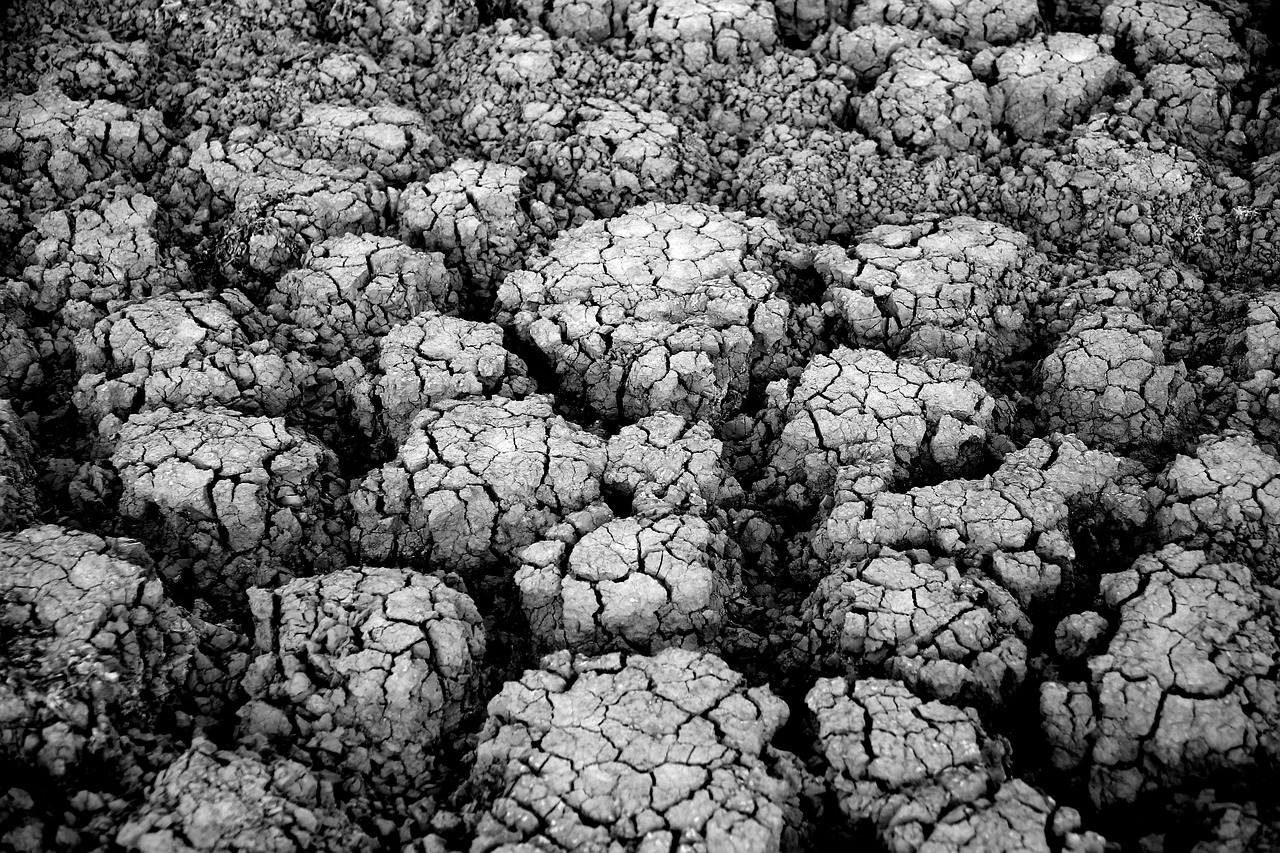
Indiana soils are dominated by heavy clay loam orders, including Crosby, Miami, and Brookston series. These soils contain fine clay platelets that absorb large quantities of moisture. When saturated during spring thaws and autumn rains, native clay loses shear strength, acting like semi-liquid paste under heavy tire loads. If gravel is spread directly over raw clay, passing vehicles force stones downward, churning soft mud upward until the stone layer vanishes completely.
The state experiences severe freeze-thaw cycles between December and late March. Frost penetration depths range from twenty-four inches in southern river valleys to thirty-six inches across central and northern counties. Subgrade moisture freezes into expanding ice lenses that lift driveway surfaces unevenly. When the thaw begins, the melting surface cannot drain downward through still-frozen deeper ground, creating a spongy subgrade. Installing an eight-to-twelve-inch compacted aggregate base breaks this capillary action, keeping your driveway raised and well-drained.
Best Gravel and Stone Options for Clay Soil Driveways
Selecting the proper aggregate gradation ensures your driveway forms a dense, load-bearing slab over unstable clay ground.
| Material | Best Used For | Key Advantage in Indiana |
|---|---|---|
| Road Base Gravel | Primary load-bearing sub-base lift | Fractured limestone and fines compact into an unyielding pavement crust. |
| Crushed Run | Deep stabilization layer over wet subgrades | Angular rock matrix bridges soft clay pockets without settling. |
| 3/4″ Minus Base Gravel | Intermediate leveling and driving surface | Provides smooth vehicle travel while shedding surface storm water. |
| #2 Crushed Stone (3″ Clean) | Sub-base bridging rock for soft mud zones | Open-graded large rock establishes structural ballast over wet clay. |
Road base gravel delivers unmatched stability over central Indiana clay. Its engineered ratio of 3/4-inch angular rock and limestone dust locks together under mechanical compaction, preventing stones from dislodging under steering maneuvers. For severely waterlogged parcels, placing a four-inch base of large #2 stone below your road base bridges saturated mud, creating a firm subsurface platform.
Step-by-Step Driveway Base Construction on Clay
Follow these construction steps to prepare a durable gravel driveway over Indiana clay soil.
- Excavate subgrade and strip topsoil: Excavate eight to twelve inches of topsoil down to undisturbed native clay subsoil. Similar excavation practices are used in Westfield.
- Crown the clay subgrade: Pitch the bare clay subgrade from the centerline outward toward drainage ditches at a three to four percent slope (one-half inch per foot). Never leave the excavated trench flat.
- Compact bare clay: Run a heavy roller or vibratory compactor over the bare subsoil to consolidate loose earth before laying stone.
- Install woven geotextile fabric: Lay high-strength woven geotextile fabric across the clay, extending fabric eighteen inches up trench sides. Similar stabilization fabric is installed for driveways in Zionsville.
- Place lower base aggregate: Spread four to six inches of crushed run or road base gravel, compacting thoroughly in two-inch layers with added moisture.
- Place and compact surface gravel: Add three inches of 3/4-inch minus base gravel, checking the centerline crown with a transit level. Similar finishing methods are applied in Mishawaka.
How Much Gravel Do You Need?
Calculate material volumes using standard industry formulas: Multiply driveway length by width by total stone depth in feet to find cubic feet, divide by 27 for cubic yards, and multiply cubic yards by 1.4 to calculate total required tons.
Consider a typical 100-foot-long by 12-foot-wide residential driveway (1,200 square feet) requiring a nine-inch (0.75-foot) compacted aggregate base:
1,200 sq ft × 0.75 ft = 900 cubic feet.
900 / 27 = 33.33 cubic yards.
33.33 × 1.4 = 46.66 tons.
Adding a ten percent compaction cushion brings the total requirement to approximately 51 tons of aggregate, which translates to two to three tri-axle truckloads.
Common Mistakes to Avoid Across Indiana
- Skipping woven geotextile fabric: Pouring gravel directly onto wet clay guarantees that rock will sink into the subsoil within two seasons.
- Grading the driveway trench flat: Flat trenches trap water beneath aggregate, softening underlying clay and causing structural potholes.
- Compacting gravel in one thick lift: Compactors cannot consolidate layers thicker than four inches; always build your base in multiple thin lifts.
- Using rounded river gravel: Smooth round stones roll under tires and cannot knit together to form a firm driving platform.
- Inadequate aggregate depth: Applying only three to four inches of gravel over clay leads to rutting during spring thaws.
Sourcing, Permitting, and Delivery in Indiana
Connecting a new driveway to a state or county highway requires a driveway entrance permit to verify sight lines and culvert sizing. Check local county highway department rules or consult technical road maintenance guidelines from the Purdue Extension for subgrade stabilization standards.
Ensure your site is accessible for heavy tri-axle dump trucks weighing up to thirty tons. Clear low-hanging branches and mark soft culvert edges before scheduling bulk stone drops.
Frequently Asked Questions
Why is geotextile fabric essential over Indiana clay soil?
Woven geotextile fabric acts as a physical barrier that prevents gravel from sinking into soft clay while stopping saturated mud from pumping upward into your aggregate base.
How thick should an Indiana clay soil driveway base be?
A residential driveway over clay requires eight to ten inches of compacted aggregate. Heavy agricultural lanes or commercial delivery routes require ten to twelve inches placed in multiple compacted lifts.
Can I fix a muddy clay driveway by adding more gravel on top?
No. Pouring gravel into mud without fabric separation only provides temporary relief. The new stone will quickly sink into the saturated clay subgrade.
What crown slope is best for shedding water on clay driveways?
Maintain a crown slope of three to four percent (one-half inch of vertical rise per horizontal foot from shoulder to centerline) to shed rainfall quickly into roadside ditches.
Related Resources
- Road Base Gravel Specifications
- Crushed Run Base Material Product Details
- 3/4″ Minus Base Gravel Specifications
- Comprehensive Road Base Material Guide
Final Thoughts
A properly engineered Indiana clay soil driveway base prevents costly rutting and keeps your property accessible through demanding Midwest winters. Explore diverse gravel and landscape stone services across Indiana to source certified limestone aggregates directly from regional quarries. Trust Simple Gravel to supply high-grade materials and support your driveway construction from start to finish.











