




The Project in Ypsilanti
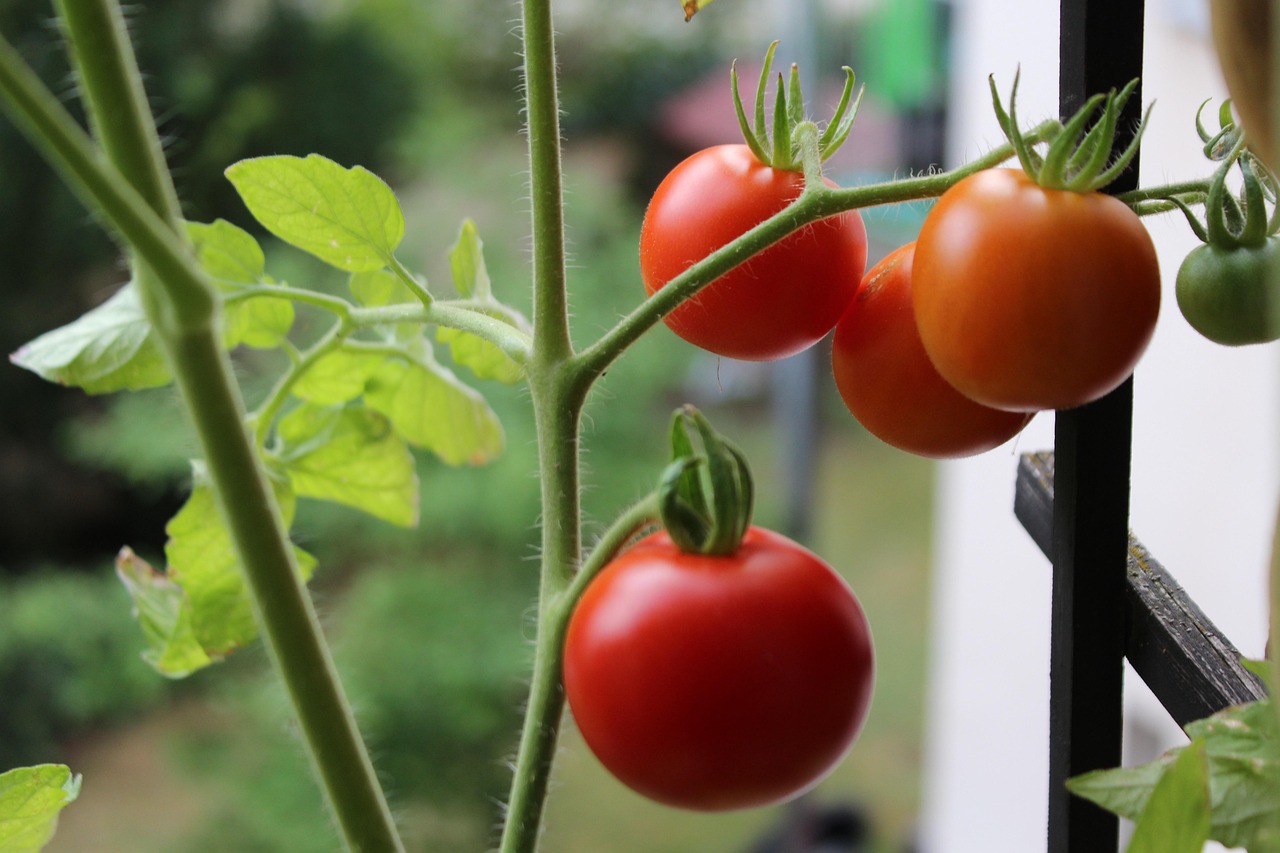
From Depot Town and Normal Park to homesteads along Forest Avenue, gardening is thriving in Ypsilanti. Homeowners transform backyards into food-producing spaces, harvesting heirloom tomatoes, peppers, and greens. However, growing vegetables in historic urban soils presents challenges. Decades of urban development often leave native soil compacted or containing legacy contaminants. Developing a safe, fruitful growing space requires raised garden planters filled with clean vegetable garden soil Ypsilanti MI mixtures, organic compost, and screened topsoil. Gardeners can streamline growing projects by scheduling reliable gravel delivery in Ypsilanti to source bulk growing media.
Selecting clean, nutrient-dense soils protects your family while maximizing seasonal crop yields. Browse popular materials for this area:
- Garden soil → Best for filling raised garden beds with a balanced blend of loam, sand, and organic nutrients.
- Compost soil → Best for enriching spent soil beds, boosting microbial activity, and improving moisture retention.
- Screened topsoil → Best for building foundational bed volume and blending deep root substrates.
Learn more in our guide to premium garden soil.
Why Ypsilanti’s Soil and Climate Shape This Project
Ypsilanti is situated along the Huron River valley, where native soils consist of glacial outwash and alluvial deposits belonging to the Boyer, Fox, and Sloan soil series. While valley soils feature sandy loam textures, residential lots in historic districts often contain compacted clay fills mixed with urban rubble. Furthermore, older urban lots built before 1978 frequently exhibit higher background levels of lead from historical paint chipping and vehicle exhaust. Constructing raised beds filled with certified clean imported soil creates an isolated, safe root zone above contaminated ground.
Southeastern Michigan experiences an average growing season spanning from mid-May to early October, with approximately 155 frost-free days. Heavy spring rains can leave dense urban clay cold and waterlogged, delaying early spring plantings of peas, spinach, and brassicas. Raised beds filled with loose, porous garden soil warm up two to three weeks earlier in spring, allowing earlier seed germination and rapid root development.
Best Soil Blends for Vegetable Beds in Ypsilanti
Choosing the right vegetable garden soil Ypsilanti MI blend balances moisture retention with root drainage for bountiful harvests.
| Material | Best Used For | Key Advantage in Ypsilanti |
|---|---|---|
| Enriched Garden Soil | Deep raised beds and intensive vegetable planters | Balanced porous structure provides immediate nutrients without compacting. |
| Organic Compost Soil | Top-dressing existing beds and heavy feeder enrichment | Supplies biologically active microbes that break down minerals for roots. |
| Screened Topsoil | Base layers for deep raised boxes and lawn repairs | Screened free of stones, sod clumps, and debris to provide stable bulk volume. |
| Bark Mulch | Walkway paths between garden beds and moisture retention | Suppresses urban weeds, prevents muddy boots, and conserves bed moisture. |
Premium garden soil is the ideal choice for vegetable boxes. A blend consisting of fifty percent screened topsoil, thirty percent organic compost, and twenty percent coarse builder sand or aged bark fines provides excellent water percolation while holding moisture in summer heat. For ongoing bed upkeep, spreading two inches of compost soil every autumn or early spring revitalizes depleted nutrients.
Step-by-Step Urban Raised Bed Installation
Create a productive, food-safe backyard garden in Ypsilanti with these proven steps.
- Select a sunny location: Pick a site with six to eight hours of direct sun. Similar garden planning is done in Saline.
- Build planter frames: Construct boxes twelve inches deep using cedar or hemlock.
- Line bottoms with cardboard: Lay corrugated cardboard across bare ground to block weeds.
- Fill lower third: Shovel in screened topsoil to create an economical base layer.
- Add garden soil: Fill upper layers with enriched garden soil to within two inches of the rim.
- Top dress with compost: Spread one inch of compost soil across the surface, raking smooth.
How Much Soil Do You Need?
Calculate bulk soil requirements using standard volume formulas: Multiply bed length by width by interior depth in feet to determine cubic feet, then divide by 27 to calculate cubic yards.
Consider three standard 4-foot by 8-foot raised vegetable beds in Ypsilanti that are 12 inches (1.0 foot) deep (96 square feet total area):
96 sq ft × 1.0 ft = 96 cubic feet.
96 / 27 = 3.56 cubic yards.
Because organic soils settle approximately ten to fifteen percent after initial watering, ordering 4.0 cubic yards ensures full planter boxes and provides extra soil for annual top-dressing.
Common Mistakes to Avoid in Ypsilanti
- Growing root vegetables in untested urban ground: Planting carrots or beets directly in old urban soil without testing risks heavy metal uptake; use raised beds instead.
- Filling raised planters with unamended clay topsoil: Dense native clay hardens like brick inside wooden boxes, restricting root growth and suffocating vegetables.
- Using cheap bagged filler with high bark mulch content: Unfinished wood scraps rob nitrogen from soil microbes, causing yellowing leaves and stunted vegetables.
- Overfilling beds flush with top edges: Leaving two inches of headspace prevents soil washouts during heavy summer downpours.
- Forgetting pathway weed control: Leaving bare dirt walkways between beds turns planting alleys into muddy weed patches during spring rains.
Local Sourcing, Permitting, and Delivery in Ypsilanti
The City of Ypsilanti supports urban agriculture and community gardens. Residential raised planters do not require municipal permits, provided they respect property setback boundaries. For vegetable soil testing and urban pest management resources, review technical bulletins from MSU Extension.
When scheduling bulk soil deliveries in dense urban neighborhoods, inspect driveway overhead clearance. Low electrical lines and hanging tree branches can obstruct dump truck hoists. Clearly mark your drop location before ordering bulk aggregate delivery in Ypsilanti.
Frequently Asked Questions
What is the ideal soil depth for vegetable garden beds?
Most annual vegetables, including tomatoes and peppers, need ten to twelve inches of root depth. Shallow-rooted crops like greens and radishes thrive in six to eight inches, while root vegetables prefer twelve to sixteen inches.
Can I reuse my raised bed soil year after year?
Yes. You do not need to replace your soil each spring. Simply amend the top three inches each season with rich compost soil and organic worm castings to restore depleted nutrients and organic matter.
Should I put landscape fabric at the bottom of a raised bed?
No. Plain corrugated cardboard is far superior to synthetic landscape fabric. Cardboard blocks perennial grass, decomposes naturally, and allows beneficial earthworms and deep plant roots to access subsoil moisture.
How do I test my urban backyard soil for heavy metals?
Collect five small soil samples across your garden area, mix them in a clean plastic container, and submit the sample to the MSU Soil and Plant Nutrient Laboratory for heavy metal screening.
Related Resources
- Garden Soil Specifications
- Organic Compost Soil Details
- Screened Topsoil Information
- Comprehensive Garden Soil Guide
Final Thoughts
Investing in fertile, screened vegetable garden soil Ypsilanti MI materials transforms your urban yard into a vibrant source of fresh organic produce. Review full gravel and landscape stone services across Michigan to source clean planting soils and decorative pathway stones. Contact Simple Gravel today to order your bulk soil and schedule your Ypsilanti gravel delivery with complete confidence.











