




The Project in Northfield
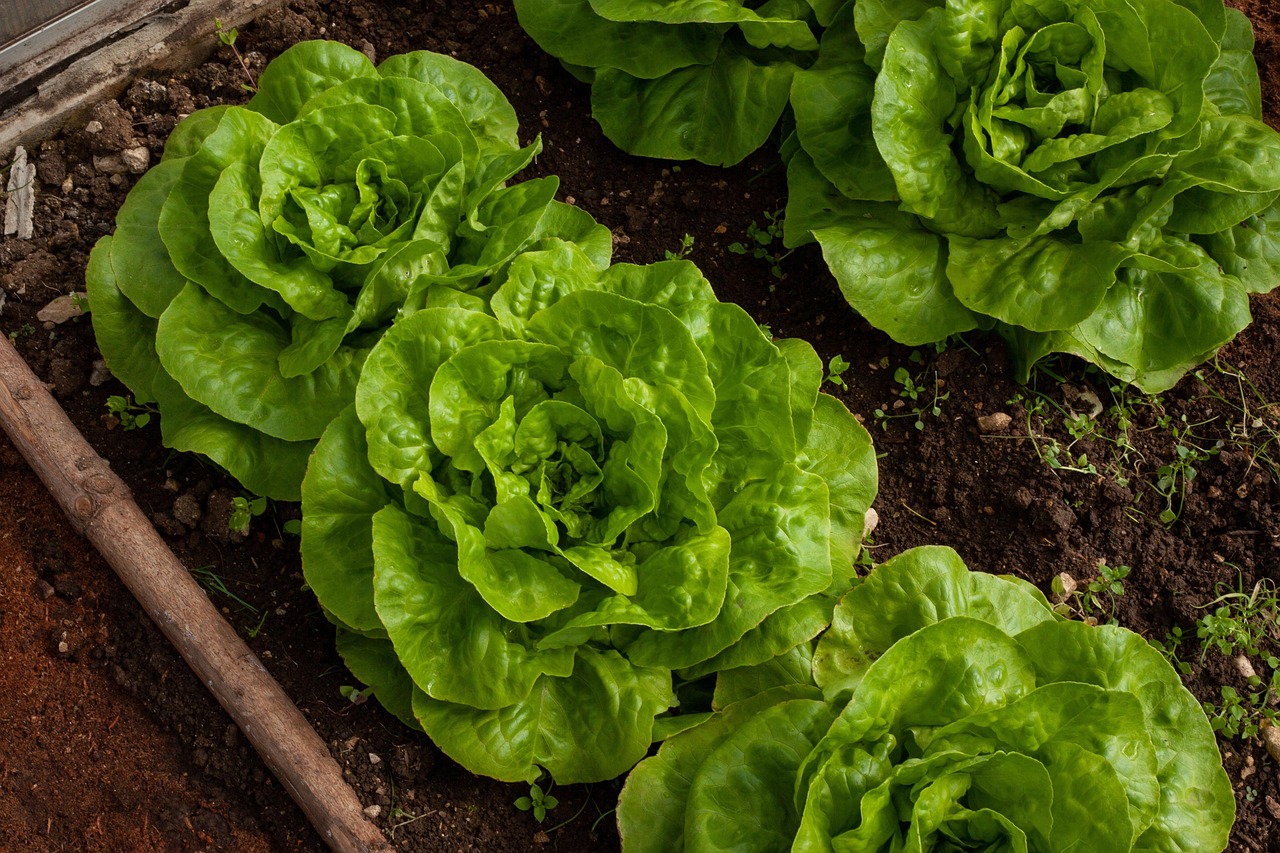
Northfield is famous for its agricultural heritage, scenic Cannon River valley, and vibrant culture around St. Olaf and Carleton colleges. Homeowners and community gardeners take pride in harvesting fresh tomatoes, peppers, and greens. However, cultivating vegetables in native soil presents challenges. Residential soils often suffer from heavy clay compaction or poor internal drainage that leaves ground soggy in spring. Building raised planting boxes filled with certified raised bed soil Northfield MN mixtures, organic compost, and weed-free screened topsoil provides the ideal environment for bountiful harvests. Gardeners can streamline their seasonal growing projects by ordering dependable gravel delivery in Northfield.
Selecting clean, nutrient-dense planting soils accelerates root development and increases seasonal vegetable yields. Browse popular materials for this area:
- Garden soil → Best for filling raised planter boxes with a balanced blend of loam, sand, and organic nutrients.
- Compost soil → Best for revitalizing spent garden beds, boosting microbial activity, and retaining moisture.
- Screened topsoil → Best for building foundational bed volume, deep planter fills, and repairing garden paths.
Learn more in our guide to premium garden soil.
Why Northfield’s Soil and Climate Shape This Project
Northfield lies within the rolling hills of Rice and Dakota counties, where native soils belong to the Lester, Le Sueur, and Cordova loam series. While naturally fertile, these glacial till soils possess dense subsoil clay layers that restrict vertical drainage during rainy spring months. Saturated clay compacts tightly underfoot, starving vegetable roots of oxygen and delaying spring planting by several weeks.
Southern Minnesota features a growing season of roughly 145 to 155 frost-free days. Deep planter boxes warm up two to three weeks faster in spring than native ground, giving warm-season crops like peppers and squash a vital head start. Incorporating blended garden soil rich in aged compost prevents crusting and maintains root aeration throughout wet springs and summer dry spells.
Best Soil Blends for Vegetable Beds in Northfield
Formulating the right blend of organic matter and mineral loam ensures your raised bed soil Northfield MN project yields vigorous root systems and healthy plants.
| Soil Material | Best Used For | Key Advantage in Northfield |
|---|---|---|
| Blended Garden Soil | Primary raised box planting mix | Balanced ratio of loam, sand, and compost provides moisture retention and root aeration. |
| Organic Compost | Annual bed amendment and mulch top-dress | Supplies essential nitrogen, trace minerals, and beneficial soil microbes for heavy feeders. |
| Premium Screened Topsoil | Base fill for deep planter boxes | Weed-free native loam provides lasting physical structure without rapid organic shrinkage. |
| Pea Gravel | Walking pathways between garden beds | Suppresses weed growth and provides a mud-free walking surface during spring rains. |
A classic blend for raised boxes consists of sixty percent premium screened topsoil, thirty percent organic compost, and ten percent coarse sand or perlite. This mixture maintains structural bulk, retains steady moisture without waterlogging, and releases essential plant nutrients throughout the summer growing season.
Step-by-Step Raised Bed Installation
Construct productive, long-lasting raised garden planters in Northfield using these systematic steps.
- Select a sunny site: Choose an area receiving at least six to eight hours of direct sunlight daily, situated away from mature black walnut trees. Similar site prep is used in Faribault.
- Assemble bed frames: Construct durable beds using rot-resistant cedar, hemlock, or food-grade corrugated metal, aiming for a depth of twelve to eighteen inches.
- Line base with hardware cloth: Staple half-inch galvanized hardware cloth to the bottom of frames to block burrowing pocket gophers and voles.
- Layer cardboard weed barrier: Lay thick corrugated cardboard over native turf inside the bed to smother perennial grass and weeds naturally.
- Fill with soil blend: Shovel in blended garden soil and compost in four-inch lifts, lightly tamping each layer to settle air pockets.
- Mulch surface: Top planted beds with two inches of clean straw or shredded leaves to conserve soil moisture and moderate root temperatures.
How Much Soil Do You Need?
Calculate raised bed soil volume using standard formulas: Multiply bed length by width by bed depth in feet to determine cubic feet, divide by 27 for cubic yards, and multiply cubic yards by 1.2 to calculate required tons.
Consider filling three raised planter boxes in Northfield, each measuring 4 feet wide, 8 feet long, and 1.5 feet deep (totaling 144 cubic feet across all three beds):
3 beds × (4 ft × 8 ft × 1.5 ft) = 144 cubic feet.
144 / 27 = 5.33 cubic yards.
5.33 × 1.2 = 6.40 tons.
Adding a ten percent settlement allowance yields approximately 7.0 tons of premium garden soil blend, delivered conveniently by dump truck to your driveway.
Common Mistakes to Avoid in Northfield
- Filling beds entirely with native yard dirt: Heavy clay soil dug from the yard compacts like brick inside planter boxes, suffocating delicate root systems.
- Using uncomposted animal manure: Fresh manure burns tender vegetable roots and introduces thousands of viable weed seeds into clean beds.
- Building beds wider than four feet: Wide planter boxes force gardeners to step on soil to reach the center, causing severe soil compaction.
- Neglecting gopher barriers: Southern Minnesota pocket gophers readily tunnel upward into raised boxes, consuming potato and carrot crops from below.
- Skipping seasonal compost replenishment: Organic matter naturally decomposes by twenty percent annually; top off beds each spring with fresh compost.
Local Sourcing, Permitting, and Delivery in Northfield
Constructing standard residential raised garden beds does not require building permits in Northfield. However, beds placed near property lines must respect municipal zoning setbacks and utility easements. For organic gardening recommendations and southern Minnesota planting calendars, consult resources from the University of Minnesota Extension.
Bulk soil deliveries require clear drop zones. Identify an accessible driveway or staging pad, mark overhead electrical wires, and spread heavy tarps before scheduling bulk soil delivery in Northfield.
Frequently Asked Questions
What is the ideal soil depth for raised bed vegetables?
Most vegetables thrive in twelve inches of soil. Deep-rooted crops like tomatoes, potatoes, and winter squash benefit from eighteen to twenty-four inches of depth.
Can I use bagged topsoil instead of bulk garden soil?
Bagged soil works for small planters but is expensive for large beds. Ordering bulk garden soil delivers superior quality, consistent texture, and substantial cost savings.
How do I prepare my raised bed soil for winter in Northfield?
Clear spent vegetable vines, top the soil with two inches of compost and shredded fall leaves, and plant winter rye or cover with burlap to protect microbes.
Do raised beds need drainage holes if built on hard ground?
Yes. If constructing beds over concrete or hardpan clay, ensure the frame base allows excess water to escape freely to prevent waterlogged root zones.
Related Resources
- Blended Garden Soil Specifications
- Organic Compost Product Details
- Premium Screened Topsoil Information
- Complete Garden Soil Guide
Final Thoughts
Investing in fertile raised bed soil Northfield MN blends transforms backyard gardening, providing superior drainage, earlier spring plantings, and abundant harvests. Explore our complete gravel and landscape soil services across Minnesota to discover quality topsoil, sand, and decorative stone. Contact Simple Gravel today to calculate your planting volume and schedule your Northfield soil delivery for an exceptional growing season.











