




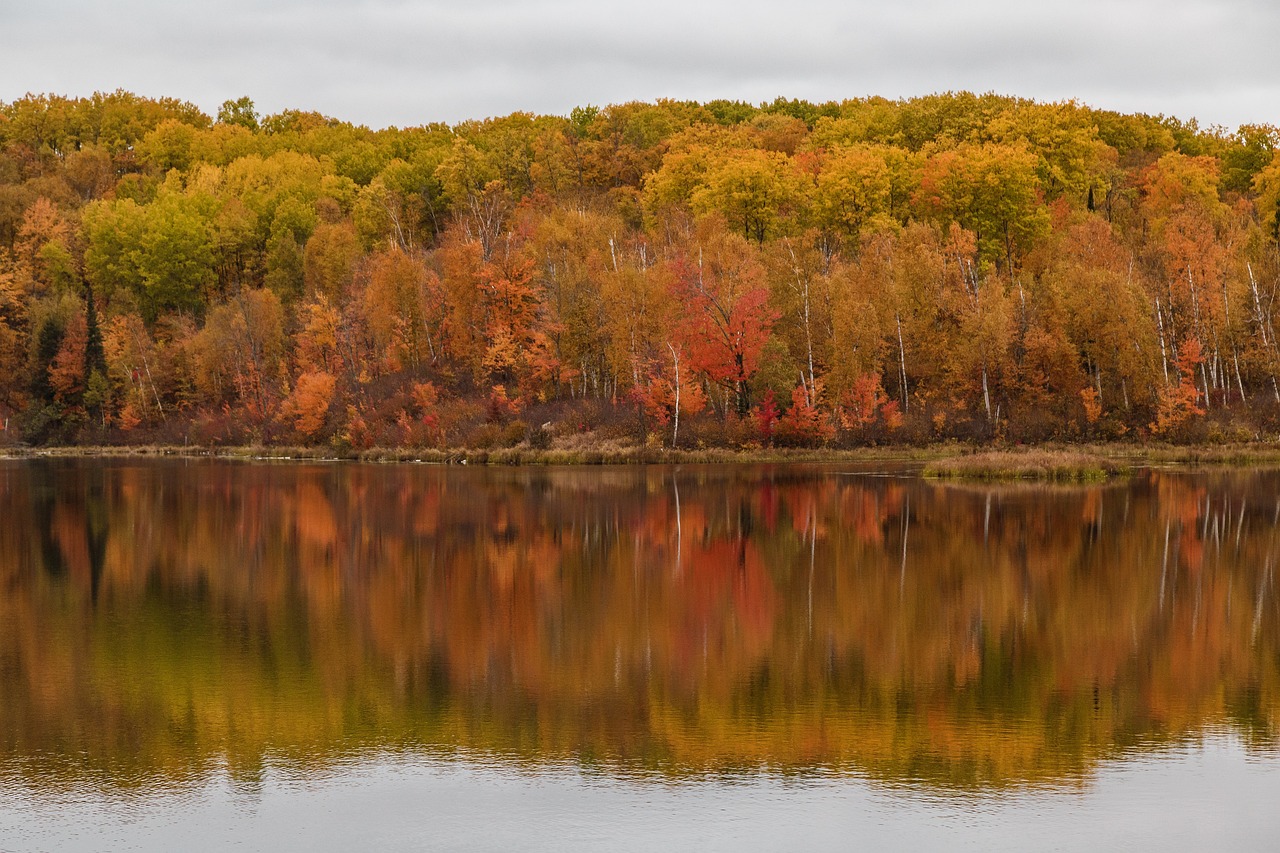
The Project Across Minnesota
Minnesota features over 11,800 natural lakes that define its outdoor heritage. Lakeside homeowners invest substantial care into shorelines. However, managing lakefront ground presents challenges. Boat wakes, summer storm waves, and winter ice ridges batter banks. Without stabilization, sandy loam and glacial till shear off, washing soil into the lake and destroying lawns. Installing a Minnesota shoreline stone riprap barrier using angular 1 1/2-inch clean rock, river rock, and #4 ballast stone over geotextile fabric halts erosion, stabilizes bank toes, and protects water quality. Property owners can source riprap stone through dependable gravel and landscape stone services across Minnesota.
Selecting durable aggregates creates wave-dissipating revetments that withstand shifting winter ice. Browse popular materials for this area:
- 1 1/2″ clean rock → Best for secondary filter layers and permeable bedding beneath large riprap armor stone.
- River rock → Best for decorative shoreline buffer accents, naturalized beach transition borders, and swale armoring.
- #4 crushed stone → Best for heavy angular ballast armoring along moderate wave-energy lakeshore shorelines.
Learn more in our guide to 1 1/2 clean rock.
How Minnesota’s Soil and Climate Shape This Project
Minnesota’s glacial shorelines feature outwash sand, silt, and peat. Saturated shoreline soils have low shear strength; when undercut by waves, bank sections slump into the water.
Minnesota winters introduce severe ice dynamics. Expanding lake ice pushes soil into ice ridges, while spring breakup grinds against unprotected banks. Installing a rock revetment sloped at two-to-one or three-to-one allows expanding ice to slide over the stone face without carving out the soil bank.
Best Aggregates for Shoreline Protection in Minnesota
Choosing proper stone sizes ensures your Minnesota shoreline stone revetment withstands wave action and meets environmental standards.
| Material | Best Used For | Key Advantage Across Minnesota |
|---|---|---|
| Fieldstone Riprap (6″ to 30″) | Primary outer wave armor face | Massive glacial boulders resist wave movement and ice sheet shoves without shifting. |
| 1 1/2″ Clean Crushed Rock | Filter bedding layer beneath riprap boulders | Open void structure cushions geotextile and prevents bank soil from piping through stones. |
| #4 Crushed Stone (2″ Clean) | Toe trench ballast and anchor stabilization | Angular fractured limestone locks into bottom sediment, securing the revetment base. |
| Washed River Rock (2″ to 4″) | Decorative shoreline borders and dry swales | Smooth rounded edges blend into natural landscapes while armoring runoff paths. |
Heavy glacial fieldstone riprap is the benchmark for Minnesota shorelines. Its irregular shapes knit together into an energy-dissipating matrix that breaks wave velocity. Placing an intermediate bedding course of 1 1/2-inch clean rock over heavy non-woven geotextile fabric prevents waves from sucking fine bank soils out from between the boulders.
Step-by-Step Shoreline Riprap Installation
Install a durable, DNR-compliant rock riprap shoreline across Minnesota with these systematic steps.
- Grade bank to safe slope: Reshape banks to a slope of two horizontal feet to one vertical foot (2:1 or flatter). Similar grading is standard in Stillwater.
- Excavate toe trench: Dig a trench twelve inches deep at the ordinary high water level (OHWL) to anchor the rock toe. Similar anchoring is used in Edina.
- Lay non-woven geotextile: Drape needle-punched geotextile across the slope and into the toe trench, overlapping seams by two feet.
- Place clean filter bed: Spread four inches of 1 1/2-inch clean rock over fabric to cushion it from large riprap boulders.
- Place riprap armor stone: Place interlocking boulders from the bottom toe upward along the bank. Similar revetments are built in Lakeville.
- Plant native buffer strip: Establish native sedges and shrubs directly above the stone crest to anchor upland soil.
How Much Shoreline Stone Do You Need?
Calculate shoreline stone tonnage using standard formulas: Multiply shoreline length by slope face length by rock depth in feet for cubic feet, divide by 27 for cubic yards, and multiply by 1.4 for tons.
Consider stabilizing a 75-foot shoreline in Minnesota with a 6-foot slope face (450 sq ft) requiring twelve inches (1.0 foot) of riprap over four inches (0.33 feet) of 1 1/2-inch bedding rock:
Riprap armor: 450 sq ft × 1.0 ft = 450 cu ft (16.67 cu yd × 1.4 = 23.33 tons).
Bedding rock: 450 sq ft × 0.33 ft = 148.5 cu ft (5.5 cu yd × 1.4 = 7.70 tons).
Adding ten percent for toe trenching yields approximately 26 tons of riprap boulders and 8.5 tons of 1 1/2-inch clean bedding stone.
Common Mistakes to Avoid in Minnesota
- Placing rock without geotextile fabric: Waves wash fine soil out from between bare stones, causing banks to collapse behind the rock.
- Building slopes steeper than two-to-one: Steep rock walls topple forward when hit by waves or expanding winter ice sheets.
- Failing to key the toe into lakebed: Unanchored bottom stones slide into lake sediment, causing the entire rock face to slump.
- Extending riprap too far up the bank: Covering entire banks with stone destroys native habitat; stop stone at the wave line and plant native sedges.
- Violating DNR shoreline rules: Installing riprap without checking Minnesota DNR general permit criteria can result in fines and removal orders.
Local Sourcing, Permitting, and Delivery Across Minnesota
The Minnesota Department of Natural Resources (DNR) regulates work below Ordinary High Water Level (OHWL). Under Minnesota Rules Chapter 6115, riprap is exempt from individual permits only if it meets strict criteria: stone must be natural fieldstone or quarry rock (6 to 30 inches), bank slope must be 2:1 or flatter, rock layer cannot exceed thirty inches thick, and stone cannot extend more than six feet waterward of the OHWL. Local watershed districts enforce additional rules. Review guides from the University of Minnesota Extension.
Coordinate aggregate delivery carefully. Heavy dump trucks require accessible driveway staging away from soft shoreline zones. Arrange delivery with dependable bulk stone haulers across Minnesota.
Frequently Asked Questions
Do I need a DNR permit to install riprap on my Minnesota lake lot?
If your project meets DNR general permit criteria (6-30 inch stone, max 2:1 slope, less than 200 feet long, and extending less than 6 feet waterward of OHWL), no individual permit is required.
Can I use crushed concrete for lake riprap?
No. Minnesota DNR regulations strictly prohibit asphalt, crushed concrete, and construction rubble for shoreline revetments. Only natural rock and clean quarry stone are permitted.
What prevents ice from pushing riprap boulders out of place?
Grading banks to a gentle slope (2:1 or flatter) allows expanding winter ice sheets to slide harmlessly up and over the stone face rather than pushing against a vertical wall.
Why is a geotextile fabric essential beneath shoreline rock?
Wave turbulence creates suction that pulls fine soil particles through rock gaps. Heavy non-woven geotextile traps soil in place while allowing water to flow freely.
Related Resources
- 1 1/2″ Clean Rock Specifications
- Natural River Rock Product Information
- #4 Crushed Stone Details
- Comprehensive Clean Rock Guide
Final Thoughts
Installing an engineered Minnesota shoreline stone revetment protects valuable lakefront property, stabilizes erosion-prone banks, and preserves the pristine water quality of Minnesota lakes. Explore our comprehensive gravel and landscape stone services across Minnesota to source certified fieldstone riprap, clean bedding aggregates, and river rock. Contact Simple Gravel today to calculate your shoreline stone requirements and schedule your delivery with complete confidence.











