




The Project Across Minnesota
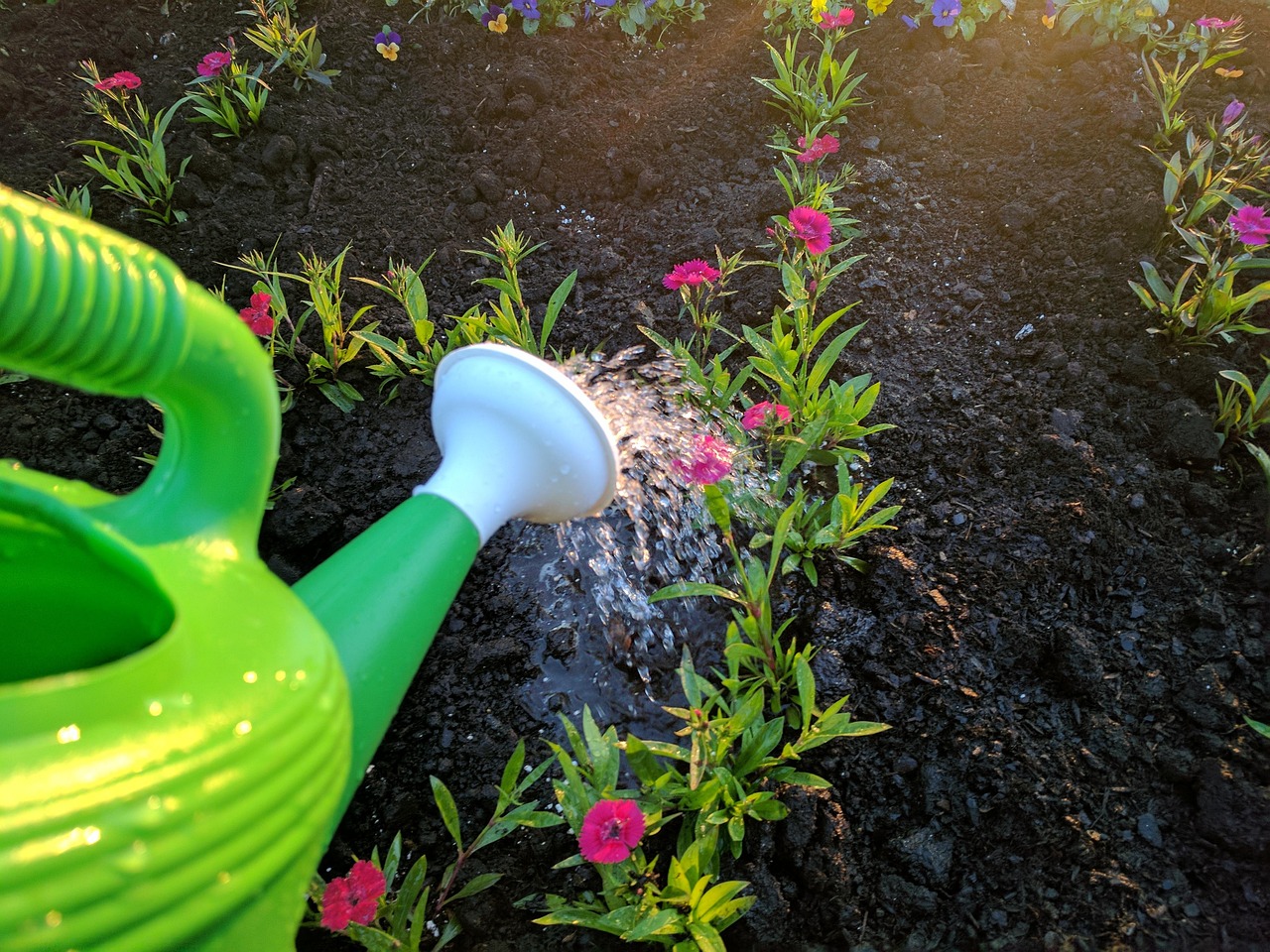
Gardening in Minnesota is a rewarding tradition, connecting growers with fresh produce and vibrant perennial flowers. From southern prairie soils to northern forest sands and Red River Valley clays, gardeners take pride in their plots. However, cultivating gardens requires adapting to demanding conditions. Gardeners struggle with sticky clay that holds cold moisture into spring, or outwash sand that leaches water and nutrients quickly. Amending native ground with bulk Minnesota garden soil, organic compost, and screened topsoil balances texture, introduces beneficial microbes, and accelerates root growth. Property owners can upgrade beds by ordering bulk soil through dependable gravel and landscape stone services across Minnesota.
Selecting nutrient-dense bulk soils ensures vigorous root systems and heavy seasonal crop yields. Browse popular materials for this area:
- Garden soil → Best for filling raised garden beds and planter boxes with a balanced blend of loam, sand, and organic matter.
- Compost soil → Best for revitalizing depleted native soils, boosting biological activity, and retaining moisture.
- Screened topsoil → Best for building deep foundational volume, leveling garden contours, and blending custom planting mixes.
Learn more in our guide to premium garden soil.
How Minnesota’s Soil and Climate Shape This Project
Minnesota includes three soil regions: dense clay till in southern counties, outwash sands in the central plain, and acidic forest loam in the northeast. Clay stays cold in spring, while sand lacks organic humus to hold nutrients.
Minnesota features a short growing season spanning 120 to 160 frost-free days. Cold spring soil delays seed germination and stunts roots. Adding dark organic compost and blended garden soil warms beds up to two weeks earlier in spring. Organic matter loosens clay for aeration and increases sandy soil moisture retention.
Best Soil Blends and Amendments for Minnesota Gardens
Matching soil amendments to your native soil type ensures your Minnesota garden soil delivers optimal plant nutrition throughout the growing season.
| Soil Material | Best Used For | Key Advantage Across Minnesota |
|---|---|---|
| Blended Garden Soil | Raised planting boxes and vegetable beds | Balanced mix of loam, sand, and compost provides root aeration and steady moisture. |
| Aged Organic Compost | Annual top-dressing and soil conditioner | Supplies nitrogen, beneficial microbes, and micronutrients for heavy vegetable feeders. |
| Premium Screened Topsoil | Base volume for deep planters and berms | Weed-free native mineral loam provides permanent physical bulk without decomposition shrinkage. |
| Coarse Concrete Sand | Breaking up heavy subsoil clay | Angular silica particles open pore channels in dense clay, preventing waterlogging. |
A classic universal soil recipe for raised planter boxes consists of sixty percent premium screened topsoil, thirty percent aged organic compost, and ten percent coarse sand or perlite. This mixture maintains physical bulk, prevents dense compaction, and retains consistent moisture without suffocating delicate root hairs.
Step-by-Step Garden Soil Preparation and Amending
Transform poor yard dirt into rich, fertile Minnesota garden soil across the state with these systematic steps.
- Test soil pH and fertility: Submit a soil sample to determine pH (target 6.2 to 6.8 for most vegetables) and baseline nutrient levels. Similar soil testing is common in Stillwater.
- Clear existing weeds and turf: Strip perennial weeds, sod, and rocks from the target garden footprint before amending. Similar bed prep is standard in Edina.
- Aerate compacted subgrade: Use a broadfork or garden spade to loosen the native subgrade to a depth of eight to twelve inches.
- Spread compost and topsoil: Spread a three-to-four-inch layer of aged organic compost and screened topsoil across the loosened area.
- Blend amendments into root zone: Till or fork amendments into the top eight inches of native soil to create a gradual transition zone. Similar soil mixing is used in Lakeville.
- Mulch planting surface: Top beds with two inches of clean straw, shredded leaves, or bark mulch to conserve moisture and regulate root temperature.
How Much Garden Soil Do You Need?
Calculate garden soil volume using standard formulas: Multiply bed length by width by soil depth in feet to get cubic feet, divide by 27 for cubic yards, and multiply cubic yards by 1.2 to calculate total required tons.
Consider filling four raised garden beds in Minnesota, each measuring 4 feet wide by 10 feet long and 1.5 feet deep (totaling 240 cubic feet across all four beds):
4 beds × (4 ft × 10 ft × 1.5 ft) = 240 cubic feet.
240 / 27 = 8.89 cubic yards.
8.89 × 1.2 = 10.67 tons.
Adding a ten percent settlement allowance yields approximately 11.7 tons of blended garden soil, delivered conveniently in a single dump truck drop.
Common Mistakes to Avoid in Minnesota
- Filling raised beds with un-amended clay: Native heavy clay compacts like concrete inside planter boxes, starving roots of oxygen.
- Adding fine sand to heavy clay soils: Mixing fine playground or masonry sand with native clay creates a dense mixture resembling mortar.
- Using fresh, un-composted animal manure: Un-aged manure burns tender plant roots and introduces thousands of viable weed seeds into clean beds.
- Tilling soil while soaking wet in spring: Working wet clay destroys natural soil aggregates, creating hard, dense clods that take seasons to break down.
- Ignoring annual organic replenishment: Soil microbes naturally consume twenty percent of organic matter annually; top off beds each spring with fresh compost.
Local Sourcing, Permitting, and Delivery Across Minnesota
Constructing backyard garden plots and raised planting boxes does not require municipal building permits in Minnesota. Gardeners should contact Gopher State One Call (call 811) before deep rototilling near buried utility lines. For regional planting calendars and vegetable pest management guides, consult technical resources from the University of Minnesota Extension.
Plan bulk soil delivery staging before trucks arrive. Tri-axle dump trucks require firm driveway pads or dry ground to discharge soil cleanly. Spread heavy poly tarps to protect driveway pavement before scheduling bulk soil delivery across Minnesota.
Frequently Asked Questions
What is the difference between topsoil, garden soil, and compost?
Topsoil is native screened mineral loam. Compost is fully decomposed organic matter. Garden soil is an engineered blend of topsoil, compost, and sand formulated for planters.
How do I improve heavy clay garden soil in Minnesota?
Incorporate two to three inches of aged organic compost and coarse sand every spring. Organic matter loosens clay particles, improving internal drainage and root penetration.
Can I reuse the soil in my raised beds every year?
Yes. You do not need to replace raised bed soil. Simply replenish spent nutrients each spring by raking in two inches of fresh organic compost soil and balanced organic fertilizer.
What is the ideal soil pH for Minnesota vegetable gardens?
Most common vegetables thrive in slightly acidic to neutral soil with a pH between 6.0 and 6.8, which maximizes nutrient availability for plant roots.
Related Resources
- Blended Garden Soil Specifications
- Organic Compost Product Information
- Premium Screened Topsoil Details
- Comprehensive Garden Soil Guide
Final Thoughts
Mastering your Minnesota garden soil with nutrient-rich compost, screened topsoil, and engineered garden blends creates healthy, aerated root environments that produce abundant vegetable crops and stunning floral displays. Explore our full range of gravel and landscape stone services across Minnesota to source high-grade soils, sand, and decorative aggregates. Contact Simple Gravel today to calculate your soil quantities and schedule your bulk delivery for a flourishing growing season.











