




The Project in Hernando
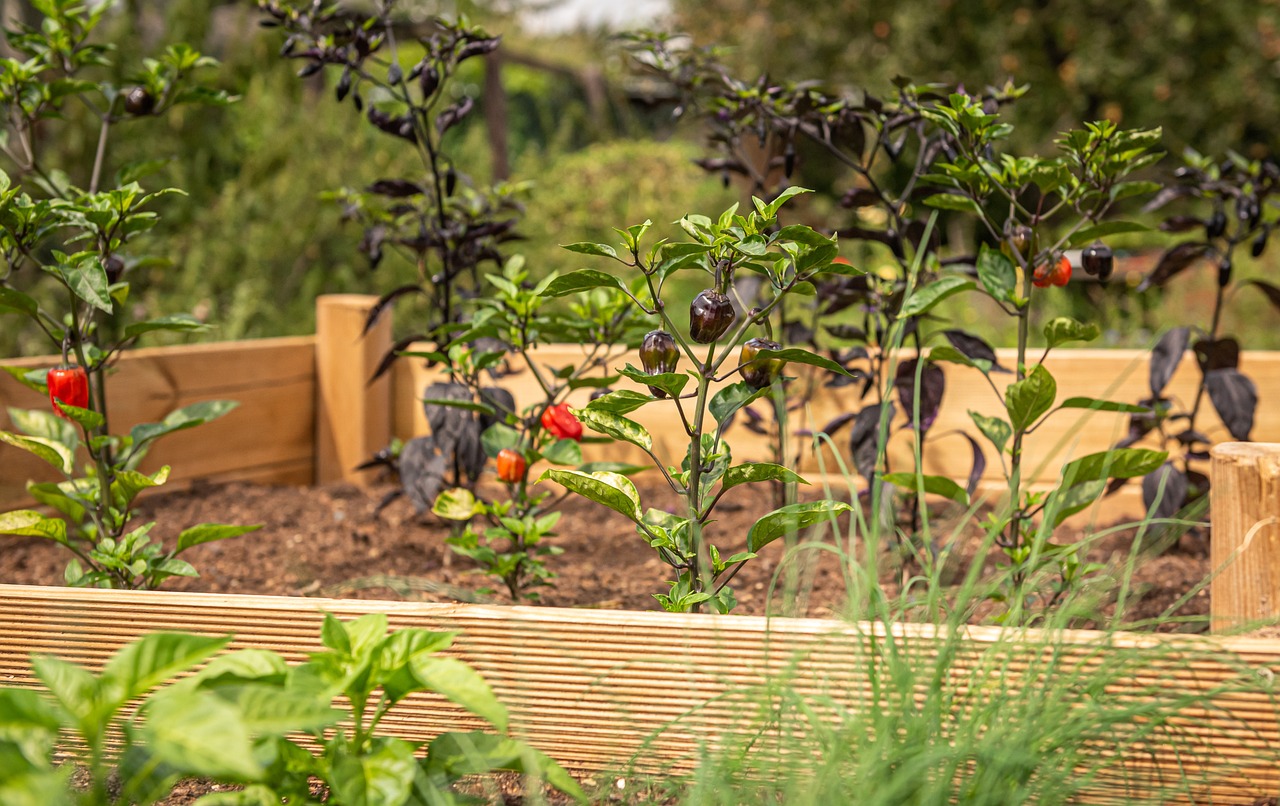
Cultivating lush vegetable patches and flower gardens in DeSoto County presents unique opportunities and challenges. Across Hernando, from historic downtown squares to acreage along McIngvale Road, backyard growers frequently encounter dense ground that restricts root growth. Native ground in northwestern Mississippi consists of windblown loess silt, which packs tightly under foot traffic and drains slowly after spring thunderstorms. Constructing raised planters filled with customized, nutrient-dense soil eliminates compaction hurdles and creates an ideal growing environment. Securing the ideal raised bed soil Hernando MS gardeners need starts with coordinating bulk delivery through dependable soil and gravel delivery in Hernando.
Selecting balanced bulk soil products provides organic fertility, moisture retention, and loose root structure. Browse popular materials for this area:
- Garden soil → Best for all-purpose raised bed planting, blending screened topsoil, rich organic humus, and mineral sands.
- Compost soil → Best for biological nutrient enrichment, revitalizing tired soil beds and improving microbial activity.
- Screened topsoil → Best for establishing bulk volume, leveling low ground spots, and blending custom planter mixes.
Learn more in our guide to premium garden soil.
Why Hernando’s Soil and Climate Shape This Project
Hernando is situated along the Loess Bluffs geological region. Native Memphis silt loams formed from fine windblown dust. While loess soil contains natural mineral fertility, its fine uniform particle size makes it vulnerable to physical compaction and surface crusting. When wet, loess turns into a slick paste that repels oxygen; when baked by midsummer heat, it hardens into an impenetrable crust.
DeSoto County experiences hot, humid summers with intense afternoon thunderstorms alternating with drought spells. In-ground roots suffocate during sudden downpours, while crusty silt loams prevent irrigation water from penetrating during dry weeks. Raised beds overcome loess limitations completely. Raising root zones ten to twelve inches above native grade ensures rapid drainage, prevents root rot during annual rainstorms, and warms soil weeks earlier in spring.
Best Soil Blends for Raised Beds in Hernando
Choosing proper soil blends ensures your raised bed soil Hernando MS installations maintain moisture, fertility, and airy root porosity across demanding growing seasons.
| Soil Product | Composition & Texture | Best Used For in Hernando |
|---|---|---|
| Custom Garden Soil Mix | 50% Screened topsoil, 30% organic compost, 20% coarse sand | Complete bed filling for vegetables, berries, and cut flowers. |
| Enriched Organic Compost | Dark decomposed organic plant matter and manure humus | Annual seasonal top-dressing and natural nutrient recharge. |
| Premium Screened Topsoil | Sifted mineral soil free of debris, stones, and weed roots | Base volume filler beneath customized compost layers. |
| Coarse Horticultural Sand | Washed sharp quartz sand grains | Blending into tight soils to enhance drainage and aeration. |
Step-by-Step Raised Bed Installation on Loess Soil
- Select sun exposure: Choose a level garden spot receiving six to eight hours of sunlight. Orient bed boxes north to south for even light distribution.
- Assemble rot-resistant bed frames: Construct planter frames using cedar, redwood, corrugated metal, or concrete blocks. Build walls twelve to eighteen inches high with a maximum width of four feet for easy weeding.
- Prep native loess ground: Loosen native silt loam beneath the bed footprint using a broadfork. This fractures hardpan soil without inverting subsoil, encouraging root growth.
- Lay a biodegradable weed barrier: Line the bottom with unprinted cardboard or brown paper. This smothers bermudagrass while allowing earthworms to enter the bed.
- Install internal base drainage: If building beds deeper than eighteen inches, place coarse branches and wood chips at the bottom to retain moisture during summer heat.
- Fill and blend growing media: Fill the frame with sixty percent screened topsoil and forty percent compost, or bulk garden soil. Rake smooth, leaving two inches of headspace, and water to settle media.
How Much Material Do You Need?
Accurate cubic yard calculations prevent ordering short or having surplus soil blocking your driveway. Soil volume is calculated using bed dimensions in feet:
Consider three raised garden boxes in Hernando, each measuring eight feet long, four feet wide, and one foot (1.0 foot) deep:
8 ft × 4 ft × 1 ft = 32 cubic feet per box.
32 cu ft × 3 boxes = 96 cubic feet total.
96 / 27 = 3.56 cubic yards.
3.56 × 1.20 = 4.27 tons.
Adding ten percent for natural settling after watering yields approximately 3.9 cubic yards (or 4.7 tons). Ordering four cubic yards in a bulk delivery provides sufficient soil to fill all three boxes with extra top-dressing for neighboring flower beds.
Common Mistakes to Avoid in Hernando
- Filling beds with unamended loess soil: Scraping yard topsoil into beds transfers dense silt that packs solid, defeating aeration.
- Using bagged potting mix for large beds: Buying retail bags is far more expensive than ordering clean bulk garden soil delivered by truck.
- Building planters wider than four feet: Wide beds force gardeners to step into planters during harvesting, compacting soil.
- Using synthetic weed barriers at bed bases: Plastic weed fabric prevents taproots from penetrating earth and traps standing water.
- Letting loess dry out completely: Silt soils that dry out become hydrophobic; mulch bed surfaces with straw to conserve moisture.
Local Sourcing, Permitting, and Delivery in Hernando
Constructing residential raised garden beds does not require municipal building permits in Hernando or DeSoto County. If constructing permanent masonry terraces over four feet high, review setback rules with the planning department. For vegetable planting calendars and soil testing kits, visit the Mississippi State University Extension Service.
Coordinate soil drop sites ahead of time. Heavy tandem trucks cannot drive across soft lawns without rutting sensitive loess turf. Place a tarp on a paved driveway or gravel pad when scheduling your Hernando bulk soil delivery.
Frequently Asked Questions
What is the ideal soil mix for raised vegetable beds in Mississippi?
A mix of sixty percent screened topsoil, thirty percent organic compost, and ten percent coarse sand provides optimal drainage, moisture retention, and root nutrition.
Do I need to dig out native soil before installing a raised bed?
No. Loosening the subgrade with a broadfork and laying cardboard over turf is sufficient. Cardboard decomposes while blocking weeds.
How often should I add fresh compost to my raised beds?
Add a one- to two-inch layer of organic compost every spring and autumn to replace nutrients consumed by vegetable crops.
Why do my raised beds settle after the first few weeks?
Bulk soil contains microscopic air pockets that naturally consolidate as water percolates through the profile. Ordering ten percent extra accounts for settling.
Related Resources
- Enriched Garden Soil Blend Specifications
- Organic Compost Soil Details
- Screened Topsoil Bulk Options
- Raised Bed Soil Preparation Guide
Final Thoughts
Constructing growing beds above dense loess silt transforms backyard gardening into an abundant, low-maintenance joy. Investing in high-quality raised bed soil Hernando MS homeowners rely on promotes vigorous root expansion, reliable drainage during summer deluges, and bountiful harvest yields season after season. Explore full Mississippi soil and landscape aggregate options to find screened topsoils, fertile composts, and decorative pathway gravels suited for DeSoto County properties. Connect with Simple Gravel today to calculate your cubic yardage and schedule convenient Hernando garden soil delivery services right to your driveway.











