




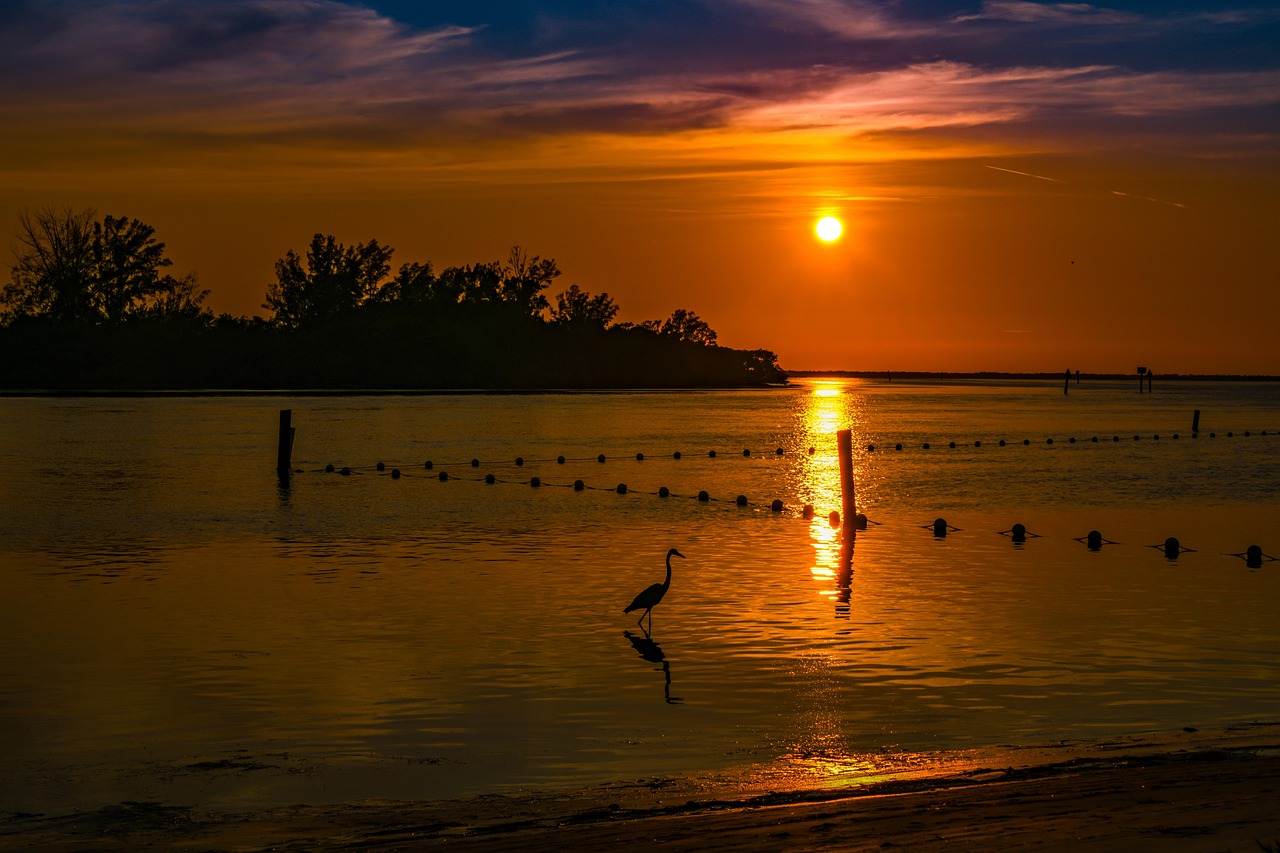
The Project Across Mississippi
Landscaping properties along the Mississippi Gulf Coast requires materials that endure challenging maritime environments. Properties across Jackson, Harrison, and Hancock counties face saline winds, tropical downpours, summer heat, and periodic hurricane storm surges. Organic mulches such as pine straw or wood chips deteriorate rapidly in humidity or float away during downpours, clogging storm drains. Mineral aggregates provide enduring, wind-resistant ground cover that never decomposes. Selecting the right Mississippi Gulf Coast landscaping stone allows coastal homeowners to create beautiful, salt-tolerant gardens, courtyard paths, and resilient gathering areas. Homeowners can arrange bulk aggregate deliveries through convenient gravel and landscape stone services across Mississippi.
Selecting clean, heavy aggregates provides natural wind ballast and excellent moisture permeability. Browse popular materials for this area:
- River rock → Best for heavy landscape beds, swale linings, and foundation borders, resisting high hurricane wind displacement.
- Pea gravel → Best for coastal garden walkways, fire pit patios, and decorative spaces, offering smooth barefoot comfort.
- Fill sand → Best for elevating low lawn depressions, backfilling retaining walls, and stabilizing paver foundations over wet subgrades.
Learn more in our guide to decorative river rock.
How Mississippi’s Soil and Climate Shape This Project
The Mississippi coastal zone features sandy, low-nutrient soils such as Eustis fine sands and marsh deposits. Native sands drain rapidly but have minimal cation-exchange capacity, meaning plant nutrients leach away during rains. Airborne salt spray blows inland, scorching foliage and breaking down low-grade landscape products.
Coastal counties receive over sixty-four inches of annual precipitation, frequently during tropical storms. High water tables cause flooding in low coastal zones. Organic mulches float away immediately, leaving bare mud. In contrast, heavy river rock and washed gravel remain firmly anchored during squalls. Over geotextile fabric, stone ground covers conserve soil moisture, reflect summer heat, and prevent coastal sand from blowing across paved surfaces.
Best Aggregates for Coastal Landscaping in Mississippi
Evaluating stone characteristics helps property owners choose materials that resist salt corrosion, withstand tropical weather, and enhance maritime architectural aesthetics with Mississippi Gulf Coast landscaping stone.
| Stone Material | Texture & Color Profile | Key Advantage on the Mississippi Coast |
|---|---|---|
| Washed River Rock (1″ to 3″) | Smooth, rounded multi-colored quartz stones | Heavy wind ballast resists hurricane winds; does not float away during coastal flooding. |
| Washed Pea Gravel (3/8″) | Naturally smoothed rounded gravel pellets | Permeable walkway surface that drains torrential rains instantly and stays cool underfoot. |
| Clean Coarse Fill Sand | Screened granular quartz sand grains | Stabilizes subgrades, raises low spots above water tables, and beddings paver flatwork. |
| Riprap Stone (4″ to 8″) | Heavy fractured angular rock | Armor stone for shoreline protection, retaining wall revetments, and tidal swales. |
Step-by-Step Coastal Stone Landscape Installation
- Clear and level the planting area: Remove turf and weeds. Grade soil to slope away from buildings toward swales. Coastal projects in Ocean Springs rely on grading to separate sand from stone.
- Install rigid border containment: Anchor heavy aluminum or concrete landscape curbing around all beds. Secure with steel pins every two feet to withstand surge currents.
- Install salt-tolerant maritime plantings: Plant salt-tolerant shrubs and perennials like yaupon holly and muhly grass. Enrich holes with compost. Gardeners in Madison use similar grasses for durable summer color.
- Lay non-woven geotextile underlayment: Roll out needle-punched geotextile fabric, cutting X-openings around plant trunks. Overlap seams by twelve inches and staple firmly. Avoid plastic sheeting that traps heat.
- Spread decorative stone mulch: Shovel two to three inches of washed river rock or pea gravel over fabric. Rake evenly, keeping stone below the border. Lawns in Hernando use river rock along drip lines to stop washouts.
- Rinse and settle installation: Hose down the stone to rinse away quarry dust and settle pebbles against the fabric.
How Much Material Do You Need?
Accurate stone calculations prevent under-ordering and keep landscape budgets on track. Bulk stone coverage is determined by total bed area and intended stone depth:
Consider a coastal front yard landscape bed in Mississippi measuring 300 square feet, requiring a three-inch (0.25-foot) layer of washed river rock:
300 sq ft × 0.25 ft = 75 cubic feet.
75 / 27 = 2.78 cubic yards.
2.78 × 1.35 = 3.75 tons of river rock.
Adding a standard ten percent allowance for irregular planting contours and edge filling results in approximately 4.1 tons of stone. A local tandem dump truck can easily deliver this quantity in a single convenient drop directly onto your driveway.
Common Mistakes to Avoid in Mississippi
- Using lightweight wood mulches near flood zones: Wood mulches float off during tropical rainstorms, scattering across roads and choking drains.
- Spreading stone directly on loose sand: Omitting geotextile fabric allows river rocks to sink into loose sand under foot traffic.
- Using soft limestone along beachfronts: Soft limestone degrades under acidic rains and salt aerosols; silica river rock is far more durable.
- Piling stone directly against plant stems: Keep stone mulch several inches away from shrub stems to prevent moisture rot.
- Neglecting border containment: Without border edging, pea gravel migrates onto turfgrass, posing mower projectile hazards.
Local Sourcing, Permitting, and Delivery Across Mississippi
Installing residential stone landscaping does not require building permits in coastal Mississippi. If constructing seawalls or revetments within tidally influenced waterways, obtain permits from marine resources and the Corps of Engineers. For salt-tolerant plant lists, review bulletins from the Mississippi State University Extension Service.
Plan aggregate delivery drop sites carefully. Gulf Coast streets feature sandy shoulders that cause heavy dump trucks to sink. Designate a firm driveway pad when arranging delivery through statewide suppliers.
Frequently Asked Questions
Why is river rock better than mulch on the Gulf Coast?
River rock does not float away during tropical storms, does not decompose in heat, resists salt spray, and provides wind ballast during hurricane season.
Can salt spray damage landscaping stone?
Hard quartz river rocks and granite are impervious to salt spray. Soft limestone can slowly pit over years of heavy coastal salt exposure.
How do I keep weeds out of rock beds?
Combining heavy geotextile fabric, rigid border edging, and periodic leaf blowing prevents weeds from establishing root holds.
Will river rock make coastal garden beds too hot?
Light-colored quartz river rocks reflect significant sunlight. Pairing stone beds with drought-tolerant native plants prevents heat stress.
Related Resources
- Washed Coastal River Rock Specifications
- Decorative Washed Pea Gravel Details
- Clean Screened Fill Sand Options
- Complete River Rock Landscaping Guide
Final Thoughts
Designing salt-tolerant, hurricane-resilient outdoor spaces along the Gulf Coast requires heavy, permeable materials that endure tropical weather without constant upkeep. Utilizing high-performance Mississippi Gulf Coast landscaping stone transforms vulnerable sandy yards into enduring, coastal-inspired retreats that retain their beauty year after year. Explore comprehensive gravel and landscape stone services across Mississippi to find premium river rock, pea gravel, and structural sand aggregates suited for coastal properties. Contact Simple Gravel today to calculate your stone quantities and schedule dependable bulk delivery directly to your job site.











