




The Project in Eureka
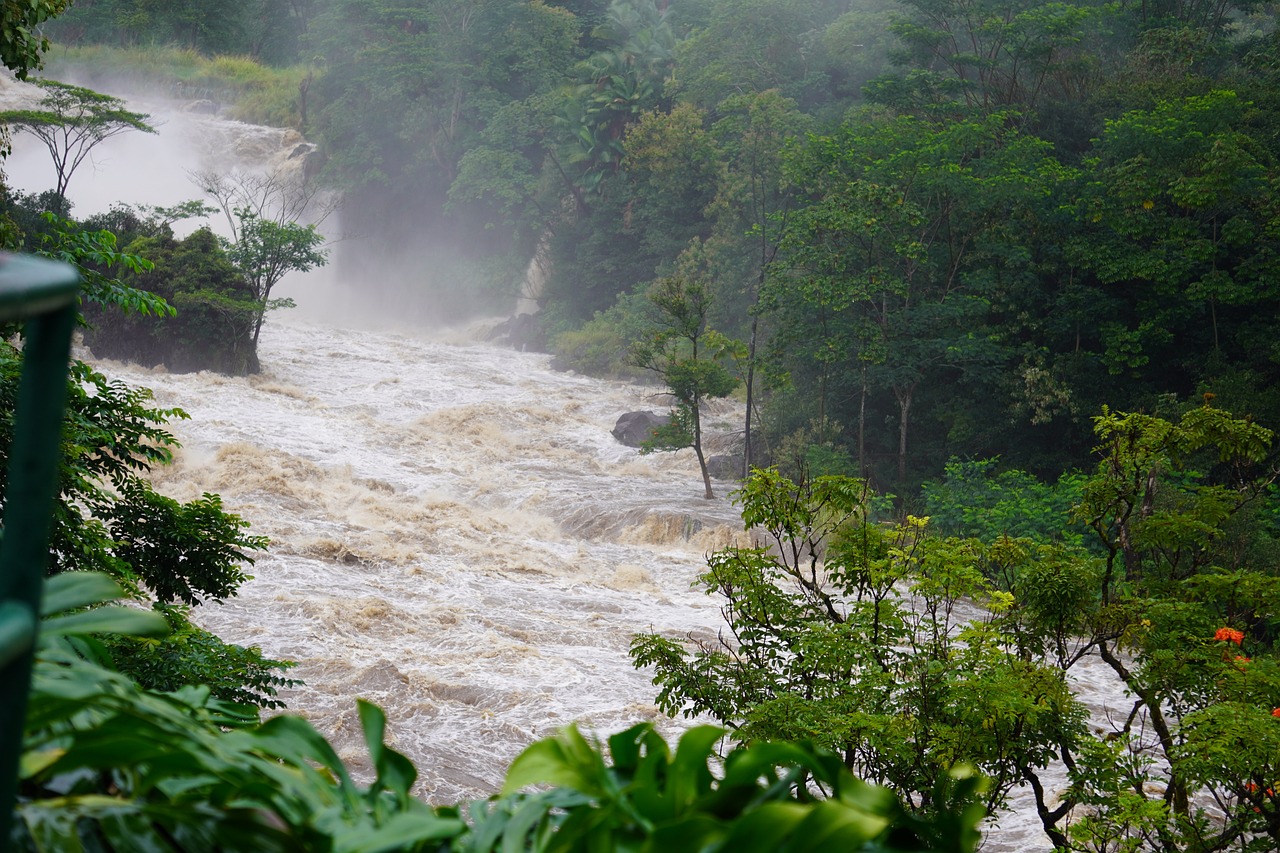
Eureka is bordered by the winding Meramec River and scenic Ozark foothills in southwestern St. Louis County. While the river provides boating and natural beauty, properties near Interstate 44, Allenton Road, and low-lying hollows along the Meramec River corridor face recurring flood hazards. Major historic flood crests submerge valley yards, depositing thick river mud, scouring topsoil, and floating away conventional landscape mulches. Traditional organic landscaping requiring annual replacement becomes an expensive frustration. Designing flood landscaping Eureka MO property owners can rely on requires using heavy mineral aggregates, washed drainage stone, and scour-resistant plantings that endure submergence and recover quickly once floodwaters recede. Homeowners can arrange delivery of resilient stone aggregates through dependable gravel delivery in Eureka.
Selecting heavy, rounded river stone and coarse fractured aggregates anchors landscape beds against strong river currents. Browse popular materials for this area:
- 1 1/2″ clean rock → Best for perimeter drainage channels, swale bottoms, and foundation splash pads that resist hydraulic scouring.
- River rock → Best for flood-zone decorative garden beds and ground cover, providing heavy stone ballast that never floats away.
- Fill sand → Best for filling scour pockets, stabilizing paver bases, and re-leveling utility trenches after floodwater recedes.
Learn more in our guide to clean drainage rock.
Why Eureka’s Soil and Climate Shape This Project
Eureka’s valley geography features deep alluvial silt loams and sandy flood deposits. These sediments are permeable but lack cohesion under high-velocity currents. When the Meramec River crests, receding waters strip unprotected topsoil down to raw subsoil.
Eastern Missouri experiences intense storms that trigger rapid flash rises in Meramec tributaries. Standard bark mulches float off immediately, scattering across roads and choking culverts. River silt also settles across flooded yards, smothering turf. Building a resilient landscape mandates using 1- to 3-inch river rock over geotextile fabric, engineered rock swales that convey currents safely, and heavy riprap to stabilize banks.
Best Materials for Flood-Resilient Landscaping in Eureka
Selecting appropriate mineral materials ensures your flood landscaping Eureka MO installation withstands river crests and requires minimal cleanup after waters recede.
| Material | Application in Flood Zones | Key Advantage in Eureka |
|---|---|---|
| Washed River Rock (1″ to 3″) | Primary decorative bed mulch and foundation borders | Heavy ballast resists river currents and hose-washes clean of flood silt. |
| 1 1/2″ Clean Drainage Rock | High-flow swales and culvert outfall aprons | Fractured open rock dissipates rushing water energy and prevents erosion. |
| Coarse Fill Sand | Re-leveling washed subgrades and paver bedding | Replaces scoured soil under flatwork and drains water rapidly after inundation. |
| Heavy Riprap Stone (4″ to 8″) | Riverbank stabilization and severe swale armoring | Provides heavy rock armor that withstands high-velocity Meramec River floodwaters. |
Step-by-Step Flood-Resilient Landscape Installation
- Assess flow vectors: Examine historic flood lines. Align landscape beds with water flow rather than building perpendicular dams.
- Excavate drainage swales: Shape shallow swales that guide receding waters toward channels without creating standing pools. Nearby properties in Wildwood use similar swales to disperse runoff safely.
- Install anchored borders: Anchor concrete curbing or steel edging around stone beds. Secure borders with steel pins driven flush with grade to prevent displacement.
- Lay geotextile fabric: Roll out non-woven geotextile fabric across bed areas, overlapping seams by eighteen inches and stapling securely against current peel.
- Spread heavy stone mulch: Shovel three to four inches of river rock over fabric. Keep finished rock level with borders so currents roll smoothly across.
- Incorporate flood-tolerant plantings: Install native species like river birch, buttonbush, and switchgrass with deep roots that anchor soil under moving water.
How Much Material Do You Need?
Accurate stone calculations ensure complete bed coverage with adequate depth to prevent flood displacement:
Consider a flood-zone landscape bed in Eureka measuring 400 square feet, requiring a three-inch (0.25-foot) layer of heavy washed river rock:
400 sq ft × 0.25 ft = 100 cubic feet.
100 / 27 = 3.70 cubic yards.
3.70 × 1.35 = 5.0 tons of river rock.
For high-velocity swales lined with 1 1/2-inch clean rock at a four-inch depth (0.333 feet) over 200 square feet: 200 × 0.333 = 66.6 cubic feet / 27 = 2.47 cubic yards × 1.35 = 3.33 tons. Ordering bulk tandem truckloads delivers necessary tonnages efficiently.
Common Mistakes to Avoid in Eureka
- Using lightweight wood mulches: Wood bark and mulch float away during minor flooding, creating expensive debris and leaving bare mud beds.
- Installing shallow stone layers: Thin gravel layers under two inches can be moved by swift river currents; maintain a three- to four-inch depth for ballast.
- Building raised berms across flood vectors: Constructing soil berms perpendicular to river flow creates dams that trap floodwater against foundations.
- Skipping geotextile underlayment: Heavy stone placed over bare silt sinks into saturated mud during prolonged river inundation.
- Planting fragile non-native shrubs: Sensitive ornamental plants rot when submerged for multiple days; always choose flood-adapted native varieties.
Local Sourcing, Permitting, and Delivery in Eureka
Standard landscaping and stone bed installations on private property do not require building permits in Eureka. However, if your property lies within the designated FEMA 100-year regulatory floodway of the Meramec River, any substantial grading, retaining wall construction, or net fill importation requires a Floodplain Development Permit from the City of Eureka Planning and Zoning Department. For regional flood mitigation strategies and native riparian plant recommendations, consult the University of Missouri Extension.
Prepare your delivery unloading area in advance. Eureka valley lanes can be narrow, and delivery trucks require firm, level ground. Coordinate an unloading drop site on a concrete driveway or firm gravel pad when arranging delivery with an Eureka aggregate supply service.
Frequently Asked Questions
Why is river rock better than wood mulch in flood zones?
River rock is heavy enough to resist being swept away by flood currents, does not decompose during prolonged submersion, and can be hosed clean of river silt once waters recede.
How do I clean river rock after a flood?
Once floodwaters drop and silt dries, use a pressure washer or strong garden hose spray to wash river silt down through the rock into the drainage subgrade.
What stone size resists fast-moving flood currents best?
Large 1- to 3-inch river rock and 1 1/2-inch clean fractured stone provide excellent current resistance for landscape beds, while 4- to 8-inch riprap is recommended for vulnerable shorelines.
Do I need a permit to landscape in the Meramec floodplain?
Surfacing existing beds with rock does not require permits. Importing significant fill dirt or raising yard grade in regulatory floodways requires city engineering approval.
Related Resources
- 1 1/2″ Clean Drainage Rock Product Details
- Decorative Washed River Rock Specifications
- Clean Screened Fill Sand Options
- Drainage Stone and Erosion Control Guide
Final Thoughts
Living near the Meramec River requires landscape designs that work with river dynamics. Installing durable flood landscaping Eureka MO homeowners rely on protects topsoil from scour and ensures properties recover quickly after river crests. Explore complete Missouri aggregate and stone delivery options for river rock, drainage stone, and riprap. Reach out to Simple Gravel today to calculate stone quantities and schedule delivery through experienced Eureka landscape stone supply providers.











