




The Project in Republic
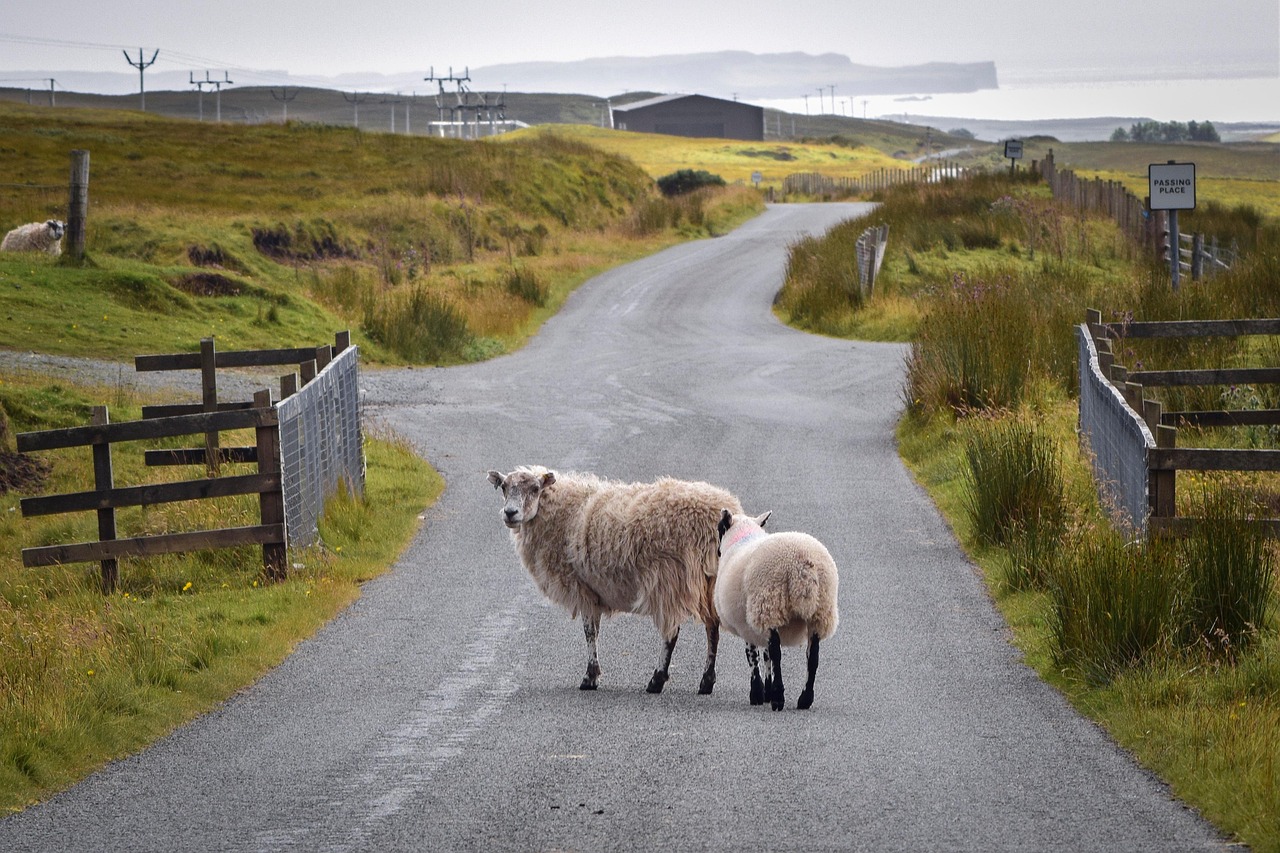
Republic is surrounded by scenic rolling countryside in southwestern Greene and Christian counties. Rural acreage near Highway 60, Farm Road 170, and Brookline features active hobby farms, horse barns, livestock runs, and detached machinery outbuildings. Managing a rural property requires dependable vehicle access year-round. Unpaved farm roads and unlined barn entrances quickly turn into impassable mud troughs during wet Ozarks springs, trapping tractors, horse trailers, and feed trucks. Installing durable farm lane gravel Republic MO landowners depend on establishes a reinforced, crowned roadbed that resists heavy axle rutting and drains surface runoff away from livestock facilities. Building long-lasting farm access requires excavating subgrade clay, laying heavy-duty geotextile fabric, compacting dense crushed limestone road base, and surfacing with recycled millings or angular stone. Property owners can schedule commercial aggregate deliveries through dependable gravel delivery in Republic.
Selecting angular stone aggregates creates an interlocking structural platform that withstands heavy agricultural machinery. Browse popular materials for this area:
- Road base gravel → Best for farm lane structural foundations, combining crushed stone chips and mineral dust into a watertight crust.
- Asphalt millings → Best for long access roads and barn approaches, binding under summer heat into an economical, dust-free driving surface.
- #4 crushed stone → Best for stabilizing saturated cattle gates, manure staging areas, and soft mud pockets across paddocks.
Learn more in our guide to road base gravel.
Why Republic’s Soil and Climate Shape This Project
Republic sits on the Springfield Plateau where native soils formed from cherty limestone. Fine silt topsoils overlie plastic red clay that loses bearing capacity when saturated by snowmelt and spring rains, allowing equipment to churn lanes into mud.
Southwest Missouri experiences intense thunderstorms that drop inches of rain in hours, followed by hot summers. Without a center crown, storm runoff follows wheel tracks, carving deep ruts down slopes. Dry dirt lanes also generate dust clouds that coat livestock. Resilient farm lanes require woven geotextile fabric, eight inches of compacted limestone road base, and ditches that intercept hillside runoff.
Best Aggregates for Farm Lanes and Barn Pads in Republic
Comparing aggregate options helps property owners selecting farm lane gravel Republic MO materials choose the right blend for livestock safety and machinery traffic.
| Material | Recommended Application | Key Advantage in Republic |
|---|---|---|
| Road Base Gravel (Class 5) | Primary lane core and barn pad foundation (6-8 inches) | Fractured limestone chips and binder dust compact into an unyielding, watertight road base. |
| Recycled Asphalt Millings | Top wearing surface on long access roads | Binds under vehicle traffic and summer sun, eliminating gravel dust and washboarding. |
| #4 Crushed Stone (2″ Clean) | Subgrade ballast over deep mud seams and gates | Heavy angular ballast bridges saturated clay without sinking into subgrade mud. |
| Screened Limestone Screenings | Interior horse stall flooring and animal footing | Packs into a firm, non-slip floor that drains urine while remaining gentle on animal hooves. |
Step-by-Step Farm Lane and Barn Pad Construction
- Clear corridor and grade: Clear vegetation twelve to fourteen feet wide. Crown the subgrade with a four percent slope toward swales.
- Excavate roadside ditches: Dig swales parallel to the lane. Install culverts at crossings. Nearby properties in Battlefield use similar culverts to maintain paddock access during storms.
- Roll out geotextile fabric: Lay woven geotextile fabric across the subgrade, overlapping seams by two feet. This fabric distributes tractor loads and prevents stone sinking into clay.
- Stabilize soft mud pockets: Over gate areas, place four inches of #4 crushed stone directly over fabric. Roll to key rock into place.
- Place and compact road base: Spread six to eight inches of road base gravel in two lifts. Moisten and compact with a roller until completely firm.
- Apply surface wearing course: Spread three inches of asphalt millings across the crowned base. Roll thoroughly to create a dense driving surface.
How Much Material Do You Need?
Accurate material calculations prevent costly project delays on long rural drives:
Consider an agricultural farm lane in Republic measuring 200 feet long, 12 feet wide (2,400 square feet), requiring six inches (0.50 feet) of compacted road base gravel:
2,400 sq ft × 0.50 ft = 1,200 cubic feet.
1,200 / 27 = 44.44 cubic yards.
44.44 × 1.40 (compacted limestone density factor) = 62.22 tons.
For a three-inch surface wearing course of asphalt millings:
2,400 sq ft × 0.25 ft = 600 cubic feet / 27 = 22.22 cubic yards × 1.30 = 28.89 tons.
Adding ten percent for ditch tie-ins and compaction density yields approximately 68 tons of road base and 32 tons of surface millings (roughly five tandem truckloads total).
Common Mistakes to Avoid in Republic
- Pouring gravel directly on native clay: Spreading stone without geotextile underlayment allows heavy tractors to punch gravel straight into red mud within months.
- Building flat lanes without center crown: Flat lanes trap standing rainwater in wheel tracks, creating potholes and washouts during rainy seasons.
- Omitting ditch maintenance: Allowing pasture grass and brush to choke side ditches forces water onto the road shoulder, softening the subgrade.
- Using uncrushed round creek gravel: Smooth river stone rolls like ball bearings under heavy livestock trailers and washes into ditches during storms.
- Compacting road base bone-dry: Crushed limestone must be moistened before rolling to activate mineral fines for maximum compaction density.
Local Sourcing, Permitting, and Delivery in Republic
Maintaining private farm lanes does not require permits in Republic or Greene County. Connecting a new lane to a county road requires a culvert permit from the highway department. For road guidelines, consult the University of Missouri Extension.
Coordinate delivery staging in advance. Rural drives feature gates and soft shoulders. Designate a firm unloading pad when scheduling your Republic aggregate supply service.
Frequently Asked Questions
What is the best gravel for agricultural lanes and horse trailer parking?
Crushed road base gravel (Class 5 limestone) topped with asphalt millings or crushed run is best. It compacts into a dense, interlocking road crust that supports heavy equipment without rutting.
Why are asphalt millings popular for rural Missouri farm lanes?
Asphalt millings are economical, bind under sun and vehicular traffic into a semi-solid pavement, produce far less dust than limestone, and resist erosion on sloping ground.
How thick should a gravel pad be under a pole barn?
A minimum of six to eight inches of compacted road base gravel over geotextile fabric is recommended to provide a level, dry, moisture-resistant floor for equipment and livestock.
Do I need geotextile fabric on farm roads?
Yes. Heavy woven geotextile fabric prevents heavy farm trucks and tractors from driving expensive gravel aggregate down into soft subgrade clay.
Related Resources
- Road Base Gravel Class 5 Specifications
- Recycled Asphalt Millings Product Details
- #4 Coarse Ballast Stone Information
- Farm Road Construction and Base Guide
Final Thoughts
Constructing dependable farm lanes protects agricultural machinery, keeps livestock dry, and ensures year-round property access. Investing in farm lane gravel Republic MO solutions with geotextile fabric, compacted road base, and crowned surfaces prevents rutting and eliminates gravel replacement. Explore complete Missouri aggregate and stone delivery options for limestone, asphalt millings, and ballast stone. Contact Simple Gravel today to calculate tonnages and schedule delivery through trusted Republic stone supply specialists.











