




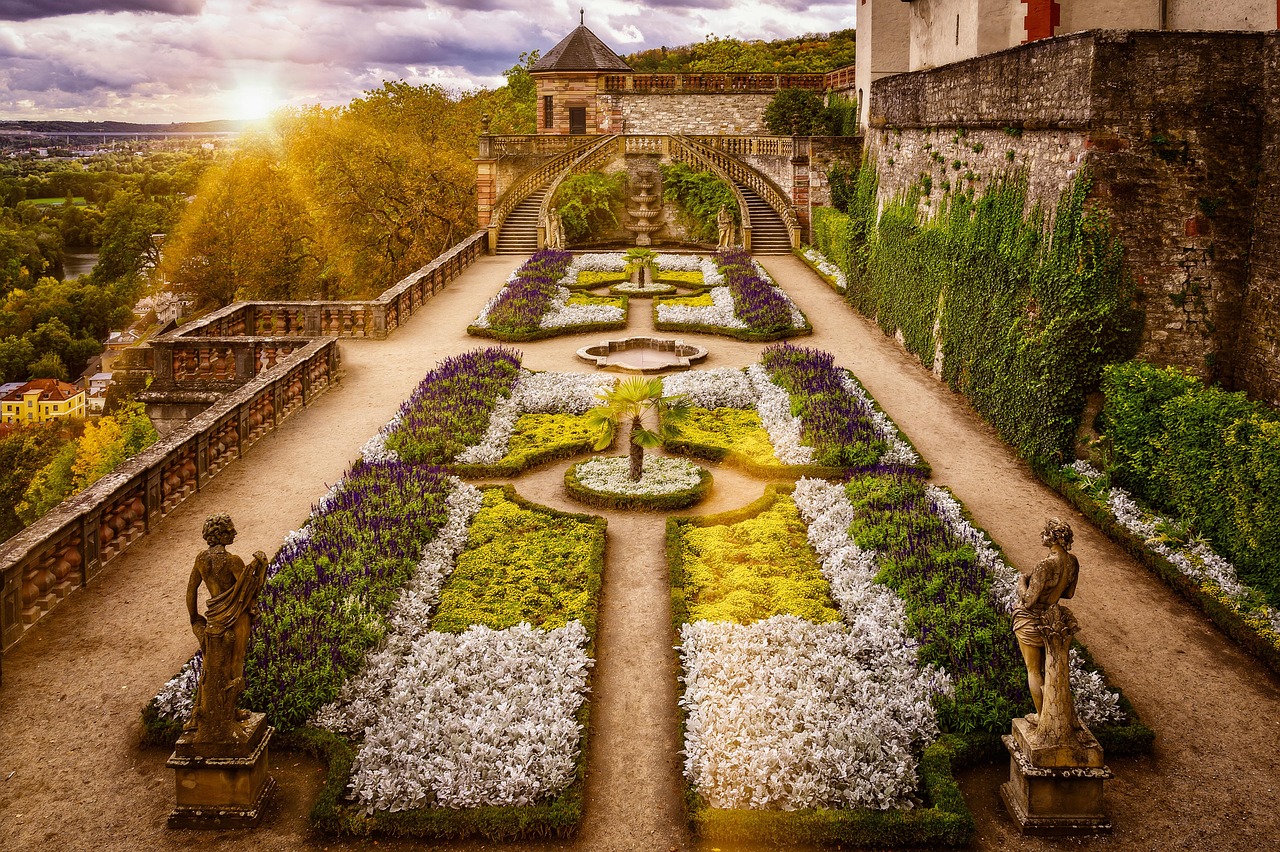
The Project in Parkville
Parkville is renowned for its historic river town charm, steep wooded limestone bluffs, and sweeping views of the Missouri River. Residential properties along Route 9, English Landing, Thousand Oaks, and bluff-top acreage above the river valley feature dramatic vertical terrain. While bluff living offers breathtaking scenery, gardening on steep grades is challenging: topsoil washes down slopes during thunderstorms, irrigation water runs off before penetrating roots, and walking on steep inclines is treacherous. Homeowners transform unusable hillsides into functional outdoor living spaces by constructing stepped garden terraces supported by retaining walls, clean drainage backfill, and crushed gravel pathways. Creating beautiful garden terraces Parkville MO homeowners cherish requires combining structural stone backfill, nutrient-rich garden soil, and stable walkway gravel corridors. Gardeners can source high-grade terrace materials through dependable gravel delivery in Parkville.
Selecting clean drainage aggregates and fertile planting soils ensures long-term terrace stability and abundant plant growth. Browse popular materials for this area:
- Walkway gravel → Best for terrace access paths and step treads, interlocking into a stable, slip-resistant walking surface.
- Garden soil → Best for filling tiered terrace planting beds, providing rich organic humus and mineral loam for deep root growth.
- 1 1/2″ clean rock → Best for retaining wall drainage backfill, relieving hydrostatic water pressure behind terrace walls.
Learn more in our guide to walkway gravel.
Why Parkville’s Soil and Climate Shape This Project
Parkville’s bluff geography features thick loess deposits over limestone bedrock. Silt loams are fertile but have low shear strength when wet. Runoff cascading down bluffs cuts deep gullies into the loess, undermining slope stability.
Platte County experiences spring downpours and winter freeze-thaw cycles that destabilize terraces. If a retaining wall lacks free-draining stone backfill, trapped moisture freezes and exerts lateral pressure, causing walls to tilt. Resilient terraces mandate perforated drain pipes wrapped in geotextile fabric, backfilled with clean 1 1/2-inch rock behind walls, and paths surfaced with 3/8-inch walkway gravel for safe footing.
Best Materials for Bluff-Top Terracing in Parkville
Comparing bulk materials helps property owners designing garden terraces Parkville MO projects select products that balance drainage, structural stability, and horticultural fertility.
| Material | Application in Terracing | Key Advantage in Parkville |
|---|---|---|
| 1 1/2″ Clean Crushed Rock | Retaining wall drainage backfill (12-18 inches behind walls) | Relieves hydrostatic pressure and prevents water from pooling behind terrace walls. |
| Enriched Garden Soil Mix | Terrace planter bed fill (top 12 to 18 inches) | Blends screened loam and compost to support vigorous root growth on bluff edges. |
| 3/8″ Crushed Walkway Gravel | Terrace paths, landings, and steps | Angular limestone chips lock firmly underfoot, providing non-slip hillside access. |
| Limestone Stone Dust | Compacted foundation footing beneath terrace walls | Packs into a firm, level base course that resists wall settling and frost heaving. |
Step-by-Step Bluff-Top Garden Terrace Construction
- Survey slope profile: Map contours and plan stepped terraces two to three feet high to create broad beds without complex engineering.
- Excavate terrace footings: Dig level base trenches into the hillside six inches deep. Nearby projects in Riverside use similar stepped foundations to secure bluff terraces.
- Install compacted base footing: Spread a four-inch base of crushed gravel in the trench. Moisten and tamp until dense and firm.
- Erect walls and drain pipe: Build wall tiers using retaining blocks or treated timbers. Lay a perforated drain pipe wrapped in geotextile along the back base, venting to daylight.
- Backfill with clean drainage stone: Place twelve inches of 1 1/2-inch clean rock behind the wall, separated from native soil by geotextile fabric.
- Fill beds and finish paths: Fill terrace planters with enriched garden soil. On paths, spread two inches of walkway gravel for secure walking.
How Much Material Do You Need?
Accurate material calculations prevent site congestion on narrow bluff driveways:
Consider a garden terrace in Parkville with three stepped tiers, each thirty feet long, four feet wide (360 total square feet), requiring eighteen inches (1.5 feet) of garden soil:
360 sq ft × 1.5 ft = 540 cubic feet.
540 / 27 = 20.0 cubic yards.
20.0 × 1.20 = 24.0 tons of garden soil.
For drainage stone backfill (thirty feet long, one foot wide, two feet deep per wall tier × 3 walls = 180 cubic feet / 27 = 6.67 cubic yards × 1.35 = 9.0 tons of 1 1/2-inch clean rock). For connecting paths (sixty feet long, three feet wide, two inches deep = 30 cubic feet / 27 = 1.11 cubic yards × 1.35 = 1.5 tons of walkway gravel). Ordering staged deliveries ensures manageable installation.
Common Mistakes to Avoid in Parkville
- Backfilling walls with native clay soil: Native loess silt and clay hold water against the wall, creating hydraulic pressure that causes walls to bow and fail.
- Building single walls over four feet high without engineering: High retaining walls require stamped engineering permits; stepped terraces under three feet are safer and easier to maintain.
- Omitting perforated drainage pipes: Relying on weeping stone alone without drain pipes traps water behind walls during heavy spring cloudbursts.
- Using uncompacted soil under wall footings: Placing retaining blocks on uncompacted soil causes walls to settle unevenly and lean forward.
- Using smooth pea gravel on sloped terrace stairs: Rounded pea gravel rolls underfoot on steep grades, creating serious slipping hazards.
Local Sourcing, Permitting, and Delivery in Parkville
Garden terraces under four feet in height do not require building permits in Parkville. Walls exceeding four feet or supporting driveways require engineering permits from the community development department. For hillside gardening bulletins, consult the University of Missouri Extension.
Plan aggregate delivery staging in advance. Bluff-top streets feature steep grades and tight switchbacks. Establish a driveway staging pad when coordinating delivery with a Parkville landscape material delivery service.
Frequently Asked Questions
How high can I build terrace walls in Parkville without a permit?
Retaining walls under four feet tall typically do not require engineering permits, provided they do not support surcharges like driveways.
What is the best drainage rock behind terrace walls?
Clean 1 1/2-inch angular crushed rock is ideal. Its open void space allows water to drain rapidly to collector pipes, relieving pressure.
How do I stop soil from washing down terraced steps?
Incorporate edging higher than soil grade, mulch beds with bark, and surface paths with interlocking angular walkway gravel.
What soil mix is best for raised bluff terraces?
An enriched garden soil blend containing sixty percent topsoil, thirty percent compost, and ten percent sand delivers excellent drainage and fertility.
Related Resources
- Walkway Gravel 3/8″ Crushed Stone Specifications
- Premium Enriched Garden Soil Blend Details
- 1 1/2″ Clean Drainage Rock Product Options
- Complete Garden Walkway and Path Guide
Final Thoughts
Stepped garden terraces turn river bluff slopes into productive landscapes. Building your garden terraces Parkville MO project with 1 1/2-inch rock drainage, enriched garden soil, and walkway gravel paths ensures structural integrity and outdoor living for years to come. Explore complete Missouri aggregate and soil delivery services for garden soils, drainage rock, and path gravels. Contact Simple Gravel today to calculate material quantities and schedule prompt delivery through trusted Parkville bulk landscape material suppliers.











