




The Project in University City
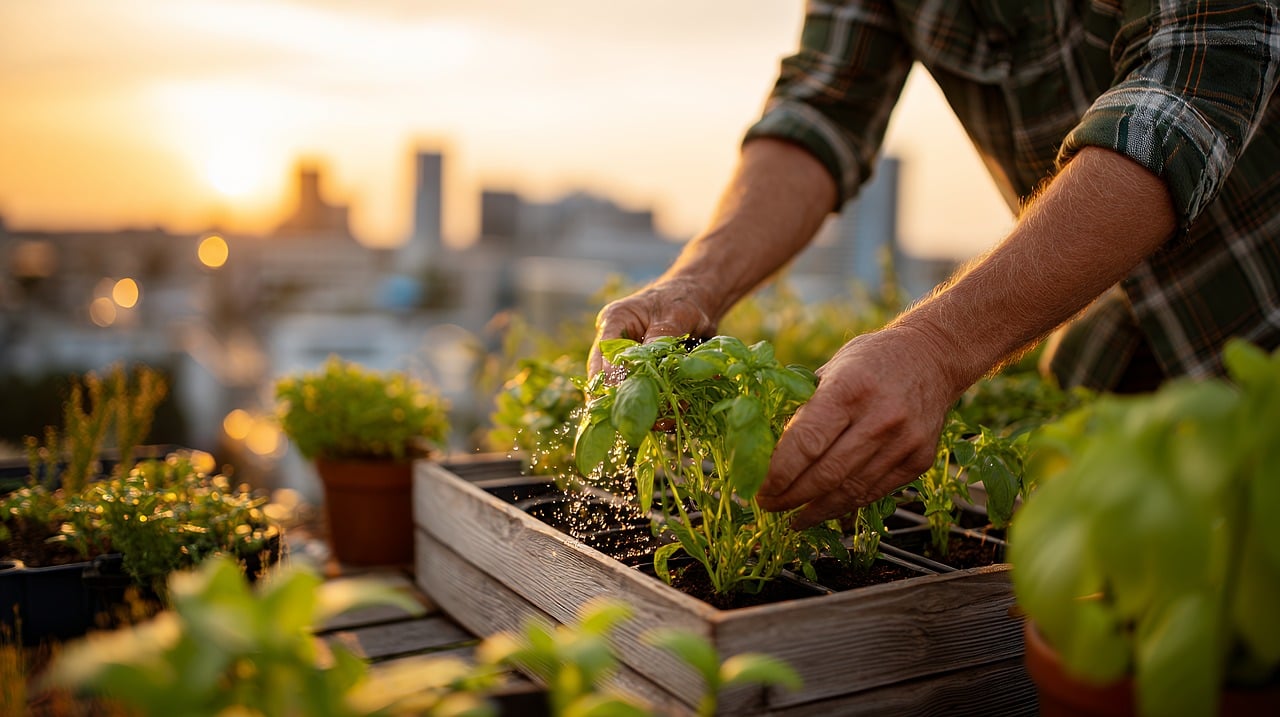
Growing fresh culinary herbs, heirloom tomatoes, and crisp root vegetables is a treasured tradition across the historic neighborhoods of University City. From brick bungalows near Delmar Boulevard to spacious properties surrounding University Hills, homeowners take deep pride in transforming residential backyards into bountiful harvest spaces. However, achieving robust crop yields in an established inner-ring suburb requires intentional soil preparation. Relying on tired backyard dirt often leads to disappointment because historic urban soils suffer from decades of compaction, low organic activity, and heavy clay density. Ordering premium vegetable garden soil delivery in University City gives your raised planter boxes and in-ground beds the nutrient-rich foundation necessary for bountiful seasonal harvests.
Whether you are constructing raised cedar planting boxes or revitalizing established ground beds, vegetable crops demand balanced soil structure. Roots need effortless access to moisture, vital minerals, and oxygen. When you build with dedicated vegetable garden soil University City MO blends, you give sensitive root systems the loose, friable texture they need to flourish throughout the humid summer growing season.
Why University City’s Soil and Climate Shape This Project
University City sits within the St. Louis metropolitan transition zone, where loess-derived silt loams rest over dense clay subsoils. Natural urban soils hold moisture stubbornly during wet spring storms, turning into sticky mud. During midsummer heat waves, unamended native clay bakes into rock-hard crusts that constrict delicate vegetable root systems.
Urban ground history is another vital factor. Because many homes were constructed before the 1950s, ground soil can harbor residual contaminants or demolition debris. Agronomists at the University of Missouri Extension recommend soil testing or building raised beds filled with clean topsoil and compost. Raised beds isolate crops from legacy subsoils while providing complete control over drainage and nutrients.
Best Aggregate and Soil Options for Gardens in University City
Selecting suitable bulk growing media ensures vigorous vegetable growth, exceptional root penetration, and balanced water drainage. Local gardeners depend on these proven soil and amendment materials:
- Garden soil → A specialized growing blend combining screened native loam, aged compost, and coarse sand. It provides the ideal loose structure and essential biological activity required for heavy-feeding vegetables like peppers, tomatoes, and squashes.
- Compost soil → Dark, fully decomposed organic material rich in beneficial microorganisms and balanced nutrients. Blending compost into planting beds enhances moisture retention during dry spells and continuously feeds soil biomes.
- Screened topsoil → Clean, rock-free loam sifted to remove clumps, root fragments, and debris. It serves as an economical, mineral-rich base bulk filler when filling deep garden beds or leveling low yard depressions.
Step-by-Step Vegetable Garden Installation
Proper soil preparation sets the stage for productive urban gardening:
- Choose a sunny location: Select an area receiving six to eight hours of direct sunlight daily, avoiding large tree drip lines.
- Build planting beds: Construct frames using rot-resistant cedar, white oak, or galvanized metal with depths of twelve to eighteen inches.
- Install burrowing barriers: Line the frame bottom with hardware cloth mesh and cardboard to exclude pests and suppress grass. Gardeners in nearby Clayton use this exact method.
- Layer base bulk fill: Fill the bottom one-third with screened topsoil to establish mineral bulk and prevent excessive settling.
- Add rich growing mix: Fill the upper two-thirds with premium garden soil and compost, blending thoroughly with a garden fork.
- Rake, water, and settle: Smooth the surface flat and water gently, letting beds settle for forty-eight hours before planting.
How Much Soil Do You Need?
Accurate material estimation prevents project shortages. Garden soil and compost are calculated in cubic yards. One cubic yard covers 108 square feet at three inches or 27 square feet at twelve inches. Refer to our guide to garden soil materials to calculate quantities for your beds.
| Material | Project Depth | Estimated Coverage per Ton / Yard |
|---|---|---|
| Garden soil | 8 to 12 inches | 27 to 40 sq ft per cu yd |
| Compost soil | 2 to 4 inches | 80 to 160 sq ft per cu yd |
| Screened topsoil | 6 to 8 inches | 40 to 54 sq ft per cu yd |
| Mulch or wood chips | 2 to 3 inches | 108 to 162 sq ft per cu yd |
Common Mistakes to Avoid in University City
Avoid filling raised beds entirely with unamended heavy clay. Native clay compacts inside frames, suffocating root hairs during wet spring cycles. Selecting dedicated vegetable garden soil University City MO blends avoids this issue and delivers balanced nitrogen without soil-borne diseases. Another mistake is using uncomposted wood shavings directly in beds, which robs nitrogen from growing vegetables.
Always provide dedicated walkways between beds. Stepping onto planting soil crushes air pockets. Surface paths with wood chips or gravel to keep beds fluffy and well aerated.
Local Sourcing, Permitting, and Delivery in University City
Raised garden beds do not require municipal permits in University City when conforming to standard setbacks. If building tall masonry retaining walls, check municipal codes prior to digging.
When ordering bulk supplies, coordinate with experienced University City soil and compost suppliers. Historic neighborhoods feature mature trees and parked cars. Designate an accessible driveway drop zone before delivery trucks arrive.
Frequently Asked Questions
Can I grow vegetables directly in University City ground soil?
You can, but soil testing is recommended to check for legacy contaminants and clay compaction. Raised beds filled with certified garden soil provide a clean alternative.
What is the ideal soil blend for raised vegetable beds?
A proven mixture is sixty percent screened topsoil, thirty percent organic compost, and ten percent coarse sand for drainage, biology, and nutrition.
How often should I add fresh compost to my vegetable garden?
Add a fresh one- to two-inch layer of rich compost every spring or autumn to restore vital organic nutrients absorbed by vegetable crops.
How deep should a vegetable garden bed be?
A minimum soil depth of twelve inches accommodates most vegetables. Deeper crops like slicing tomatoes perform best in beds fifteen to eighteen inches deep.
Related Resources
- Garden soil for residential planting beds
- Organic compost soil for moisture and nutrients
- Clean screened topsoil bulk delivery
- Complete guide to garden soil selection
Final Thoughts
Establishing healthy raised beds or backyard gardens connects your household with fresh, homegrown food while enhancing your outdoor living area. Investing in premium vegetable garden soil University City MO mixes ensures that your heirloom tomatoes, greens, and root crops receive balanced nutrition, loose aeration, and consistent moisture. Explore comprehensive Missouri aggregate and soil delivery services to source certified topsoil, organic compost, and drainage aggregates across St. Louis County. Contact Simple Gravel today to calculate your exact yardage and schedule prompt delivery through trusted University City garden soil delivery experts.
SOURCES_USED:
University of Missouri Extension (Soil Testing & Vegetable Gardening in Urban Soils), City of University City Public Works, USDA Web Soil Survey (St. Louis County Silt Loams).











