




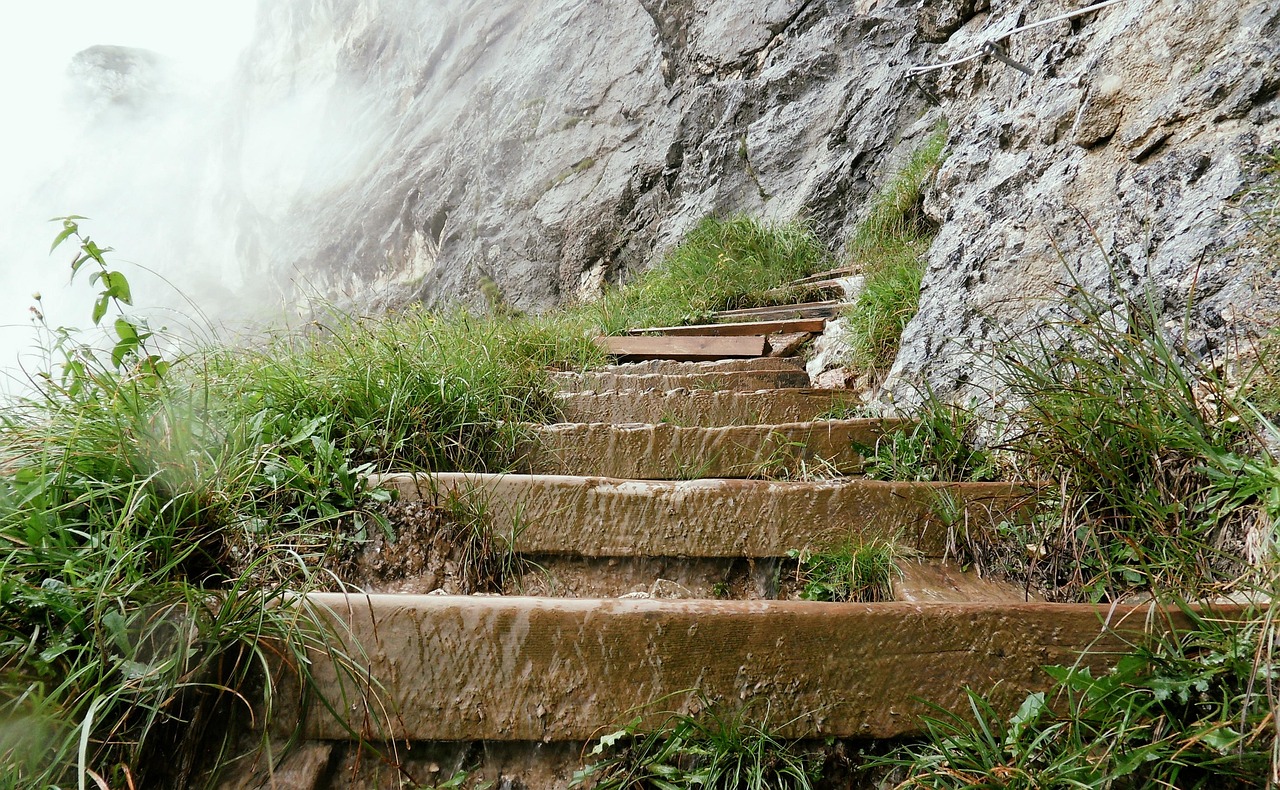
The Project in Summit
Perched atop the crest of the Second Watchung Mountain in Union County, Summit is celebrated for its historic architecture, affluent neighborhoods, and dramatic wooded topography. Many custom homes near the Watchung Reservation and North Summit feature steep, forested hillside yards that slope down toward natural ravines and stream valleys. While these wooded slopes offer breathtaking natural privacy, navigating steep residential terrain on foot is difficult and hazardous. Unimproved dirt paths quickly erode during spring rains, exposing slick tree roots and slippery mud chutes. Sourcing dependable hillside walkway gravel in Summit provides the stable, traction-enhancing stone aggregates needed to build safe, durable mountain walkways.
Constructing a safe hillside walkway requires structured slope terracing, erosion containment, and permeable surfacing. Designing an engineered hillside path Summit NJ installation with interlocking walkway gravel, timber step risers, and coarse drainage rock channels transforms inaccessible wooded slopes into safe outdoor nature trails.
Why Summit’s Soil and Climate Shape This Project
Summit’s geography is defined by the Watchung basalt ridge, where shallow soils rest over dense traprock and red shale bedrock. Native hillside soils consist of Watchung and Neshaminy gravelly silt loams, which are shallow and prone to rapid surface runoff. Severe storms cause fast runoff that erodes loose topsoil and carves gullies.
Dense woodland canopies create shade that prevents turf from rooting on slopes. Soil conservation specialists at the Rutgers New Jersey Agricultural Experiment Station recommend terraced aggregate pathways with timber check steps. Coarse drainage rock swales beside paths divert runoff away from walking surfaces, preventing washouts.
Best Aggregate Options for Wooded Hillside Walkways
Navigating steep, shaded hillsides requires materials that provide firm footing, resist water erosion, and blend naturally into forest settings:
- Walkway gravel → Fractured 3/8-inch crushed stone with angular facets and fine mineral dust. When compacted, the particles interlock tightly to create an unyielding, non-slip walking tread on sloped paths.
- 1 1/2″ clean rock → Coarse, washed angular rock with zero fines. It provides heavy ballast for lining hillside runoff swales and armoring drainage check dams beside path steps.
- Bark mulch → Natural shredded hardwood bark. It provides protective organic groundcover on gentle slope benches beside the path, absorbing rainfall and preventing soil splash erosion.
Step-by-Step Hillside Walkway Construction
Careful path switchbacks, timber step anchoring, and permeable aggregate layering ensure safety and durability:
- Plot a switchback route: Survey the slope and layout a path that traverses the grade diagonally, avoiding steep descents. Homeowners designing paths in nearby Westfield use switchbacks to manage steep grades.
- Excavate stepped benches: Cut level benches into the hillside slope four to five inches deep to create landings for risers.
- Anchor step risers: Install treated 6×6 timbers across the path, securing each timber with two-foot steel rebar spikes into bedrock.
- Lay non-woven fabric: Drape commercial-grade drainage fabric along each excavated bench, stapling edges to timber backs.
- Install walkway gravel treads: Spread three to four inches of 3/8-inch walkway gravel over fabric on each tread, tamping firmly.
- Armour drainage channels: Line the uphill side with 1 1/2-inch clean rock to intercept runoff and convey it safely downslope.
How Much Pathway Aggregate Do You Need?
Accurate material calculations prevent running out of gravel on steep hillside job sites. Walkway gravel weighs approximately 1.35 to 1.4 tons per cubic yard. At a three-inch depth, one ton of walkway gravel covers approximately 75 to 85 square feet. A hillside path three feet wide and 50 feet long (150 square feet) built with timber steps requires roughly 2.5 tons of walkway gravel and 1 to 2 tons of 1 1/2-inch clean drainage rock. Explore our guide to walkway gravel materials for detailed slope calculators.
| Material | Project Depth | Estimated Coverage per Ton / Yard |
|---|---|---|
| Walkway gravel (3/8 inch) | 3 inches | 75 to 90 sq ft per ton |
| 1 1/2″ clean rock | 4 to 6 inches | 45 to 60 sq ft per ton |
| Bark mulch border | 3 inches | 80 to 108 sq ft per cu yd |
| Stone dust base | 2 to 3 inches | 85 to 105 sq ft per ton |
Common Mistakes to Avoid in Summit
A frequent mistake is building straight pathways directly down steep hillsides without switchbacks or timber steps. Stormwater quickly turns straight paths into raging torrents, washing loose gravel downhill. Building a properly terraced hillside path Summit NJ project with timber risers and angular crushed stone ensures firm, safe footing. Another mistake is using smooth round river pebbles, which roll underfoot on slopes.
Do not omit drainage swales on the uphill side of the walkway. Unchanneled sheet runoff spilling over the path edge undermines step timbers and collapses trail embankments.
Local Sourcing, Permitting, and Delivery in Summit
Minor garden pathways, timber landscape steps, and surface drainage channels generally do not require municipal building permits in Summit. If your project includes raised structural boardwalks or retaining walls over four feet high, consult the Summit Department of Community Services.
When booking aggregate delivery, partner with reliable Summit path gravel suppliers. Wooded mountain roads feature winding driveways and steep grades. Confirm drop locations at the top of the driveway and use motorized wheelbarrows for hillside material transport.
Frequently Asked Questions
What is the best gravel size for steep hillside walking paths?
Fractured 3/8-inch walkway gravel with fines is ideal. The angular facets lock together under pressure, creating a firm, non-slip surface that resists erosion.
How far apart should timber step risers be on a hillside path?
Step risers should be spaced four to six feet apart on gentle slopes, or three to four feet apart on steeper grades, creating comfortable, level walking landings.
How do I stop hillside runoff from washing out path gravel?
Excavate a shallow swale along the uphill side of the path lined with 1 1/2-inch clean rock to catch and redirect runoff away from path treads.
Can I use bark mulch instead of gravel on steep slopes?
Bark mulch works well on gentle slope borders, but on walking paths, it becomes slick when wet and washes downhill during heavy rainstorms.
Related Resources
- Fractured walkway gravel for non-slip hillside paths
- 1 1/2″ clean rock for hillside runoff swales
- Double-shredded bark mulch for slope stabilization
- Complete guide to hillside pathway installation
Final Thoughts
A thoughtfully engineered hillside path opens up steep, wooded properties for safe family recreation while stabilizing delicate slopes against storm erosion. Installing a permanent hillside path Summit NJ trail with interlocking walkway gravel, anchored timber steps, and heavy 1 1/2-inch drainage rock swales creates an attractive woodland feature that blends naturally into the Watchung mountain landscape. Explore complete New Jersey aggregate and landscape stone delivery options to source certified quarry aggregates across Union County. Contact Simple Gravel today to calculate your material quantities and schedule prompt delivery through trusted Summit walkway aggregate delivery specialists.
SOURCES_USED:
Rutgers New Jersey Agricultural Experiment Station (Slope Stabilization & Forest Path Design), City of Summit Department of Community Services, USDA NRCS Union County Soil Survey.











