




The Project in Los Alamos
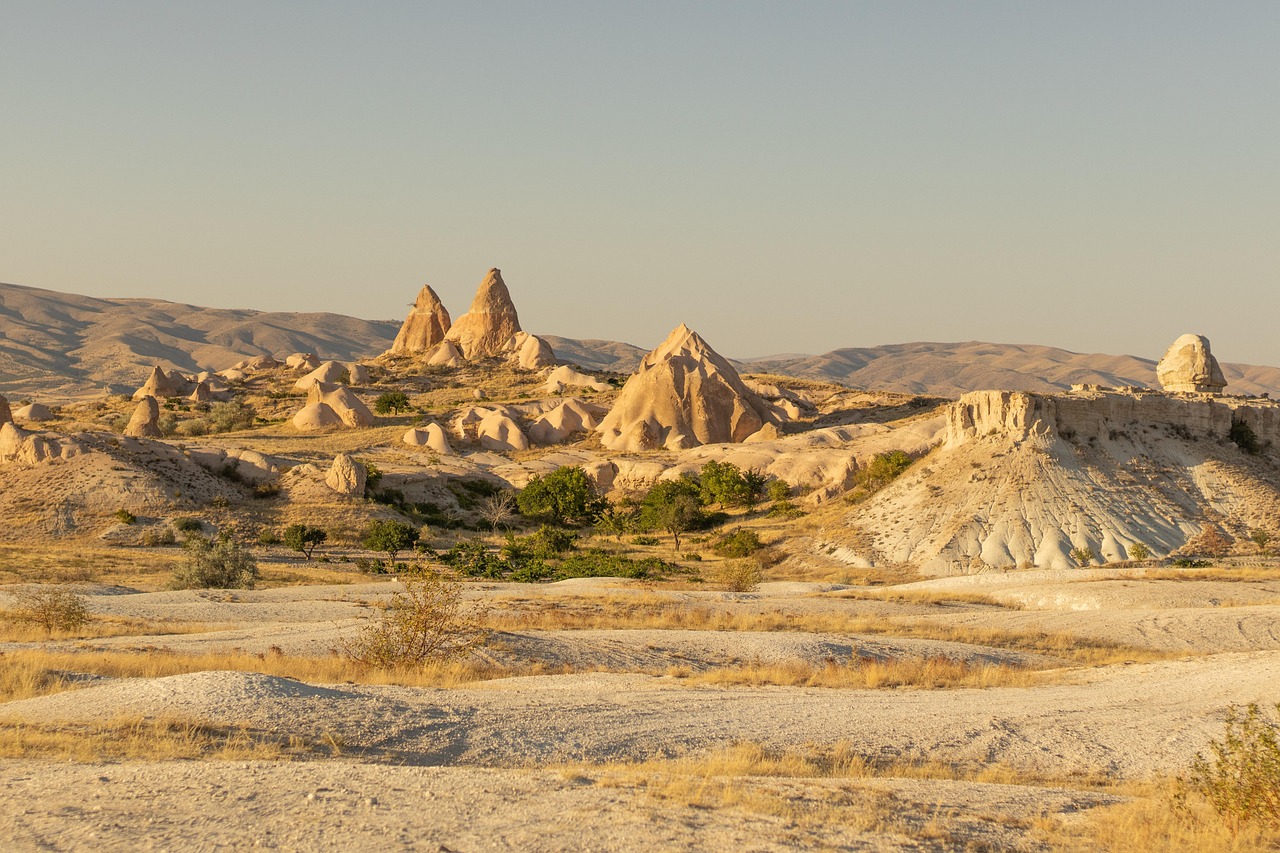
Perched on the Pajarito Plateau against the Jemez Mountains at elevations exceeding 7,300 feet, Los Alamos features deep canyons and pine-forested mesas. Across North Mesa and Barranca Mesa, living is tied to rugged topography. However, maintaining unpaved driveways on mesa tops presents geotechnical hurdles. The plateau consists of porous volcanic ash known as Bandelier tuff. Saturated tuff softens during snowmelts, while steep canyon grades channel runoff at erosive speeds. Sourcing certified materials through mesa driveway gravel in Los Alamos provides the heavy rock needed to build driveways that resist erosion and freeze-thaw damage.
Building an engineered mesa driveway Los Alamos NM installation with road base gravel, crushed run, and 1 1/2-inch rock creates an unyielding surface that handles plows and severe weather.
Why Los Alamos’s Soil and Climate Shape This Project
The plateau was formed by volcanic eruptions that deposited thick Bandelier tuff. Native Carjo gravelly loams form a thin layer over soft volcanic rock. Bandelier tuff has high porosity but low shear strength; when saturated with meltwater, it loses bearing capacity and crushes into dust under tires.
Los Alamos receives over fifty inches of snow with deep sub-zero freezes. Geological engineers at the New Mexico State University Cooperative Extension Service emphasize that driveways on tuff need woven geotextile fabric. Laying fabric over volcanic subgrades bridges soft fracture zones and stops gravel from sinking, while rock-armored swales divert runoff.
Best Aggregate Options for High-Elevation Mesa Driveways
Conquering porous volcanic tuff and alpine freeze-thaw cycles requires crushed aggregates engineered for maximum interlock and drainage:
- Road base gravel → Fractured 1 1/2-inch to 2-inch crushed granite or basalt with mineral fines. It creates an unyielding structural subbase that distributes vehicle loads across weak volcanic rock without deflecting.
- Crushed run → Dense 3/4-inch crushed mountain stone blended with rock dust. When compacted, the angular particles bind tightly to form a cemented, rut-resistant driving surface that sheds snowmelt.
- 1 1/2″ clean rock → Coarse washed rock with zero fines. It provides heavy, non-clogging ballast for lining roadside bar ditches, culvert aprons, and steep drainage channels.
Step-by-Step Mesa Driveway Construction on Volcanic Tuff
Methodical roadbed grading, geotextile separation, and multi-lift compaction guarantee an enduring mesa driveway:
- Excavate roadbed: Strip topsoil and weathered tuff down eight to ten inches. Builders in nearby Bernalillo use similar excavation depths on rocky terrain.
- Crown subgrade and cut swales: Shape a four percent center crown sloping toward ditches to shed water before it penetrates subgrades.
- Install woven fabric: Lay heavy woven geotextile fabric over tuff, overlapping seams by two feet to stop ash contamination.
- Spread road base gravel: Spread five to six inches of road base gravel over fabric, misting with water.
- Compact with a roller: Run a heavy roller over base stone until it locks into a deflection-free foundation.
- Apply crushed run: Spread three to four inches of crushed run, compacting while maintaining a center crown.
How Much Driveway Aggregate Do You Need?
Accurate material planning ensures complete lane coverage on mesa-top properties. Crushed base aggregate weighs approximately 1.45 tons per cubic yard. A mountain driveway twelve feet wide and 100 feet long (1,200 square feet) built to an eight-inch compacted depth requires roughly 30 cubic yards, or about 43.5 tons of aggregate (27 tons of road base and 16.5 tons of crushed run). Explore our guide to road base gravel for customized mountain road estimators.
| Material | Project Depth | Estimated Coverage per Ton / Yard |
|---|---|---|
| Road base gravel | 5 to 6 inches | 50 to 65 sq ft per ton |
| Crushed run wearing course | 3 to 4 inches | 70 to 90 sq ft per ton |
| 1 1/2″ clean drainage rock | 6 to 12 inches | 30 to 45 sq ft per ton |
| Woven geotextile membrane | 1 layer | 100 sq ft per roll unit |
Common Mistakes to Avoid in Los Alamos
The most catastrophic mistake on Pajarito Plateau driveways is grading driveways flat without establishing lateral drainage ditches. Mountain snowmelt pools on flat surfaces, saturating the roadbed and causing heavy vehicles to push gravel deep into softened tuff. Constructing a properly crowned mesa driveway Los Alamos NM installation with woven geotextile fabric permanently bridges soft subgrades. Another critical error is using smooth river stone; round gravel rolls downhill on steep canyon grades and provides zero traction in snow.
Do not omit geotextile fabric when building over Bandelier tuff. Saturated volcanic ash pumps upward under traffic, contaminating stone voids and turning gravel driveways into spongy mud.
Local Sourcing, Permitting, and Delivery in Los Alamos
Maintaining or resurfacing an existing private driveway on private property generally does not require building permits in Los Alamos County. However, creating a new driveway connection or altering a curb cut along county roads requires a driveway access permit from the Los Alamos County Engineering Division.
When booking aggregate delivery, partner with experienced Los Alamos driveway gravel suppliers. Los Alamos features steep switchback roads, narrow mesa lanes, and security checkpoints near laboratory boundaries. Schedule deliveries with drivers familiar with mountain hauling routes and designate flat unloading zones away from steep canyon edges.
Frequently Asked Questions
Why do driveways on Bandelier tuff sink and rut in winter?
Bandelier tuff is porous volcanic ash that softens when saturated with snowmelt. Vehicle tires crush wet tuff into powder, swallowing surface gravel unless protected by geotextile fabric.
Can a gravel driveway handle heavy Los Alamos winter snow plowing?
Yes. A compacted crushed run driving surface locks together into a cemented crust that resists plow blade gouging, provided the plow shoes are set one-half inch above the stone.
What is the minimum aggregate thickness needed over volcanic rock?
A minimum of eight inches of compacted aggregate (five inches of road base plus three inches of crushed run) over woven fabric is required to distribute vehicle loads safely.
How do I stop summer monsoon rains from washing out steep driveways?
Maintain a prominent four percent center crown and line roadside ditches with 1 1/2-inch clean rock to convey runoff safely to natural canyon drainage areas.
Related Resources
- Coarse road base gravel for heavy mountain subgrade stabilization
- Dense crushed run base rock for cemented driving crusts
- 1 1/2″ clean rock for steep roadside drainage swales
- Complete guide to gravel driveway base construction
Final Thoughts
Building a dependable driveway on the volcanic mesas of Los Alamos requires respecting the unique properties of Bandelier tuff and high-altitude mountain hydrology. Installing an engineered mesa driveway Los Alamos NM system with heavy woven geotextile fabric, deep compacted road base gravel, and an interlocking crushed run wearing crust guarantees smooth, year-round access that resists winter snowmelts, freeze-thaw cycles, and torrential summer cloudbursts. Explore complete New Mexico driveway gravel delivery options to source certified quarry aggregates across the plateau. Contact Simple Gravel today to calculate your stone tonnages and arrange dependable delivery through trusted Los Alamos mesa driveway aggregate specialists.











