




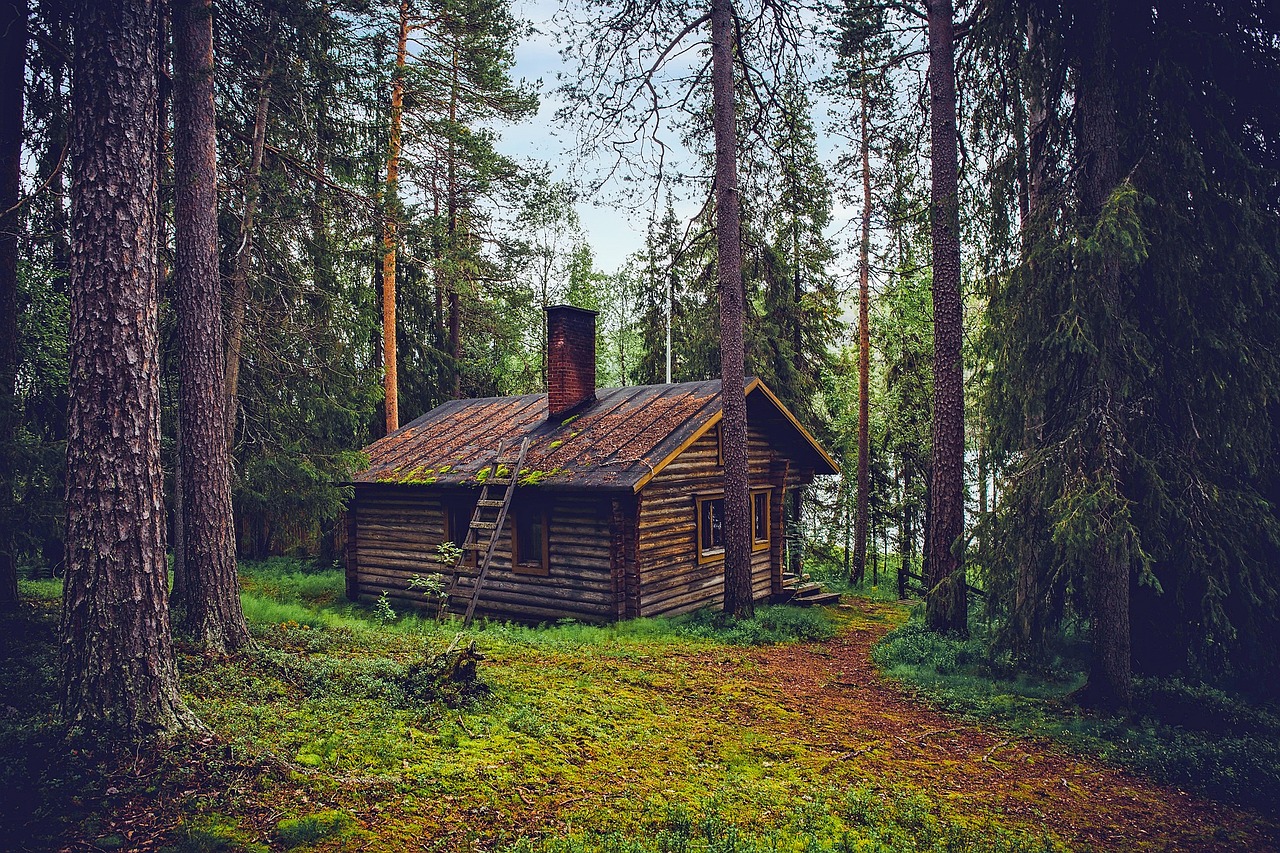
The Project in Green
Located in southern Summit County, Green is celebrated for residential neighborhoods, parks, and direct access to Portage Lakes. Living along Turkeyfoot Lake, Nimisila Reservoir, and East Reservoir brings exceptional boating and outdoor enjoyment. However, navigating sloping lakefront lawns to reach docks, fire pits, and boathouses can be challenging. Pedestrian traffic across wet grass creates slick mud, while lake-effect downpours wash away loose mulch. Sourcing aggregate materials through Green lake house path gravel delivery provides property owners with the decorative aggregates and stable subbase stone needed to construct charming, non-slip waterfront pathways.
Creating functional lake house paths Green OH walkways with interlocking walkway gravel, natural rounded river rock, and smooth pea gravel ensures safe pedestrian access while protecting delicate lakefront shorelines from runoff erosion.
Why Green’s Soil and Climate Shape This Project
Green’s landscape features kettle lakes and glacial outwash plains. Native soils belong to Chili and Bogart sandy loams, mixed with pockets of Carlisle muck and wet clay near water bodies. While upland soils drain moderately well, lakefront slopes remain damp due to high water tables and horizontal seepage.
Additionally, Summit County receives nearly forty inches of precipitation, accompanied by intense summer storms and lake-effect snows. Soil conservationists at Ohio State University Extension highlight that lakeside paths require permeable aggregate systems. Paved impervious concrete surfaces accelerate surface runoff, carrying lawn chemicals directly into Portage Lakes. In contrast, installing crushed stone paths over non-woven geotextile fabric filters rainwater into the ground, protects water quality, and withstands winter frost heaves without cracking.
Best Aggregate Materials for Lake House Walkways
Selecting the right aggregate materials balances foot comfort, stability, and shoreline protection:
- Walkway gravel → 3/8-inch crushed stone aggregate blended with fine limestone dust. It compacts into a firm, locked path that supports bare feet, wheelbarrows, and coolers effortlessly.
- River rock → Naturally rounded river cobbles measuring one to three inches. It serves as an attractive border edging and bioswale lining that prevents hillside washouts.
- Pea gravel → Smooth, rounded 3/8-inch river pebbles. It provides a tactile, loose-fill surface ideal for level garden switchbacks and rustic seating areas near docks.
Step-by-Step Lakefront Walkway Construction
Proper slope contouring, border containment, and aggregate compaction guarantee safe lakeside walking:
- Route the path gently: Follow natural hillside contours with meandering curves to reduce steepness. Waterfront owners in nearby North Canton use switchback layouts to manage slope grades safely.
- Excavate the path bed: Dig four to five inches deep, maintaining a uniform width of three to four feet and a flat, even base.
- Install solid edging: Anchor aluminum, treated timber, or natural stone borders along both sides to keep loose gravel from spilling into grass or lake water.
- Lay geotextile underlayment: Roll non-woven landscape fabric along the excavated trench to prevent path stone from sinking into damp shoreline soil.
- Place and compact base stone: Add two inches of crushed limestone base, tamping firmly to create an immovable structural foundation.
- Spread surface aggregate: Pour two to three inches of walkway gravel or pea gravel, lining outer edges with river rock to channel runoff safely away.
How Much Aggregate Do You Need?
Calculating walkway materials accurately prevents mid-project pauses and extra freight fees. Crushed walkway gravel weighs approximately 1.35 to 1.4 tons per cubic yard, while river rock weighs about 1.4 tons per yard. For a scenic path measuring three feet wide by eighty feet long (240 square feet) with a four-inch finished aggregate depth, you will need approximately 3 cubic yards of material, which equals roughly 4 to 4.5 tons of stone. Consult our in-depth guide to walkway gravel to calculate exact quantities for slopes, steps, and landings.
| Material | Project Depth | Estimated Coverage per Ton / Yard |
|---|---|---|
| 3/8-inch walkway gravel | 2 to 3 inches surface | 85 to 100 sq ft per ton |
| 1 to 3-inch river rock | 3 to 4 inches edging | 50 to 65 sq ft per ton |
| Rounded pea gravel | 2 to 3 inches surface | 90 to 110 sq ft per ton |
| Crushed base aggregate | 2 to 3 inches subbase | 80 to 95 sq ft per ton |
Common Mistakes to Avoid in Green
The most frequent mistake in lake house path construction is installing gravel straight onto steep slopes without containment borders or terrace steps. On steep grades, loose gravel rolls downhill toward the lake during heavy downpours. Installing an engineered lake house paths Green OH walkway with timber steps and rigid edging holds stone in place. Another mistake is using impervious landscape plastic rather than permeable geotextile fabric, which traps water beneath the path and creates a muddy bog.
Avoid building straight paths down steep waterfront hills. Direct downhill paths act as stormwater flumes during storms, accelerating hillside erosion and washing aggregate into Portage Lakes.
Local Sourcing, Permitting, and Delivery in Green
Standard landscape paths, gravel switchbacks, and timber steps on private residential property do not require municipal building permits in Green. However, if your path reaches the water’s edge or involves retaining structures along Portage Lakes shorelines, projects fall under Ohio Department of Natural Resources Division of Parks and Watercraft regulations and local riparian buffer ordinances.
When arranging aggregate deliveries, work with reputable Green bulk gravel delivery suppliers. Lakeside neighborhoods often feature narrow roads with tight turnarounds. Identify a clear, dry drop area on your driveway, and protect paver bricks with plywood before dump trucks unload.
Frequently Asked Questions
What is the best gravel for walking barefoot to the dock?
Walkway gravel (3/8-inch with fines) compacts into a flat, comfortable surface that does not shift or poke bare feet like angular drainage rock.
How do you stop gravel paths from washing away on steep slopes?
Incorporate timber or stone switchback steps along steep grades, anchor rigid edging, and line pathway borders with heavy river rock swales.
Can gravel paths protect lake water quality?
Yes. Permeable gravel paths allow rainwater to filter naturally into subsoils rather than running off into the lake with lawn fertilizers and sediments.
How thick should landscape fabric be under shoreline paths?
Use heavy-duty non-woven geotextile fabric (at least 4 to 6 ounces) to prevent weed growth and stop stone from sinking into soft shoreline muck.
Related Resources
- Compacting 3/8 walkway gravel for firm, comfortable pedestrian paths
- Natural rounded river rock for scenic drainage swales and path borders
- Smooth river pea gravel for relaxed dockside landings and fire pit areas
- Complete design manual for residential crushed stone walkways
Final Thoughts
Enhancing your Portage Lakes property with well-designed aggregate walkways creates a functional connection between your home, gardens, and boat dock. Building an engineered lake house paths Green OH system using interlocking walkway gravel, protective river rock borders, and smooth pea gravel offers safe, slip-resistant walking while safeguarding waterfront soil from runoff damage. View our full selection of Ohio landscape aggregates and decorative stone options to find quarry-tested products for Summit County projects. Reach out to Simple Gravel today to estimate your material quantities and schedule prompt delivery through dependable Green gravel supply professionals.











