




The Project Across Ohio
Throughout Ohio, property owners face persistent yard drainage challenges caused by heavy, impermeable clay soils. Across suburban neighborhoods and rural properties, water frequently pools on lawn turf for days following storms. Waterlogged yards drown landscaping, create mud, and exert hydrostatic pressure against basement foundations. Surface grading alone fails because dense clay subsoils severely restrict downward water percolation. Sourcing clean washed aggregates through bulk drainage gravel delivery across Ohio provides the high-void materials needed to install subsurface French drains and dry wells that channel stormwater away permanently.
Implementing an engineered Ohio clay drainage French drain and dry well system using washed #57 stone, 1/4 clean crushed stone, and #67 crushed stone intercepts surface runoff, relieves hydrostatic pressure, and restores dry, usable yards.
How Ohio’s Soil and Climate Shape This Project
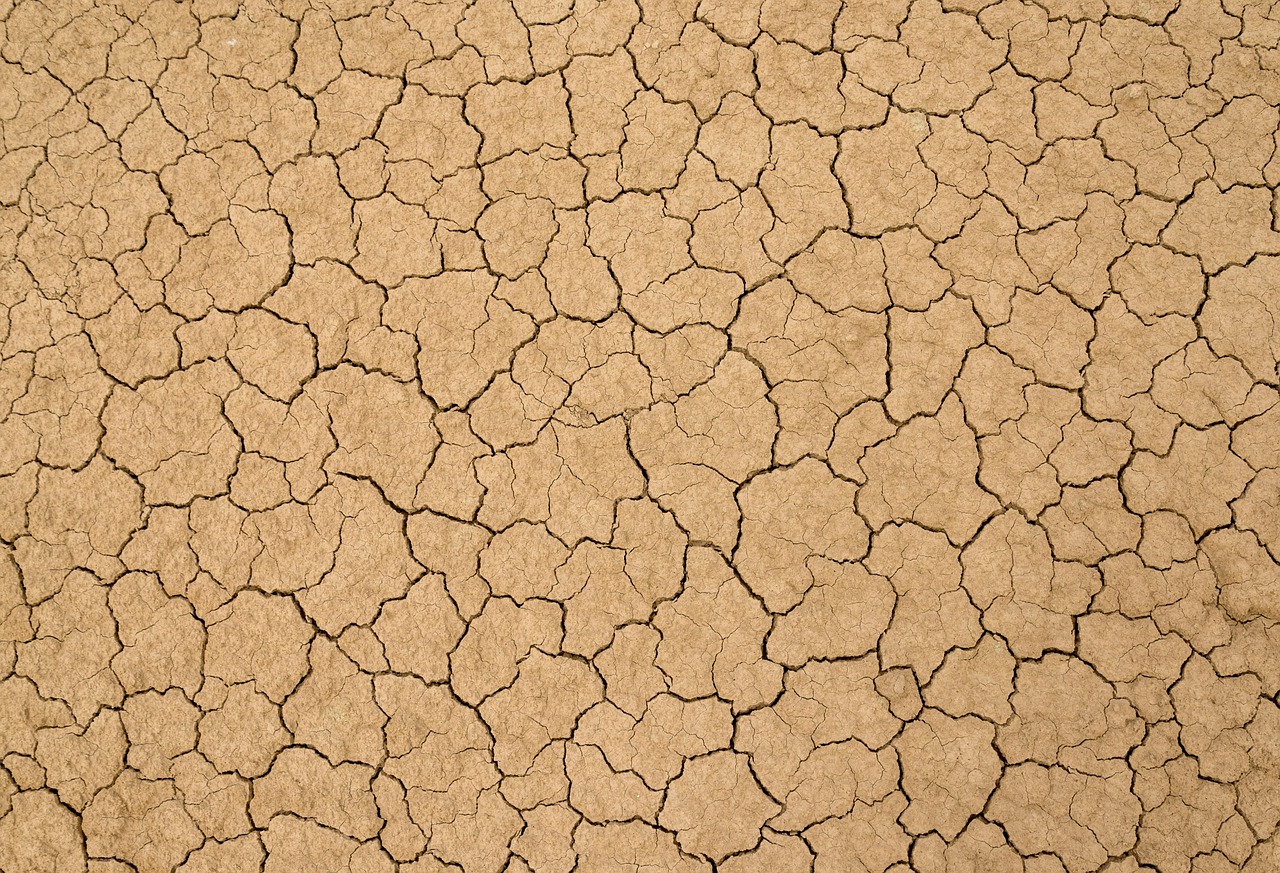
Ohio’s geological history deposited dense glacial till across much of the state. Major soil associations, including the Hoytville, Mahoning, Blount, and Clermont series, contain up to fifty percent clay. These soils have slow hydraulic conductivity, often absorbing less than 0.2 inches of water per hour. When saturated, clay particles swell, sealing pores and causing water to pond on the surface.
Hydrology specialists at Ohio State University Extension emphasize that solving clay drainage problems requires high-permeability subsurface gravel corridors. Because native clay cannot absorb downpours, trenches backfilled with washed crushed stone provide an artificial low-resistance pathway. Incorporating non-woven geotextile fabric to line trenches keeps fine clay particles from invading aggregate void spaces, ensuring subsurface drainage channels remain free-flowing for decades.
Best Aggregate Materials for Clay Drainage Solutions
Choosing washed, clean crushed stone with high void volume is essential for maximum drainage flow:
- #57 stone → Washed 3/4-inch angular crushed limestone with zero fines. It offers forty percent natural void space, making it the industry standard backfill for French drains and dry well chambers.
- 1/4″ clean crushed stone → Small quarter-inch washed limestone chips. It serves as an excellent bedding aggregate around delicate perforated pipes and compact trench applications.
- #67 crushed stone → Washed 1/2-inch angular aggregate. It provides high water permeability while packing slightly tighter than #57 stone, ideal for shallow surface curtain drains.
Step-by-Step French Drain and Dry Well Installation
Accurate slope grading, complete geotextile wrapping, and clean aggregate backfilling guarantee lasting drainage performance:
- Locate pooling zones: Survey low spots and choose a gravity discharge point. Homeowners in Dublin route French drains toward swales.
- Excavate trench and pit: Dig a trench twelve to eighteen inches deep and twelve inches wide, sloping at one percent. Excavate dry well pits four to six feet deep.
- Line with fabric: Place non-woven geotextile fabric inside the trench, leaving wide flaps to wrap aggregate. Contractors in Hudson use fabric to block clay intrusion.
- Spread bedding stone: Add two to three inches of clean 1/4 stone or #57 stone along the bottom.
- Install pipe: Lay perforated pipe with holes facing downward. Builders in Westerville prefer smooth pipe for velocity.
- Backfill and wrap: Fill with clean #57 stone, fold fabric flaps over the top, and cap with topsoil.
How Much Drainage Stone Do You Need?
Calculating aggregate tonnage accurately prevents costly project pauses during trenching. Washed #57 crushed limestone weighs approximately 1.35 to 1.4 tons per cubic yard. For a 100-foot-long French drain trench measuring twelve inches wide by eighteen inches deep with a four-inch pipe, you will need approximately 4.5 cubic yards of stone, which equals roughly 6 to 6.5 tons. A dry well pit four feet in diameter and five feet deep requires an additional 2.3 cubic yards (3.2 tons) of clean stone. Check our comprehensive guide to #57 clean stone for volumetric calculations and trench cross-sections.
| Material | Project Depth | Estimated Coverage per Ton / Yard |
|---|---|---|
| #57 clean crushed stone | 12 to 18 inches trench | 15 to 20 linear ft per ton |
| 1/4 clean crushed stone | 2 to 4 inches bedding | 25 to 35 linear ft per ton |
| #67 crushed drainage stone | 8 to 12 inches trench | 20 to 25 linear ft per ton |
| Non-woven geotextile fabric | Full trench wrap | 300 to 500 sq ft per roll |
Common Mistakes to Avoid Across Ohio
The most destructive error is omitting non-woven geotextile fabric around the aggregate core. Without fabric, wet clay flows into rock pores, clogging the drain within two seasons. Installing a properly wrapped Ohio clay drainage French drain assembly with clean #57 stone ensures continuous water infiltration for decades. Another mistake is backfilling with unwashed gravel or clay instead of clean aggregate, which prevents surface water from entering the trench.
Do not install perforated pipe with the holes pointing up. Pointing perforations upward requires the trench to fill completely with water before entering the pipe, delaying drainage and keeping lawns waterlogged.
Local Sourcing, Permitting, and Delivery Across Ohio
Standard French drains and dry wells on private property do not require building permits in Ohio. However, runoff must remain on your lot or enter approved stormwater systems. Ohio law prohibits directing concentrated water onto neighboring properties.
When ordering aggregate, coordinate with established Ohio bulk drainage aggregate providers. Dump trucks require firm access near trenches. Protect lawns and driveways with plywood before unloading.
Frequently Asked Questions
Why is #57 stone the preferred aggregate for French drains?
Washed #57 stone contains uniform 3/4-inch angular particles with forty percent natural void space, ensuring rapid water conveyance without clogging fines.
Can a dry well handle heavy stormwater runoff in Ohio clay?
Yes, provided the dry well pit is excavated deep enough to penetrate lower, more permeable subsoils and backfilled with high-void #57 clean stone.
What is the difference between woven and non-woven fabric for drainage?
Non-woven fabric is felt-like and highly permeable, allowing water to pass while filtering clay. Woven fabric is slick and less permeable, designed for road stabilization rather than drainage.
How deep should a French drain be in heavy clay soil?
French drains should typically be twelve to twenty-four inches deep to intercept shallow surface groundwater and downspout runoff before it saturates the root zone.
Related Resources
- Washed #57 stone for high-capacity French drains and dry well cores
- Clean 1/4 crushed stone for pipe bedding and tight trench filtration
- Washed #67 crushed stone for shallow curtain drains and swales
- Complete manual for sizing and installing residential French drains
Final Thoughts
Conquering heavy clay soil drainage issues protects your lawn, stops basement moisture problems, and restores full use of your outdoor living spaces. Implementing an engineered Ohio clay drainage French drain and dry well solution with washed #57 stone, 1/4 clean stone, and durable non-woven geotextile fabric delivers dependable stormwater relief that lasts for decades. Explore our complete selection of Ohio drainage aggregates and bulk stone delivery choices to source clean quarry products across the state. Contact Simple Gravel today to calculate your aggregate volume and schedule prompt, reliable delivery to your property.











