




The Project in Salem
Situated in the heart of the Roanoke Valley between the Blue Ridge and Allegheny mountains, Salem features fertile valley lowlands, scenic mountain backdrops, and active gardening traditions. Homeowners across the city frequently plant backyard vegetable plots, raised bed gardens, and berry patches to harvest fresh produce throughout Virginia’s long growing season. However, backyard growers face significant soil hurdles: dense valley clay that holds moisture in spring and bakes hard in summer, paired with acidic subsoils low in organic matter. Cultivating productive vegetable crops requires amending native ground or building raised beds with nutrient-rich soils. Sourcing bulk growing media through reliable Salem garden soil delivery gives gardeners the rich compost and loam needed to grow prolific tomatoes, peppers, and greens.
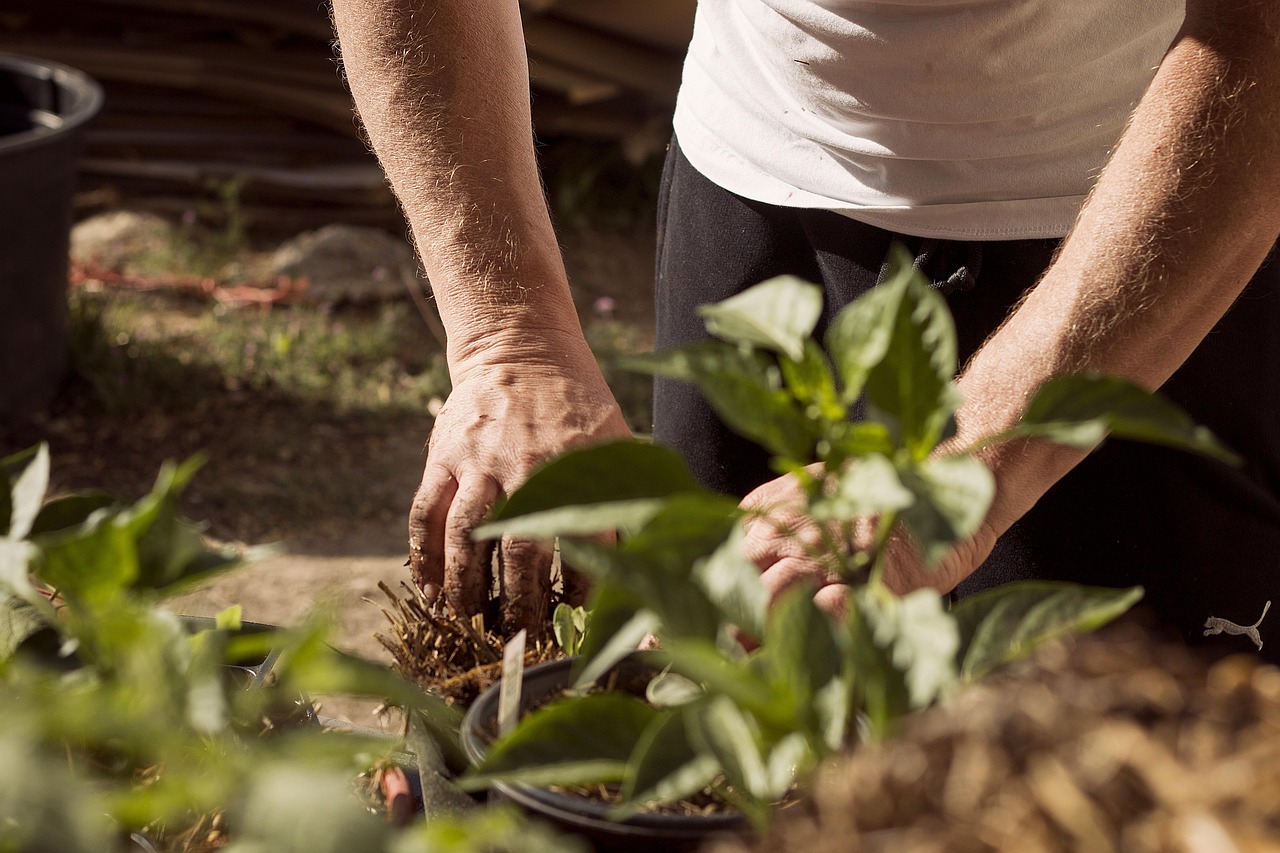
Creating thriving vegetable garden soil Salem VA beds with enriched garden soil, biologically active compost soil, and screened topsoil loosens dense clay, balances drainage, and feeds root systems.
Why Salem’s Soil and Climate Shape This Project
Salem sits along the Roanoke River basin, underlain by folded limestone, dolomite, and shale bedrock. Valley soils belong predominantly to the Groseclose and Frederick silt loam series, noted for deep, reddish-brown clay subsoils that contain fine platelets. While mineral-rich, unamended valley clay compacts easily, restricting airflow and suffocating fragile vegetable roots during wet spring planting periods.
The climate in the Roanoke Valley is classified as humid subtropical within USDA Hardiness Zone 7a, offering an extended frost-free growing season from mid-April through late October. However, summer heat waves paired with sudden torrential thunderstorms can waterlog poorly draining gardens. Horticultural researchers at Virginia Cooperative Extension emphasize that incorporating rich organic matter into valley clay is the most effective way to improve soil structure. Organic compost introduces humic compounds and beneficial fungi that bind microscopic clay particles into crumbly aggregates, creating permanent air pores that allow roots to breathe and water to drain freely.
Best Soil and Amendment Options for Salem Gardens
Combining nutrient-dense growing blends with biological compost creates a fertile environment for vegetables:
- Garden soil → A premium blend of screened sandy loam, rich organic humus, and aged compost. It provides the ideal physical body and balanced pH for raised vegetable boxes and planters.
- Compost soil → Dark, fully decomposed organic humus rich in beneficial soil microorganisms. It loosens hard clay, boosts soil fertility, and supplies slow-release plant nutrients.
- Premium screened topsoil → Screened, rock-free natural loam that adds physical structure and mineral body when building deep in-ground garden beds.
Step-by-Step Vegetable Garden Soil Preparation
Follow these horticultural stages to establish productive raised beds and amended garden plots across Salem:
- Select sunny site: Choose a spot receiving six to eight hours of direct sunlight, laying out rows north to south.
- Build raised planter boxes: Construct raised beds twelve to eighteen inches high to isolate roots from clay. Growers in Cave Spring use raised boxes for faster spring warming.
- Fill with enriched soil: Fill boxes with seventy percent premium garden soil and thirty percent organic compost.
- Amend in-ground plots: Spread three inches of compost soil across the surface and broadfork into native clay.
- Topdress with screened loam: Blend two inches of screened topsoil into existing beds. Gardeners in Christiansburg use topsoil blends for root crops.
- Apply organic mulch: Spread two inches of clean straw or shredded bark mulch, keeping mulch two inches from stems.
How Much Soil and Compost Do You Need?
Accurate material calculations prevent site shortfalls during spring planting. Screened garden soil weighs roughly 1.1 to 1.25 tons per cubic yard, while dark compost averages 0.9 to 1.0 ton per yard. For a raised bed setup comprising three planter boxes measuring 4 feet wide by 12 feet long (144 square feet total) built twelve inches deep, you will need approximately 5.3 cubic yards (6.5 tons) of enriched soil blend. Review our comprehensive guide to garden soil for bed dimension formulas, amendment ratios, and vegetable spacing guidelines.
| Material | Project Application | Estimated Coverage per Ton / Yard |
|---|---|---|
| Enriched garden soil | 12-inch raised bed fill | 25 to 30 sq ft per cu yd |
| Organic compost soil | 3-inch native soil topdress | 100 to 110 sq ft per cu yd |
| Screened loam topsoil | 6-inch in-ground bed base | 50 to 55 sq ft per cu yd |
| Shredded bark mulch | 2-inch path and bed cover | 150 to 165 sq ft per cu yd |
Common Mistakes to Avoid in Salem
Planting seeds directly into unamended native red clay suffocates roots during spring rains and bakes into rock-hard hardpan during summer heat. Investing in structured vegetable garden soil Salem VA preparation with raised beds and compost ensures loose, productive soil.
Never add builder’s sand to heavy clay, as sand combined with clay creates dense brick-like mortar. Compost is the proper amendment for clay. Finally, avoid tilling wet soil, which destroys fragile soil aggregates.
Local Sourcing, Permitting, and Delivery in Salem
Constructing backyard raised beds and ordering bulk compost on private residential property do not require municipal building permits in Salem. Always call Virginia 811 before digging deep posts or irrigation supply trenches.
When purchasing soil, partner with reputable Virginia bulk garden soil and compost suppliers that provide weed-free blends. Delivery dump trucks require clear driveway access. Coordinate deliveries through our local Salem garden soil delivery dispatch team to arrange convenient placement on protected driveways.
Frequently Asked Questions
Why are raised beds superior to in-ground gardens in Salem?
Raised beds warm up faster in spring, provide complete drainage during heavy rains, and allow gardeners to control soil fertility above heavy native valley clay.
How does organic compost help heavy Roanoke Valley clay?
Compost adds humic matter and beneficial microbes that aggregate clay particles into crumbly clusters, permanently increasing soil aeration and water infiltration.
What is the ideal soil pH for vegetable gardens in Salem?
Most vegetable crops thrive in soil with a pH between 6.2 and 6.8. Testing native soil and adding compost or agricultural lime helps maintain this balanced range.
Can screened topsoil be used alone to fill raised garden beds?
Topsoil provides good mineral bulk, but blending it with thirty to forty percent organic compost creates a lighter, nutrient-rich soil mix with optimal water retention.
Related Resources
- Enriched garden soil formulated for productive raised beds and planters
- Nutrient-rich organic compost soil for loosening heavy valley clay soils
- Premium screened topsoil for leveling, bed construction, and turf prep
- Comprehensive guide to vegetable soil mixes, compost ratios, and raised bed care
Final Thoughts
Growing a productive vegetable garden in Salem is a rewarding experience when you start with a foundation of fertile, living soil. By building raised beds, amending dense valley clay with rich organic compost, and utilizing premium garden soil blends, your vegetables will thrive through hot Roanoke Valley summers and produce bountiful harvests. Quality vegetable garden soil Salem VA materials ensure gardening success. Browse our full catalog of Salem garden soil, compost, and bulk mulch products. Contact Simple Gravel today to calculate your soil volume and schedule prompt delivery to your home.











