




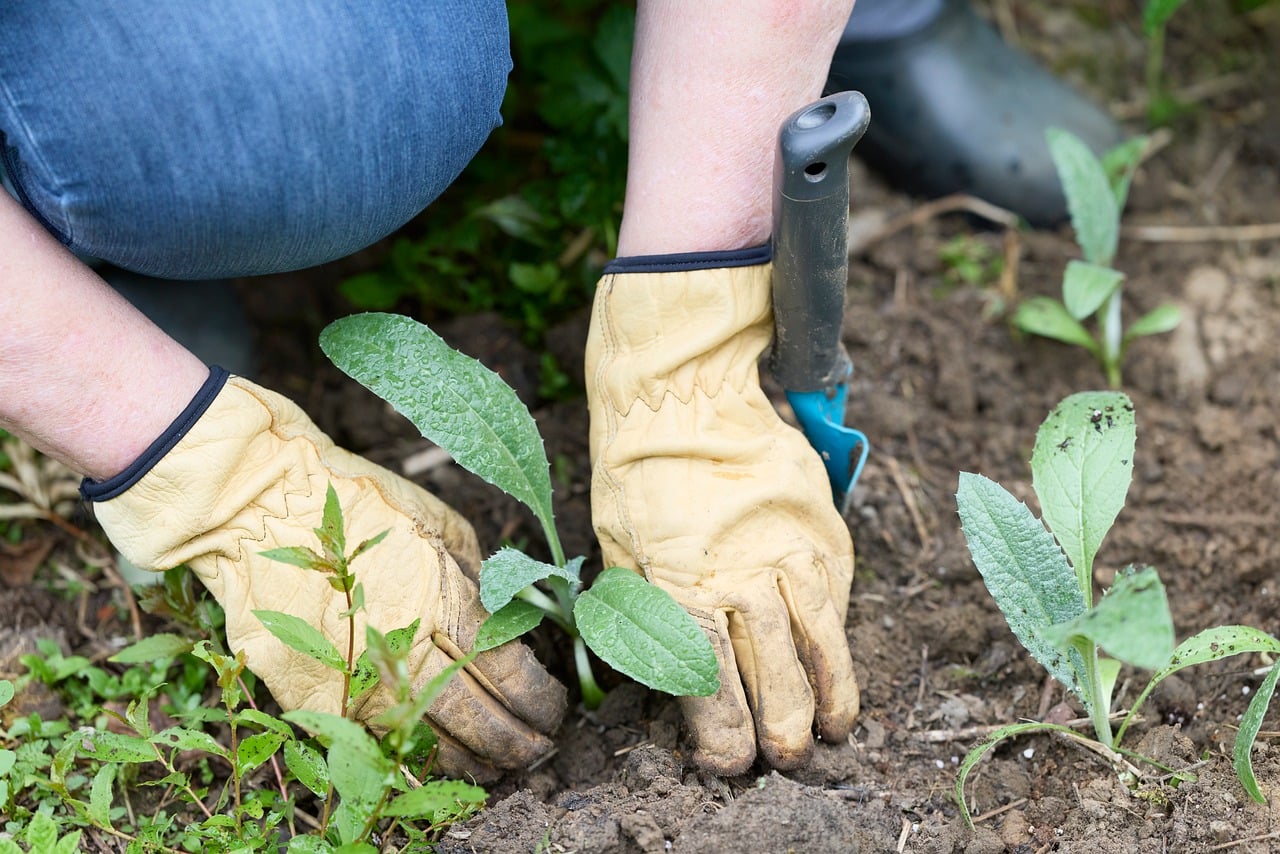
The Project in Marlborough
Growing a thriving backyard vegetable garden in Middlesex County brings immense satisfaction, fresh produce, and connection to New England’s agricultural heritage. However, homeowners across Marlborough, from established neighborhoods near Lake Williams to residential developments along the Sudbury reservoir watershed, face a notoriously difficult native growing medium. Glacial till across the region is packed with dense granite stones, compact hardpan clay, and naturally acidic subsoil. Attempting to till backyard dirt directly into a garden bed often results in broken rototiller tines, stunted root crops, and waterlogged soil. Creating high-yield vegetable garden soil Marlborough MA beds requires constructing raised planters filled with balanced, enriched organic soils. Gardeners can jumpstart their planting season by ordering quality gravel delivery in Marlborough alongside screened garden blends.
Selecting clean, nutrient-dense growing mediums ensures robust root systems and high vegetable yields. Browse popular materials for this area:
- Garden soil → Best for raised vegetable beds, heirloom tomatoes, and root crops.
- Compost soil → Best for infusing sandy till with microbial life and active organic matter.
- Screened topsoil → Best for foundational bed volume and balancing organic soil blends.
Learn more in our guide to premium garden soil.
Why Marlborough’s Soil and Climate Shape This Project
Marlborough geology features stony drumlins and glacial till. Canton and Scituate sandy loams contain heavy rock fragments over dense hardpan. Furthermore, native New England forest soils are naturally acidic (pH 4.8 to 5.5), which locks up phosphorus and calcium.
Central Massachusetts features a relatively short growing season spanning approximately 150 frost-free days between mid-May and early October. Heavy native till warms slowly in spring, delaying seed germination. Constructing raised beds filled with dark, crumbly vegetable garden soil allows soil temperatures to warm weeks earlier in spring, providing the aerated, rock-free environment needed for deep-rooting heirloom vegetables.
Best Soil and Compost Options for Marlborough Gardens
Choosing properly formulated growing media ensures your vegetable garden soil Marlborough MA setup produces abundant harvests year after year.
| Material | Best Used For | Key Advantage in Marlborough |
|---|---|---|
| Enriched Garden Soil | Raised vegetable planters and herb beds | Pre-blended loam, compost, and sand ensures rock-free root growth. |
| Compost Soil | Organic bed enrichment and heavy mulch top-dress | Introduces active beneficial biology to break down mineral nutrients. |
| Screened Topsoil | Deep raised bed base layers and lawn grading | Free of New England cobbles, providing stable mineral foundation bulk. |
| Coarse Washed Sand | Improving heavy clay drainage in in-ground plots | Loosens tight subgrade compaction for better water percolation. |
Enriched garden soil is the optimal choice for raised vegetable boxes. Its balanced structure combines mineral loam for nutrient retention, sand for drainage, and aged compost for microbial activity. Blending pure compost soil into upper root zones provides slow-release nitrogen, supporting heavy-feeding crops like peppers, squash, and sweet corn.
Step-by-Step Raised Bed Garden Construction
Build a high-yielding, low-maintenance vegetable garden in Marlborough with these practical steps.
- Select a sunny site: Choose a spot with six to eight hours of sun, orienting beds north-to-south.
- Build bed frames: Assemble cedar or hemlock frames ten to twelve inches deep. Similar boxes are built in Waltham.
- Attach hardware cloth: Fasten 1/2-inch galvanized mesh to the bottom to stop burrowing voles and moles.
- Lay cardboard barrier: Cover native turf with plain corrugated cardboard to smother weeds naturally.
- Fill with rich soil: Fill with a 70/30 blend of enriched garden soil and compost to within two inches of top rims.
- Balance soil pH: Test pH and apply dolomitic lime if needed to achieve a 6.2 to 6.8 range for vegetables.
How Much Soil Do You Need?
Calculate garden soil volume using standard formulas: Multiply bed length by width by soil depth in feet to get cubic feet, divide by 27 for cubic yards, and multiply cubic yards by 1.2 to convert to delivered tons.
Consider three popular 4-foot wide by 8-foot long raised beds in Marlborough (96 total square feet) with a soil depth of 10 inches (0.83 feet):
96 sq ft × 0.83 ft = 79.68 cubic feet.
79.68 / 27 = 2.95 cubic yards.
2.95 × 1.2 = 3.54 tons.
Ordering approximately 3.5 cubic yards (roughly 4 tons) of soil allows adequate volume to accommodate natural settling after your first thorough watering.
Common Mistakes to Avoid in Marlborough
- Attempting in-ground gardening without rock removal: Unscreened New England till contains large cobbles that deform carrots and damage gardening equipment.
- Using treated railroad ties or CCA lumber: Chemical wood preservatives can leach toxic heavy metals into edible vegetable crops.
- Filling beds with pure commercial compost: 100 percent compost shrinks rapidly, dries out between waterings, and can burn young seedlings with excess salts.
- Neglecting soil pH testing: Acidic Marlborough soils lock up vital nutrients; failing to add garden lime results in stunted, yellowing plant foliage.
- Making raised beds wider than four feet: Beds wider than four feet force you to step on and compact the loose garden soil while weeding or harvesting.
Local Sourcing, Permitting, and Delivery in Marlborough
Residential raised garden beds do not require municipal building permits in Marlborough. Homeowners near protected wetland zones along Lake Fort Meadow should ensure soil piles do not wash into resource buffers. For comprehensive soil testing and crop recommendations, utilize the soil testing laboratory at UMass Extension.
Plan your bulk soil delivery drop carefully. Dump trucks need dry, accessible staging areas such as driveways or curbside pads. Spread a poly tarp to make shoveling clean before requesting bulk aggregate delivery in Marlborough.
Frequently Asked Questions
Why are raised beds better than in-ground gardens in Marlborough?
Raised beds raise root zones above stony, acidic glacial till. They warm up weeks earlier in spring, eliminate rock picking, and allow you to control soil fertility and drainage completely.
How often should I add fresh compost to my vegetable beds?
Add a one-to-two-inch top dressing of organic compost soil every spring or autumn. Working compost into the top few inches replenishes organic matter consumed by heavy-feeding vegetables.
Do I need to line raised beds with landscape fabric?
Do not use synthetic landscape fabric at the base of raised vegetable beds, as it restricts deep root growth and prevents earthworms from entering. Use plain cardboard instead, which decomposes naturally.
What is the ideal soil pH for vegetables in central Massachusetts?
Most vegetables thrive in a slightly acidic to neutral pH between 6.2 and 6.8. Because native soils are naturally acidic (pH 5.0), adding dolomitic garden lime is often necessary to achieve optimal fertility.
Related Resources
- Enriched Garden Soil Product Information
- Compost Soil Specifications
- Screened Topsoil Product Details
- Comprehensive Garden Soil Guide
Final Thoughts
Investing in fertile, rock-free vegetable garden soil Marlborough MA blends transforms challenging New England terrain into a prolific backyard harvest. Explore diverse gravel and landscape stone services across Massachusetts to source organic soils, composts, and decorative aggregates. Connect with Simple Gravel to order bulk materials and schedule your Marlborough gravel delivery today.











