




The Project in Grand Haven
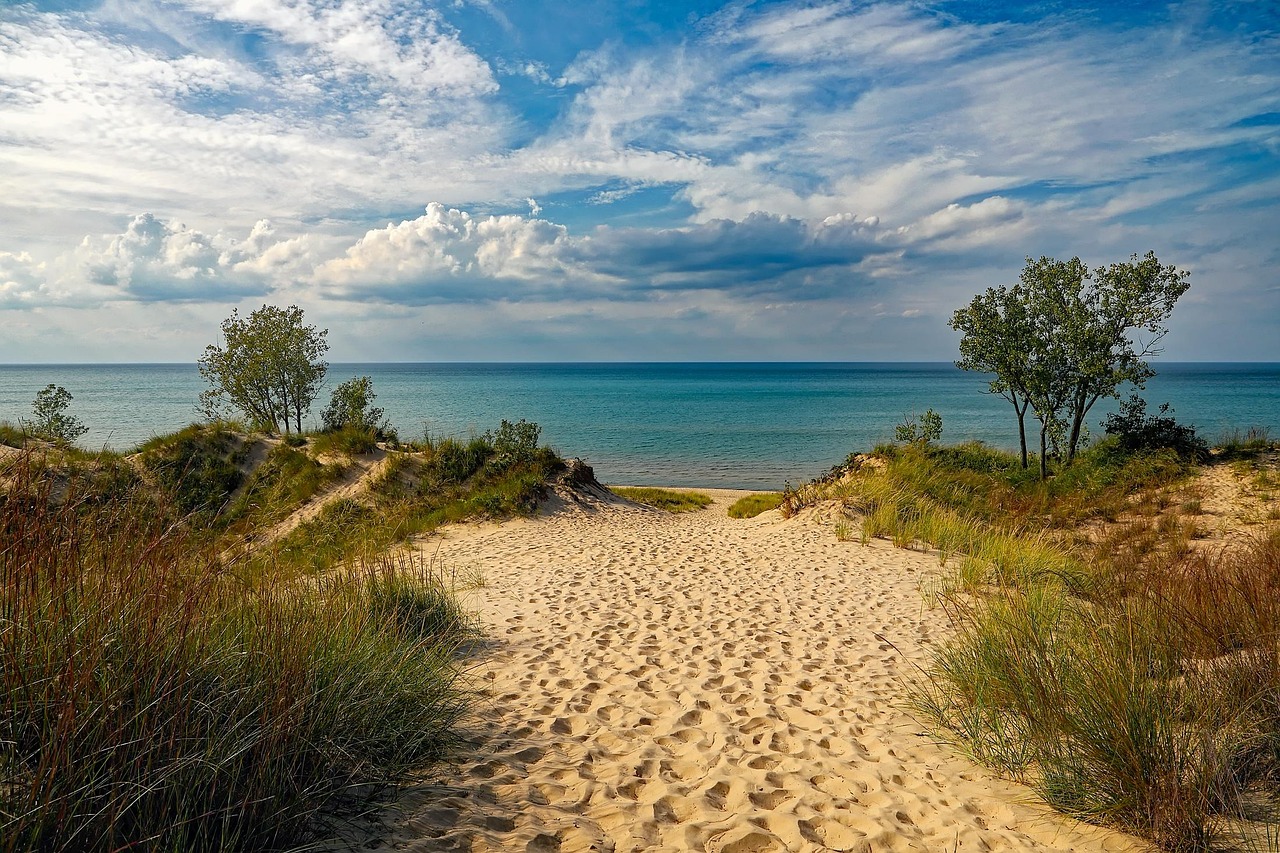
Located along the shores of Lake Michigan and the mouth of the Grand River, Grand Haven is renowned for its historic beach cottages, coastal boardwalks, and sweeping freshwater dunes. However, landscaping around lakeside cottages in neighborhoods near Highland Park, Grand Haven State Park, and along Sheldon Road presents serious ground stability challenges. Native dune sand shifts continuously underfoot, blowing across wooden porches during autumn storms and swallowing unedged stepping stones. Trying to establish a neat lawn on loose coastal sand often results in patchy grass and blown sand indoors. Designing a resilient beach cottage yard Grand Haven MI landscape utilizes angular walkway gravel, smooth pea gravel seating courtyards, and heavy river rock borders to lock down shifting sand. Cottage owners can arrange dependable gravel delivery in Grand Haven to receive quarry materials directly at coastal properties.
Selecting aggregate materials with high friction and wind resistance keeps coastal walking paths firm and tidy. Browse popular materials for this area:
- Walkway gravel → Best for stable footpaths that lock together over shifting coastal sand.
- Pea gravel → Best for barefoot-friendly fire pit circles and relaxed cottage patio gathering zones.
- River rock → Best for perimeter drainage swales, drip lines, and wind-resistant landscape borders.
Learn more in our guide to walkway gravel.
Why Grand Haven’s Soil and Climate Shape This Project
Grand Haven’s coastal terrain is composed of Holocene dune sand deposits classified under the Oakville and Deer Park soil series. These soils consist of fine, uniform silica sand grains with zero natural cohesive binding strength. When dry, loose dune sand shifts like marbles under footwear, making steep cottage access paths difficult and unstable for visitors carrying beach gear.
Lake Michigan weather patterns introduce strong westerly winds and heavy winter lake-effect snow squalls from November through March. Lightweight wood mulches blow away into neighbors’ yards during gale-force gales, while round river pebbles can roll downhill on slopes. Using angular crushed walkway gravel over heavy non-woven geotextile fabric creates an interlocking matrix that stays anchored against coastal winds, shedding water cleanly while preventing foot traffic from displacing underlying sand.
Best Gravel and Stone Options for Dune-Country Cottages
Selecting appropriate aggregates for your beach cottage yard Grand Haven MI project balances barefoot comfort, wind resistance, and structural stability.
| Material | Best Used For | Key Advantage in Grand Haven |
|---|---|---|
| Walkway Gravel (3/8″ Crushed) | Primary walking paths and sloped cottage trails | Fractured angular faces lock together to form a firm, non-shifting path. |
| Pea Gravel (3/8″ Rounded) | Casual sitting patios, outdoor showers, fire pits | Smooth naturally tumbled river pebbles feel pleasant under bare feet. |
| River Rock (1″ to 3″) | Perimeter foundation swales and downspout aprons | Heavy rounded stones remain stable during severe coastal gale storms. |
| Stone Dust | Underlayment bedding beneath flagstones and steps | Compacts tightly into a dense crust that resists blowing dune sand. |
Crushed walkway stone (3/8-inch minus) is the premier choice for cottage walkways. Its sharp angular facets wedge together under foot traffic, creating an unyielding path that easily supports wheeled coolers, carts, and luggage. For casual fire pit circles and outdoor rinsing stations, pea gravel delivers classic nautical charm and barefoot comfort.
Step-by-Step Beach Cottage Pathway Installation
Construct clean, stable walking trails over Grand Haven dune sand with these practical steps.
- Map walking paths: Lay garden hoses to outline three- to four-foot-wide paths. Similar coastal paths are built in Norton Shores.
- Excavate loose sand: Dig out four inches of dune sand, leveling the trench bottom.
- Anchor border edging: Install steel edging with eighteen-inch steel pins driven deep into native sand.
- Lay landscape fabric: Line the trench with needle-punched geotextile to stop stone sinking into dune sand.
- Spread compactable base: Add two inches of stone dust or base rock, tamping firmly.
- Spread walkway gravel: Shovel in two inches of walkway gravel or pea stone, raking below border rims.
How Much Gravel Do You Need?
Calculate aggregate requirements using standard bulk formulas: Multiply path length by width by stone depth in feet to get cubic feet, divide by 27 for cubic yards, and multiply cubic yards by 1.4 to calculate total required tons.
Consider an 80-foot coastal walkway in Grand Haven that is 3 feet wide (240 square feet) requiring a two-and-a-half-inch (0.21-foot) depth of walkway gravel:
240 sq ft × 0.21 ft = 50.4 cubic feet.
50.4 / 27 = 1.87 cubic yards.
1.87 × 1.4 = 2.61 tons.
Adding a ten percent allowance for edge settling yields approximately 2.9 tons of stone, deliverable in a single small dump truck load.
Common Mistakes to Avoid in Grand Haven
- Skipping landscape underlayment fabric: Without heavy fabric, crushed stone gradually sinks into loose dune sand, disappearing within two seasons.
- Using shallow plastic edging stakes: Standard four-inch landscape pins pull out easily in loose sand; always use twelve- to eighteen-inch steel rebar pins.
- Installing pea gravel on steep slopes: Rounded pea stone rolls downhill like ball bearings on slopes over five percent; use angular walkway gravel instead.
- Using lightweight wood mulch near dunes: Autumn gales off Lake Michigan blow wood chips into sand dunes, creating a continuous mess.
- Neglecting seasonal sand accumulation: Windblown dune sand accumulates over gravel paths; sweep or blow sand off paths each spring.
Local Sourcing, Permitting, and Delivery in Grand Haven
Properties within designated Michigan Critical Dune Areas fall under the regulatory authority of the Michigan Department of Environment, Great Lakes, and Energy (EGLE). Pathway construction that alters natural dune contours may require an EGLE critical dunes permit. Consult local coastal conservation guidelines from MSU Extension.
Deliveries in narrow cottage neighborhoods require careful coordination. Coastal cottage lanes often feature narrow turns and low overhead power lines. Arrange for aggregate to be dumped on a paved parking pad before requesting bulk aggregate delivery in Grand Haven.
Frequently Asked Questions
What is the best gravel for walking barefoot at a beach cottage?
Pea gravel is the most comfortable aggregate for bare feet because natural river tumbled edges are completely smooth. It is ideal for outdoor rinse areas, casual fire pits, and private patios.
How do I prevent gravel from sinking into coastal dune sand?
Always install heavy non-woven geotextile fabric beneath the stone. The fabric distributes foot pressure and creates an impenetrable separation barrier that stops gravel from working down into native sand.
Can I build gravel paths on steep beach dune staircases?
On steep slopes exceeding ten percent, construct timber box steps anchored with rebar, and fill each tread box with compacted angular walkway gravel over geotextile fabric.
Will winter snow removal damage a gravel cottage path?
Using a plastic snow shovel held slightly above the stone prevents disruption. Compacted angular walkway gravel forms a dense surface crust that resists shovel snags far better than loose round stone.
Related Resources
- Walkway Gravel Specifications
- Pea Gravel Product Information
- Natural River Rock Product Details
- Comprehensive Walkway Gravel Guide
Final Thoughts
Designing an attractive beach cottage yard Grand Haven MI path creates a clean, durable transition between coastal dunes and comfortable home living. Explore comprehensive gravel and landscape stone services across Michigan to source certified quarry aggregates tailored for shoreline conditions. Connect with Simple Gravel to calculate material volumes and schedule your Grand Haven gravel delivery today.











