




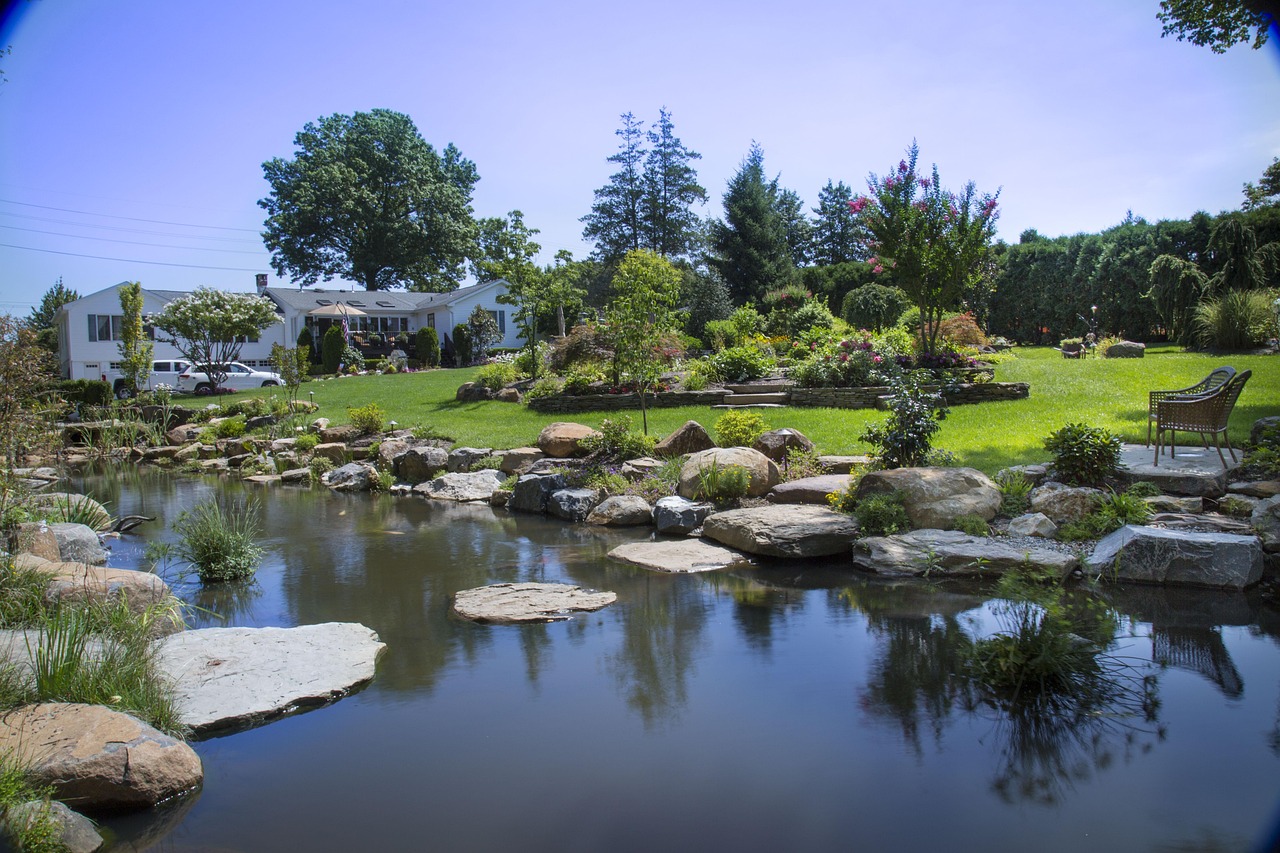
Designing a natural water feature, backyard koi pond, or cascading stream bed enhances residential outdoor spaces across northwest Indiana. In Lake Station, properties located near Fairview Avenue, along Central Avenue, and throughout neighborhoods bordering Deep River manage flat topography with high ground water levels. Water features require carefully chosen aggregates that stabilize rubber liners, filter circulating water, and withstand regional winter freeze cycles. Selecting proper garden pond stone Lake Station IN homeowners utilize ensures your pond maintains natural beauty, resists liner shifting, and supports healthy aquatic plants. You can inspect clean decorative aggregates on our Lake Station gravel delivery page to choose natural stone suited for backyard water landscaping.
Creating an enduring water garden requires combining soft underlayment sands, rounded stream cobbles, and smooth river rocks. Rounded stone shapes prevent puncturing delicate ethylene propylene diene monomer (EPDM) liners while anchoring bank vegetation against storm runoff.
To inspect regional watershed hydrology, river ecology, and soil characteristics across northern Lake County, visit:
Lake Station Geography and Deep River Basin (Wikipedia)
Why Water Landscaping Demands Garden Pond Stone in Lake Station
Lake Station rests within the Deep River and Calumet River drainage basins. The local water table sits close to the surface, and seasonal storms frequently saturate surrounding soils. Flat ground slopes mean water moves slowly, creating soggy lawn sections if backyard drainage is unmanaged. When building a pond, soil movement around the perimeter can put pressure on excavation walls, especially during winter freezes when frost penetrates up to thirty inches deep.
Using smooth garden pond stone Lake Station IN landscaping requires protects pond liners from puncture risks posed by sharp native rock or jagged quarry gravel. Rounded river gravels provide extensive surface area for beneficial aerobic bacteria, which break down organic debris and keep pond water clear. Furthermore, smooth stones create safe, natural perches for frogs, fish, and birds.
- Smooth, colorful natural bed stone → river rock
- Clean filtration and edge stabilizing rock → 1 1/2″ clean rock
- Protective excavation cushion sand → utility sand
- Backyard pathway accent stone → pea gravel
Browse decorative pond stones available in Lake Station
Best Stone Types for Backyard Ponds and Streams
A balanced pond design combines different aggregate sizes to anchor liners, build cascading waterfalls, and establish biological filtration shelves.
| Pond Area | Recommended Aggregate | Functional Benefit |
|---|---|---|
| Liner Underlayment Cushion | Utility Sand (2″ Base) | Creates a smooth, stone-free bed beneath underlayment fabric to protect liners from subterranean roots. |
| Deep Basin and Shelf Armor | 1 1/2″ to 3″ River Rock | Smooth rounded cobbles hold rubber liners firmly in place without risking puncture leaks. |
| Bio-Filter and Plant Baskets | 3/4″ Clean River Gravel | Provides high surface area for biological filtration while locking aquatic plant roots firmly in place. |
| Perimeter Coping and Swales | 1 1/2″ Clean Rock | Stabilizes pond banks and creates permeable drainage zones that catch lawn runoff during heavy rain. |
Excavating and Cushioning the Pond Basin
Excavate your pond in stepped terraces, typically creating a shallow twelve-inch shelf for marginal plants and a deeper two- to three-foot central basin for wintering fish. Inspect the excavated dirt thoroughly, removing sharp stones, tree roots, and glass debris. Similar drainage swale and stone landscaping methods protect properties in nearby Hobart, where high water tables require proper storm runoff routing.
Spread a two-inch layer of clean utility sand across the excavated soil, tamping it smooth to create a protective cushion. Lay down heavy geotextile underlayment fabric, followed by your 45-mil EPDM rubber liner. Keep the liner relaxed without stretching it taut over terrace contours.
Placing Stone and Securing the Perimeter
Begin placing larger boulders and rounded river rocks at the lowest basin point, working upward along the stepped terraces. Stack larger rocks along vertical walls to conceal rubber edges from ultraviolet sunlight. Fill terrace crevices with smaller clean river gravel to lock the stones in place. Read our informative river rock guide to learn creative water feature placement and color selection techniques.
Along the outer rim, dig a shallow anchor trench, tuck the liner edges downward, and weigh them down with heavy garden pond stone Lake Station IN properties utilize for bank stabilization. Incorporate clean rock swales around the pond rim to divert nutrient-rich lawn fertilizer runoff away from your pond water.
Benefits of Bulk Stone Delivery in Lake Station
- Bulk truckloads bring cubic yards of sorted river rock directly to your staging area without heavy lifting from store shelves.
- Avoids multiple trips with personal trailers that can crack springs under heavy stone weight.
- Provides clean, washed aggregates free from harmful chemical contaminants that could harm fish.
- Local delivery drivers place materials precisely near garden access routes for faster wheelbarrow transport.
How Much Stone Will You Need for Your Water Feature?
Estimating stone quantities for garden pond stone Lake Station IN projects involves calculating surface area and rock thickness. Multiply shelf or stream length in feet by width in feet, multiply by stone depth in inches, and divide by 324 to find cubic yards. Decorative river rock weighs roughly 1.4 tons per cubic yard.
For example, if you are lining a stepped pond shelf and surrounding stream bed covering 150 square feet with a 3-inch layer of rounded river rock, multiply 150 by 3 to reach 450. Divide 450 by 324 to calculate 1.39 cubic yards. Multiplying 1.39 by 1.4 tons gives approximately 1.95 tons of clean stone needed for the installation.
Frequently Asked Questions
Can I use crushed limestone inside my backyard fish pond?
No, crushed limestone leaches calcium carbonate into the water, raising pH levels excessively and stressing fish and aquatic vegetation.
Why is utility sand necessary beneath the pond liner?
Sand fills voids and covers hidden glass, sharp rocks, and tree roots that could puncture expensive rubber liners under water pressure.
How do I prevent algae growth on pond stones?
Maintain proper water circulation, incorporate aquatic plants to consume excess nutrients, and use clean washed river stone during construction.
Can river rock stay submerged throughout Lake Station winters?
Yes, natural smooth river stone is highly durable and does not degrade or flake under repeated freeze-thaw cycles.
Final Thoughts
Installing natural river stone and protective sand transforms your Lake Station backyard into a peaceful water sanctuary that endures seasonal weather. By cushioning excavation contours, placing smooth rounded rock, and anchoring perimeter edges, you create a healthy aquatic ecosystem that stays beautiful year after year. Find your Indiana delivery area here to order bulk decorative stone delivered right to your home.











