




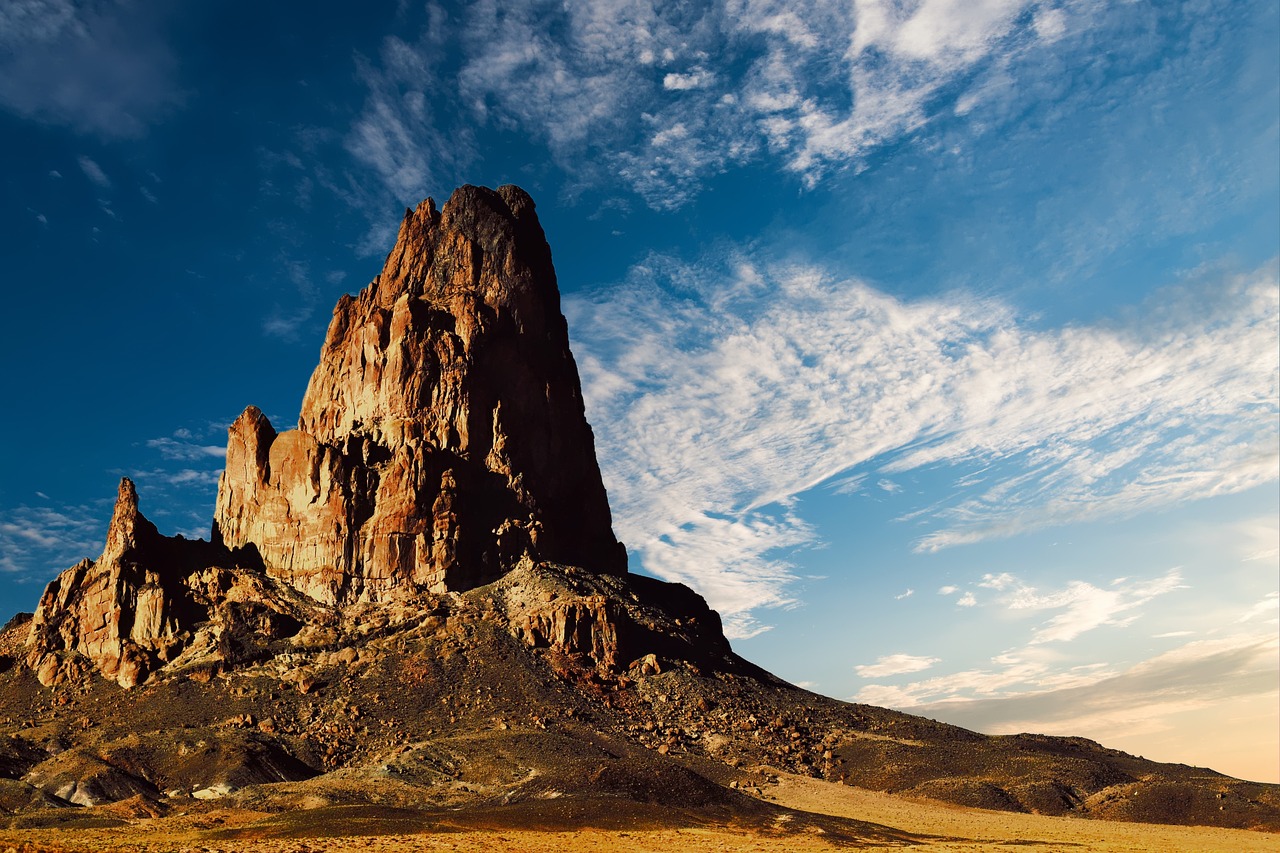
Designing and installing resilient, water-efficient outdoor spaces across Arizona requires selecting durable mineral aggregates, river stones, and porous top dressing. Spanning the arid Sonoran Desert around Phoenix and Tucson up toward high desert plateaus, residential properties in Arizona face scorching summer heat, intense ultraviolet radiation, and long dry spells broken by sudden summer monsoons. Traditional turf lawns burn up quickly and waste thousands of gallons of precious municipal water every season. Sourcing high-grade materials for Arizona desert landscaping enables homeowners to replace thirsty grass with striking xeriscape textures that reduce irrigation demand by up to eighty percent while creating inviting, low-maintenance outdoor living areas. Property owners can schedule rapid bulk deliveries through our Arizona aggregate delivery page to secure decorative ground covers, coarse stone chips, and clean bedding sand direct to their jobsite.
Switching from turf to mineral xeriscapes conserves regional aquifer reserves, prevents soil erosion during flash floods, and drastically cuts monthly yard care chores.
To inspect Arizona physiographic provinces, regional water conservation policies, and native xeriscape planting recommendations, check:
Geography and Arid Climate Zones of Arizona (Wikipedia)
Why Climate Dictates Arizona Desert Landscaping
Native desert ground across the state features alkaline soils, coarse granitic sand, and impermeable caliche hardpan layers formed by calcium carbonate deposition. When extreme summer temperatures exceed one hundred degrees Fahrenheit for months at a time, organic wood mulches bake dry, blow away in dust storms, and rob underlying soils of nitrogen as they decompose. Constructing authentic Arizona desert landscaping relies on mineral ground covers that deflect solar heat, shade sensitive plant root zones, and stay in place during intense haboobs and microbursts.
Smooth river rock varieties evoke natural desert washes, directing rainwater toward deep-rooted succulents and native mesquite trees. Angular crushed stone varieties interlock along footpaths and perimeter borders, preventing gravel migration into adjoining flagstone patios. In suburban communities like Litchfield Park and southern desert enclaves like Rincon Valley, mineral rock coverings keep foundation perimeters dry while creating an attractive, clean barrier against desert pests.
- Rounded natural dry wash stone → River rock
- Angular decorative bed topper → #11 crushed stone
- Firm compacted pedestrian path rock → Walkway gravel
- Deep perimeter drainage ballast → 1 1/2″ clean rock
Recommended Materials for Low-Water Desert Yards
Pairing contrasting stone gradations with permeable weed barriers establishes a functional xeriscape that thrives under intense desert sunshine.
| Application Zone | Recommended Aggregate | Function in Desert Landscapes |
|---|---|---|
| Dry Creek Beds and Swales | River Rock (1″ to 3″) | Slows torrential monsoon runoff, prevents soil gullying, and mimics natural arroyos. |
| Open Shrub and Cactus Beds | #11 Crushed Stone (1/4″) | Reflects radiant heat, shades topsoil, and suppresses windblown desert weed seeds. |
| Garden Paths and Walkways | Walkway Gravel (3/8″ Minus) | Packs down underfoot into a smooth, firm walking surface that resists wind drift. |
| Foundation Splash Bands | 1 1/2″ Clean Crushed Rock | Prevents mud splattering against stucco walls and stops ponding around footings. |
Grading and Caliche Excavation for Desert Plantings
Before installing decorative rock, inspect your property for dense caliche layers. Caliche acts like concrete underground, preventing drainage and trapping irrigation water around plant roots until they rot. Excavate through hardpan layers with a pickaxe or rotary hammer when planting desert shrubs, digging holes three times wider than the root ball to allow roots to establish in native sandy loam.
Grade the yard with a gentle one to two percent fall away from your home toward natural drainage swales or retention basins. Lay a commercial-grade woven geotextile fabric across open planting areas, securing it every three feet with steel landscape staples. Geotextile fabric allows rainwater to seep straight into subsoils while stopping fine desert dust from mixing with clean rock toppings. Review our river rock material guide for detailed grading techniques and drainage swale design ideas.
Installing Dry Washes and Walkway Gravel
Channeling roof runoff into dry stream beds protects foundation footings while replenishing desert subsoils. Excavate shallow trenches eight to twelve inches deep and two to four feet wide, curving them through your landscape to resemble natural watercourses. Line the trench with filter fabric, then place medium to large stones along the banks and smooth rounded rock along the center invert.
For high-traffic pathways connecting driveways, courtyards, and patio areas, spread a three-inch layer of walkway gravel directly over compacted native ground. Rake the aggregate level and moisten the stone lightly with a hose before running a mechanical plate compactor over the surface. Homeowners in Foothills communities such as Tanque Verde appreciate how compacted angular stone resists erosion on sloping alluvial fans.
Benefits of Bulk Aggregate Delivery Across Arizona
- Quarry-direct delivery drops massive tons of decorative stone right on your staging pad.
- Eliminates hauling dozens of heavy plastic retail bags across hot desert parking lots.
- Consistent quarry sizing ensures uniform color and texture across expansive acreage.
- Professional drivers maneuver residential cul-de-sacs and rural gates efficiently.
Calculating Aggregate Quantities for Arizona Projects
Accurate material estimation prevents running short during large landscape transformations. Multiply your project length in feet by the width in feet to obtain the total square footage. Multiply that square footage by the desired rock depth in inches, then divide by 324 to calculate total cubic yards. One cubic yard of crushed rock or river gravel weighs approximately 1.4 tons.
For example, to cover an open 1,200-square-foot front yard xeriscape with a 2-inch layer of #11 crushed stone, multiply 1,200 by 2 to get 2,400. Divide 2,400 by 324 to determine 7.41 cubic yards. Multiply 7.41 cubic yards by 1.4 tons per cubic yard to find 10.37 tons. Ordering eleven tons ensures full coverage across uneven desert subgrades.
Frequently Asked Questions
Does rock landscaping make my yard hotter in summer?
Light-colored aggregates reflect heat, but proper placement away from bedroom windows combined with native shade trees keeps outdoor spaces comfortable.
Should I put plastic sheeting under desert rock?
No, non-porous plastic suffocates soil microbes and traps stagnant water; always use breathable woven geotextile fabric.
How thick should decorative gravel be applied in xeriscapes?
A depth of two to three inches provides excellent ground coverage, blocks light from weed seeds, and prevents fabric exposure.
How do I clean dust and desert leaves out of gravel?
Use a leaf blower on low throttle to sweep mesquite pods and dust off without dislodging heavy gravel.
Final Thoughts
Transforming your outdoor property with native stone, river rock, and drought-tolerant plantings creates a beautiful, authentic desert aesthetic that conserves water and withstands harsh climate extremes. By excavating dense caliche, installing heavy geotextile fabric, and layering durable aggregates, your Arizona home gains year-round curb appeal and lasting protection against seasonal monsoon runoff. Find your Arizona delivery area here to schedule bulk delivery of river rock, crushed stone, and walkway gravel directly to your property.
Order low-water desert landscaping materials across Arizona today











