




Constructing an eco-friendly private driveway on agricultural parcels in south Sacramento County requires building a permeable gravel driveway Vineyard CA using clean #57 stone, 1/4-inch clean crushed chips, and compacting crushed run. In Vineyard, California, properties across south county farm parcels contend with heavy clay soils and winter storms that turn dirt lanes into mud. Paving with impermeable asphalt generates runoff that floods pastures and violates drainage rules. Installing an engineered permeable gravel driveway Vineyard CA project creates an aggregate reservoir that absorbs rain instantly, recharges groundwater, and supports farm trucks and trailers without rutting. Sourcing washed #57 stone, clean 1/4-inch chips, and crushed run provides an unyielding driving surface. Homeowners can schedule rapid bulk deliveries through our Vineyard aggregate delivery page to secure coarse drainage stone and base rock direct to their driveway.
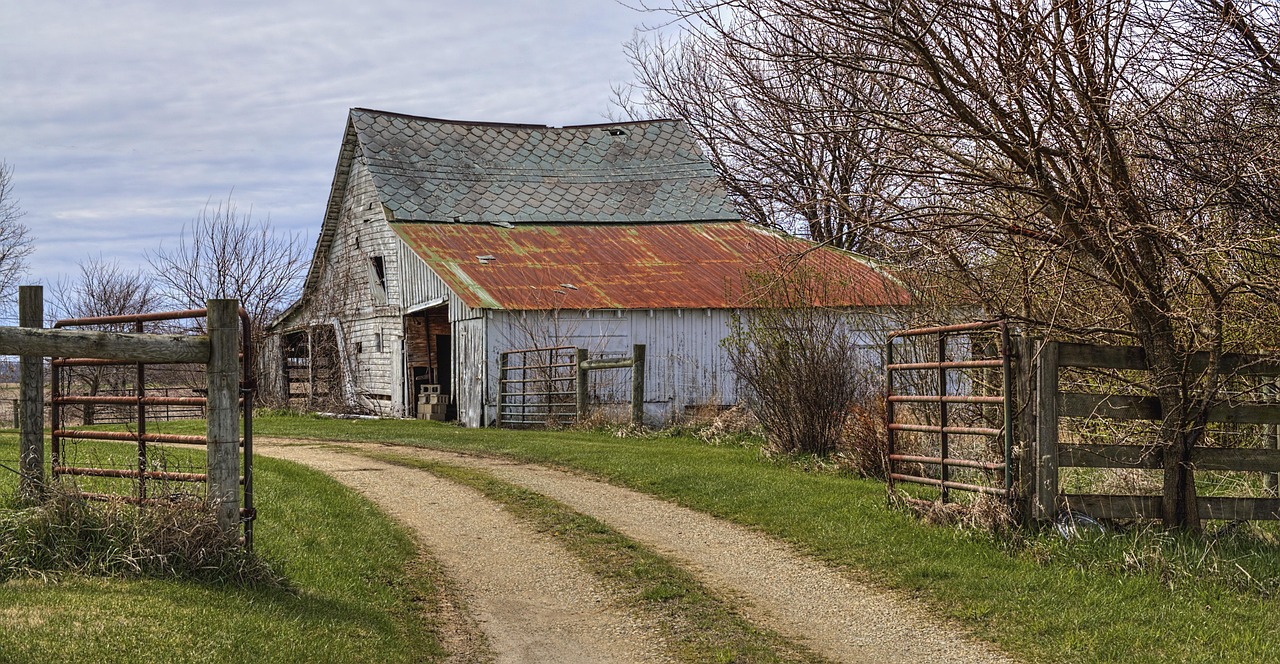
Compacting clean #57 stone over stabilization geotextile fabric creates an open-graded permeable driveway that absorbs heavy rainfall.
To inspect permeable pavement engineering criteria, subgrade stormwater infiltration standards, and open-graded aggregate specifications, check:
Permeable Pavement and Stormwater Infiltration Standards (Wikipedia)
Why Delta Flatlands Demand a Permeable Gravel Driveway Vineyard CA
Vineyard sits on low-gradient alluvial plains where heavy winter storms frequently drop several inches of rain in a single weekend. Because native clay loam drains slowly, impermeable surfaces force water into roadside ditches that quickly overflow. Loose unconfined gravel driveways churn into muddy ruts as vehicles force stone downward into wet clay subsoils. Installing a high-performance permeable gravel driveway Vineyard CA creates a subsurface storage reservoir beneath your driving lane, allowing thousands of gallons of stormwater to infiltrate slowly without pooling on the driveway surface.
Clean #57 stone features uniform three-quarter-inch angular fractured rocks washed clean of dust and sand, producing a forty-percent void space that stores rainwater while providing exceptional structural interlock under heavy vehicle tires. Clean 1/4-inch crushed chips form a tight, smooth wearing course that fills surface voids and provides comfortable foot travel. Dense crushed run provides structural containment along outer driveway shoulders. In nearby California communities like Coachella, property owners choose clean open-graded aggregate for stable permeable driveways.
- Clean washed angular gravel with open void space for rapid stormwater infiltration → #57 stone
- Clean angular mini-chips for smooth, permeable surface wearing layers → 1/4″ clean crushed stone
- Dense-graded crushed rock for heavy structural driveway shoulders → Crushed run
- Large angular fractured stone for deep subgrade mud stabilization → #4 crushed stone
Recommended Cross-Section for a Permeable Gravel Driveway
Consult this engineering schedule to properly prepare subgrades, geotextile filtration fabric, open-graded reservoirs, and surface stone.
| Driveway Layer | Recommended Aggregate | Target Thickness and Functional Role |
|---|---|---|
| Native Subgrade Preparation | Compacted Native Clay Loam | Excavated 8 to 10 inches deep; rolled solid with a flat or 1% crown slope. |
| Separation Geotextile Fabric | Non-Woven Drainage Geotextile | Heavy-duty fabric; prevents clay migration while letting water drain freely. |
| Permeable Reservoir Base | Clean #57 Stone | 6 inches compacted depth; stores stormwater and supports heavy truck loads. |
| Surface Wearing Course | 1/4″ Clean Crushed Stone | 2 inches uniform depth; provides smooth, non-shifting driving comfort. |
Excavating, Edging, and Installing Permeable Gravel
Begin driveway construction by excavating eight to ten inches below finished grade across the planned corridor, typically twelve to fourteen feet wide for private farm lanes. Ensure the excavation floor is flat or crowned slightly, and roll the native subgrade solid with a heavy vibratory roller.
Line the entire excavation floor and side walls with heavy non-woven drainage geotextile fabric. This critical membrane prevents native delta clay from pumping upward into the clean gravel voids under traffic. Spread clean #57 stone in two uniform three-inch lifts. Compact each lift with a heavy roller or plate compactor without using water, allowing angular rock faces to knit tightly together. Spread a two-inch wearing surface of 1/4-inch clean crushed chips over the reservoir base, rolling once more to lock chips into surface voids. Install treated timber or heavy crushed run shoulders to contain outer gravel borders. When ordering materials through our Vineyard stone delivery portal, bulk drop placement keeps materials convenient along your access route. Review our detailed #57 clean gravel material guide for specialized void ratio formulas and stormwater retention tips.
Eliminating Driveway Potholes and Mud Rutting
Traditional gravel roads develop potholes when fine binder soils wash away during storms. Because permeable driveways use clean washed stone without fines, water drains straight through the surface, completely eliminating the standing puddle erosion that causes potholes.
Benefits of Bulk Aggregate Delivery in Vineyard, CA
- Delivers full multi-ton transfer dump truckloads directly along your driveway or rural lane.
- Eliminates purchasing dozens of costly, heavy 50-pound retail bags from local supply stores.
- Quarry-washed stone arrives 100 percent clean, open-graded, and free of dirt fines.
- Skilled drivers navigate rural farm gates, agricultural avenues, and long lanes safely.
Calculating Permeable Driveway Aggregate Tonnage Accurately
Accurate material calculation prevents construction halts and ensures full aggregate depth across long farm lanes. Measure driveway length in feet by width in feet to determine square footage. Multiply square footage by planned material depth in inches, then divide by 324 to establish cubic yards. Clean #57 stone and 1/4-inch clean stone chips weigh approximately 1.4 tons per cubic yard.
For example, to construct a 100-foot-long by 12-foot-wide driveway (1,200 square feet) with 6 inches of #57 stone base and 2 inches of 1/4-inch clean chips: For the #57 stone base, multiply 1,200 by 6 to reach 7,200. Divide 7,200 by 324 to find 22.22 cubic yards. Multiply 22.22 cubic yards by 1.4 tons per cubic yard to determine 31.11 tons. For the 1/4-inch surface chips, multiply 1,200 by 2 to get 2,400. Divide 2,400 by 324 to find 7.41 cubic yards, then multiply by 1.4 tons to determine 10.37 tons. Ordering 32 tons of #57 stone and 11 tons of 1/4-inch clean stone covers the entire installation with complete depth.
Frequently Asked Questions
Does a permeable gravel driveway require edge containment?
Yes, sturdy timber borders, concrete curbing, or dense crushed run shoulders prevent surface chips from scattering into pastures during sharp vehicle turns.
Can heavy farm equipment drive on permeable #57 stone?
Yes, angular #57 stone locks together under compaction to support heavy tractors, hay wagons, and horse trailers without sinking.
Do I need perforated drain pipes under a permeable driveway?
On slow-draining delta clay, adding perforated collector pipes at the base of the gravel reservoir helps convey excess water toward perimeter ditches during extreme storms.
How do I maintain a permeable gravel driveway?
Keep the surface free of organic leaves using a leaf blower, and replenish surface chips with a light top dressing every four to five years.
Final Thoughts
Installing a permeable gravel driveway is an intelligent, environmentally sustainable solution that eliminates mud ruts, controls stormwater, and withstands heavy agricultural traffic. Sourcing clean permeable gravel driveway Vineyard CA aggregates ensures your rural access lane remains smooth, firm, and fully operational through the wettest winter months. Find your Vineyard delivery area here to schedule bulk delivery of #57 stone, 1/4-inch clean chips, and crushed run directly to your property.











