
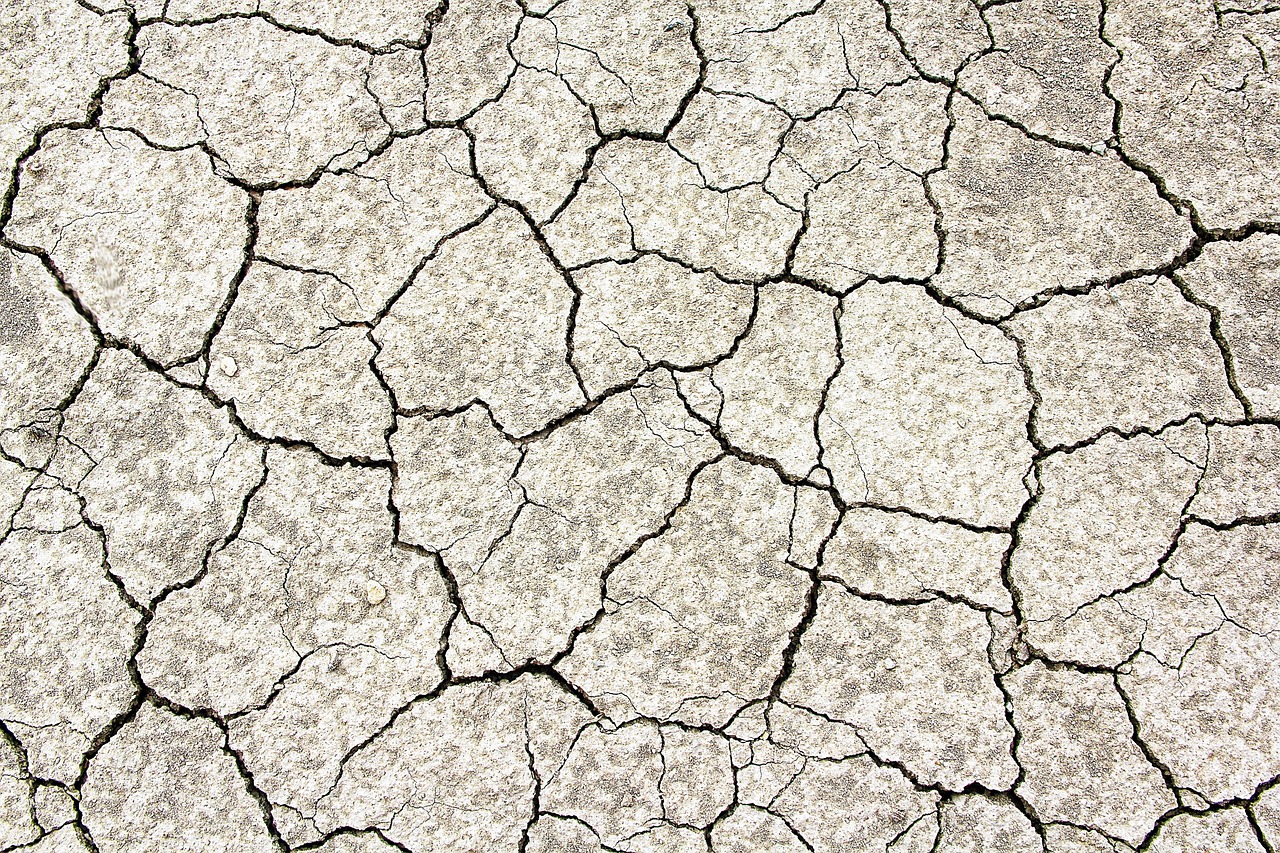
Transforming barren Florida ground into a productive landscape in eastern Lee County requires creating a fertile sandy soil garden Lehigh Acres FL using nutrient-rich garden soil, aged compost soil, and screened topsoil. In Lehigh Acres, Florida, homes situated on canal-lined lots east of Fort Myers feature intensely drained, silica-rich sandy soils with almost zero organic matter. Garden vegetables, fruit trees, and ornamental flower beds quickly wither as water and fertilizers drain through loose sand like a sieve. Developing an amended sandy soil garden Lehigh Acres FL project replenishes microbial life, binds essential moisture, and provides balanced nutrients for robust plant development. Sourcing premium garden soil, rich compost, and screened topsoil ensures bountiful garden harvests. Homeowners can arrange prompt bulk deliveries through our Lehigh Acres aggregate delivery page to receive soil blends right at their driveway.
Blending rich organic compost and premium garden soil into native sand creates moisture-retentive, fertile garden beds that produce thriving crops.
To inspect soil amendment techniques, organic matter ratios, and Florida agricultural cultivation standards, check:
Topsoil Amendment and Organic Soil Standards (Wikipedia)
Why Lee County Native Sands Require a Managed Sandy Soil Garden Lehigh Acres FL
Native soil in Lehigh Acres consists predominantly of fine Myakka sands that bake under intense subtropical sunshine. These sandy soils contain less than one percent organic matter, meaning water filters through in minutes and leaves root zones bone dry. Installing a dedicated sandy soil garden Lehigh Acres FL strategy introduces dense organic humus that acts like a sponge, holding moisture and plant nutrients right where roots need them.
Successful garden cultivation in South Florida requires a strategic blend of bulk soil amendments. Premium garden soil combines screened topsoil, aged compost, and aeration minerals to provide an ideal planting medium for raised beds and planter boxes. Rich compost soil introduces billions of beneficial soil microbes, nitrogen, and humic acids that break down minerals into plant-accessible nutrients. Screened topsoil adds mineral body and bulk loam to fill garden contours without introducing weeds or rocks. In neighboring Florida communities like Riverview, avid gardeners use compost soil and screened topsoil to enrich sandy garden plots.
- Nutrient-balanced planting blend for raised garden beds, vegetables, and flowers → Garden soil
- Fully aged organic compost for revitalizing depleted native sand and boosting fertility → Compost soil
- Screened mineral topsoil for establishing garden grade and leveling planting areas → Screened topsoil
- Natural pine bark mulch for insulating soil moisture and suppressing weeds → Bark mulch
Recommended Soil Amendment Schedule for Sandy Soil Gardens
Use this technical schedule to blend native sand with bulk amendments for in-ground plots, raised garden beds, and fruit tree planting.
| Planting Application | Recommended Soil Amendment | Target Layer Depth and Functional Role |
|---|---|---|
| In-Ground Garden Beds | Compost Soil | 3 to 4 inches tilled into top 6 inches; dramatically boosts moisture and organic content. |
| Raised Bed Fill | Premium Garden Soil | 8 to 12 inches depth; provides loose, nutrient-dense root zone for vegetables. |
| Fruit Tree Planting Hole | 50/50 Topsoil and Compost | Blended around root ball; ensures steady moisture without creating root circling. |
| Lawn Topdressing | Screened Topsoil | 1/2 to 1 inch spread over turf; smooths uneven sand dips and feeds grass roots. |
How to Amend and Cultivate Sandy Soil in Lehigh Acres
Begin by mapping out your garden plot or constructing raised garden boxes, choosing an area that receives at least six to eight hours of direct sunlight daily. Clear away existing turf, weeds, and palmetto roots from the planting footprint.
For in-ground beds, spread a generous three-to-four-inch blanket of compost soil across the native sand surface. Use a rotary tiller or garden fork to blend the compost deeply into the top six to eight inches of sand, creating a rich, dark sandy loam. For raised beds, fill the frames with ten to twelve inches of premium garden soil, lightly watering each layer to settle the mix without over-compacting. Incorporate slow-release organic fertilizers according to specific plant requirements. Finish by covering the soil surface with two inches of bark mulch or clean pine straw to shield the soil from intense sun evaporation. Ordering bulk soils via our Lehigh Acres soil delivery portal delivers rich soils directly to your garden beds. Check our detailed compost soil material guide for organic matter ratios, pH balances, and microbial benefits.
Conserving Moisture and Preventing Nutrient Leaching
Pure sand lets water and dissolved fertilizers leach away rapidly into the groundwater. Incorporating compost increases water retention by up to four hundred percent, keeping root zones moist between irrigation cycles.
Benefits of Bulk Soil Delivery in Lehigh Acres, FL
- Delivers full multi-ton transfer truckloads of rich soil directly to your property.
- Avoids hauling dozens of expensive, heavy 40-pound bags from garden centers.
- Guarantees weed-free, weed-seed-free, and thoroughly screened soil amendments.
- Allows professional drivers to place soil piles close to your raised beds or garden plots.
Calculating Garden Soil and Compost Tonnage Accurately
Accurate volume estimation ensures you order sufficient soil to fill raised beds or amend extensive planting plots. Measure bed length in feet, multiply by width in feet, multiply by planned soil depth in feet, and divide by 27 to calculate cubic yards. Garden soil and screened topsoil weigh approximately 1.15 to 1.25 tons per cubic yard, while compost soil weighs roughly 1.0 ton per cubic yard.
For example, to build two 20-foot-long by 4-foot-wide raised vegetable beds (160 square feet total) with 10 inches (0.833 feet) of garden soil: Multiply 160 by 0.833 to equal 133.3 cubic feet. Divide 133.3 by 27 to find 4.94 cubic yards. Multiply 4.94 cubic yards by 1.2 tons per cubic yard to determine 5.93 tons of garden soil. To also add a 3-inch (0.25 feet) compost layer to a 200-square-foot in-ground perennial garden: Multiply 200 by 0.25 to get 50 cubic feet, or 1.85 cubic yards (roughly 1.85 tons). Ordering 6 tons of garden soil and 2 tons of compost soil provides complete planting depth with extra soil for settling.
Frequently Asked Questions
Why does water run right through native Lehigh Acres soil?
Native Florida soils consist almost entirely of coarse silica sand with very little organic matter to hold water and nutrients.
Can I plant vegetables directly into 100 percent compost?
Compost is rich in nutrients and is best blended with topsoil or garden soil to provide optimal mineral structure and drainage.
How often should I add compost to my sandy garden beds?
Add a fresh one-to-two-inch layer of compost soil each spring and autumn planting season to maintain organic matter and nutrient levels.
What is the ideal soil pH for Florida vegetable gardens?
Most vegetables thrive in slightly acidic to neutral soils with a pH between 6.0 and 6.8, which our garden soil blends provide naturally.
Final Thoughts
Amending poor sandy ground with organic compost and rich garden soil transforms challenging Florida lots into thriving gardens. Investing in proven sandy soil garden Lehigh Acres FL soil blends provides the essential nutrients and moisture retention your plants need. Explore Lehigh Acres soil delivery options today to schedule bulk delivery of garden soil, compost, and screened topsoil directly to your home.











