
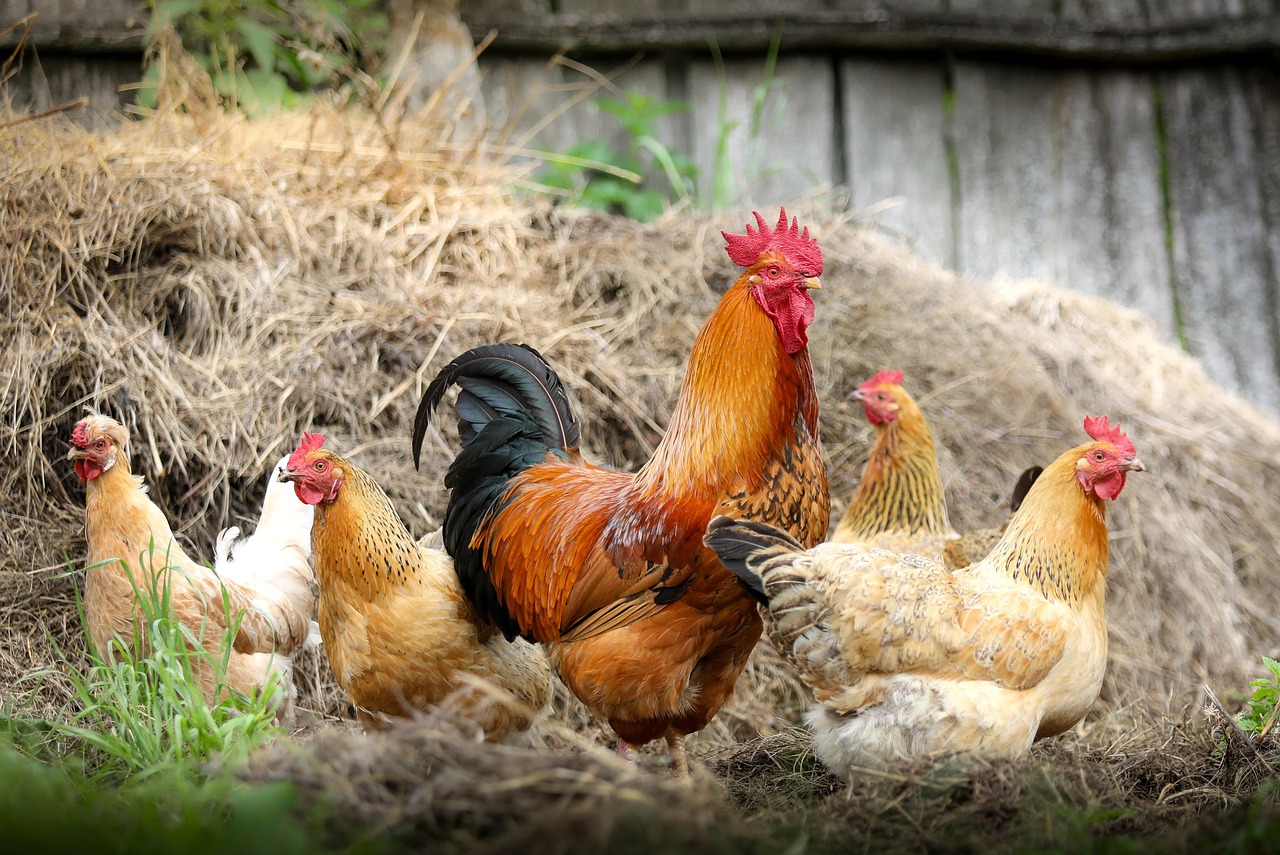
Designing a Mud-Free Chicken Coop and Run Floor
Raising backyard laying hens provides fresh eggs and engaging outdoor family hobbies, but persistent flock scratching can rapidly destroy turf and create a foul, muddy mess. Installing high-performing chicken run gravel Hazel Crest IL poultry keepers trust creates a well-drained, sanitary foundation that keeps flock footings dry and healthy through all seasons. Located in southern Cook County, Hazel Crest features dense, poorly draining glacial clay subsoils that trap stormwater after spring thaws. Wet coop runs breed dangerous bacteria, foster respiratory illnesses, and promote bumblefoot infections among chickens. Our dedicated Hazel Crest aggregate delivery service supplies clean washed aggregates directly to your backyard gate.
A multi-tiered aggregate floor solves outdoor coop moisture problems. Excavating topsoil, lining the base with hardware cloth, and layering clean stone beneath coarse sand lets rainwater percolate downward immediately. Manure dries rapidly for easy raking, ensuring a clean coop environment.
Choosing Chicken Run Gravel Hazel Crest IL Flocks Need
Backyard poultry runs require specialized aggregate consideration. Wood shavings or straw decompose rapidly when exposed to rain, creating a smelly, sodden mat that harbors flies and fungal mold. Dirt floors quickly wear down into sunken mud hollows that hold stagnant water.
Mineral aggregates provide ground stability that never turns into mud. Clean crushed limestone serves as a drainage sponge, while coarse sand provides a comfortable walking surface that hens dust bathe in and ingest as gizzard grit. The University of Illinois Extension emphasizes proper floor drainage in small flock housing to prevent coccidiosis and ammonia gas buildup. When choosing chicken run gravel Hazel Crest IL poultry keepers install, washed angular stone provides exceptional drainage and biosecurity.
Key benefits of an aggregate chicken run floor include:
- Bumblefoot Prevention: Clean, dry bedding materials prevent tender footpads from softening and becoming infected by bacterial pathogens.
- Rapid Moisture Dispersion: Heavy rainfall drains instantly through aggregate voids into the subgrade, eliminating muddy pools.
- Predator Deterrence: Burying coarse crushed stone and wire mesh prevents burrowing foxes, raccoons, and rodents from tunneling under walls.
- Effortless Sanitization: Droppings dry out quickly on coarse sand and can be sifted with a cat litter scoop or hosed cleanly away.
Recommended Aggregates for Backyard Chicken Runs
Selecting clean, unwashed materials protects bird health. Browse our top bulk products for coop and run construction:
- → #57 stone: Clean washed 3/4-inch angular crushed limestone providing massive void space for rapid subgrade drainage beneath coop bedding.
- → Fill sand: Coarse granular sand ideal for upper coop run bedding, allowing easy waste sifting and natural grit supplementation.
- → Compost soil: Rich organic planting soil used to blend composted coop manure into productive vegetable garden beds.
Read our technical #57 stone material guide to understand drainage capacities, particle weights, and bedding installation depths.
Poultry Floor Ground Cover Comparison
Review standard flooring materials used in Midwestern backyard chicken runs:
| Flooring Material | Moisture & Odor Control | Sanitation and Maintenance Effort |
|---|---|---|
| Washed #57 Stone Base with Coarse Sand | Superior; liquids drain immediately, leaving top sand dry and odor-free | Minimal; droppings sift easily with a wire rake or poop scoop |
| Wood Bark or Pine Straw | Poor; rots quickly when wet, creating sour odors and mold spores | High; requires complete removal and replacement every two months |
| Bare Compacted Dirt | Very Poor; chickens scratch hollows that turn into swampy mud holes | Difficult; chickens track wet mud and bacteria into egg nest boxes |
| Poured Concrete Slab | Moderate; impermeable surface requires heavy bedding and drain slopes | Moderate; requires power washing and chemical disinfection routines |
Step-by-Step Construction of a Dry Poultry Run
Proper ground layering guarantees dry flock footing. Homeowners in neighboring communities like Glen Carbon apply these proven steps to build sanitary coop yards:
- Excavate the Run Footprint: Dig out four to six inches of organic topsoil across the entire run in Hazel Crest, IL. Shape the excavation floor to slope subtly away from coop nesting boxes.
- Install Predator Hardware Cloth: Lay 1/2-inch galvanized steel hardware cloth across the excavation floor and staple it twelve inches up the perimeter framing to stop burrowing rats and weasels.
- Pour the Coarse Drainage Base: Shovel three inches of clean #57 crushed limestone over the hardware cloth to establish a permanent drainage reservoir.
- Spread Permeable Landscape Fabric: Place a layer of heavy non-woven geotextile fabric over the crushed stone to keep the upper sand from falling through stone voids.
- Add Coarse Bedding Sand: Spread three to four inches of coarse washed sand over the fabric. Rake level to create a soft, clean scratching floor.
Managing Wet Seasons and Odor in Cook County
Cook County springs bring heavy rainstorms and fluctuating frost depths. If a chicken run lacks clean stone drainage, heavy clay subsoil traps standing water, creating ammonia fumes that burn flock air sacs.
Rake the sand weekly to remove feathers and droppings. Dust the sand monthly with agricultural sweet lime or food-grade diatomaceous earth to neutralize odors, absorb moisture, and suppress mites naturally.
Calculating Run Aggregate Volume and Tonnage
Accurate material ordering ensures uninterrupted coop construction. Use the standard aggregate volume formula:
Cubic Yards = (Length in feet × Width in feet × Depth in feet) ÷ 27
For a ten-foot by twelve-foot chicken run (120 square feet) requiring a three-inch base of #57 stone (0.25 feet) and three inches of coarse sand (0.25 feet):
Base Stone: (12 × 10 × 0.25) ÷ 27 = 30 ÷ 27 = 1.11 cubic yards
Sand Layer: (12 × 10 × 0.25) ÷ 27 = 30 ÷ 27 = 1.11 cubic yards
Add 10% for settling: 1.11 × 1.10 = 1.22 cubic yards of each material. Clean #57 limestone weighs 1.4 tons per yard (about 1.7 tons total), while coarse sand weighs 1.35 tons per yard (about 1.6 tons total).
Frequently Asked Questions
Is crushed limestone safe for chickens to walk on?
Yes, but crushed stone is best used as a subgrade drainage layer beneath three inches of coarse sand. The stone provides rapid water drainage, while the sand layer provides comfortable footing and natural grit that chickens love.
Can chickens eat the gravel in their run?
Chickens naturally consume small aggregate particles to store in their gizzard for grinding grain and food. Coarse sand provides the ideal grit size for adult laying hens. Larger 3/4-inch limestone stones are too big for them to swallow.
How often do I need to replace sand in a chicken run?
When installed over a washed gravel drainage base, coarse bedding sand rarely needs full replacement. Simply sift out manure weekly with a wire scoop, top off with fresh sand once a year, and refresh with agricultural lime as needed.
Will rats dig through a gravel coop floor?
Rats cannot easily tunnel through sharp angular crushed stone. When combined with 1/2-inch galvanized hardware cloth buried beneath the stone base, burrowing predators and rodents are completely blocked from entering your coop.
Order Chicken Run Aggregates in Hazel Crest Today
Keep your backyard flock healthy, productive, and mud-free with high-grade chicken run gravel Hazel Crest IL poultry keepers trust. We deliver clean #57 stone, coarse sand, and garden soils directly to your home via our dependable Hazel Crest material dispatch team.











