




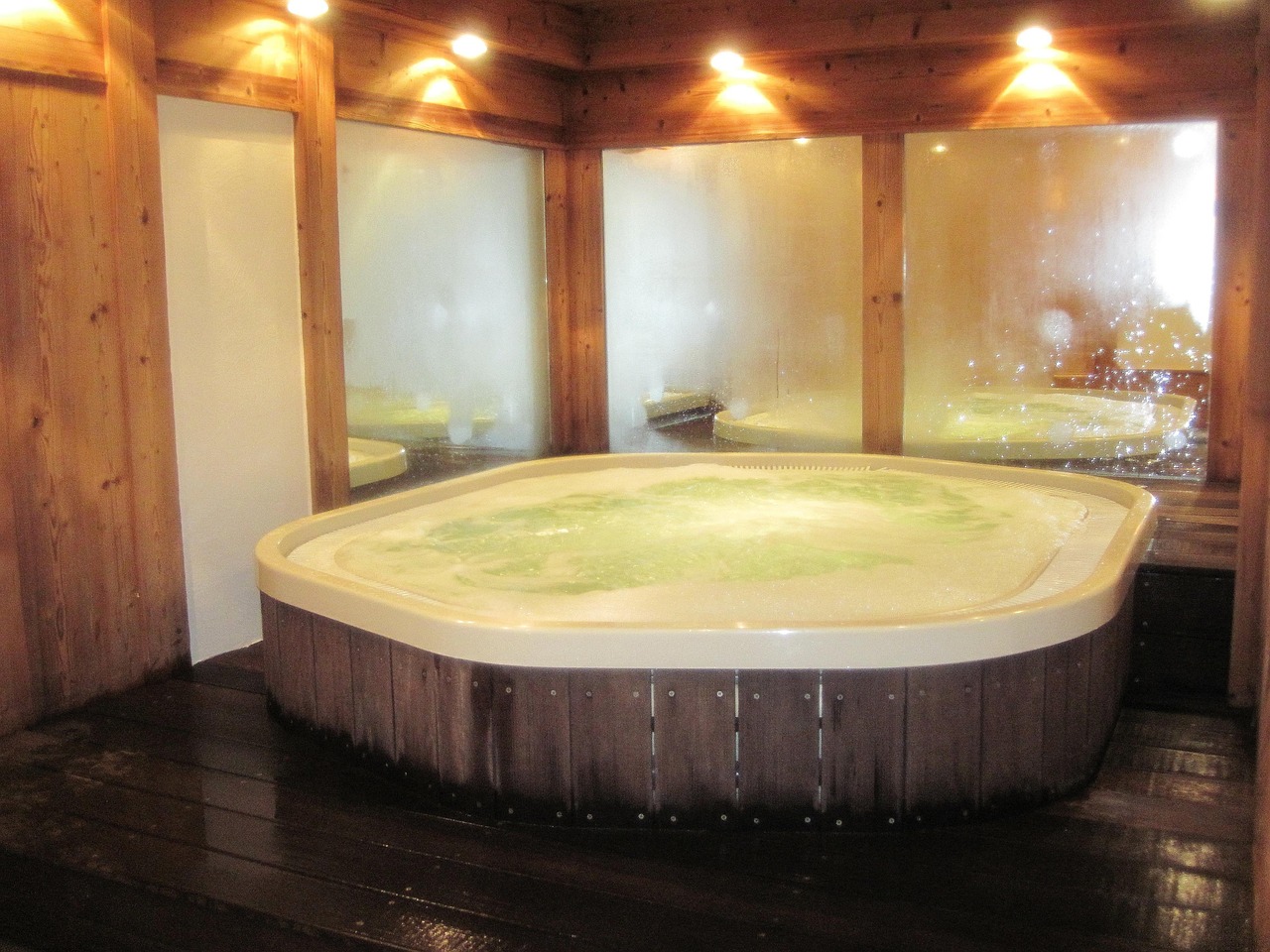
Supporting Multi-Ton Spa Loads on an Engineered Crushed Stone Pad
Adding an outdoor spa or hot tub creates an inviting personal retreat for hydrotherapy and year-round backyard relaxation. However, a filled six-person spa weighs between 4,000 and 6,000 pounds, exerting tremendous point-load pressure onto the ground. Placing a heavy acrylic hot tub onto bare lawn grass, uneven pavers, or soft timber decking leads to structural disaster. Uneven ground causes spa shells to twist and crack, voiding manufacturer warranties and damaging internal plumbing lines. Constructing a solid hot tub pad Huntingburg IN spa installers recommend creates an immovable, perfectly level crushed limestone foundation that supports immense weight without shifting. Huntingburg is a charming Dubois County community in southwestern Indiana celebrated for historic brick architecture, rolling topography, and dense clay subsoils. When heavy rainfalls strike, unpaved lawn surfaces quickly soften into spongy mud. Our dedicated Huntingburg aggregate delivery service supplies dense 3/4-inch minus base gravel, 1/4-inch minus screenings, and fine stone dust directly to your backyard.
A dependable gravel hot tub pad combines heavy-duty timber perimeter framing, non-woven geotextile underlayment, and thoroughly compacted crushed limestone aggregate that provides a rigid, self-draining foundation slab.
Choosing Materials for a Hot Tub Pad Huntingburg IN Properties Need
A hot tub foundation must combine two crucial qualities: rock-solid compressive load support and rapid perimeter drainage.
Splashing water and spa draining dump hundreds of gallons of water onto the ground. Poured concrete slabs pool water around electrical panels and rot wooden spa skirts. In contrast, a crushed gravel pad lets water filter through stone voids into subsoil. Dense 3/4-inch minus base gravel forms the structural foundation, packing into a monolithic crust. For leveling beneath the spa, a one-inch layer of 1/4-inch minus gravel or stone dust provides an easily screeded cushion that prevents point stress on the acrylic shell. The Purdue University Extension recommends establishing well-compacted aggregate foundations for heavy backyard recreational structures to prevent soil settling and protect ground stability. When building a hot tub pad Huntingburg IN homeowners choose, proper mechanical tamping guarantees lasting performance.
Key standards for a gravel hot tub foundation include:
- Substantial Compaction Depth: A minimum four to six inches of compacted 3/4-inch minus base gravel supports multi-ton hot tub loads.
- Rigid Timber Curbing: Pressure-treated 4×6 or 6×6 timbers anchored with steel rebar hold gravel tightly against lateral displacement.
- Precision Leveling Layer: One inch of screeded 1/4-inch minus stone dust eliminates minor subgrade dips, seating the spa base evenly.
- Geotextile Separation: Heavy non-woven fabric beneath stone stops native subgrade mud from pumping upward.
Recommended Aggregates for Spa Foundations
Pairing heavy base gravel with fine leveling stone ensures a flat, durable spa platform. Explore our top bulk materials:
- → 3/4″ minus base gravel: Dense-graded crushed limestone with rock dust fines that packs into a rigid, rut-resistant foundation slab.
- → 1/4″ minus base gravel: Fine angular crushed stone with fines, perfect for precision leveling and smooth bedding beneath spa shells.
- → Stone dust: Pulverized limestone screenings used for fine screeding and filling narrow foundation voids.
Read our technical 1/4″ minus base gravel material guide to understand screening fractions, compaction densities, and leveling methods.
Hot Tub Foundation Material Comparison
The table below summarizes common base materials used for hot tub installations across Dubois County:
| Foundation Type | Compressive Load Capacity | Water Drainage & Cost |
|---|---|---|
| Compacted Gravel Pad (3/4″ Minus) | Superior; easily supports 6,000+ lbs without cracking | Maximum drainage; costs 50% less than poured concrete slabs |
| 1/4″ Minus Screenings Cushion | Exceptional; packs flat to eliminate acrylic shell stress | High drainage; provides a smooth bedding layer over base rock |
| Poured Concrete Pad (4″ Reinforced) | Maximum; rigid support though prone to surface puddling | Poor drainage; expensive, requires permits and extensive curing |
| Bare Turf / Lightweight Pavers | Fails; uneven settling causes spa shell cracking | Unacceptable; turns to mud and voids manufacturer warranties |
Step-by-Step Construction of a Gravel Hot Tub Pad
Precise leveling ensures your hot tub functions properly. Homeowners in neighboring communities like Garrett apply these proven steps to build hot tub pads:
- Excavate the Foundation Footprint: Mark an area one foot wider than spa dimensions on all sides in Huntingburg, IN, digging six inches deep.
- Assemble Timber Curbing: Construct a square perimeter frame using 4×6 or 6×6 pressure-treated timbers, leveling corners and pinning with half-inch rebar spikes.
- Install Geotextile Fabric: Line the floor of the timber frame with heavy non-woven landscape fabric to prevent subgrade clay contamination.
- Spread and Compact Base Gravel: Add four inches of 3/4-inch minus base gravel, dampening lightly and compacting with a vibratory plate compactor.
- Apply Fine Leveling Screenings: Spread one inch of 1/4-inch minus base gravel or stone dust across the compacted base.
- Screed Perfectly Level: Use a long straightedge board and level to screed the stone dust flat, ensuring zero pitch in any direction.
Managing Southwestern Indiana Clay and Splash Runoff
Dubois County features dense clay that retains moisture after storms. If water pools around spa foundations, subgrades can soften and settle under heavy loads.
Extending the gravel pad twelve inches beyond the tub creates an effective splash zone, filtering runoff away from electrical service panels.
Calculating Hot Tub Pad Gravel Volume and Tonnage
Accurate material calculations eliminate unexpected shortages on delivery day. Calculate required volume using standard dimensional formulas:
Cubic Yards = (Length in feet × Width in feet × Depth in feet) ÷ 27
For an 8-foot by 8-foot hot tub, construct a 10-foot by 10-foot pad (100 square feet) with five inches of total aggregate depth (0.42 feet):
(100 × 0.42) ÷ 27 = 42 ÷ 27 = 1.56 cubic yards
Add 15% for mechanical compaction: 1.56 × 1.15 = 1.79 cubic yards. Dense 3/4-inch minus limestone base weighs roughly 1.4 tons per cubic yard, requiring approximately 2.5 tons of delivered aggregate.
Frequently Asked Questions
Can I put a hot tub directly on a gravel pad?
Yes. A properly built and compacted crushed stone pad is one of the most widely approved foundations by major hot tub manufacturers. It provides uniform support and excellent drainage.
How thick should gravel be under a hot tub?
A hot tub gravel pad should be at least four to six inches thick of thoroughly compacted 3/4-inch minus base gravel, topped with one inch of fine stone dust or 1/4-inch minus screenings for leveling.
Is gravel better than concrete for a hot tub pad?
Gravel pads are much more economical than concrete, provide natural drainage for splash water, and can be installed in a single weekend. Poured concrete is permanent and can pool water if not sloped correctly.
Do I need a timber frame around the gravel pad?
Yes. Pressure-treated timber curbing holds the gravel securely in place, prevents stone washout during storms, and creates a clean transition between lawn grass and gravel.
Order Hot Tub Pad Gravel in Huntingburg Today
Provide your spa with a flat, immovable foundation with an engineered hot tub pad Huntingburg IN homeowners trust. We deliver dense 3/4-inch minus base gravel, 1/4-inch minus screenings, and fine stone dust directly to your residence via our reliable Huntingburg material dispatch team.











