
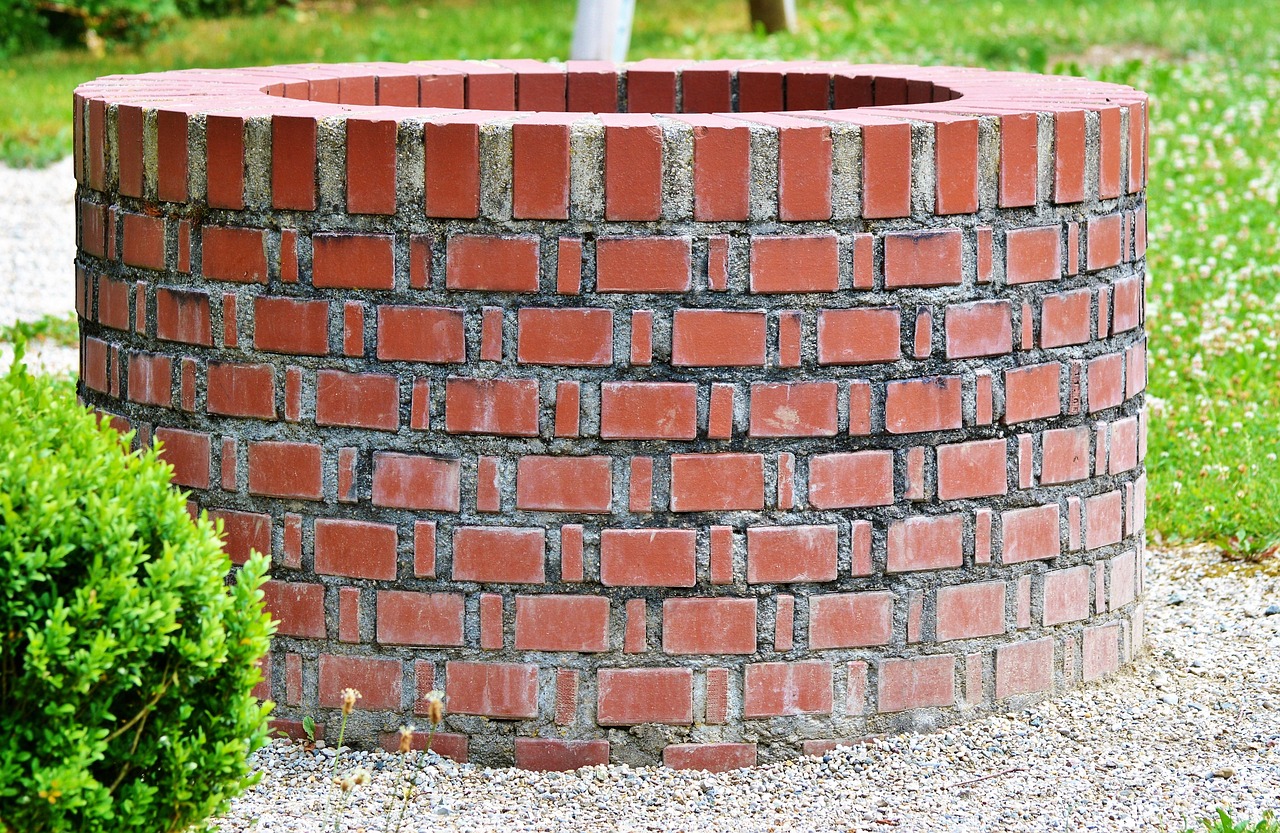
Basement window wells provide essential natural illumination and required emergency escape routes for lower-level living spaces, but they also function as collection basins for rainwater and snowmelt. When heavy storms roll across western Ohio, unmaintained window wells quickly turn into standing pools of murky water that seep past window frames into finished basements. Placing the right window well stone Piqua OH homeowners depend on creates a porous gravel reservoir that channels water safely into footer drain tiles before it reaches window sills. Piqua is located in Miami County along the Great Miami River, where glaciated silt loam soils require diligent foundation drainage management. Arranging prompt bulk stone transport through Piqua aggregate delivery brings clean #57 stone, smooth river rock, and pea gravel directly to your residence.
Understanding Foundation Runoff and Window Well Mechanics
A basement window well holds back surrounding soil so lower-level windows can operate. However, roof runoff and lawn grades shed water toward foundations. Without free-draining stone, water pools against window seals and enters finished basements. Integrating coarse aggregate with vertical drainage pipes connects the well bottom to footer drains, dropping stormwater by gravity.
Selecting the Best Window Well Stone Piqua OH Homeowners Trust
Filling window wells requires aggregates that balance high void volume, cleanliness, and visual appeal when viewed from inside the basement. Clean crushed stone and rounded river gravel represent the two best materials for long-term drainage performance:
- 3/4-Inch Washed Clean Stone (#57 Limestone): Featuring angular fractured faces sized from one-half inch to one inch, washed #57 crushed limestone creates roughly forty percent void space between interlocking particles. Because it contains zero dust or silt fines, water passes straight down into drainage channels without clogging.
- Smooth River Rock: Naturally rounded by river current action, river rock measures one to two inches in diameter. Its rounded contours provide exceptional aesthetic beauty when viewed through egress windows while offering maximum pore spacing for high-volume drainage.
- Clean Pea Gravel: Measuring roughly three-eighths of an inch, pea gravel provides a smooth, uniform surface that is gentle on bare feet during egress while permitting rapid vertical percolation.
Recommended Aggregates for Basement Drainage in Piqua, OH
Review these aggregate options for outdoor moisture control, window well lining, and foundation drainage:
- → #57 stone: The primary aggregate for subsurface drainage basins, window well pits, and French drain trenches.
- → River rock: Decorative rounded stones ideal for clean interior well aesthetics and foundation perimeter borders.
- → Pea gravel: Versatile small gravel that fills around drainage pipe grates and tight window well corners smoothly.
Comparing Window Well Aggregate Characteristics
Choosing the ideal stone for your basement window wells depends on your drainage volume requirements, aesthetic goals, and budget constraints:
| Material Type | Drainage Void Ratio | Primary Application |
|---|---|---|
| #57 Clean Limestone | High (38% to 42%) | Subsurface reservoir base and drain pipe bedding |
| Washed River Rock | Very High (40% to 45%) | Decorative top layer and large egress wells |
| Clean Pea Gravel | Moderate (32% to 36%) | Small utility window wells and top dressing |
| Crushed Drain Gravel | High (35% to 40%) | Heavy runoff pits and foundation footer trenches |
Step-by-Step Installation of Window Well Drainage Stone
Installing dependable window well stone Piqua OH foundations require involves careful excavation, fabric placement, and proper stone layering:
- Excavate the Well Basin: Dig out native soil inside the window well to a depth of at least ten to twelve inches below the bottom of the window frame. Ensure any vertical drain pipe connected to the perimeter footer tile extends upward into the basin.
- Cap and Filter Drain Pipes: Fit the top of the drainage pipe with a slotted drain grate and wrap it in permeable landscape fabric to keep gravel and outdoor debris from entering the pipe.
- Install Geotextile Separation Fabric: Line the bottom and earth sides of the excavated well pit with heavy-duty non-woven geotextile fabric, keeping the fabric pinned securely against native soil to prevent clay migration into gravel voids.
- Deposit Base Drainage Stone: Pour washed #57 clean stone into the basin until the aggregate reaches within four to six inches of the window sill, tamping lightly to settle stone particles.
- Add Surface Gravel Layer: Top the clean stone with decorative river rock or pea gravel, finishing the aggregate surface roughly four inches below the bottom edge of the window frame.
Scheduling scheduled material transport through Piqua aggregate delivery ensures clean, washed gravel arrives directly at your project site without hassle.
Addressing Soil Siltation, Frost Heave, and Egress Safety
Piqua experiences severe winter freezes that drive frost several feet deep into the soil. When silty subsoils retain excessive water, freeze-thaw cycles exert immense lateral pressure against window well walls, causing metal or plastic enclosures to bow or separate from foundation masonry. Furthermore, fine silt carried by stormwater runoff can gradually clog gravel voids if separation fabric is omitted. Following research-backed soil drainage guidelines from Ohio State University Extension helps homeowners protect foundation integrity and manage residential surface drainage safely. Property owners completing regional improvements in nearby communities like Twinsburg, OH share similar regional considerations when protecting basements from severe storm runoff.
Calculating Aggregate Quantities for Window Wells
To calculate gravel tonnage for window wells, multiply well length by projection width by stone depth in feet, dividing by twenty-seven for cubic yards. For example, a window well measuring four feet wide by three feet deep (projection) with one foot of aggregate depth requires twelve cubic feet, or 0.44 cubic yards. Because washed clean limestone weighs roughly 1.35 tons per cubic yard, multiply 0.44 by 1.35 to calculate 0.6 tons per well. For three window wells, you need approximately 1.8 tons of material. Order 2.0 tons of washed #57 limestone to ensure adequate volume. Consult our detailed 3/4 clean gravel material guide to learn more about aggregate properties.
Frequently Asked Questions About Window Well Stone
How deep should gravel be in a basement window well?
Aggregate depth should measure between ten and twelve inches, with the top of the stone layer resting roughly four inches below the bottom sill of the window frame to stop splashback.
Can I use crushed run or road base in a window well?
No. Base aggregates contain dense stone dust that packs tightly and blocks drainage, turning the window well into a water-holding basin that causes severe basement leaks.
Do I need landscape fabric under window well stone?
Yes. Non-woven geotextile fabric is essential to separate native clay soils from drainage aggregate, preventing mud from clogging stone pore spaces over time.
How often should window well stone be cleaned or replaced?
Inspect window wells every spring and autumn. Remove fallen leaves, tree seeds, and blown debris. If mud infiltrates the gravel surface, shovel out the top few inches and refresh with clean stone.
Secure Your Basement Drainage in Piqua Today
Protect your lower-level rooms from water damage with premium window well stone Piqua OH properties depend on, delivered straight to your driveway. Order through our trusted Piqua aggregate delivery platform to receive washed stone promptly.











