
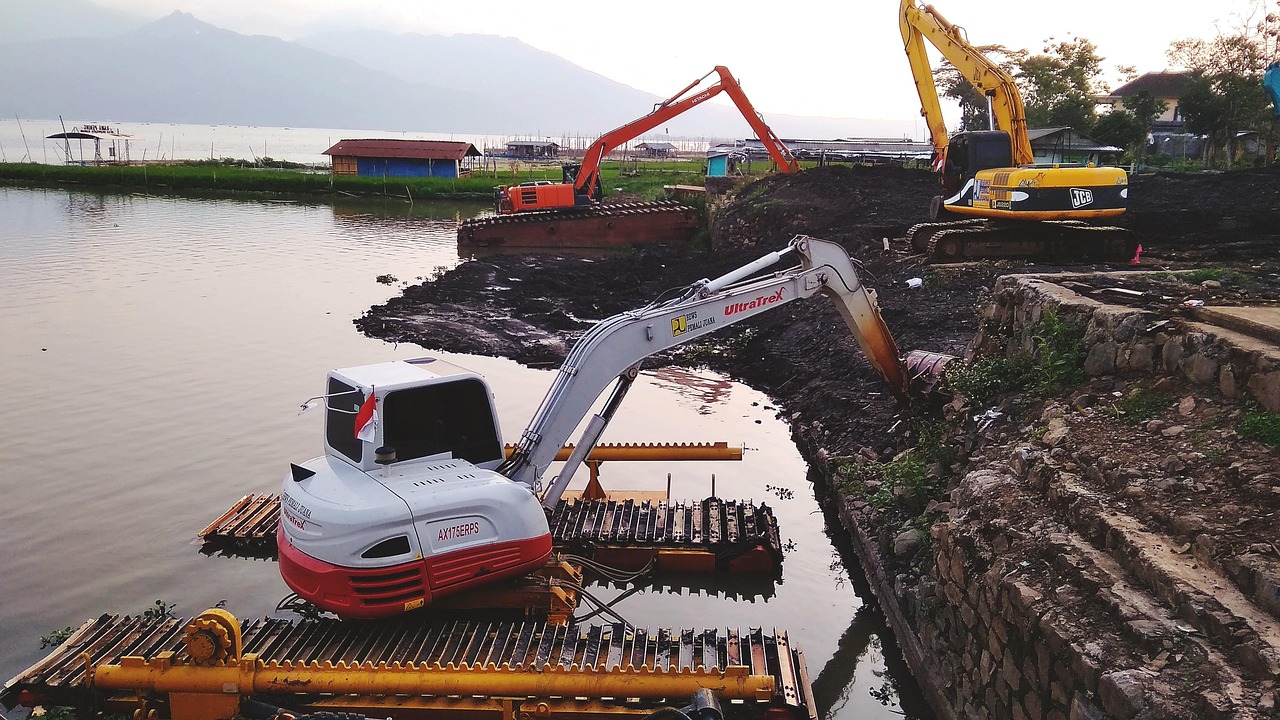
Protecting residential grounds, hillsides, and desert driveways across Arizona from severe monsoon washouts requires installing heavy, angular aggregate barriers. Across desert valleys and foothills from Phoenix to Tucson, prolonged dry seasons leave native soils desiccated, powdery, and poorly vegetated. When intense summer monsoon thunderstorms hit, torrential downpours dump several inches of rain within minutes onto baked ground that cannot absorb water quickly. Sheet runoff flows violently down hillsides and across road cuts, carving deep erosion gullies, undermining concrete foundations, and washing away driveways. Sourcing engineered Arizona erosion control rock provides the structural weight and hydraulic permeability needed to dissipate high-velocity runoff, anchor shifting slopes, and keep properties intact. Homeowners can schedule rapid bulk deliveries through our Arizona aggregate delivery page to secure coarse riprap, heavy clean stone, and durable drainage gravel direct to their jobsite.
Installing heavy erosion control stone stabilizes barren slopes, prevents dangerous foundation undermining, and channels high-volume monsoon stormwater into safe retention areas.
To inspect Arizona watershed management data, monsoon flood characteristics, and state soil conservation guidelines, check:
Monsoon Meteorology and Storm Runoff in Arizona (Wikipedia)
Why Flash Flooding Demands Arizona Erosion Control Rock
The stark topography of Arizona features steep desert mountain ranges dropping into broad alluvial plains. Soil profiles frequently consist of highly erodible sandy loam, decomposable granitic grus, and powdery silts sitting over impenetrable caliche hardpan. When rainfall rates outpace soil absorption, surface water accumulates rapidly into destructive sheet flows. Placing lightweight landscape gravel on unprotected slopes fails immediately because storm runoff floats and carries small stones away down the mountain. Homeowners must deploy angular, heavy Arizona erosion control rock to construct stable check dams, armored swales, and slope blankets that resist rushing water.
Heavy fractured rock interlocks under hydraulic pressure, slowing water velocity so sediment drops out of suspension instead of scouring gullies. Rounded river stones work harmoniously within armored drainage channels, mimicking natural desert arroyos while preventing bank collapse. In desert foothill communities like Picture Rocks and agricultural river plains near Coolidge, proper stone placement keeps acreage access lanes and building foundations safe from seasonal flash floods.
- Heavy angular slope stabilization ballast → 1 1/2″ clean rock
- Coarse interlocking check dam stone → #4 crushed stone
- Smooth channel lining and arroyo rock → River rock
- Filter layer bedding gravel → #57 stone
Recommended Stone Sizing for Desert Erosion Control
Selecting appropriate stone diameters and angular fracture profiles ensures your rock barriers stay stable against severe desert runoff velocities.
| Erosion Control Application | Recommended Stone Grade | Hydraulic and Structural Purpose |
|---|---|---|
| Hillside Slope Armoring | 1 1/2″ Clean Crushed Rock | Interlocks firmly on slopes up to 3:1, slowing water sheet flow and trapping fine topsoil. |
| Gully Check Dams and Weirs | #4 Crushed Stone (1 1/2″ to 2 1/2″) | Forms porous check dams in drainage gullies, dissipating energy and catching sediment. |
| Desert Wash Channel Linings | River Rock (2″ to 6″) | Provides smooth hydraulic flow along arroyo centers while rounded boulders stabilize banks. |
| Culvert Outlet Splash Aprons | Riprap and Heavy #4 Stone | Absorbs violent discharge energy from drainage pipes, stopping downstream bed scouring. |
Armoring Steep Slopes and Swales Against Runoff
Stabilizing a steep desert hillside starts with grading out existing ruts and smoothing the slope to a uniform incline. Never apply rock directly onto bare, pulverized dirt without an anchor layer. Excavate a shallow toe trench at the base of the slope at least twelve inches deep to anchor the rock blanket from sliding downward.
Lay a heavy, non-woven geotextile filter fabric across the slope, overlapping seams by eighteen inches and pinning the edges securely with steel sod staples. Spread a four- to six-inch blanket of 1 1/2-inch clean crushed rock over the fabric, working from the base upward so lower stones support upper courses. Check our 1 1/2-inch clean rock material guide for specialized rock depth recommendations on severe desert inclines.
Constructing Rock Check Dams in Active Drainageways
When runoff concentrates in natural gullies, constructing small stone check dams reduces water speed and stops gully enlargement. Space check dams along the drainage path so that the crest of each lower dam matches the toe elevation of the dam immediately upstream.
Build each check dam using coarse #4 crushed stone mixed with larger river rock. Construct the center of the dam six inches lower than the outer edges touching the gully banks. This parabolic shape forces storm surges through the center rather than cutting around the sides into fragile native soil. Properties across unincorporated desert areas such as Three Points rely on rock check dams to maintain private road crossings during summer monsoons.
Benefits of Bulk Aggregate Delivery Across Arizona
- High-capacity haulers deliver multi-ton loads of heavy ballast stone straight to erosion zones.
- Far more economical per ton than purchasing bagged aggregates from big-box retailers.
- Quarry-direct sourcing guarantees hard, durable igneous and limestone aggregates that resist weathering.
- Experienced drivers drop material precisely along driveways, washes, and pad perimeters.
Calculating Aggregate Quantities for Erosion Control
Accurate material calculation prevents construction stalls when stabilizing vulnerable slopes. Measure project length in feet by width in feet to obtain total square footage. Multiply square footage by desired rock depth in inches, then divide by 324 to establish cubic yards. Clean crushed stone weighs approximately 1.4 tons per cubic yard.
For example, if armoring a 600-square-foot drainage swale with a 6-inch layer of 1 1/2-inch clean rock, multiply 600 by 6 to get 3,600. Divide 3,600 by 324 to find 11.11 cubic yards. Multiply 11.11 cubic yards by 1.4 tons per cubic yard to determine 15.55 tons. Adding ten percent for bedding compaction and toe trenches means ordering seventeen tons provides complete stabilization.
Frequently Asked Questions
Can I use smooth river rock on a steep hillside for erosion control?
No, smooth rounded river stones roll down steep hillsides during rain; use angular crushed rock that interlocks mechanically on slopes.
Do I need geotextile fabric beneath erosion control stone?
Yes, heavy non-woven fabric prevents water from pumping fine desert dirt up through stone voids, keeping rock firmly seated.
What stone size stops erosion at culvert pipe discharge points?
Use coarse #4 crushed stone or heavy rock riprap four to eight inches in diameter placed over filter fabric to absorb pipe exit energy.
How often do rock check dams require maintenance?
Inspect check dams after every major monsoon storm, clearing accumulated brush, tree limbs, and excess silt from the center weir.
Final Thoughts
Confronting desert flash floods with heavy, well-engineered aggregate barriers protects your land, structures, and access roads from catastrophic erosion damage. By excavating anchoring toe trenches, securing durable geotextile underlayment, and installing angular 1 1/2-inch clean rock and #4 crushed stone, your Arizona property remains stable through the heaviest monsoon seasons. Find your Arizona delivery area here to schedule bulk delivery of erosion control stone, riprap, and drainage aggregates directly to your project site.











