




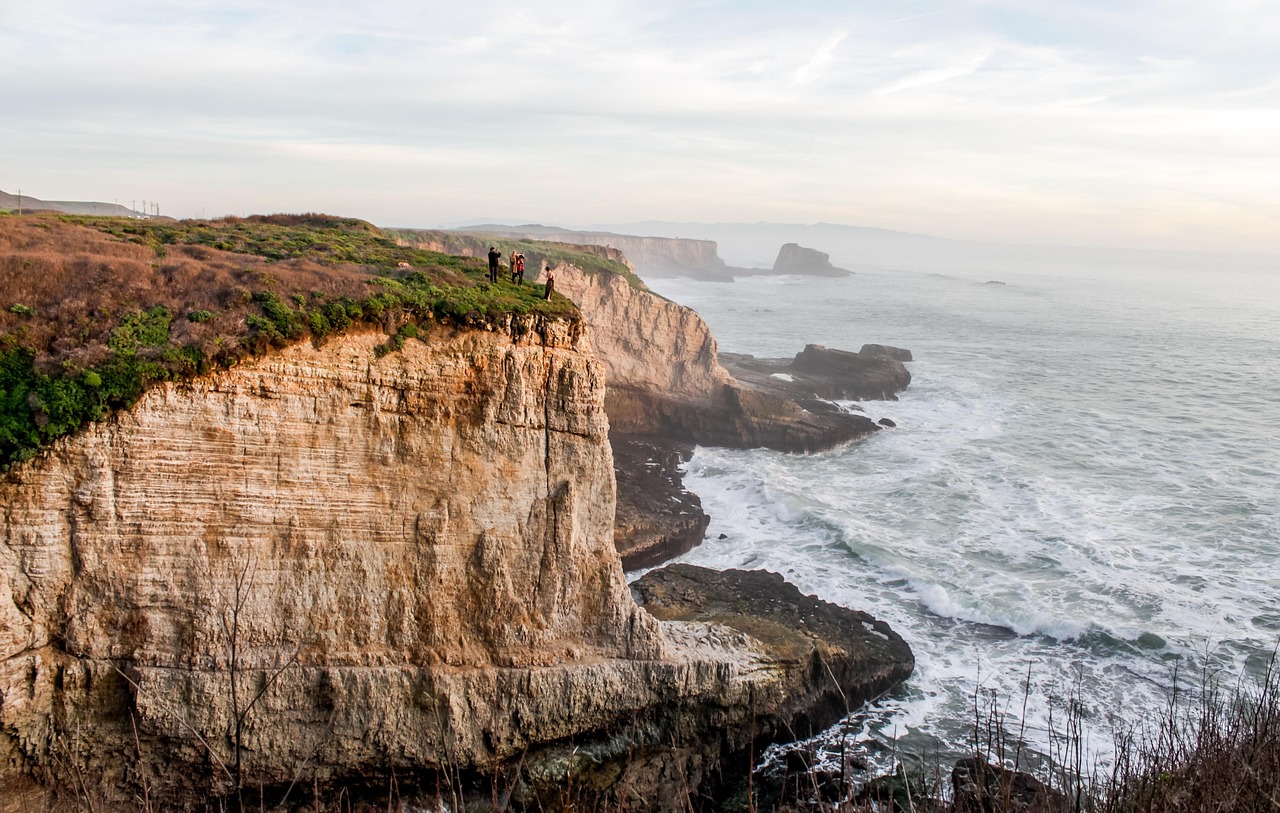
The Project in Stillwater
Perched along the bluffs of the St. Croix River in Washington County, Stillwater is known for Victorian architecture and dramatic elevation changes. Steep parcels above Main Street and the North Hill district boast river valley panoramas. However, maintaining bluff terrain presents serious challenges. Extreme slopes, natural springs, and rainstorms subject yards to soil erosion and mudslides. Developing a stable, accessible bluff yard terracing Stillwater MN design requires installing multi-tiered stone retaining terraces, clean drainage stone backfill, and gravel paths. Property owners can source slope aggregates by scheduling prompt gravel delivery in Stillwater.
Selecting angular drainage stone relieves hydrostatic pressure behind terrace walls and anchors steep slopes. Browse popular materials for this area:
- 1 1/2″ clean rock → Best for deep retaining wall drainage chimneys, French drains, and bluff spring relief.
- Walkway gravel → Best for constructing firm, non-shifting switchback walking paths across steep terraces.
- River rock → Best for lining natural hillside runoff swales, dissipating waterfall velocity, and border armoring.
Learn more in our guide to 1 1/2″ clean rock.
Why Stillwater’s Soil and Climate Shape This Project
Stillwater’s river bluff topography features complex geological layers: glacial sandy loam over dense limestone bedrock and fragile St. Peter sandstone. Native bluff soils belong predominantly to the Kingsley and Mahtomedi series. When heavy rains soak these sandy loam bluffs, groundwater percolates downward until it meets impermeable bedrock shelves, creating horizontal groundwater flow that lubricates slope planes and causes sudden mudslides.
Minnesota winters bring deep sub-zero freezes, with ground frost penetrating forty-eight to sixty inches deep. Water trapped behind hillside retaining walls freezes into expanding ice sheets that easily push unreinforced walls over the bluff edge. Backfilling behind terrace walls with open-graded 1 1/2-inch clean rock wrapped in non-woven geotextile fabric creates a permanent vertical drainage chimney that routes subsurface water safely to slope bases before freeze pressure develops.
Best Aggregates for Bluff Terracing in Stillwater
Matching stone gradations to hillside hydrology ensures your bluff yard terracing Stillwater MN project remains rock-solid for generations.
| Material | Best Used For | Key Advantage in Stillwater |
|---|---|---|
| 1 1/2″ Clean Rock | Retaining wall drainage core and spring relief | Open void network conveys heavy groundwater flow without clogging or holding water. |
| Walkway Gravel (3/8″ Crushed) | Terrace paths and switchback trails | Angular chips lock firmly on slopes, preventing footsteps from sliding downhill. |
| River Rock (1″ to 3″) | Bluff drainage swales and waterfall runouts | Heavy rounded stones dissipate high stormwater velocity on steep ravines. |
| Stone Dust | Leveling beds for terrace steps and wall base blocks | Compacts into a firm, non-yielding foundation that conforms to bedrock contours. |
Clean 1 1/2-inch crushed rock is the essential backfill aggregate for bluff retaining walls. Because it is free of rock dust, it will not create sludge behind retaining blocks, maintaining a forty percent internal void capacity. For navigating between terrace levels, crushed 3/8-inch walkway gravel provides an unyielding walking path that stays put underfoot.
Step-by-Step Bluff Terrace Construction
Construct a stable, multi-tiered bluff terracing system in Stillwater with these proven steps.
- Survey slope gradient: Map hillside contours, planning multiple low terraces (three to four feet high). Similar bluff work is done in Lake Elmo.
- Excavate footing trenches: Dig level trenches into undisturbed ground at the base of each tier.
- Place compacted base: Spread six inches of crushed stone base, compacting with a plate compactor.
- Erect terrace walls: Lay modular retaining blocks, stepping back into the hillside at a positive batter angle.
- Install drainage stone: Line cut slopes with geotextile fabric and backfill twelve inches of 1 1/2-inch clean rock.
- Build gravel paths: Carve three-foot-wide walking paths between tiers, spreading two inches of walkway gravel.
How Much Aggregate Do You Need?
Calculate bluff terrace stone needs using standard formulas: Multiply terrace wall length by drainage column width by wall height in feet to get cubic feet, divide by 27 for cubic yards, and multiply cubic yards by 1.4 to calculate required tons.
Consider a two-tiered bluff project in Stillwater spanning 60 total linear feet of wall averaging 3.5 feet high, requiring a 1.5-foot wide drainage rock chimney (315 cubic feet):
60 ft × 1.5 ft × 3.5 ft = 315 cubic feet.
315 / 27 = 11.67 cubic yards.
11.67 × 1.4 = 16.33 tons of 1 1/2-inch clean rock.
Adding a ten percent reserve for path gravel yields approximately 18 tons of stone, deliverable in a single tri-axle dump truck.
Common Mistakes to Avoid in Stillwater
- Building a single towering wall on steep bluffs: Walls exceeding four feet require engineered tieback systems; stair-stepping multiple low terraces is far safer.
- Backfilling retaining walls with native clay: Wet clay traps water against retaining walls, generating massive hydrostatic pressure that causes catastrophic wall collapse.
- Omitting perforated drain pipes at wall footings: Clean rock must have an outlet; always route a perforated pipe along the wall base to discharge water to daylight.
- Skipping non-woven geotextile fabric: Native bluff sand washes into rock voids without fabric, creating sinkholes behind terrace walls.
- Using rounded gravel on walking paths: Smooth round stones roll downhill underfoot, creating dangerous slipping hazards on steep bluff stairs.
Local Sourcing, Permitting, and Delivery in Stillwater
The City of Stillwater enforces strict Bluffland and Shoreland Protection Ordinances designed to preserve the St. Croix River valley. Earthmoving, tree clearing, and retaining wall construction on designated steep slopes require review and permits from the Stillwater Community Development Department. For slope stabilization and forestry guidance, review publications from the University of Minnesota Extension.
Bluff properties often have narrow, winding drives with limited truck turnaround space. Coordinate delivery drop zones at the driveway crest before ordering bulk aggregate delivery in Stillwater.
Frequently Asked Questions
Why are multiple low terraces better than one tall wall on a bluff?
Multiple low terraces (three to four feet high) distribute soil pressure evenly across the slope, prevent massive structural failures, integrate naturally with hillside contours, and do not require complex geogrid engineering.
What stone size is best for retaining wall drainage behind bluff walls?
1 1/2-inch clean rock is ideal. Its large open voids allow subsurface groundwater from hillside springs to evacuate immediately without silting up.
Can tree roots destabilize bluff retaining terraces?
Mature oak and pine trees provide natural root stabilization on slopes. Design terrace walls to curve around large root zones rather than cutting structural roots.
How do I handle natural groundwater seeps emerging from the bluff?
Intercept hillside water seeps by laying perforated pipe wrapped in non-woven fabric and clean rock along the terrace cut, routing water safely to the base of the bluff.
Related Resources
- 1 1/2″ Clean Rock Specifications
- Walkway Gravel Details
- Natural River Rock Product Information
- Comprehensive Clean Drainage Rock Guide
Final Thoughts
Transforming steep hillside terrain with an engineered bluff yard terracing Stillwater MN system protects your property from severe slope erosion while creating breathtaking terraced gardens. Explore complete gravel and landscape stone services across Minnesota to source regional limestone boulders and clean drainage aggregates. Reach out to Simple Gravel today to calculate your stone quantities and schedule your Stillwater gravel delivery with confidence.











