
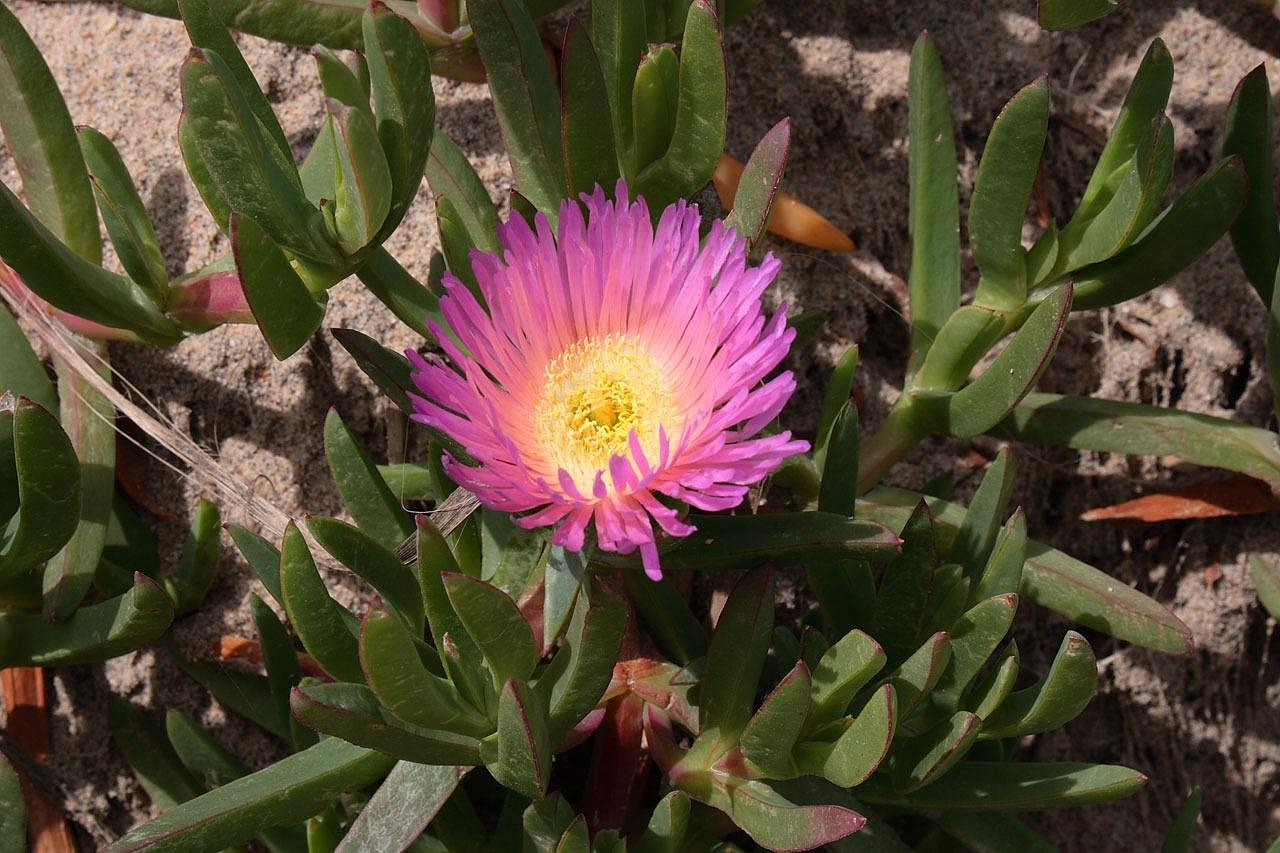
Cultivating lush, productive garden beds and ornamental coastal landscapes across California requires managing fast-draining marine sand, persistent salt spray, and Mediterranean seasonal droughts. From the misty coastal terraces of Northern California to the breezy bluffs of the Central and Southern California coastline, residential soils often consist of coarse dune sand or weathered marine sediments. These porous subsoils lack the organic humus required to retain irrigation water, causing moisture and essential fertilizers to leach away rapidly into deep aquifers. Sourcing rich California coastal garden soil blends and organic compost allows coastal growers to improve soil biology, stabilize moisture retention around sensitive plant roots, and shield plantings from coastal winds. Gardeners can schedule rapid bulk deliveries through our California aggregate delivery page to secure nutrient-dense loam, dark composted organics, and coarse bedding sand direct to their property.
Enriching marine sands with organic garden loam and bulk compost binds loose soil particles, retains moisture during dry summers, and provides vital root stability against strong ocean winds.
To inspect California coastal fog zones, maritime microclimates, and university agricultural extension soil amendment guidelines, check:
Climate Patterns and Coastal Microclimates in California (Wikipedia)
Why Marine Sands Demand California Coastal Garden Soil
Native ground along the Pacific coastline presents distinct growing conditions. Coarse sandy loam and coastal dune sands contain minimal organic matter, usually testing under one percent humus. When coastal summer winds blow off the ocean, surface sands dry out within hours, leaving delicate root systems parched. Applying unamended chemical fertilizers often scorches plants because sand particles have low cation exchange capacity, allowing mineral salts to concentrate around root zones. Successful maritime horticulture depends on importing balanced California coastal garden soil blended with fully decomposed organic compost.
Quality garden soil introduces beneficial fungal mycorrhizae and balanced mineral silt that form spongy soil aggregates. Blending dark organic compost into native sand dramatically slows water percolation, allowing vegetable crops, citrus trees, and coastal native shrubs like ceanothus to establish deep root networks. In central maritime communities like Los Osos and valley transition zones near Olivehurst, top-dressing beds with organic soil protects shallow feeder roots from salty ocean breezes.
- Nutrient-balanced planting blend → Garden soil
- Dark fully decomposed organic humus → Compost soil
- Coarse aggregate for drainage bedding → Fill sand
- Wind-resistant decorative bed dressing → River rock
Recommended Soil and Sand Blends for Coastal Beds
Selecting appropriate ratios of loam, organic compost, and coarse mineral sand ensures healthy root aeration without rapid moisture loss.
| Coastal Garden Zone | Recommended Soil Blend | Horticultural Benefit in Maritime Zones |
|---|---|---|
| Raised Vegetable Planters | Garden Soil & Compost (60/40) | Supplies rich organic nutrients, holds irrigation moisture, and feeds active earthworms. |
| Native Sand In-Ground Beds | 100% Organic Compost Soil (3″ Layer) | Tilled into top 8 inches of beach sand to create moisture-trapping humus pockets. |
| Succulent and Cactus Terraces | Garden Soil & Fill Sand (50/50) | Replicates gritty native arroyo soils, providing sharp drainage that stops root rot. |
| Perimeter Windbreak Borders | Screened Loam Capped with Bark Mulch | Anchors roots of coastal windbreak shrubs while mulch stops surface evaporation. |
Amending Sandy Coastal Soils for Maximum Fertility
Before planting in native coastal ground, clear all persistent ocean weeds and salt-tolerant grasses. Spread a generous three- to four-inch blanket of rich compost soil over the planting zone. Use a rear-tine rototiller or garden spade to incorporate the compost into the top eight inches of native sand, thoroughly blending the materials.
This blending process prevents soil layering, which can interrupt downward water movement. For heavy-feeding crops like heirloom tomatoes, citrus, and avocados, top the amended ground with an additional four inches of balanced garden soil. Check our comprehensive garden soil material guide for specialized nutrient balance guidelines and organic planting techniques.
Shielding Beds From Salt Air and Marine Winds
Ocean winds carry microscopic salt particles that deposit on foliage, drawing moisture directly out of leaves. Install permeable windbreak screens or plant sturdy coastal perimeter hedges to diffuse incoming gusts before they hit tender vegetable gardens.
Applying a two-inch layer of clean river rock or chunky wood mulch over the finished soil surface traps ambient moisture, reduces soil surface temperatures on sunny afternoons, and prevents strong coastal winds from blowing loose topsoil away. Inland valley communities like Redlands face similar rapid drying conditions during warm Santa Ana wind events, making moisture-retentive soil amendments equally vital.
Benefits of Bulk Aggregate Delivery Across California
- Drop-off delivery dumps yards of fertile organic soil and sand right at your planting area.
- Dramatically more affordable per cubic yard than purchasing small plastic retail bags.
- Quarry and soil blends meet consistent agricultural weed-free and pH-balanced standards.
- Professional drivers navigate narrow coastal lanes and suburban gates reliably.
Calculating Soil Quantities for Raised Beds and Gardens
Accurate volume estimation ensures you order sufficient soil to fill raised planters and ground beds completely. Measure the interior length and width of your beds in feet to determine square footage. Multiply that square footage by desired soil depth in inches, and divide by 324 to find total cubic yards.
For example, if you are filling four raised planter boxes, each measuring 4 feet wide by 12 feet long (192 total square feet) with a 10-inch depth of garden soil: Multiply 192 by 10 to get 1,920. Divide 1,920 by 324 to determine 5.93 cubic yards. Ordering six cubic yards ensures your planters are filled to the top rim, accounting for natural settling after the first thorough soaking.
Frequently Asked Questions
Why does water disappear so fast in coastal California soils?
Coarse marine sand particles have large void spaces with zero organic binding, allowing water to drain straight through without wetting plant roots.
How does compost protect plants from coastal salt air?
Compost increases soil cation exchange capacity, buffering root tissues from salt stress while maintaining consistent root zone moisture.
Can I use beach sand in my garden beds?
Never use untreated beach sand; it contains high sodium levels that poison garden plants and compacts into dense, airless layers.
How often should coastal raised beds be re-amended?
Add a fresh two-inch layer of organic compost soil every spring and autumn to replenish micro-nutrients consumed by heavy-feeding crops.
Final Thoughts
Establishing vibrant gardens along the Pacific coast begins with overcoming porous marine sand through rich organic soil conditioning. By blending balanced California coastal garden soil with dark compost and gritty bedding sand, your vegetable patches, fruit orchards, and ornamental borders flourish despite persistent sea breezes and summer droughts. Find your California delivery area here to schedule bulk delivery of garden soil, compost, and coarse sand directly to your property.
Order coastal garden soil and amendments across California today











