
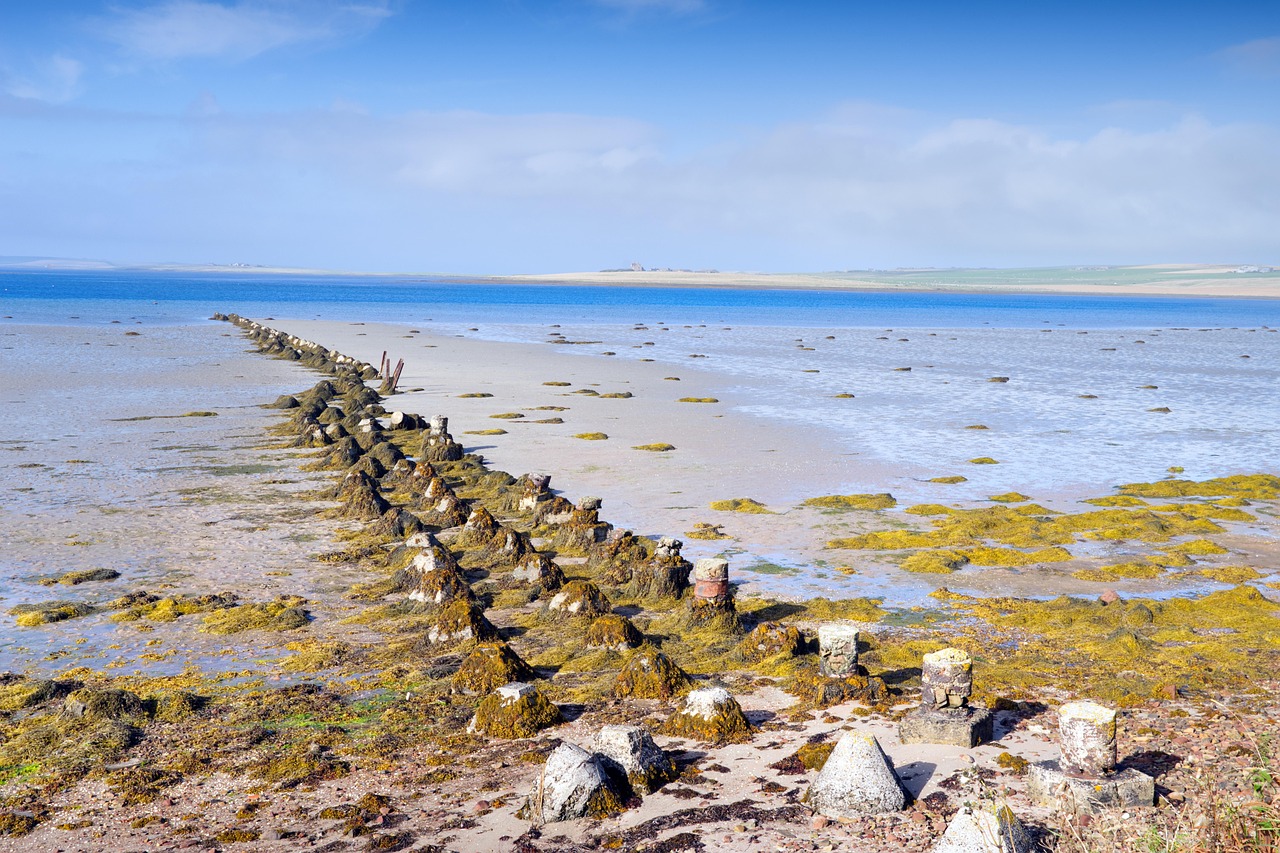
Protecting hillside residential lots, canyon slopes, and drainage channels across California from severe storm washouts and mudslides requires deploying heavy angular rock barriers. From steep coastal bluffs overlooking the Pacific to mountainous foothills surrounding the Central Valley and Southern California inland empires, California terrain experiences intense precipitation swings. Months of arid summer weather bake hillsides dry and strip vegetative root cover, often exacerbated by seasonal wildfires. When powerful winter atmospheric river storms make landfall, torrential rain saturates barren hillsides, triggering catastrophic mudflows, carving deep hillside gullies, and undermining structural foundations. Sourcing engineered California erosion control rock provides the structural weight, angular interlocking friction, and open drainage permeability needed to armor exposed inclines and stabilize drainage corridors. Property owners can schedule rapid bulk deliveries through our California aggregate delivery page to secure coarse riprap, heavy clean rock, and rounded channel stone direct to their jobsite.
Installing heavy erosion control stone blankets dissipates storm runoff energy, locks fragile hillside soils in place, and prevents destructive mudslides during atmospheric river storms.
To inspect California geological survey hazard maps, hillside slope stability guidelines, and Caltrans erosion control specifications, check:
Debris Flows and Slope Stabilization in California (Wikipedia)
Why Atmospheric Rivers Demand California Erosion Control Rock
The mountainous topography and complex fault geology across California produce highly unstable slope conditions. Shallow soil mantles consisting of decomposed granite, weathered shale, and loose silts rest over impermeable bedrock. When torrential winter storms dump multiple inches of rain over twenty-four hours, water rapidly saturates the top soil layer, turning it into heavy liquefied mud that slides down the mountain. Spreading lightweight bark mulch or thin decorative rock on steep inclines provides zero protection, as storm runoff quickly washes small materials away. Homeowners must deploy dense, angular California erosion control rock to anchor slopes and construct armored swales.
Heavy angular crushed stone creates a fractured matrix that grips underlying ground, forcing rushing surface water to lose speed and drop its sediment load. Rounded river stones installed within arroyos and drainage swales mimic natural riverbeds, handling massive stormwater volumes without eroding channel banks. In foothills communities like Brentwood and canyon landscapes near San Jacinto, deploying heavy riprap rock keeps residential building pads secure during torrential winter storms.
- Heavy angular slope stabilization stone → 1 1/2″ clean rock
- Coarse interlocking check dam rock → #4 crushed stone
- Smooth channel lining and arroyo stone → River rock
- Underlayment drainage filtration stone → #57 stone
Recommended Stone Grades for California Slope Protection
Matching aggregate size and fracture characteristics to your specific slope angle and water volume ensures permanent erosion prevention.
| Erosion Control Application | Recommended Aggregate | Hydraulic and Stabilization Performance |
|---|---|---|
| Hillside Slope Armoring (Up to 2:1) | 1 1/2″ Clean Crushed Rock | Fractured stone edges lock together, preventing rock sliding and stopping sheet rill erosion. |
| Gully Check Dams and Energy Dissipators | #4 Crushed Stone (1 1/2″ to 2 1/2″) | Forms heavy, porous weirs across drainage ravines, slowing water velocity and trapping mud. |
| Culvert Outfall Splash Aprons | Heavy Riprap and Coarse #4 Stone | Absorbs violent discharge energy from storm pipes, preventing deep plunge-pool scouring. |
| Naturalized Drainage Swale Lining | River Rock (2″ to 6″ Rounded) | Creates a smooth, aesthetic watercourse that carries high volumes without blowing out banks. |
Armoring Steep Slopes and Hillside Cuts
Stabilizing a vulnerable hillside starts with grading out existing washouts and removing loose, rolling debris to create a uniform slope face. Excavate an anchoring keyway trench at the base of the slope at least eighteen inches deep and two feet wide to lock the rock blanket and prevent downslope slippage.
Line the slope with a heavy-duty, non-woven geotextile filter fabric, overlapping adjacent seams by two feet and pinning edges with twelve-inch steel anchor pins. Place a four- to six-inch layer of angular 1 1/2-inch clean crushed rock over the fabric, placing stone from the bottom toe trench upward so lower stones support upper layers. Review our 1 1/2-inch clean rock material guide for specialized rock depth calculations on severe hillside gradients.
Constructing Rock Check Dams and Spillways
When concentrated stormwater cuts deep ravines through your property, building rock check dams stops gully expansion. Place check dams at regular intervals along the gully, sizing them so the crest of each dam aligns with the base of the dam immediately above it.
Build the dams using coarse #4 crushed stone mixed with heavy riprap. Shape the center of the dam six to twelve inches lower than the sides to create a natural weir, ensuring storm surges flow through the rock center rather than cutting around into fragile dirt banks. Homeowners across unincorporated hillside enclaves like South San Jose Hills rely on stone check dams to protect driveway bridges from catastrophic washouts.
Benefits of Bulk Aggregate Delivery Across California
- Delivers high-capacity dump truck loads of heavy ballast stone straight to hillside project pads.
- Drastically reduces project costs compared to purchasing individual retail bags of gravel.
- Quarry-direct materials guarantee high-density, weather-resistant basalt and granite stone.
- Experienced drivers stage aggregate strategically along driveway cuts to minimize uphill hauling.
Calculating Aggregate Quantities for Slope Stabilization
Accurate material calculations prevent dangerous shortages during pre-storm emergency armoring. Measure the length and width of the slope face in feet to determine square footage. Multiply square footage by planned rock depth in inches, then divide by 324 to find cubic yards. Clean crushed rock weighs approximately 1.4 tons per cubic yard.
For example, if armoring an 800-square-foot hillside cut with a 6-inch layer of 1 1/2-inch clean rock: Multiply 800 by 6 to get 4,800. Divide 4,800 by 324 to find 14.81 cubic yards. Multiply 14.81 cubic yards by 1.4 tons per cubic yard to determine 20.73 tons. Adding ten percent for the toe trench and overlap means ordering twenty-three tons provides complete slope stabilization.
Frequently Asked Questions
Can I use smooth river rock on a steep hillside slope?
No, smooth rounded river rock rolls easily downslope during heavy rain; always use angular crushed stone that interlocks mechanically on hillsides.
Why is geotextile fabric mandatory beneath erosion stone?
Geotextile fabric prevents saturated fine silt and mud from pumping upward through stone voids, keeping rock layers firmly locked to the hillside.
How do I stop runoff from cutting around the ends of a check dam?
Excavate the outer edges of the dam into the gully banks and keep the center weir at least six inches lower than the sides.
What stone size is best for storm culvert discharge splash pads?
Use coarse #4 crushed stone or heavy four- to eight-inch riprap placed over geotextile fabric to absorb violent culvert pipe velocity.
Final Thoughts
Shielding your California hillside property from devastating storm runoff and mudslides requires deploying heavy, interlocking stone barriers over engineered geotextile underlayment. By excavating anchoring toe trenches, lining slopes with filter fabric, and placing durable California erosion control rock, your land withstands intense winter atmospheric river events with total stability. Find your California delivery area here to schedule bulk delivery of erosion control stone, riprap, and drainage gravel directly to your jobsite.
Order erosion control rock and riprap across California today











