
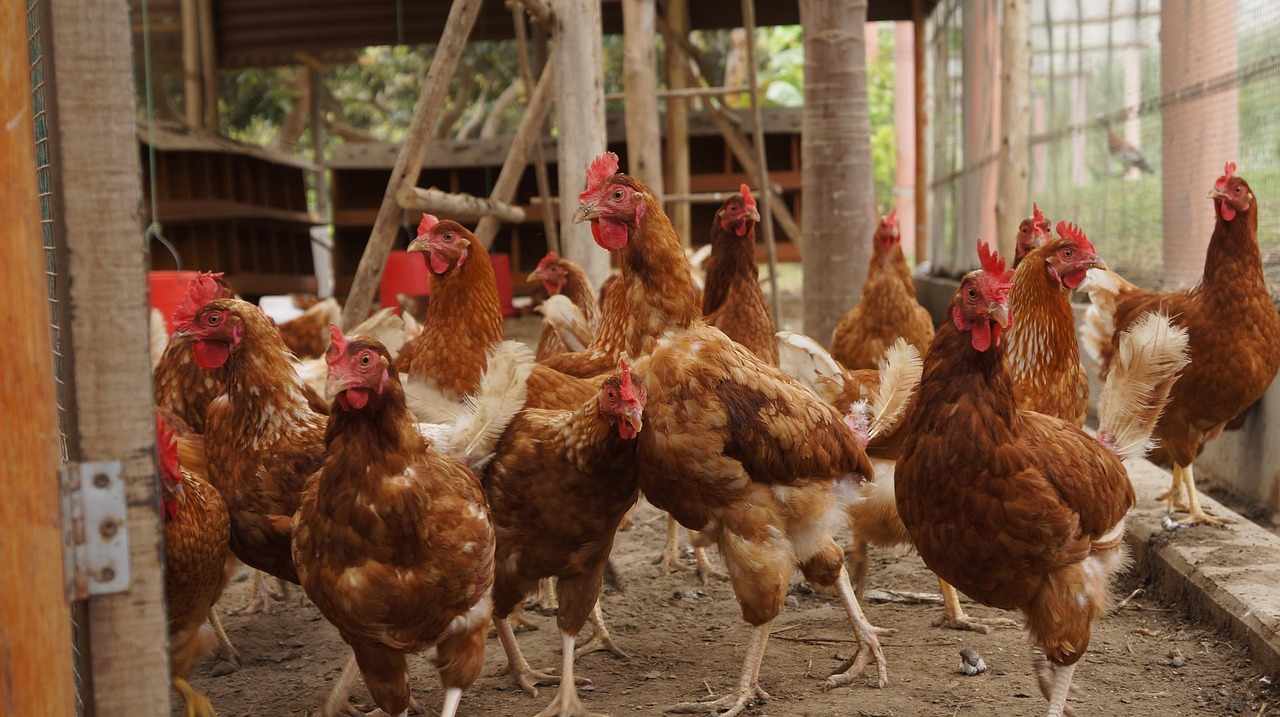
Raising backyard laying hens and heritage poultry breeds in Warrenton, Virginia requires clean, well-drained outdoor enclosures to keep flocks healthy and productive. Installing free-draining chicken run gravel Warrenton VA homesteaders rely on establishes an all-weather, mud-free run that drains standing water instantly and prevents bumblefoot and respiratory diseases. Located in central Fauquier County in the heart of Virginia horse country, local small acreages contend with dense Piedmont clay and heavy seasonal precipitation. In unpaved poultry runs, chickens quickly scratch away turfgrass, turning bare dirt into soupy, foul-smelling mud after seasonal rains. Utilizing clean washed drainage stone beneath coarse sand bedding creates a self-draining floor that stays dry and resists rodent tunneling. Coordinating prompt bulk delivery through Warrenton aggregate delivery brings washed drain rock, fill sand, and compost soil right to your barn gate.
Why Backyard Flocks Need Chicken Run Gravel Warrenton VA Enclosures
Chickens spend their days scratching and foraging in the run. On bare clay ground, routine watering and rainstorms transform the enclosure into an anaerobic mud bog that breeds harmful bacteria, coccidia, and parasites.
Continuous exposure to wet mud softens chicken foot pads, causing painful infections known as bumblefoot. Wet conditions also generate noxious ammonia fumes that irritate sensitive avian respiratory systems. Building a raised aggregate floor solves these issues permanently: clean crushed stone allows waste liquids and rain to percolate instantly into underlying subsoils, while a top layer of coarse sand provides a clean, dry scratching medium that is easy to sift and sanitize.
Essential Aggregates for Warrenton Poultry Runs
Selecting clean, dust-free aggregate materials ensures your flock enjoys clean, sanitary outdoor housing. Top material selections include:
- → #57 stone: Clean, washed 3/4-inch angular crushed gravel offering exceptional void space for deep subsurface trench drainage.
- → Fill sand: Coarse, washed granular sand that provides an easily raked, fast-drying surface bedding layer for chickens.
- → Compost soil: Rich organic planting blend used for composting chicken coop manure and enriching home vegetable beds.
Securing bulk transport through Warrenton aggregate delivery guarantees that clean commercial materials arrive promptly at your curb ready for spreading.
Comparing Flooring Options for Backyard Chicken Enclosures
Evaluating floor materials helps Fauquier County poultry keepers choose the best ground cover for their flock’s health:
| Run Flooring Material | Drainage & Moisture Control | Sanitation & Maintenance Effort |
|---|---|---|
| Washed #57 Stone Sub-Base | Instant water drainage, breaks capillary dampness | Permanent sub-base, never rots, blocks burrowing rats |
| Coarse Washed Sand (Top Layer) | Fast surface drying, keeps feet clean and dry | Easily sifted with a kitty litter scoop, low odor |
| Wood Straw / Hay Bedding | Absorbs moisture, turns soupy when wet | Harbors mold and mites, requires frequent total cleanout |
| Wood Bark Mulch | Moderate drainage, decomposes over time | Can harbor aspergillus mold spores that harm birds |
Managing Fauquier County Clay Soils and Predator Defense
Warrenton properties feature heavy Piedmont clay that retains surface water and drains slowly. Digging an unlined shallow pit in clay creates an underground pool of standing liquid that retains poultry odors and breeds bacteria. To ensure long-term sanitation, contractors excavate the run area six to eight inches deep, sloping the clay subgrade slightly toward an exterior drainage swale.
Lining the excavation with heavy non-woven geotextile fabric stops chickens from scratching down into the clay while allowing wash water to filter into subsoils. Installing buried hardware cloth beneath the stone stops burrowing predators like foxes, raccoons, and rats from tunneling into the coop. Following poultry biosecurity recommendations from Virginia Cooperative Extension helps property owners maintain clean, odor-free poultry runs naturally. Homesteaders building poultry enclosures in neighboring communities like George Mason, VA apply these identical aggregate base guidelines to ensure flock health.
Step-by-Step Construction of a Dry Chicken Run Floor
Follow these practical engineering steps to build a sanitary, low-maintenance chicken run floor:
- Excavate the Enclosure: Dig out the run footprint six to eight inches deep, removing all sod and organic topsoil.
- Slope Subgrade: Shape the native clay subsoil with a subtle one-to-two-percent downward slope toward a safe drainage area.
- Install Predator Hardware Cloth: Lay half-inch galvanized hardware cloth across the floor and attach it securely to run framing to block digging predators.
- Install Separation Geotextile: Roll out heavy commercial geotextile fabric over the wire mesh to stop aggregate from sinking into clay.
- Install Base Drainage Stone: Deposit three to four inches of washed #57 stone across the floor to create an open drainage reservoir.
- Apply Coarse Sand Wearing Layer: Spread two to three inches of clean coarse sand over the gravel, raking smooth to create a comfortable scratching floor.
Calculating Chicken Run Aggregate Volume and Delivered Tonnage
Accurate material calculations ensure your poultry enclosure project progresses smoothly without mid-day material shortages. Calculate volume by multiplying total run length by width by planned depth in feet, then divide by twenty-seven to determine cubic yards. Convert cubic yards to delivered tonnage using aggregate density ratios.
Consider a standard residential chicken run measuring ten feet wide by twenty feet long, totaling 200 square feet. For a total aggregate depth of six inches (0.5 feet deep), multiply 200 by 0.5 to find 100 cubic feet of space. Dividing 100 by twenty-seven gives 3.70 cubic yards of material. Using a three-inch crushed #57 stone drainage base (1.85 cubic yards) and a three-inch coarse sand top layer (1.85 cubic yards), calculate tonnage based on material densities. For the stone (1.85 multiplied by 1.35 tons/yard), order 2.5 tons of #57 stone. For the sand (1.85 multiplied by 1.3 tons/yard), order 2.4 tons of coarse fill sand. Total order is roughly five tons of combined aggregates. Explore our comprehensive #57 stone material guide to study drainage and hardscape specifications.
Frequently Asked Questions About Warrenton Chicken Runs
Is crushed gravel safe for chicken feet?
Angular gravel is used as a sub-base drainage reservoir beneath a two-to-three-inch layer of coarse sand. The chickens walk on the soft sand, which cushions their feet while water drains through the stone below.
Can chickens eat pea gravel as digestive grit?
Yes. Chickens occasionally ingest small rounded pebbles to grind grains in their gizzards, which is a completely natural and healthy biological behavior.
How do I clean and sanitize a sand-over-gravel chicken run?
Use a long-handled metal sift shovel or cat litter scoop once a week to remove dried manure clods. The sand stays dry and odor-free, requiring total replacement only once every two to three years.
Will burrowing rats tunnel through a gravel chicken run floor?
Rats cannot tunnel through sharp compacted crushed stone, and pairing the stone with galvanized hardware cloth provides complete, impenetrable rodent defense.
Order Premium Poultry Run Aggregates in Warrenton, VA
Keep your backyard flock healthy, dry, and odor-free with the proven materials for chicken run gravel Warrenton VA homesteaders rely on for year-round biosecurity. Book your bulk aggregate delivery through our experienced Warrenton aggregate delivery team today.











