




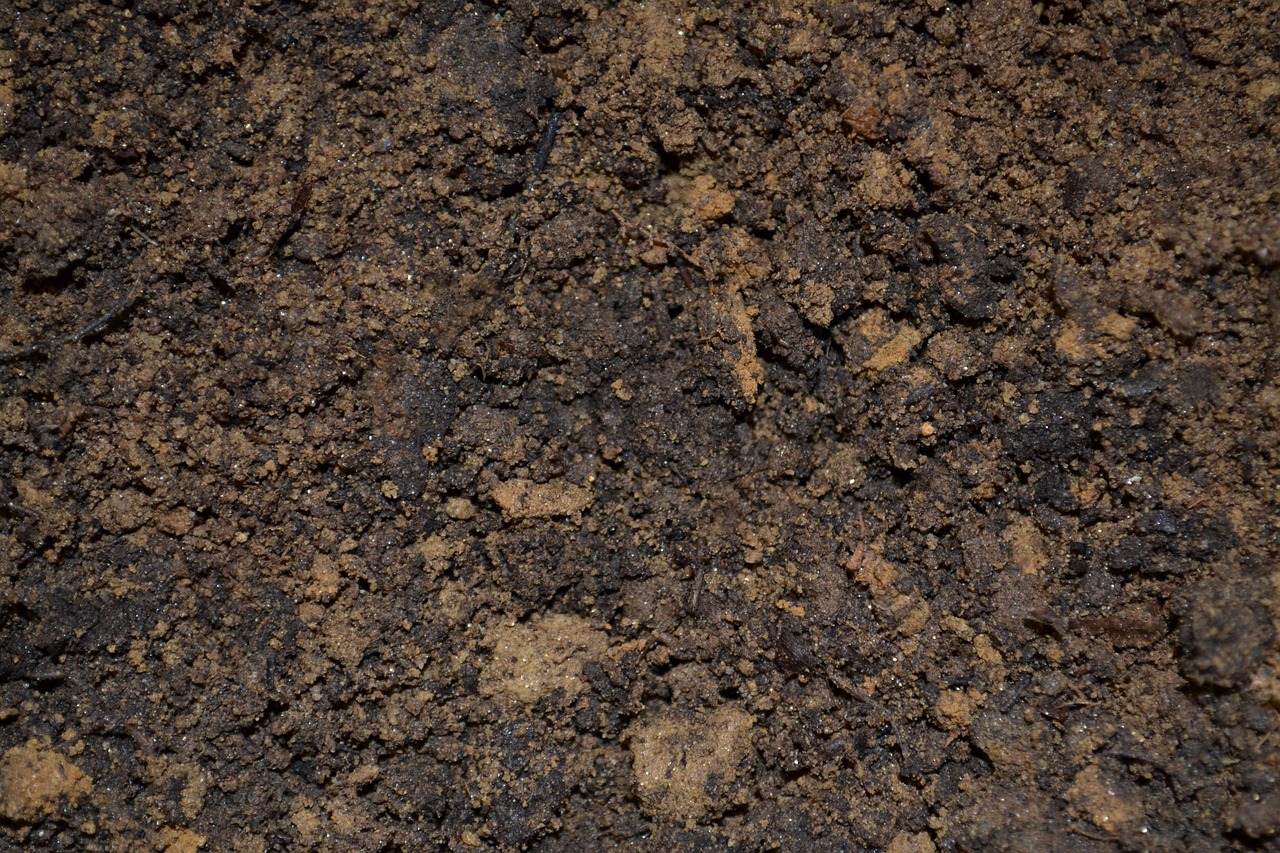
Revitalizing Suburban Lawns and Garden Beds With Biologically Active Organic Matter
Maintaining a lush, resilient lawn in southern New Jersey requires more than applying synthetic chemical fertilizers every spring. While chemical feeds green grass blades temporarily, they do nothing to address compacted subsoils or stimulate soil microbiology. Applying high-grade compost top dressing Ashland NJ homeowners rely on introduces dark, biologically active organic matter that enriches depleted topsoil, boosts water infiltration, and builds deep root systems. Ashland is an established residential community within Cherry Hill Township in Camden County, where sandy coastal plain loam transitions into tight clay pockets that easily become compacted under family foot traffic and mower wheels. When native soils compact, grass roots suffocate and summer heat turns turf brown. Arranging direct bulk delivery through Ashland aggregate delivery brings dark compost, screened garden soil, and pulverized loam directly to your driveway.
Spreading a thin layer of compost over aerated turf injects millions of beneficial fungi and bacteria that decompose thatch naturally and enhance soil structure.
Why Compost Top Dressing Ashland NJ Turf Needs Delivers Results
Native soils in Camden County often suffer from tight pore spaces or excessively sandy sections that fail to hold summer moisture. When heat waves strike, compacted ground bakes hard, preventing irrigation water from soaking into root zones.
Compost topdressing solves this structural flaw. Fully decomposed organic compost consists of microscopic humus particles with vast internal surface areas. When worked down into core aeration holes, compost particles bond with native mineral soil to create crumbly, porous soil aggregates. This improved structure increases water retention capacity by up to forty percent while allowing heavy spring runoff to percolate smoothly. The Rutgers NJAES turf specialists emphasize that applying a quarter-inch layer of finished compost to aerated residential turf significantly increases microbial diversity, enhances drought tolerance, and reduces supplemental watering needs by half. When scheduling compost top dressing Ashland NJ lawn care experts prescribe, timing applications with active autumn growing cycles produces golf-course turf density.
Key standards for applying organic lawn compost include:
- Target Application Thickness: Apply strictly one-quarter to one-half inch of compost so grass leaf blades remain exposed to sunlight.
- Core Aeration Pairing: Aerate the lawn before spreading compost to create deep vertical channels that pull organic matter into the root zone.
- High Organic Maturity: Use fully cured, weed-seed-free compost with a dark earthy aroma and zero uncomposted wood chunks.
- Overseeding Integration: Broadcast resilient grass seed mixtures immediately after spreading compost to thicken bare patches effortlessly.
Recommended Bulk Soils and Organic Amendments
Selecting clean, nutrient-dense amendments guarantees rapid turf green-up and long-term soil health. Review our top bulk materials:
- → Compost soil: Dark, fully decomposed organic matter packed with beneficial microbiology, trace minerals, and moisture-retaining humus.
- → Garden soil: Rich, balanced planting blend featuring screened loam, organic compost, and sand, ideal for flower beds and raised planters.
- → Screened topsoil: High-purity pulverized loam free of stones and debris, perfect for leveling lawn depressions and establishing sod.
Consult our comprehensive compost soil material guide to understand carbon-to-nitrogen ratios, application timing, and soil health metrics.
Lawn Amendment and Soil Medium Comparison
Compare the practical attributes of common soil products to select the ideal amendment mix for your Camden County property:
| Material Type | Primary Function | Performance Characteristics |
|---|---|---|
| Compost Soil | Turf topdressing and microbial enrichment | Maximum moisture retention, breaks down thatch, feeds soil microbes |
| Screened Topsoil | Grade correction and sub-sod base | Pulverized mineral body, fills ruts permanently, supports root anchoring |
| Garden Soil Blend | Raised beds and ornamental planting | Ready-to-plant balance, excellent aeration, supports heavy root feeding |
| Chemical Fertilizer | Short-term leaf blade greening | Fast nitrogen release, zero organic matter addition, risks runoff pollution |
Step-by-Step Lawn Topdressing Application Process
Follow these proven steps to achieve maximum turf rejuvenation with organic compost:
- Mow Turf Low: Cut your lawn down to approximately two inches and remove grass clippings to expose the soil surface.
- Core Aerate the Yard: Run a mechanical core aerator across the lawn in two perpendicular directions, pulling two to three-inch soil cores.
- Deposit Compost Mounds: Drop small shovel mounds of compost evenly across the lawn area to simplify raking.
- Spread and Level: Use the backside of a landscape rake or a drag mat to spread compost to a uniform one-quarter to one-half inch layer.
- Water Thoroughly: Water the lawn deeply to wash fine compost particles down into aeration holes and settle the soil.
Managing Soil Compaction and Seasonal Weather in Camden County
Ashland experiences hot, humid summers and freezing winter temperatures that test lawn vitality. Heavy summer storms followed by drought stress cool-season fescue lawns. Homeowners can easily schedule aggregate delivery in Ashland to receive bulk compost and screened loam delivered directly to their property. Property owners in South Amboy, NJ and across the Garden State utilize similar organic topdressing methods to shield turf from winter desiccation and summer heat stress.
Calculating Compost Volume and Yardage Requirements
Accurate area measurements ensure you order sufficient compost without over-applying:
Measure the square footage of the lawn area requiring topdressing. For example, a suburban lawn measuring 50 feet by 40 feet covers 2,000 square feet. For a 1/4-inch compost layer (0.021 feet), calculate required cubic feet:
2,000 x 0.021 = 42 cubic feet
Convert cubic feet to cubic yards by dividing by 27:
42 / 27 = 1.56 cubic yards
Moist organic compost weighs approximately 1.1 tons per cubic yard:
1.56 x 1.1 = 1.72 tons of compost
Rounding up to 2 tons provides extra material to enrich landscape garden beds and fill settling ruts along walkways.
Frequently Asked Questions
When is the best time to apply compost topdressing in New Jersey?
Early autumn (late August through September) is ideal because cool-season grasses are actively growing and recover rapidly before winter.
Will compost topdressing smother my existing lawn?
No, keeping the compost layer under one-half inch allows grass leaf tips to absorb sunlight while fine organic particles settle down to soil level.
Do I need to remove aeration plugs before topdressing?
No, leave the soil cores on the lawn; dragging compost across the yard breaks up the plugs and blends them with the fresh organic matter.
How often should I topdress my lawn with compost?
Applying a light compost topdressing once every two to three years maintains optimal soil microbial activity and eliminates the need for heavy chemical fertilizers.
Order Your Ashland Compost and Garden Soil Today
Give your lawn and landscape beds the organic nourishment they need for vibrant growth. We deliver premium organic compost, rich garden soil blends, and screened topsoil directly to homes throughout Camden County. Contact our staff to coordinate your Ashland bulk gravel delivery today.











