
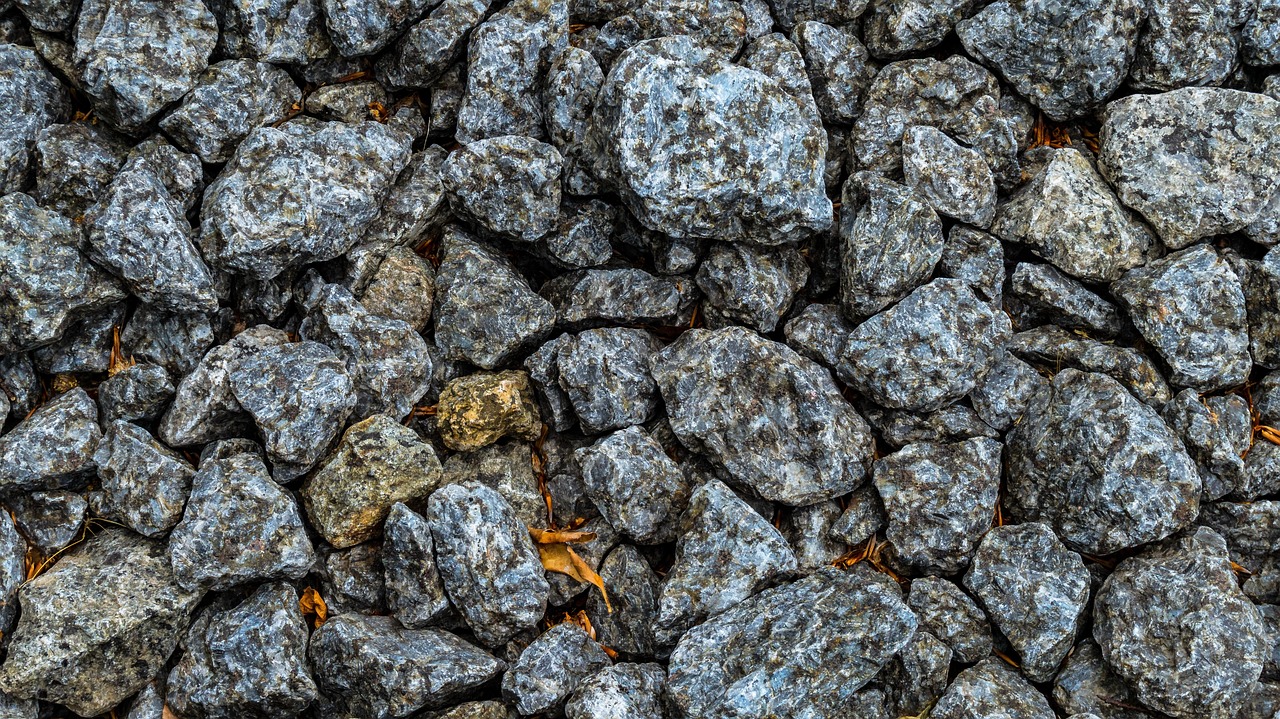
Mixing concrete on-site for backyard patio slabs, fence post collars, shed footings, and equipment pads requires precise ratios of cement, clean water, and properly graded aggregates. Sourcing certified concrete aggregate West Melbourne FL contractors and builders rely on ensures your mixed concrete reaches optimal compressive strength, density, and longevity across Brevard County properties.
Located west of Melbourne on Florida’s Space Coast, West Melbourne experiences hot summer temperatures, high humidity, and seasonal tropical storms. Concrete mixed with dirty, unscreened sands or oversized rocks develops internal weak planes, shrinkage cracks, and premature surface dusting. Aggregates account for sixty to seventy-five percent of total concrete volume, functioning as the structural skeleton bound together by Portland cement paste. Sourcing washed ASTM C33 concrete sand and #67 crushed limestone ensures high structural performance, available through our prompt West Melbourne aggregate delivery fleet.
Selecting Concrete Aggregate West Melbourne FL Builders Trust
Concrete strength relies on maximizing aggregate packing density while minimizing interstitial void space. When coarse angular stone pairs with graded silica sand, smaller sand particles nestle into voids between larger stones, reducing the amount of cement paste required to coat every surface.
Materials research documented by the University of Florida IFAS Extension highlights that clean, salt-free aggregates prevent internal steel reinforcement corrosion and prevent alkali-silica reactivity in coastal environments. Sourcing verified concrete aggregate West Melbourne FL builders specify guarantees your mix cures into an unyielding, weather-resistant slab that withstands vehicular traffic and coastal storms.
The Standard 1:2:3 Concrete Mix Recipe
For most residential slabs, footings, and retaining walls requiring a compressive strength of 3,000 to 3,500 psi, hardscape crews follow the proven 1:2:3 volume ratio:
- 1 Part Portland Cement: Type I/II Portland cement provides the chemical binding agent that reacts with water to form crystalline calcium silicate hydrates.
- 2 Parts Coarse Concrete Sand: Clean ASTM C33 sand with sharp, angular grains that fill void spaces and provide compressive strength.
- 3 Parts Coarse Crushed Stone: Number 67 clean washed limestone (3/8-inch to 3/4-inch) that provides bulk load-bearing capacity and prevents shrinkage cracking.
- 0.5 Parts Clean Water: Potable water added gradually until the mix reaches a workable, cohesive consistency without becoming runny or soupy.
Comparing Aggregates for Custom Concrete Batches
Choosing compatible aggregates ensures smooth workability during placement and finishing:
| Aggregate Product | ASTM Specification | Role in Concrete Formulations |
|---|---|---|
| Concrete Sand | ASTM C33 washed silica sand | Fine aggregate; fills voids between stones and provides smooth finishing cream |
| #67 Crushed Stone | ASTM C33 (3/8″ to 3/4″ limestone) | Coarse aggregate; standard rock for 4-inch slabs, footings, and structural pads |
| #89 Crushed Stone | ASTM C33 (1/8″ to 3/8″ chip stone) | Fine coarse aggregate; ideal for thin-section toppings, precast pavers, and grout |
| Mason Sand | ASTM C144 fine silica sand | Too fine for concrete slabs; reserved for brick mortar and thin plaster coats |
Step-by-Step Guidelines for On-Site Concrete Mixing
Following disciplined batching practices prevents dry pockets and ensures structural uniformity:
- Prepare Forms and Base: Excavate native turf, compact a four-inch crushed stone sub-base, and set sturdy wooden form boards reinforced with steel stakes and reinforcing mesh.
- Load Dry Aggregates First: In a mechanical drum mixer, load half of your #67 coarse stone and all concrete sand, spinning dry for thirty seconds to blend particle distributions.
- Add Portland Cement: Pour the full measured quantity of Portland cement into the spinning drum until the dry mix displays a uniform gray color throughout.
- Add Water Incrementally: Add approximately three-quarters of your measured water while the drum rotates. Add remaining stone, introducing water slowly until the mix achieves a cohesive peanut-butter consistency.
- Pour, Screed, and Float: Deposit concrete into forms, vibrate to eliminate air pockets, screed level with a straightedge, and float the surface with a magnesium hand trowel.
Builders in central Florida communities such as Palm Springs use identical batching ratios to ensure consistent structural strength across residential slabs.
Commercial Concrete Aggregates Available for Delivery
We source clean, quarry-direct aggregates that meet rigorous construction grading criteria:
- Concrete sand → Coarse angular silica sand meeting ASTM C33 standards for structural concrete and bedding courses.
- #67 crushed stone → Washed clean 3/4-inch crushed limestone that provides structural mass in concrete slabs.
- #89 crushed stone → Fine pea-sized limestone chips for micro-concrete, grout, and thin-wall masonry fills.
Discover complete sieve gradation analyses and batching ratios in our detailed guide to concrete sand before setting up your mixer.
Calculating Concrete Aggregate Volumes and Tonnage
Calculating aggregate quantities accurately ensures you mix your entire slab in one continuous pour without cold joint seams:
Cubic Yards Formula: Length (ft) × Width (ft) × Depth (ft) ÷ 27 = Cubic Yards of Concrete
Aggregate Weight Factors: 1 Cubic Yard of Concrete requires ~1,800 lbs (0.90 tons) of Coarse Stone and ~1,350 lbs (0.68 tons) of Concrete Sand.
For example, pouring a backyard patio slab measuring 20 feet by 20 feet at a depth of 4 inches (0.333 feet):
20 ft × 20 ft × 0.333 ft = 133.2 cubic feet ÷ 27 = 4.93 cubic yards of concrete.
Coarse Stone (#67): 4.93 cu yd × 0.90 tons = 4.44 tons of crushed stone.
Concrete Sand: 4.93 cu yd × 0.68 tons = 3.35 tons of concrete sand.
Ordering 5.0 tons of #67 stone and 3.75 tons of sand covers minor spillage and mixer wash. Sourcing premium concrete aggregate West Melbourne FL builders rely on guarantees high compressive strength and clean surface finishes. Contact our logistics desk to arrange bulk concrete aggregate delivery in West Melbourne directly to your job site.
Frequently Asked Questions About Concrete Aggregates
Can I mix concrete using sand from the local beach?
No. Beach sand contains high concentrations of sea salt (chlorides) and organic debris. Chlorides accelerate the corrosion of embedded steel rebar, and fine rounded grains produce weak, crumbly concrete.
What happens if I add too much water to the concrete mix?
Excess water weakens concrete significantly. While soupy concrete is easier to pour, surplus water leaves microscopic void capillaries as it evaporates, reducing final compressive strength and causing widespread surface cracks.
Is #57 stone suitable for mixing concrete slabs?
Yes. Number 57 crushed stone is widely used in commercial concrete mixes for thick slabs and footings six inches or deeper. For four-inch residential slabs, #67 stone is generally preferred for easier troweling.
How long should on-site mixed concrete cure before bearing weight?
Concrete reaches roughly seventy percent of its design strength after seven days of moist curing, making it safe for light foot traffic. Allow twenty-eight full days before parking heavy vehicles or placing large sheds on the slab.
Order Bulk Concrete Aggregates in West Melbourne
Ensure your next concrete project stands the test of time with quarry-direct sands and crushed stones delivered on schedule. Whether you are pouring equipment pads west of Melbourne or installing backyard patio footings across Brevard County, our team provides reliable dump truck drop-offs. Explore our aggregate options and book your delivery through our West Melbourne concrete materials team today.











