
Upgrading Front Yard Curb Appeal With Natural Rounded Landscape River Stone
Enhancing residential front yards with premium stone aggregates provides an enduring, low-maintenance alternative to annual bark mulch refreshing. Traditional wood mulch breaks down quickly, fades under summer sun, and often washes onto walkways during heavy mountain thunderstorms. Incorporating decorative river rock Dover NJ property owners choose establishes a clean, architectural groundcover that suppresses weeds, retains subsoil moisture, and complements traditional Morris County home styles. Dover is a historic town located in the Rockaway River valley within the New Jersey Highlands, where steep hillsides, stony loam, and heavy glacial soils experience severe seasonal freezes. Without durable stone landscaping, heavy storm runoff cascading down hillside yards washes loose mulch and topsoil into gutters. Arranging direct bulk aggregate drops through Dover aggregate delivery brings smooth river rock, clean crushed stone chips, and base gravel straight to your driveway.
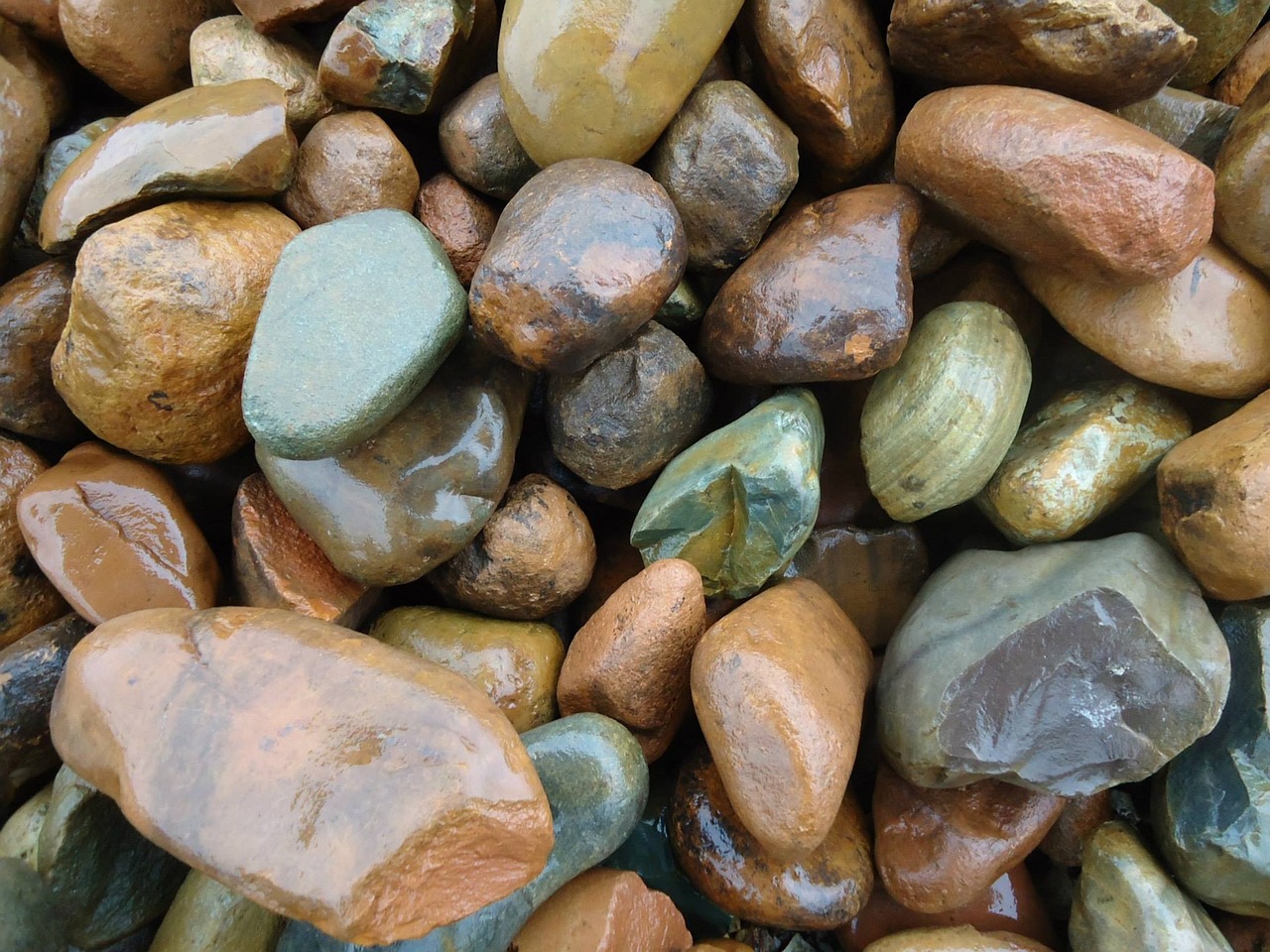
Naturally tumbled river rock features smooth, rounded contours and blended earth tones that enhance foundation planting beds, downspout splash zones, and decorative dry stream beds.
Creative Applications for Decorative River Rock Dover NJ Homes Require
River stone is exceptionally versatile, offering functional drainage benefits alongside attractive landscape aesthetics. Because it never decomposes, river rock provides permanent groundcover value.
One of the most effective uses of river stone is surrounding foundation walls and downspout discharge zones. When roof gutters discharge during summer thunderstorms, the rushing water can carve deep gullies through turf and splash mud onto home siding. Lining foundation perimeters with a three-foot apron of two to four-inch river rock dissipates water energy, prevents soil splashback, and eliminates weed growth near siding. On sloped front yards, creating dry creek beds using graduated river rock captures hillside runoff and channels it safely toward street swales without eroding lawn turf. The Rutgers NJAES recommends utilizing permeable aggregate groundcovers and non-woven geotextile barriers to control residential stormwater, prevent topsoil erosion, and reduce landscape irrigation needs. When designing with decorative river rock Dover NJ gardeners select, pairing varied stone sizes creates natural, mountain-stream realism.
Key standards for river rock landscape design include:
- Geotextile Underlay: Always install commercial non-woven landscape fabric to prevent rounded stones from sinking into wet Morris County soil.
- Graduated Sizing: Blend two-inch river pebbles with larger four to eight-inch accent stones to simulate natural water-sorted stream beds.
- Defined Edging: Anchor steel, aluminum, or stone borders three inches deep along lawn edges to keep rolling stones out of mower paths.
- Trunk Clearance: Keep river rock three to four inches away from woody tree trunks and shrub stems to prevent excessive heat buildup.
Recommended Aggregates for Highlands Landscape Projects
Selecting clean, properly sized stone ensures beautiful aesthetics and long-term durability. Review our top materials:
- → River rock: Naturally rounded, smooth stone featuring blended buff, gray, and tan shades that forms the primary body of rock beds.
- → #11 crushed stone: Small clean aggregate chips ideal for crisp bed borders, weed-free walkways, and patio transition zones.
- → 1/4″ clean crushed stone: Washed angular aggregate providing a firm, walkable walking surface around garden features.
Review our comprehensive river rock material guide to understand particle diameter variations, weight metrics, and rock garden installation guidelines.
Landscape Stone Material Comparison
Compare the functional performance of common decorative groundcovers to choose the best aggregate for your Dover yard:
| Material Type | Primary Function | Performance Characteristics |
|---|---|---|
| River Rock (1″–3″) | Foundation beds and dry creek channels | Naturally rounded, heavy enough to resist washouts, zero decomposition |
| #11 Crushed Stone | Mow strips and pathway edging | Small angular chips, packs firmly, clean washed profile |
| 1/4″ Clean Crushed Stone | Precision walkway and patio border | Locks neatly in place, comfortable under foot, rapid water drainage |
| Hardwood Bark Mulch | Moisture retention in perennial beds | Decomposes annually, fades under sunlight, floats away in heavy storms |
Step-by-Step River Rock Bed Installation Process
Follow these proven field steps to install an enduring, weed-free river stone landscape bed:
- Excavate and Clear the Bed: Strip old sod, weeds, and decayed mulch three to four inches deep across the planned border.
- Install Rigid Border Edging: Anchor commercial steel or composite landscape edging along lawn boundaries to contain loose stones.
- Roll Out Geotextile Fabric: Lay heavy non-woven geotextile fabric across the excavation, overlapping seams by twelve inches and staking firmly.
- Cut Slits for Existing Plants: Cut X-shaped slits through the fabric around established shrubs and tuck fabric snugly to the soil line.
- Deposit and Rake River Stone: Shovel in decorative river rock to a uniform depth of three inches, spreading evenly with a heavy landscape rake.
Managing Hillside Drainage and Winter Frost in Morris County
Dover experiences cold winter temperatures with soil frost lines extending thirty inches deep. Freezing ground expands, causing unanchored landscape edging to heave. Homeowners can easily schedule aggregate delivery in Dover to receive washed river stone and crushed aggregate before seasonal ground freezes arrive. Landscapers in Ocean Acres, NJ and across New Jersey rely on similar river rock groundcover systems to create durable, drought-tolerant residential landscapes.
Calculating River Rock Volume and Weight
Accurate material calculations ensure a continuous build without stone shortages:
Measure the length and width of your garden beds in feet. For example, a foundation planting bed measuring 40 feet long by 5 feet wide covers 200 square feet. For a 3-inch rock depth (0.25 feet), calculate total cubic feet:
200 x 0.25 = 50 cubic feet
Convert cubic feet to cubic yards by dividing by 27:
50 / 27 = 1.85 cubic yards
Decorative river rock weighs approximately 1.4 tons per cubic yard:
1.85 x 1.4 = 2.59 tons of river rock
Ordering 2.75 to 3 tons accounts for depth variations around mature shrub root balls and corner edging.
Frequently Asked Questions
Does river rock attract weeds?
River rock itself does not support weeds, but airborne dust can settle between stones over time; installing heavy non-woven fabric underneath keeps weed roots from penetrating.
How deep should decorative river rock be installed?
Spread river rock to a uniform depth of three inches for two to three-inch stone, ensuring full ground coverage without exposing underlying fabric.
Can I blow leaves off river rock without displacing the stones?
Yes, heavy two to three-inch river rock stays securely in place while an electric or gas leaf blower sweeps away autumn foliage easily.
Does river rock get too hot for foundation plants?
While stone absorbs sunlight, pairing river rock with hardy deciduous shrubs, evergreens, and ornamental grasses prevents heat stress.
Order Your Dover Landscape Aggregates Today
Transform your front yard with permanent, elegant decorative river rock. We deliver clean river gravel, crushed limestone, and landscape base materials directly to residential and commercial properties throughout Morris County. Contact our staff to coordinate your Dover bulk gravel delivery today.











