
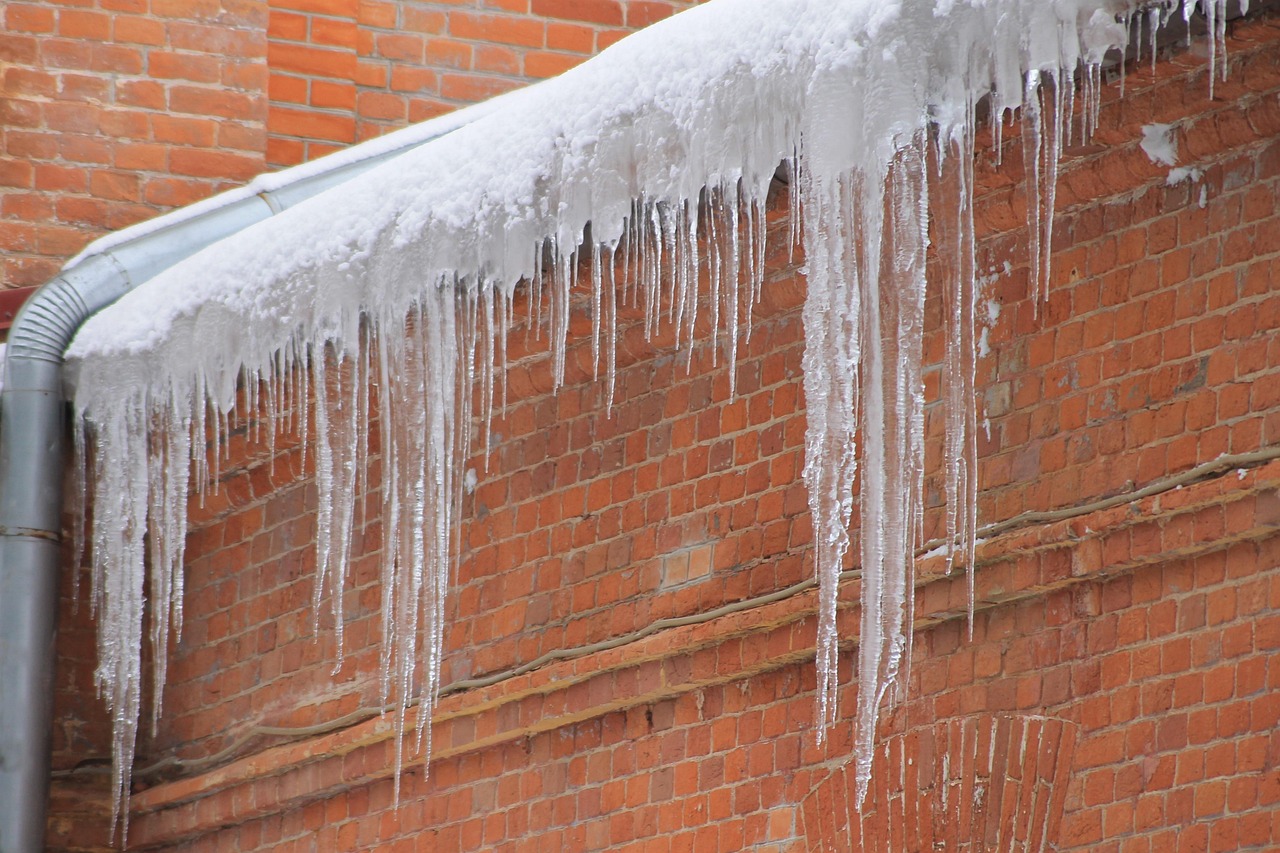
Torrential Midwestern storm fronts dumping multi-inch cloudbursts send thousands of gallons of roof runoff pouring through downspouts straight against residential basement walls. Leaving gutter water to splash on lawn sod causes foundation settling, basement seepage, and soggy yard quagmires. Constructing a high-capacity downspout dry well Benton IL properties need establishes an underground aggregate detention chamber that absorbs storm surges safely across Franklin County.
Located in southern Illinois near Rend Lake and the historic Benton Square, Benton features rolling coal-country terrain with tight silt loam topsoils over dense, impermeable clay subsoils. When spring thunderstorms and summer storm systems drop heavy rain in short intervals, flat lawns reach saturation almost instantly. Gutter downspouts emptying onto surface turf create standing lakes that flood crawlspaces, crack basement concrete walls, and erode landscape borders. Excavating a subterranean gravel pit wrapped in non-woven geotextile fabric creates an efficient underground catchment that stores storm runoff during peak rain events, letting water percolate slowly into deeper subsoil layers without ponding on lawns. Sourcing quarry-clean drainage stone through our reliable Benton aggregate delivery team guarantees prompt dump truck drops right to your job site.
Hydrology and Soil Science Behind a Downspout Dry Well Benton IL Homes Require
A standard 1,500-square-foot roof generates approximately 935 gallons of water during a single one-inch rainstorm, totaling tens of thousands of gallons each season.
Stormwater engineering publications from the University of Illinois Extension indicate that clean, open-graded aggregate trenches maintain forty to forty-five percent internal void space. Installing an engineered downspout dry well Benton IL conditions require captures high-velocity roof deluges underground, relieving hydrostatic pressure against residential foundation walls while preventing surface erosion.
The Four Structural Layers of a Subterranean Dry Well
Building an enduring, non-clogging gravel dry well requires four coordinated construction tiers:
- Excavated Detention Pit: A pit four to five feet wide and four to six feet deep, situated at least ten feet away from residential foundations.
- High-Permeability Geotextile Envelope: Heavy non-woven filter fabric completely wrapping the aggregate chamber to keep native silt from clogging rock voids.
- High-Void Clean Rock Ballast: Washed 1 1/2″ clean rock or clean #57 stone creating an open internal reservoir for rapid stormwater storage.
- Smooth-Walled PVC Inflow Pipe: Four-inch solid underground PVC pipe sloped at a one percent downhill pitch from the downspout to the gravel chamber.
Comparing Drainage Aggregates for Underground Dry Wells
Selecting clean, washed stone free from mineral fines ensures your dry well maintains maximum void volume for decades:
| Aggregate Material | Void Ratio & Flow Specs | Dry Well Application |
|---|---|---|
| 1 1/2″ Clean Rock | 45% void volume; maximum subterranean storage | Superior; primary deep pit fill; provides immense stormwater detention |
| #57 Stone (3/4″) | 40% void volume; rapid percolation rate | Excellent; versatile drainage stone; fills connecting trenches and dry wells |
| River Rock | Smooth rounded cobbles; high surface flow | Great for surface overflow catch basins, dry creek beds, and splash blocks |
| Crushed Run Base | Contains fine mineral powder and rock dust | Unsuitable; fines pack tight and completely seal off water infiltration |
Step-by-Step Installation of a Downspout Dry Well
Proper excavation and fabric placement guarantee your dry well functions reliably for decades:
- Excavate Detention Cavity: Dig a pit four feet wide by four feet long and five feet deep, maintaining a minimum ten-foot distance from building foundations.
- Line with Filter Fabric: Lay continuous non-woven geotextile fabric down the walls and floor of the pit, leaving two feet of overlapping fabric at top edges.
- Trench and Pipe Downspout: Dig a shallow sloping trench from the downspout to the pit. Install rigid 4-inch PVC pipe with a one percent downhill pitch.
- Backfill with Clean Rock: Fill the fabric-lined cavity with washed 1 1/2″ clean rock or #57 stone up to within twelve inches of finished ground surface.
- Fold and Cap: Fold excess geotextile fabric over the top of the stone to seal the chamber completely. Top with topsoil and sod or decorative river rock.
Property owners in northern Illinois communities like Mendota follow this exact aggregate dry well construction method to eliminate foundation flooding on flat parcels.
Quarry-Clean Drainage Aggregates Delivered Locally
We supply washed, dust-free aggregates certified for residential and commercial stormwater management:
- 1 1/2″ clean rock → Large washed stone aggregate providing forty-five percent void ratio for maximum underground water storage.
- #57 stone → Clean angular 3/4-inch crushed limestone ideal for drainage trenches, French drains, and dry well cavities.
- River rock → Naturally rounded river gravel perfect for surface catchment basins and decorative downspout splash pads.
Explore stone void calculations, sizing guidelines, and drainage layouts in our complete guide to clean rock before beginning excavation.
Calculating Dry Well Gravel Volume and Tonnage
Accurate aggregate sizing ensures adequate underground detention for large roof surfaces:
Cubic Yards Formula: Length (ft) × Width (ft) × Depth (ft) ÷ 27 = Cubic Yards
Tonnage Formula: Cubic Yards × Density Factor = Tons Required (1.35 for Clean Drainage Rock)
For example, excavating a dry well pit measuring 5 feet long, 5 feet wide, and 5 feet deep (125 cubic feet):
Pit Volume: 125 cubic feet ÷ 27 = 4.63 cubic yards.
Stone Tonnage: 4.63 cubic yards × 1.35 = 6.25 tons of 1 1/2″ clean rock.
Connecting Trench: A 15-foot pipe trench 1.5 feet wide and 1.5 feet deep equals 33.75 cubic feet ÷ 27 = 1.25 cubic yards.
1.25 cubic yards × 1.35 = 1.69 tons of #57 stone pipe bedding.
Ordering 7 tons of 1 1/2″ clean rock and 2 tons of #57 stone provides complete pit and trench backfill with surplus for surface transitions. Installing an engineered downspout dry well Benton IL properties count on protects foundations from flood damage. Contact our order desk to schedule your bulk drainage stone delivery in Benton today.
Frequently Asked Questions About Downspout Dry Wells
How far must a dry well be situated from my house foundation?
Always place your dry well pit at least ten feet away from residential foundations to prevent concentrated subterranean water from putting hydrostatic pressure against basement footings.
Can I connect multiple downspouts into a single gravel dry well?
Yes, provided the dry well pit is excavated large enough to store combined runoff volumes. For large roofs exceeding two thousand square feet, installing two separate dry wells is recommended.
Will tree roots penetrate and damage a gravel dry well?
Installing heavy-duty commercial filter fabric forms a durable barrier against small roots, but dry wells should be kept at least fifteen feet away from large water-seeking trees like willows or maples.
Do gravel dry wells require routine maintenance?
Installing an in-line gutter leaf guard or downspout debris trap catches leaves before they enter the underground pipe. With clean water input, a wrapped gravel dry well functions indefinitely without maintenance.
Schedule Bulk Drainage Stone in Benton, IL
Prevent storm flooding and protect your home basement with bulk drainage rock delivered directly to your doorstep. From residential neighborhoods near Benton City Park and Rend Lake College to rural parcels along Highway 37 and Highway 14, our truck fleet delivers promptly. Call our experienced Benton aggregate supply professionals today to schedule your delivery.











