




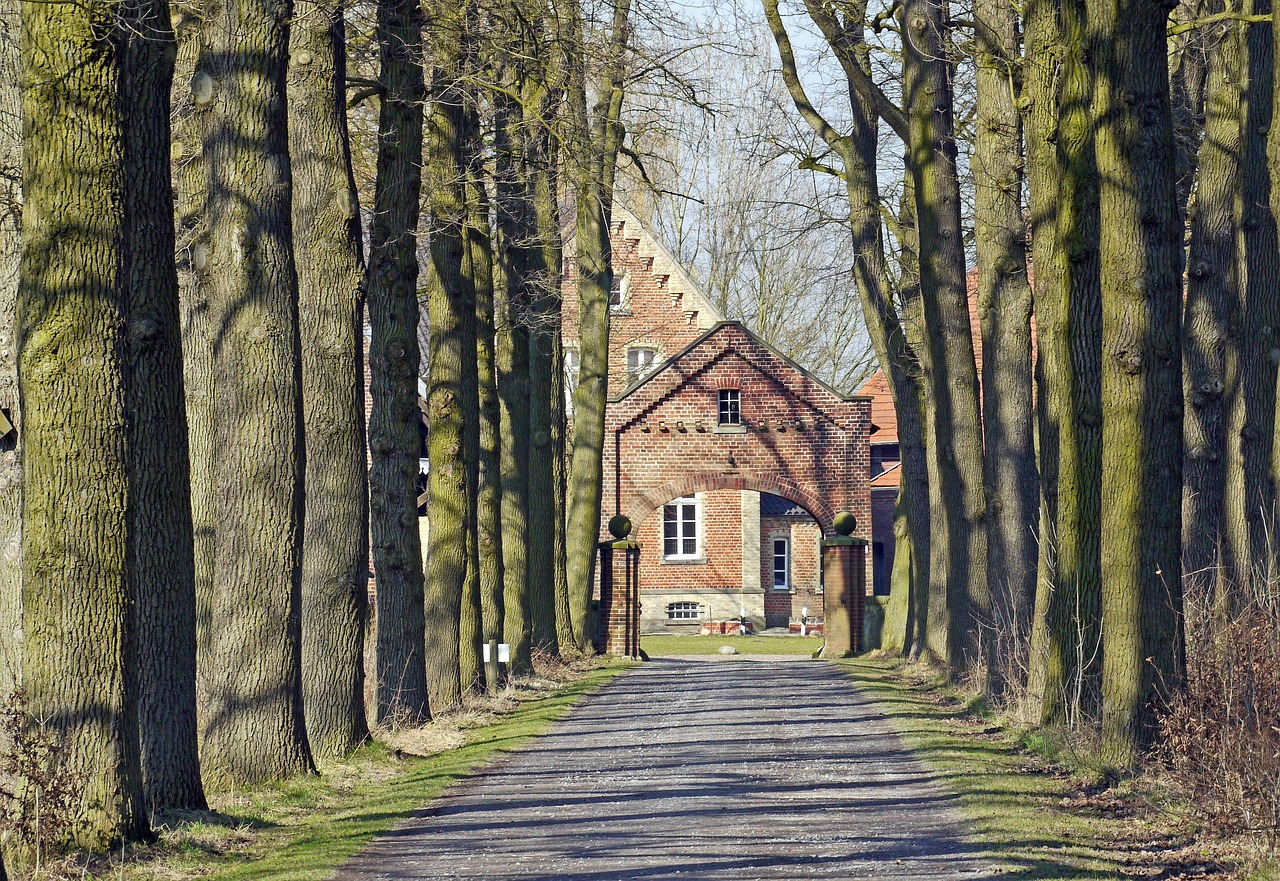
The Project in Mequon
Situated along the bluffs of Lake Michigan in Ozaukee County, Mequon is celebrated for acreage estates and equestrian properties. Homeowners develop secluded parcels with long driveways extending hundreds of feet from municipal roads. Wisconsin freezes, spring thaws, and summer downpours soften roadbeds, creating potholes and ruts. Sourcing aggregate through reliable Mequon gravel delivery provides road base gravel, crushed run, and fine #11 stone needed to construct a roadway that endures decades of traffic.
Constructing an enduring estate gravel driveway Mequon WI installation requires layering heavy road base gravel, binding crushed run with dolomitic fines, and topdressing with fine #11 crushed stone to shed rainwater and resist winter frost heave.
Why Mequon’s Soil and Climate Shape This Project
Mequon’s topography is defined by Lake Michigan glacial moraines, leaving thick deposits of dense red clay across local uplands. The dominant soil series is Ozaukee silt loam and Kewaunee clay loam, characterized by high clay content twelve to twenty-four inches below grade that retains moisture.
Ozaukee County experiences severe winter weather with deep frost. Experts at University of Wisconsin-Madison Extension emphasize that driveways over clay require a crowned profile and aggregate base over woven fabric. Laying fabric and an eight-to-ten-inch base of road base gravel bridges underlying clay, distributes wheel loads, and prevents frost heave.
Best Aggregate Options for Sprawling Estate Lanes
Selecting clean, crushed dolomitic limestone aggregates guarantees maximum density and durability:
- Road base gravel → A rugged mixture of 1 1/4-inch crushed limestone blended with fine rock dust. It compacts into an unyielding structural foundation layer that supports heavy horse trailers and delivery trucks.
- Crushed run → Angular 3/4-inch stone down to fine mineral dust. When compacted, the particles interlock to create a tight, water-shedding intermediate course that resists rutting.
- #11 crushed stone → Clean, angular 1/4-inch micro-aggregate. It acts as an elegant, quiet top wearing surface that provides smooth vehicle travel without dusty tire scatter.
Step-by-Step Estate Driveway Construction Guide
Follow these proven engineering stages to build an enduring gravel roadway across Mequon estate properties:
- Survey route and establish road crown: Clear trees and excavate a fourteen-foot roadway corridor, shaping a three percent crown sloping toward flanking ditches.
- Excavate subgrade to firm clay: Excavate eight to ten inches of topsoil down to native clay, compacting with a ten-ton vibratory roller. Contractors in Glendale roll subgrades thoroughly to eliminate soft spots.
- Install woven geotextile fabric: Roll commercial woven road fabric across the corridor, overlapping seams eighteen inches to prevent stone sinking.
- Spread and compact road base gravel: Apply six inches of road base gravel in two-inch lifts, moisture-conditioning and rolling to maximum compaction density.
- Apply crushed run intermediate course: Spread two to three inches of crushed run, shaping the center crown carefully to shed stormwater continuously.
- Topdress with #11 crushed stone: Spread a one-inch surface wearing course of clean #11 stone, rolling lightly to bed particles. Builders in Whitefish Bay use fine crushed stone for quiet, smooth travel.
How Much Gravel Do You Need?
Accurate aggregate ordering prevents costly delivery delays on long estate lanes. Dense road base gravel and crushed run weigh approximately 1.4 to 1.45 tons per cubic yard, while clean #11 crushed stone averages 1.35 tons per yard. For an estate driveway measuring 300 feet long by 12 feet wide (3,600 square feet) built with a six-inch road base, you will need approximately 66.7 cubic yards (96.7 tons) of base gravel. Applying a two-inch intermediate course of crushed run requires roughly 22.2 cubic yards (32.2 tons). A one-inch topdress of #11 stone requires roughly 11.1 cubic yards (15.0 tons). Consult our comprehensive guide to road base gravel for crown formulas and tonnage tables.
| Material | Project Application | Estimated Coverage per Ton / Yard |
|---|---|---|
| Road base gravel | 6-inch heavy subbase foundation | 45 to 55 sq ft per ton |
| Crushed run aggregate | 2-inch intermediate wearing course | 80 to 90 sq ft per ton |
| #11 crushed stone | 1-inch top wearing surface | 100 to 120 sq ft per ton |
| Washed #57 stone | Flanking ditch and culvert armor | 65 to 75 sq ft per ton |
Common Mistakes to Avoid in Mequon
Failing to establish a center crown and flanking ditches is the primary cause of driveway failure on estate parcels. Without a crown sloping toward outer ditches, rainwater collects in wheel tracks, softening the base and forming potholes. Designing a resilient estate gravel driveway Mequon WI installation requires maintaining a consistent three percent crown.
Skipping geotextile fabric directly over native Ozaukee clay allows heavy equipment to force aggregate into the subsoil within a single winter. Additionally, never use rounded pea gravel for driveway surfaces, as round stones shift under tires and roll into grass shoulders.
Local Sourcing, Permitting, and Delivery in Mequon
Resurfacing an existing private driveway within residential boundaries generally does not require building permits in Mequon. Constructing a new driveway intersecting city roads requires an access permit from the City of Mequon Engineering Department. Always call Diggers Hotline (811) before excavating.
When purchasing stone, connect with trusted Wisconsin bulk stone and gravel suppliers offering locally quarried dolomitic limestone. Spreading gravel across long country lanes requires experienced dump truck drivers capable of controlled tailgate spreading. Coordinate through our local Mequon gravel delivery dispatch office for staged aggregate drops.
Frequently Asked Questions
Why do unpaved estate driveways develop potholes in spring?
Spring thaws melt trapped subgrade ice while rain saturates the surface, softening the roadbed so heavy tires displace stone and form potholes.
What is the benefit of adding #11 stone over crushed run?
Clean #11 crushed stone creates a smooth, quiet driving surface that eliminates dust, feels comfortable under vehicle tires, and adds an attractive manicured appearance.
How thick should an estate driveway gravel base be in Mequon?
A minimum compacted thickness of eight to ten inches of combined road base and crushed run over woven geotextile fabric is recommended to support heavy trucks over clay.
How often should long rural driveways be graded?
Grading your driveway once in late autumn before the ground freezes and once in late spring restores the crown, removes washboard ripples, and redistributes stone.
Related Resources
- Crushed road base gravel for heavy-duty estate foundations and equipment lanes
- Interlocking crushed run aggregate for compact, rut-resistant wearing courses
- Clean #11 crushed stone for smooth, quiet driveway surfaces and pedestrian aprons
- Technical guide to gravel driveway grading, crown design, and maintenance
Final Thoughts
Constructing an enduring gravel driveway on your Mequon estate enhances property value and ensures dependable access through harsh Wisconsin winters. By excavating to stable clay, laying woven fabric, and compacting road base, crushed run, and #11 stone, you eliminate mud and repairs. High-grade estate gravel driveway Mequon WI materials guarantee decades of service. Explore our inventory of Mequon driveway gravel and crushed limestone. Contact Simple Gravel today to calculate material quantities and schedule delivery to your estate.











