




The Project in Casselton
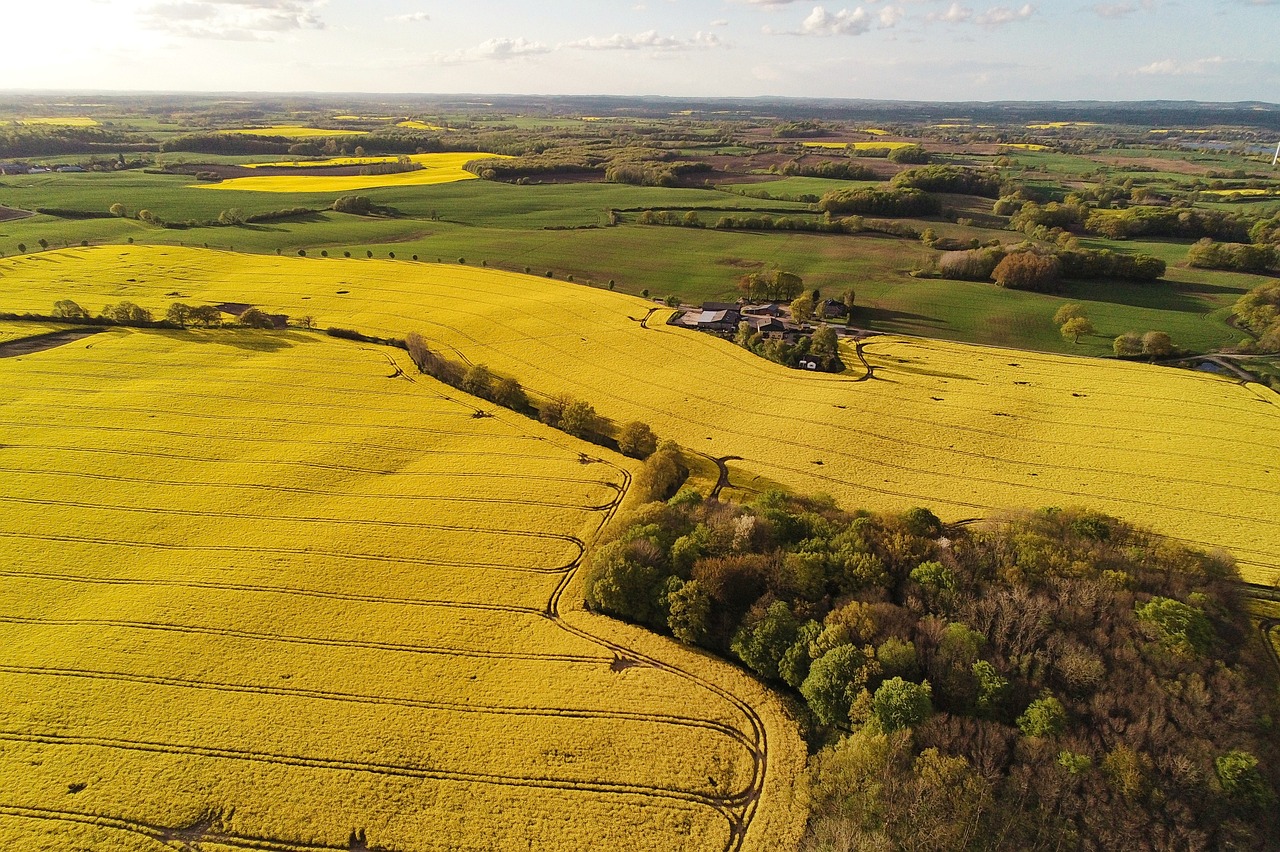
Located in western Cass County twenty miles west of Fargo, Casselton is an agricultural center surrounded by grain and sugar beet farmland. Working farmsteads and rural residences require heavy-duty driveways capable of supporting forty-ton semi-trailers, grain carts, and combines. However, building rural driveways in the Red River Valley is a battle against legendary “gumbo” clay. When saturated by spring snowmelts and harvest rains, gumbo loses all bearing strength, swallowing unreinforced gravel under heavy machinery. Sourcing certified materials through farmstead gravel in Casselton provides farmers with the heavy base rock needed to conquer soft gumbo clay permanently.
Building an engineered farmstead driveway Casselton ND installation with road base gravel, crushed run, and asphalt millings creates an unyielding surface that withstands harvest traffic and winter blizzards.
Why Casselton’s Soil and Climate Shape This Project
Casselton rests on flat glacial lake deposits dominated by Fargo and Ryan silty clays, commonly called “gumbo.” These soils consist of smectite clays with extreme shrink-swell capacities. When wet, gumbo turns into a slippery, liquefied mud that sticks to tires and loses all shear strength. When dry, it bakes into hard clods that crack open.
Furthermore, eastern North Dakota winters bring ground frost six feet deep, followed by rapid spring thaws that saturate the upper roadbed while subgrades remain frozen. Agricultural engineering specialists at North Dakota State University Extension emphasize that heavy equipment driveways on gumbo clay must incorporate heavy woven geotextile underlayment. Laying high-tensile fabric over raw subgrades bridges soft clay and stops mud from pumping into aggregate voids, while a thick layer of coarse road base gravel distributes wheel loads across the entire road prism.
Best Aggregate Options for Heavy Agricultural Driveways
Conquering heavy grain trucks and spring thaws requires heavy-duty crushed stone engineered for load distribution:
- Road base gravel → Fractured 1 1/2-inch to 2-inch crushed stone with fine rock dust. It creates an unyielding structural subbase that bridges saturated gumbo clay without settling under heavy axle loads.
- Crushed run → Dense 3/4-inch crushed rock blended with mineral fines. When compacted, the angular particles bind tightly to form a cemented, water-shedding driving crust.
- Asphalt millings → Crushed recycled asphalt pavement. Rich in residual bitumen, millings compact into a dust-free, asphalt-like driving surface that withstands heavy farm machinery.
Step-by-Step Heavy Farm Driveway Construction
Methodical roadbed grading, geotextile reinforcement, and multi-lift compaction ensure lasting lane stability:
- Excavate roadbed: Strip topsoil ten to twelve inches deep along the driveway footprint. Owners in nearby Horace follow similar excavation depths on heavy clay.
- Grade center crown: Shape the clay subgrade with a four to five percent center crown sloping toward roadside bar ditches.
- Install woven fabric: Lay woven geotextile fabric over clay, overlapping seams by three feet to prevent gumbo pumping.
- Install road base gravel: Spread six to eight inches of coarse road base gravel over fabric, misting lightly with water.
- Compact with a roller: Roll the base thoroughly with a vibratory roller until it locks into a deflection-free foundation.
- Apply surface millings: Spread three to four inches of crushed run or asphalt millings, compacting while maintaining the crown.
How Much Aggregate Do You Need for Farmstead Driveways?
Accurate material calculations prevent running short on stone during major farm yard upgrades. Crushed base aggregate weighs approximately 1.45 to 1.5 tons per cubic yard. A farm lane measuring fourteen feet wide and 200 feet long (2,800 square feet) built to a ten-inch compacted stone depth requires roughly 86 cubic yards, or about 125 tons of aggregate (85 tons of road base and 40 tons of crushed run or asphalt millings). Consult our guide to road base gravel for customized farm road calculators.
| Material | Project Depth | Estimated Coverage per Ton / Yard |
|---|---|---|
| Road base gravel | 6 to 8 inches | 40 to 55 sq ft per ton |
| Crushed run wearing crust | 3 to 4 inches | 70 to 90 sq ft per ton |
| Recycled asphalt millings | 3 to 4 inches | 70 to 90 sq ft per ton |
| Woven geotextile membrane | 1 layer | 100 sq ft per roll unit |
Common Mistakes to Avoid in Casselton
The single most expensive mistake on Red River farm driveways is dumping new gravel directly into soft spring mud ruts without geotextile fabric. Saturated gumbo swallows gravel within hours under heavy semi loads, creating deeper ruts and wasting thousands of dollars in stone. Sourcing certified farmstead driveway Casselton ND materials with high-tensile woven fabric permanently bridges soft subgrades. Another critical error is building flat driveways without deep bar ditches; flat roads trap snowmelt that softens the subbase and causes catastrophic roadbed failure.
Do not use uncrushed round pit-run gravel on heavy equipment lanes. Round stones roll under heavy truck tires, creating loose gravel shoulders and deep wheel ruts.
Local Sourcing, Permitting, and Delivery in Casselton
Maintaining or rebuilding existing farm lanes and equipment pads on private agricultural land does not require building permits in Cass County. However, installing a new approach or widening a culvert connecting to a county highway requires a highway approach permit from the Cass County Highway Department.
When ordering aggregate in bulk, partner with reliable Casselton farm gravel suppliers. Commercial belly-dump and side-dump trucks require wide turning radiuses and firm unloading areas. Verify clear overhead clearances from rural power lines before trucks arrive on site.
Frequently Asked Questions
Why does gravel disappear into Casselton farm driveways every spring?
Spring snowmelt liquefies the top layer of gumbo clay while subsoils remain frozen. Heavy truck tires force loose gravel down into soft mud while pumping mud up to the surface.
Can geotextile fabric really support loaded grain semi-trucks?
Yes. Heavy-duty woven geotextile fabric acts as a high-strength tensile bridge that distributes axle loads across a wide area while stopping mud from mixing into stone.
Are asphalt millings better than gravel for farm equipment yards?
Asphalt millings are outstanding for farm yards. Under summer sun and heavy machinery compaction, residual bitumen binds the millings into a solid, dust-free surface that resists rutting.
How deep should roadside ditches be along a rural farm driveway?
Roadside ditches should be at least eighteen to twenty-four inches below the roadbed crown, ensuring water drains away from the aggregate base and subgrade.
Related Resources
- Coarse road base gravel for heavy agricultural subgrades
- Dense crushed run base rock for cemented driving surfaces
- Recycled asphalt millings for dust-free machinery yards
- Comprehensive guide to farmstead gravel driveway construction
Final Thoughts
A dependable farmstead driveway is vital to agricultural productivity, ensuring heavy grain trucks, combines, and support equipment can access shops and fields safely in all weather conditions. Installing an engineered farmstead driveway Casselton ND system with heavy woven geotextile fabric, deep compacted road base gravel, and a durable crushed run or asphalt millings crust permanently conquers Red River gumbo clay, providing an unyielding driving platform built for generations. Explore complete North Dakota gravel driveway delivery options to source certified quarry aggregates across Cass County. Contact Simple Gravel today to calculate your farm aggregate tonnages and arrange prompt delivery through experienced Casselton rural driveway stone delivery specialists.











