
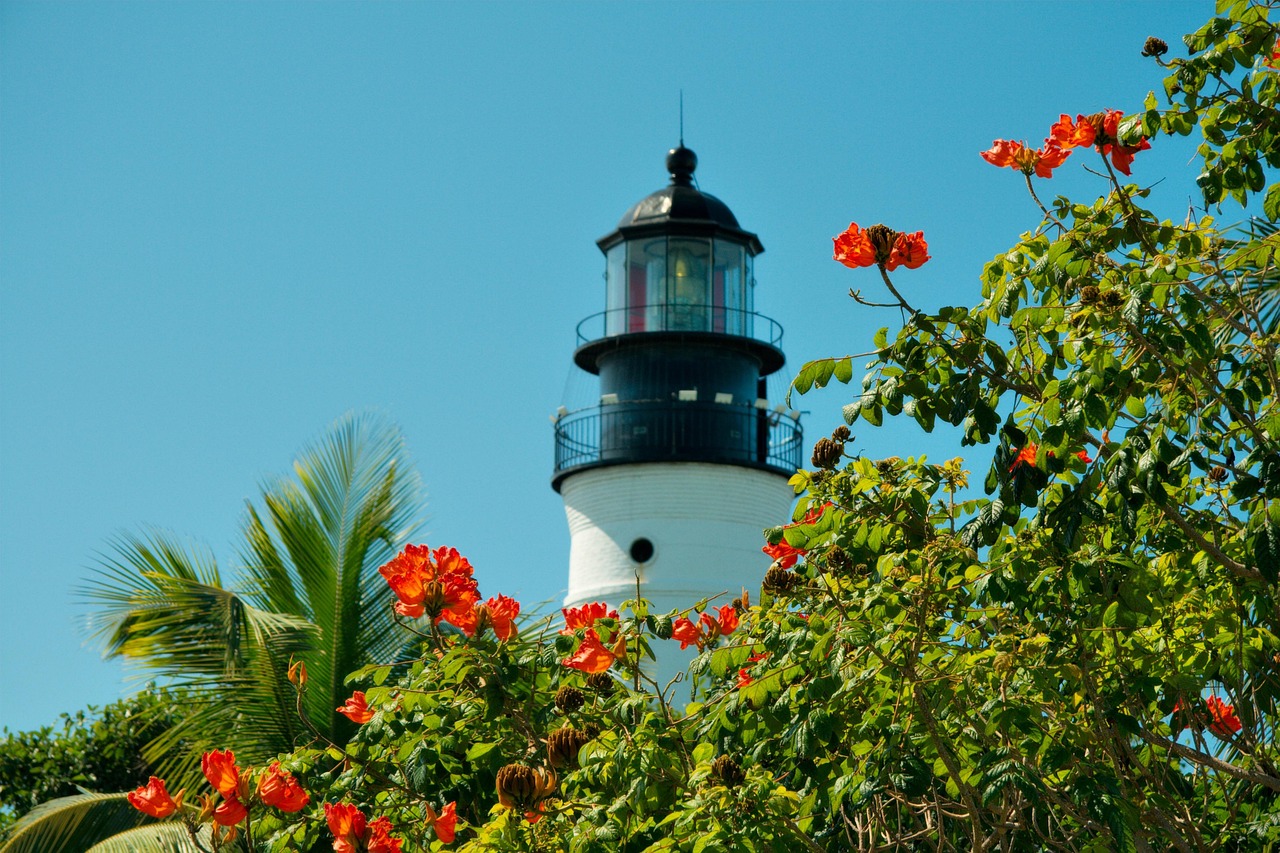
Cultivating vibrant, productive gardens along Florida coastal properties requires managing porous marine sand, persistent salt spray, and subtropical wet-dry weather cycles. From the barrier islands of the Atlantic coast down through the Florida Keys and across the Gulf Coast, residential ground consists almost entirely of fine marine sand. Florida native sand possesses virtually zero organic humus, allowing irrigation water and essential plant nutrients to drain away into deep limestone aquifers within minutes. Sourcing rich Florida coastal garden soil blends and decomposed organic compost enables coastal growers to restore soil microbiology, hold vital moisture around delicate root zones, and shield plantings from airborne ocean salt. Gardeners can schedule rapid bulk deliveries through our Florida aggregate delivery page to secure nutrient-rich garden soil, dark organic compost, and coarse bedding sand direct to their property.
Enriching native marine sand with organic garden soil and compost creates a spongy root zone that holds irrigation water and protects plants from persistent salt winds.
To inspect Florida agricultural extension guidelines, coastal dune conservation policies, and University of Florida IFAS soil amendment standards, check:
Myakka Sand and Florida Soil Characteristics (Wikipedia)
Why Porous Sands Demand Florida Coastal Garden Soil
Florida sandy ground, particularly the widespread Myakka soil series, presents extreme growing challenges. High subtropical temperatures accelerate organic decomposition, causing organic mulches to disappear rapidly into thin air. Without abundant humus, sandy soil cannot hold essential potassium, magnesium, or nitrogen, causing garden vegetables and tropical fruit trees to suffer from severe chlorosis. In coastal zones, salty sea air compounds the problem, pulling moisture directly out of foliage. Successful coastal horticulture relies on importing fertile Florida coastal garden soil blended with dense organic compost.
Quality garden soil introduces rich mineral silt and beneficial microbes that bind loose sand particles into fertile planting loam. Dark organic compost holds up to twenty times its weight in water, buffering root systems against sudden dry spells between afternoon thunderstorms. In northern coastal communities near Bradfordville and central inland hubs like Zephyrhills, top-dressing beds with organic soil protects shallow citrus and palm roots from nutrient starvation.
- Nutrient-balanced planting blend → Garden soil
- Dark fully decomposed organic humus → Compost soil
- Coarse aggregate for drainage bedding → Fill sand
- Wind-resistant decorative bed dressing → River rock
Recommended Soil and Sand Blends for Florida Coastal Beds
Pairing contrasting soil amendments with coarse bedding sand creates the optimal physical environment for vegetables, flowers, and tropical shrubs.
| Coastal Garden Application | Recommended Soil Blend | Horticultural Benefit in Florida Soils |
|---|---|---|
| Raised Vegetable Planters | Garden Soil & Compost (60/40) | Supplies rich organic nutrients, holds irrigation moisture, and feeds active earthworms. |
| In-Ground Native Sand Beds | 100% Organic Compost Soil (3″ Layer) | Tilled into top 8 inches of beach sand to create moisture-trapping humus pockets. |
| Tropical Fruit and Citrus Trees | Garden Soil & Native Sand (50/50) | Provides fertile loam while maintaining fast drainage that prevents root rot. |
| Perimeter Windbreak Borders | Screened Loam Capped with Bark Mulch | Anchors roots of coastal windbreak shrubs while mulch stops surface evaporation. |
Amending Native Sand for Maximum Plant Nutrition
Before planting in coastal Florida soil, remove invasive weeds and aggressive turfgrass roots. Spread a generous three- to four-inch blanket of rich compost soil over the entire garden footprint. Use a garden spade or rear-tine rototiller to incorporate the compost into the top six to eight inches of native sand.
Thorough blending creates an even soil profile without distinct boundary layers that block water movement. For raised beds and container gardens, fill the boxes with balanced garden soil enriched with organic worm castings and composted bark. Check our comprehensive garden soil material guide for specialized organic planting ratios and seasonal fertilization techniques.
Shielding Garden Beds From Salt Spray and Ocean Winds
Salt spray carried on ocean breezes deposits sodium chloride crystals on plant foliage, causing leaf edges to burn and curl. Plant hardy native salt-tolerant shrubs, such as sea grape or silver buttonwood, along perimeter fence lines to act as a living windbreak that filters salty ocean breezes.
Surfacing garden beds with two inches of clean river rock or chunky pine bark mulch insulates topsoil, stops windblown sand from abrading tender stems, and reduces soil surface temperatures under intense Florida sun. Master-planned communities across central regions like The Villages rely on moisture-retentive soil blends to maintain lush, tropical landscape beds despite hot summer weather.
Benefits of Bulk Aggregate Delivery Across Florida
- Quarry and soil haulers drop cubic yards of fertile loam and compost right at your garden site.
- Dramatically more affordable per cubic yard than purchasing small plastic retail store bags.
- Quarry and soil blends meet consistent agricultural weed-free and pH-balanced standards.
- Professional drivers navigate suburban avenues and tight residential driveways safely.
Calculating Soil Quantities for Raised Beds and Gardens
Accurate volume calculation ensures you order sufficient soil to fill raised planter boxes without mid-project shortages. Measure bed length in feet by width in feet to determine square footage. Multiply square footage by planned soil depth in inches, then divide by 324 to establish cubic yards.
For example, if building three raised vegetable beds, each 4 feet wide by 12 feet long (144 total square feet) with a 10-inch soil depth: Multiply 144 by 10 to get 1,440. Divide 1,440 by 324 to find 4.44 cubic yards. Because organic soil settles ten to fifteen percent after watering, ordering five cubic yards ensures your planters remain full to the top rim.
Frequently Asked Questions
Why does water drain so fast in Florida coastal soils?
Coarse marine sand particles have large void spaces with zero organic binding, allowing water to drain straight through without wetting plant roots.
How does compost protect plants from coastal salt air?
Compost increases soil cation exchange capacity, buffering root tissues from salt stress while maintaining consistent root zone moisture.
Can I use beach sand in my garden beds?
Never use untreated beach sand; it contains high sodium levels that poison garden plants and compacts into dense, airless layers.
How often should coastal raised beds be re-amended?
Add a fresh two-inch layer of organic compost soil every spring and autumn to replenish micro-nutrients consumed by heavy-feeding crops.
Final Thoughts
Creating a flourishing, productive coastal garden across Florida requires overcoming sterile marine sand through rich organic soil conditioning. By blending balanced Florida coastal garden soil with dark compost and coarse bedding sand, your vegetable patches, fruit orchards, and tropical flower beds thrive through summer heat and seasonal dry spells. Find your Florida delivery area here to schedule bulk delivery of garden soil, compost, and bedding sand directly to your property.
Order coastal garden soil and amendments across Florida today











