
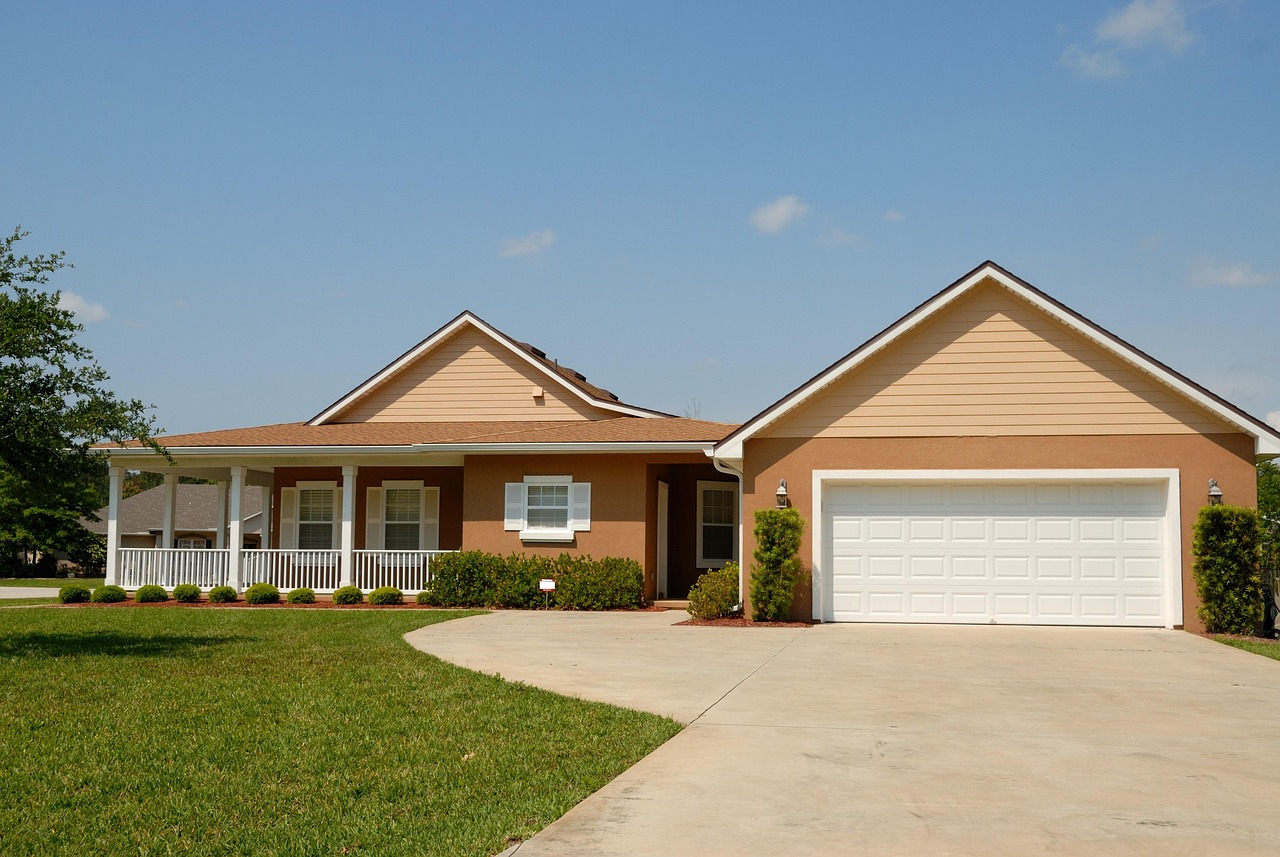
Constructing a firm, all-weather Florida gravel driveway base across rural acreages, private lanes, and suburban residences in Florida requires building an engineered aggregate foundation. Florida properties face distinct geological and meteorological obstacles: native soils consist of loose marine sand or saturated muck, summer thunderstorms dump torrents of rain within minutes, and flat terrain leads to widespread drainage ponding. When passenger cars and heavy delivery trucks drive over uncompacted sand or thin gravel coverings, tire pressure pushes stone deep into the soft subgrade, forming deep tire ruts, muddy sinkholes, and washboards. Understanding the structural layers of an engineered roadbase ensures your private road remains smooth, durable, and well-drained in every season. Property owners and road contractors can schedule rapid bulk deliveries through our Florida aggregate delivery page to secure dense road base gravel, crushed run, and durable 3/4-inch minus base stone direct to their property.
An engineered multi-layered gravel driveway distributes heavy vehicle weight across soft sandy soils, prevents washouts, and sheds heavy subtropical rain safely.
To inspect Florida rural road construction standards, Florida Department of Transportation aggregate base specifications, and local driveway permit guidelines, check:
Gravel Road Engineering and Base Stabilization (Wikipedia)
Why Saturated Sands Demand a Florida Gravel Driveway Base
Native Florida sand has virtually no cohesion or tensile strength. When dry, sand shifts loosely under vehicle tires, causing spinning wheels; when saturated during wet summer months, water cannot drain away if high water tables rise, liquefying the subgrade. Spreading a decorative two-inch layer of clean rock onto bare sand always fails because vehicle tires quickly push the stone down into the earth. Building a permanent Florida gravel driveway base requires compacting thick layers of dense-graded aggregate containing fractured stone chips and binding mineral fines.
Road base gravel and crushed run incorporate stone sizes from three-quarters of an inch down to mineral dust. When moistened and compacted with heavy rolling equipment, angular stone particles interlock tightly while mineral fines fill all internal voids, creating a semi-impervious, solid roadbed. In established suburban communities like Olympia Heights and rural ranch country near Fruitville, building an engineered aggregate road base ensures dependable access for horse trailers, service trucks, and family vehicles.
- High-strength road-grade foundation rock → Road base gravel
- Interlocking fractured base with fines → Crushed run
- Dense-graded semi-impervious road stone → 3/4″ minus base gravel
- Heavy subgrade stabilization ballast rock → #4 crushed stone
The Three Structural Courses of a Florida Gravel Driveway
Building a permanent gravel driveway relies on three distinct aggregate courses placed over compacted native subgrades.
| Driveway Layer | Recommended Aggregate | Structural Purpose and Performance |
|---|---|---|
| Subgrade Stabilization (4″ to 6″) | #4 Crushed Stone (1 1/2″ to 2 1/2″) | Bridges soft saturated sand or muck, creating a rigid bridging platform for vehicles. |
| Structural Base Course (4″ to 6″) | Road Base Gravel (3/4″ Minus) | Compacts into a rigid, semi-impervious core that distributes axle weight and prevents rutting. |
| Surface Driving Tread (2″ to 3″) | Crushed Run or 3/4″ Minus Base | Knits together under tire traffic to provide a smooth, dust-resistant driving surface. |
| Subgrade Separation Underlayment | Heavy Woven Geotextile Fabric | Prevents aggregate from sinking into native sand while maintaining subgrade drainage. |
Grading, Crowning, and Drainage Ditches
Standing water is the greatest enemy of gravel driveways. When puddles linger on a flat roadbed, vehicle tires churn saturated aggregate into soft potholes. Grade the driveway subgrade with a definite center crown, sloping downward from the centerline toward side ditches at a slope of one-half inch of drop per foot of width.
Lay heavy woven geotextile fabric directly over the crowned subsoil. The fabric acts as a permanent structural separation barrier, stopping road base gravel from disappearing into soft Florida sand while stopping underlying mud from pumping upward. Check our comprehensive road base gravel material guide for specialized crowning techniques and compaction instructions.
Spreading, Watering, and Compacting Aggregate Courses
Spread road base gravel in uniform four-inch lifts rather than dumping the entire thickness at once. Because dry aggregate cannot achieve maximum compaction density, lightly spray each lift with a water hose or water truck before rolling.
Run a heavy vibrating roller or commercial plate compactor over the surface, making four to six overlapping passes from the outside edges toward the center crown. Proper rolling forces angular stone chips to interlock while mineral fines cement the pavement into a dense, tightly locked crust. Acreage owners in central lake communities like Winter Springs appreciate how compacted base stone eliminates loose gravel kick and prevents tire washboarding.
Benefits of Bulk Aggregate Delivery Across Florida
- Direct tandem and end-dump deliveries place multi-ton loads right along your roadway centerline.
- Drastically reduces material costs compared to buying bagged aggregates from retail suppliers.
- Quarry-direct materials guarantee consistent particle size distribution and superior compaction.
- Skilled drivers tailgate-spread material along driveways to minimize manual grading labor.
Calculating Aggregate Quantities for Gravel Driveways
Accurate material calculations prevent costly shortages when building long private driveways. Multiply driveway length in feet by width in feet to obtain total square footage. Multiply square footage by planned aggregate thickness in inches, then divide by 324 to determine total cubic yards. Dense road base and crushed run weigh approximately 1.4 tons per cubic yard.
For example, if building a 200-foot-long, 12-foot-wide driveway (2,400 square feet) with a 6-inch compacted base of road base gravel: Multiply 2,400 by 6 to get 14,400. Divide 14,400 by 324 to find 44.44 cubic yards. Multiply 44.44 cubic yards by 1.4 tons per cubic yard to determine 62.22 tons. Ordering sixty-five tons accounts for compaction shrinkage and crown formation.
Frequently Asked Questions
Why does my gravel driveway develop potholes in Florida?
Potholes form when standing water softens uncompacted gravel, allowing vehicle tires to displace the stone and create deep depressions.
What is the difference between road base and clean gravel?
Road base contains stone dust and sand that compact into a solid roadbed, while clean gravel has no fines and stays loose under tires.
How thick should a gravel driveway base be for heavy trucks?
Install at least six to eight inches of compacted road base gravel over heavy woven geotextile fabric to support delivery and service trucks.
Can I spread road base gravel without adding water?
No, dry road base will not compact properly; aggregate must be dampened with water to allow mineral fines to lubricate and lock particles tightly.
Final Thoughts
Investing in an engineered aggregate base with heavy geotextile fabric and proper center crowning guarantees a dependable, all-weather driveway that withstands hot Florida summers and torrential thunderstorms. By building a solid road base gravel core and applying durable crushed run, your Florida property enjoys a smooth, rut-free entrance that protects vehicles and stands the test of time. Find your Florida delivery area here to schedule bulk delivery of road base gravel, crushed run, and driving aggregate directly to your driveway.











