
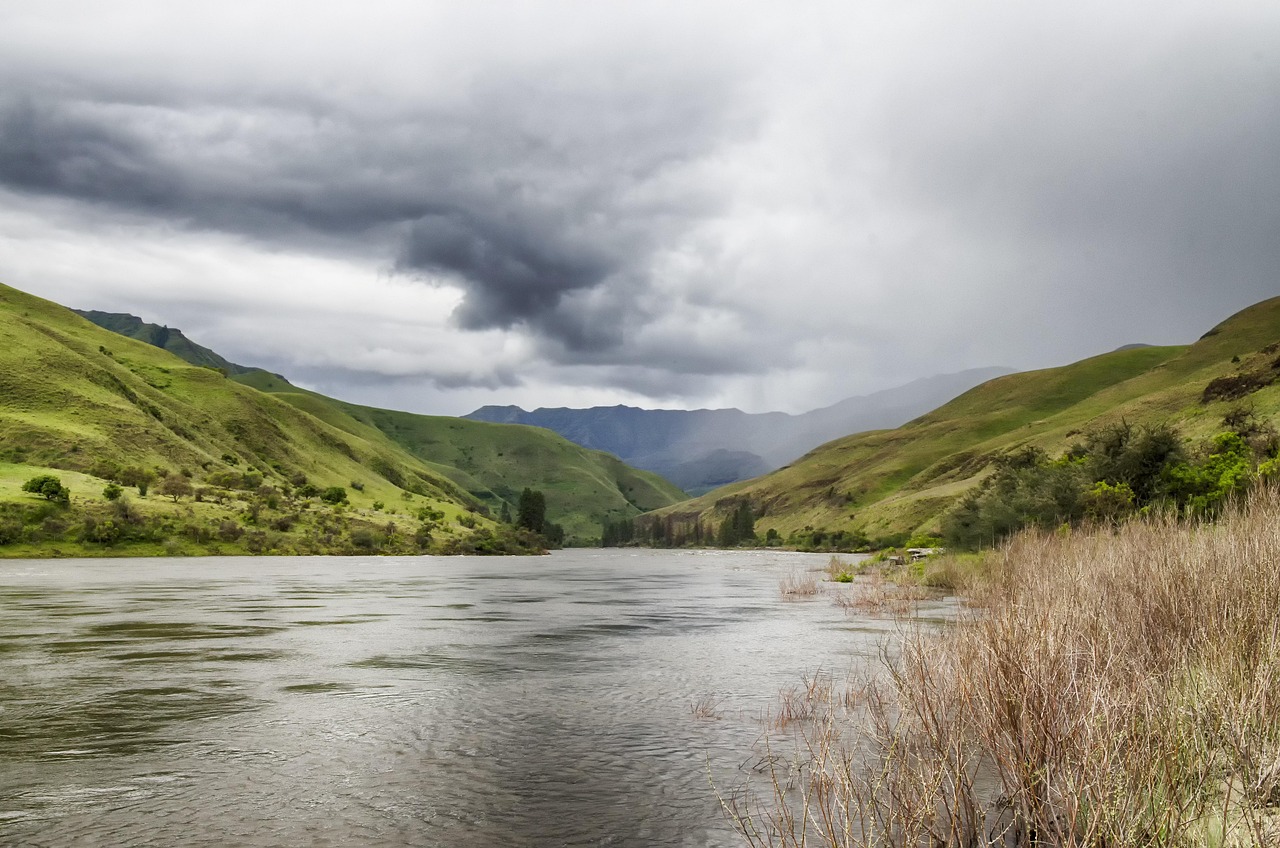
Emmett sits in a scenic agricultural valley carved by the Payette River in Gem County, cradled beneath the dramatic ridgelines of Freezeout Hill and Squaw Butte. While living in this sheltered basin offers mild winters, early spring brings intense moisture as heavy snow melting off surrounding mountain slopes cascades toward the valley floor. Neighborhoods off Highway 16, Substation Road, and Johns Avenue often find their backyards submerged under rushing surface water that pools against house footings. Installing an engineered French drain Emmett ID homeowners can count on is the most reliable defense against wet basements and flooded crawl spaces. To browse drainage aggregates dispatched directly to your property, visit our Emmett gravel delivery page.
Standing water around your foundation does more than turn manicured turf into slick mud; it exerts hydrostatic pressure that cracks concrete basement walls and creates damp crawl space conditions that invite mold. Surface ditches alone cannot solve the problem because sediment quickly clogs unlined channels. This guide explains how to survey natural runoff paths, excavate trenches with positive pitch, wrap pipes in protective geotextile, and backfill with washed aggregate for decades of subterranean water management.
For county zoning guidelines and residential stormwater drainage standards in Gem County, review:
Gem County Development Services and Engineering (Source)
Why Emmett Valley Snowmelt Demands a French Drain Emmett ID System
The geography of the Emmett basin creates distinct hydrologic challenges. Rain on snow events in late February and March send thousands of gallons of runoff down steep foothill gullies. Because much of the valley subsoil consists of dense river silt loam over impervious clay layers, water cannot percolate quickly downward. Simultaneously, the Payette River rises and local irrigation companies begin filling agricultural delivery canals, pushing the shallow water table even higher.
When this subsurface water encounters home foundations, it collects in low spots along exterior walls and patio borders. The solution is creating a low-resistance underground avenue that intercepts water before it touches your foundation. Angular, washed aggregates provide large void spaces between stone particles, allowing captured runoff to gravity-flow away toward roadside bar ditches or designated dry wells.
- Primary trench filter aggregate and void bedding → #57 stone
- Walkway surface cap over drainage trenches → 1/4″ clean crushed stone
- Pipe bedding base and leveling layer → fill sand
- Surface splash pads and open downspout swales → decorative river cobble
Browse French drain materials available in Emmett
Best Materials for Emmett French Drain Trenches
| Layer | Recommended material | Why it works |
|---|---|---|
| Primary drain rock | #57 clean stone | Uniform 3/4-inch angular rock has high void ratios that carry maximum water volumes without clogging |
| Decorative top cap | 1/4″ clean crushed stone | Small clean chips pack neatly over trench fabric to create an attractive, walkable garden border |
| Pipe bedding bed | Fill sand | Provides a smooth, stable grade to bed corrugated drain pipe before backfilling heavy gravel |
| Trench lining | Non-woven geotextile | Porous polypropylene fabric lets groundwater through while keeping fine valley silt out of the stone |
Using washed, clean aggregate without fine dust is critical; stone with dust or dirt will cement together and block drainage within two seasons.
Step 1: Layout the Route and Excavate with Slope
Identify where runoff enters your property from hillside slopes and plan a trench that intercepts the water at least six feet away from foundation walls. Dig twelve to eighteen inches wide and eighteen to twenty-four inches deep. Maintain a downhill slope of at least one inch of fall for every eight feet of run toward a discharge outlet. Check the bottom with a level so no low pockets exist where water can stagnate.
Step 2: Line with Geotextile and Bed the Pipe
Line the entire trench with non-woven drainage fabric, leaving twelve inches of excess draped over both sides. Spread two inches of fill sand or #57 clean stone along the bottom. Lay a four-inch perforated pipe with water holes facing downward toward four-o-clock and eight-o-clock. Facing holes down allows rising water to enter from below and drain away before saturating upper layers. Our #57 stone guide covers void volume ratios and stone selection.
Landowners managing acreage slopes in nearby Middleton face identical hillside drainage problems, and using washed clean stone wrapped in fabric keeps trenches flowing freely year after year.
Step 3: Backfill with Clean Stone and Wrap
Fill the trench with washed #57 clean stone to within four inches of the ground surface. Fold the excess fabric flaps over the top of the stone, overlapping them tightly. This complete fabric envelope prevents upper topsoil from washing down into the stone voids. Finish the surface with four inches of 1/4″ clean crushed stone to create an attractive perimeter pathway, or top with native dirt and turf.
Benefits of Local Delivery for Emmett Drainage Projects
- High-capacity tandem dump trucks deliver heavy rock directly to driveway work areas
- Pre-washed quarry aggregates arrive completely free of pipe-clogging clay and silt fines
- Eliminates hauling tons of stone across Freezeout Hill in light personal utility trailers
- Scheduled arrival windows let you coordinate excavator rentals with material placement
How Much Aggregate Will Your Emmett Drain Require?
To determine how many cubic yards of clean stone your drainage trench needs, use the standard dimensional formula: trench length in feet multiplied by width in feet multiplied by rock depth in inches, divided by 324. To calculate weight in tons, multiply the cubic yards by 1.4, as washed clean crushed aggregate weighs roughly 2,800 pounds per cubic yard.
For example, if you are excavating a 90-foot long French drain along a property boundary that is 1.5 feet wide and backfilling 18 inches of #57 stone, multiply 90 by 1.5 by 18 to get 2,430. Divide 2,430 by 324 to find that you need 7.5 cubic yards. Multiply 7.5 by 1.4 to calculate 10.5 tons of stone. Ordering 11.5 tons covers minor over-excavation and provides extra rock for downspout splash pads.
FAQ
Why must French drain pipe holes face downward?
Facing holes down lets rising groundwater enter from below and flow away before the trench fills, preventing ground saturation.
Can I use pea gravel instead of #57 stone in a French drain?
Pea gravel is smaller and has less void space, slowing drainage. Angular 3/4-inch #57 stone moves significantly more storm runoff.
Do I need to wash gravel before putting it in the trench?
Our bulk #57 stone is pre-washed at the quarry to remove stone dust and fines, ensuring your drainage trench stays clean and open right out of the dump truck.
Where should my French drain discharge?
Discharge into a roadside ditch, a daylighted pop-up emitter on a sloped pasture, or an underground dry well located at least twenty feet away from any structure.
Final Thoughts
Installing an engineered French drain Emmett ID conditions require stops destructive foothill snowmelt before it threatens your foundation or damages your lawn. By combining continuous slope, commercial geotextile fabric, and clean #57 stone, you create an underground drainage system that handles spring storms without maintenance. Review our aggregate delivery coverage throughout Gem County and surrounding valleys on our Idaho service area page.











