




The Project in Hudson
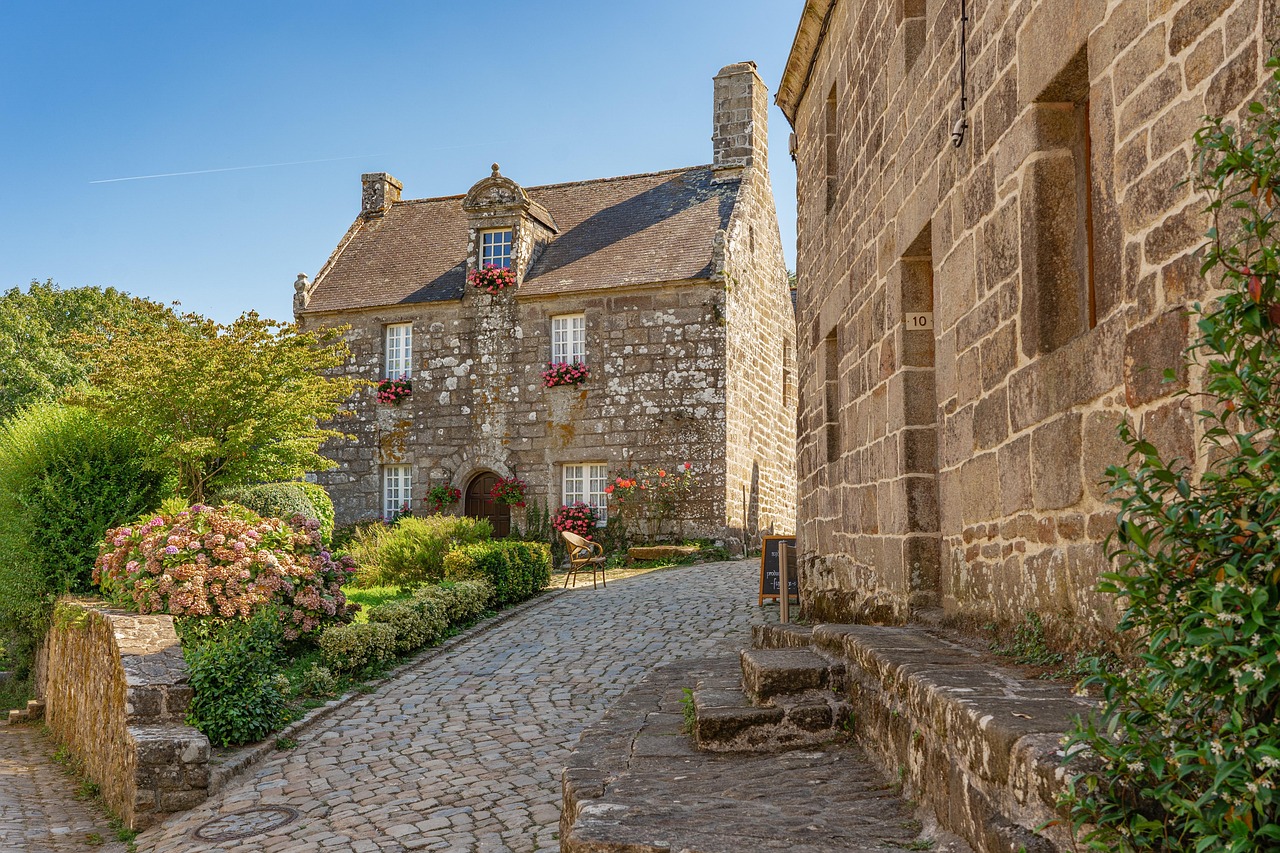
Founded in 1799 as part of the Connecticut Western Reserve in Summit County, Hudson is celebrated for its historic green, Greek Revival and Federal architecture, and beautifully preserved village atmosphere. Property owners take immense pride in maintaining formal gardens, perennial borders, and courtyard walkways that reflect the town’s historic character. However, building attractive, durable garden paths in northeastern Ohio requires overcoming demanding soil and climate conditions. Native ground turns into slick, muddy slush during spring thaws, while winter frost heaves uncompacted stones out of place. Sourcing authentic materials through garden path gravel in Hudson provides homeowners with the finely crushed, earthen-toned aggregates needed to build safe, mud-free walking paths that complement historic homes.
Creating functional village garden paths requires firm particle interlock, non-woven separation, and rigid border edging. Designing an engineered garden paths Hudson OH installation with compacting stone dust, fractured 3/8-inch walkway gravel, and clean #11 stone chips creates a stable, non-slip walking tread that withstands heavy rainfall and winter freezing.
Why Hudson’s Soil and Climate Shape This Project
Hudson’s terrain is shaped by glacial deposits overlying sandstone bedrock. Native soils, predominantly Ellsworth and Mahoning silt loams, have high clay content in the subsoil and poor natural percolation rates. During wet spring cycles, unpaved dirt garden paths become saturated quagmires that track sticky clay indoors.
Furthermore, Summit County experiences over thirty-eight inches of rainfall, severe winter freeze-thaw cycles, and heavy lake-effect snow squalls from Lake Erie. Horticulture specialists at Ohio State University Extension recommend constructing permeable aggregate paths supported by compacting stone dust subbases. Installing fractured crushed stone over non-woven geotextile fabric allows rainwater to infiltrate downward without softening the path, while angular aggregate facets lock tightly together to prevent loose stones from rolling underfoot.
Best Aggregate Options for Historic Village Garden Paths
Building enduring pathways requires aggregates that provide comfortable footing, natural historic charm, and superior drainage:
- Walkway gravel → Fractured 3/8-inch crushed stone with fine mineral dust. When compacted, the angular particles interlock tightly to create an unyielding, non-slip walking tread on garden paths.
- Stone dust → Finely pulverized quarry stone fines. It compacts into an earthen-like subbase that creates a firm, deflection-free foundation beneath brick pavers or gravel paths.
- #11 crushed stone → Clean 3/8-inch to 1/8-inch angular stone chips with zero dust. It provides excellent permeable groundcover for garden path borders and stepping stone joints.
Step-by-Step Historic Garden Path Construction
Structured excavation, rigid border containment, and progressive compaction ensure an enduring path installation:
- Plot meandering path routes: Survey your garden layout and lay out gentle curving paths connecting patios, herb beds, and garden gates. Builders in nearby Stow use curved alignments to manage gentle slopes.
- Excavate path subgrade: Dig out native soil four to five inches deep along the marked path boundary, ensuring a level subgrade trench.
- Install rigid border edging: Anchor weathered steel flat-bar or rot-resistant composite edging along path borders to prevent aggregate migration into garden beds.
- Lay non-woven geotextile fabric: Drape commercial-grade drainage fabric across the trench floor, pinning edges securely with steel landscape staples.
- Install compacting stone dust base: Spread two inches of stone dust across the trench, tamping firmly with a plate compactor to form a solid subbase.
- Apply surface walkway gravel: Spread two inches of 3/8-inch walkway gravel, tamping lightly and raking smooth to create a comfortable, level walking tread.
How Much Pathway Aggregate Do You Need?
Accurate material calculations prevent running short on stone during pathway construction. Compacted walkway gravel and stone dust weigh approximately 1.35 to 1.4 tons per cubic yard. A garden path measuring three feet wide and 50 feet long (150 square feet) built with a two-inch stone dust base and two inches of walkway gravel requires roughly 1.0 cubic yard (about 1.4 tons) of stone dust and 1.4 tons of walkway gravel. Consult our guide to walkway gravel for detailed pathway calculators.
| Material | Project Depth | Estimated Coverage per Ton / Yard |
|---|---|---|
| Walkway gravel (3/8 inch) | 2 to 3 inches | 85 to 110 sq ft per ton |
| Stone dust base | 2 inches compacted | 120 to 140 sq ft per ton |
| #11 crushed stone chips | 2 inches surface | 90 to 115 sq ft per ton |
| Natural bark mulch border | 3 inches | 100 to 110 sq ft per cu yd |
Common Mistakes to Avoid in Hudson
A frequent error in historic garden landscapes is using smooth, rounded river pea gravel on walking paths without a firm base. Round pebbles roll underfoot like marbles, spilling into lawn turf and making walking difficult. Designing an engineered garden paths Hudson OH installation with angular walkway gravel and compacted stone dust provides firm footing and stability. Another common mistake is skipping rigid border edging; without edging, gravel gradually disperses into garden beds and lawn areas.
Do not omit non-woven geotextile fabric beneath the path base. Heavy northeastern Ohio clay soils pump upward into gravel voids during winter thaws, turning clean paths into muddy channels.
Local Sourcing, Permitting, and Delivery in Hudson
Installing residential garden pathways, stone dust walkways, and landscape borders on private property generally does not require building permits in the City of Hudson. If your property is located within the designated Hudson Historic District, check with the Architectural and Historic Board of Review regarding material selections for prominent front walkways.
When booking aggregate delivery, partner with reliable Hudson path gravel suppliers. Historic village streets feature mature canopy trees, brick sidewalks, and narrow driveways. Designate a flat, protected drop spot on your driveway and use wheelbarrows to move stone into backyard gardens.
Frequently Asked Questions
What is the best gravel size for garden pathways?
Fractured 3/8-inch walkway gravel with fines is ideal. The angular facets lock together under pressure, creating a firm, non-slip surface that resists shifting.
Can wheelbarrows and garden carts roll easily on walkway gravel?
Yes. When installed over a compacted stone dust base, 3/8-inch walkway gravel compacts firmly enough to support wheelbarrows, garden carts, and lawn mowers without sinking.
How do I stop weeds from growing in garden paths?
Installing commercial-grade non-woven geotextile fabric beneath the stone stops weed roots from reaching native soil. Occasional shallow raking removes windblown weed seeds.
Is stone dust better than sand for a pathway base?
Yes. Stone dust contains fractured mineral particles with fines that interlock tightly when compacted, creating a firm base that resists washing out during heavy rains.
Related Resources
- Fractured walkway gravel for non-slip garden pathways
- Quarry stone dust for stable, compactable subbases
- Clean #11 crushed stone chips for permeable path borders
- Comprehensive guide to garden pathway installation
Final Thoughts
A thoughtfully designed garden path enhances historic architecture, provides safe, mud-free footing, and connects outdoor living spaces with natural elegance. Constructing an authentic garden paths Hudson OH installation with angular walkway gravel, compacted stone dust, and sturdy border edging creates a permanent landscape feature that withstands northeastern Ohio rain, snow, and freeze-thaw cycles. Explore complete Ohio aggregate and stone delivery options to locate certified quarry materials across Summit County. Contact Simple Gravel today to calculate your material quantities and schedule prompt delivery through trusted Hudson walkway aggregate delivery specialists.











