




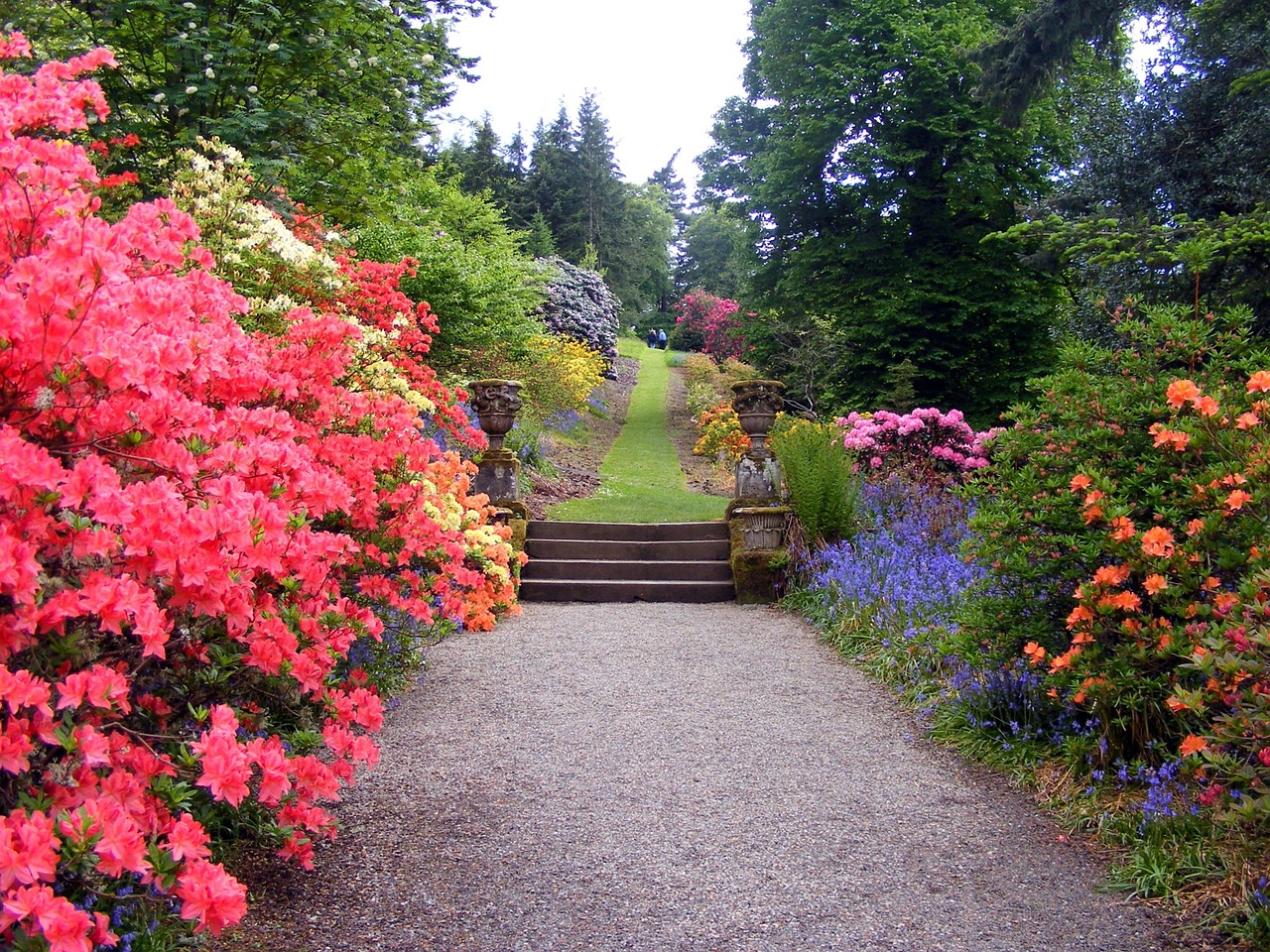
The Project in Princeton
Princeton is world-renowned for its prestigious university, historic Revolutionary War heritage, and stately residential estates lined with mature American elms, oaks, and flowering dogwoods. From colonial manors along Stockton Street to Gothic revivals near the Institute for Advanced Study, property owners value landscapes that reflect timeless architectural harmony. Connecting formal perennial borders, detached carriage houses, and secluded brick terraces requires pathways that blend historical authenticity with everyday practicality. Traditional solid asphalt or poured concrete paths often look out of place and disrupt the delicate root systems of heritage trees. Sourcing authentic gravel garden paths in Princeton provides a classical, permeable walkway solution that drains coastal storms cleanly while enhancing estate beauty.
Creating an enduring walkway requires balancing natural stone aesthetics with dependable subbase stability. Designing elegant garden paths Princeton NJ with fractured walkway gravel, compacted stone dust base, and crisp #11 crushed stone edging preserves estate character while ensuring firm, comfortable foot travel in all seasons.
Why Princeton’s Soil and Climate Shape This Project
Princeton sits on the boundary between the Piedmont plateau and the Atlantic Coastal Plain, underlain by shale bedrock and dense silt loams known as the Neshaminy and Chalfont soil series. These soils contain moderate clay fractions that drain slowly after intense Atlantic squalls and tropical storm systems. In shaded woodland gardens, wet ground remains saturated for days, creating slippery foot paths and rotting organic wood mulches.
Furthermore, central New Jersey experiences dozens of winter freeze-thaw cycles that buckle unreinforced masonry paths. Agronomists at the Rutgers New Jersey Agricultural Experiment Station recommend permeable aggregate walkways over dense native soils. Flexible gravel surfaces allow precipitation to percolate naturally into the subgrade, protecting mature specimen tree roots from soil compaction and preventing puddle formation near historic foundations.
Best Aggregate Options for Princeton Garden Walkways
Historic estate gardens demand natural aggregate materials that provide firm footing, clean borders, and timeless visual appeal:
- Walkway gravel → Fractured 3/8-inch crushed stone blended with fine particles. When compacted, the angular facets interlock to create a stable, non-shifting surface that is comfortable underfoot and easily accommodates garden carts.
- Stone dust → Finely pulverized bluestone or limestone screenings. It acts as an unyielding, binder-rich foundation layer beneath surface gravel, locking border stones into place.
- #11 crushed stone → Uniform 1/4-inch to 3/8-inch clean angular aggregate chips. It provides crisp, modern contrast when used as decorative mulch around formal boxwood hedges and path borders.
Step-by-Step Historic Garden Path Construction
Methodical excavation, root protection, and multi-lift mechanical compaction ensure lasting walkway performance:
- Map path alignment: Lay out gentle, flowing curves using flexible garden hoses, avoiding major surface roots of protected heritage trees. Homeowners in nearby Mercerville follow this layout method to blend paths naturally into lawns.
- Excavate the path trench: Dig out existing sod and topsoil to a uniform depth of four to five inches, keeping path bottoms flat and evenly graded.
- Install rigid border edging: Anchor commercial steel edging, fieldstone borders, or antique clay pavers along both sides to contain gravel neatly.
- Lay professional weed barrier: Install heavy-duty non-woven geotextile fabric along the trench, pinning edges with steel landscape staples every three feet.
- Install compacted stone dust base: Spread a two- to three-inch layer of stone dust over the fabric, moistening lightly and compacting firmly with a plate compactor.
- Apply surface walkway gravel: Spread two inches of 3/8-inch walkway gravel or #11 stone over the base, rolling with a hand roller to lock particles firmly in place.
How Much Pathway Aggregate Do You Need?
Accurate material calculations prevent unnecessary mid-project shortages. Walkway gravel and stone dust weigh approximately 1.35 to 1.4 tons per cubic yard. At a two-inch depth, one ton of walkway gravel covers approximately 100 to 115 square feet. A garden path three feet wide and 60 feet long (180 square feet) requiring a two-inch stone dust base and two-inch gravel surface needs roughly 2.5 tons of stone dust and 2 tons of walkway gravel. Refer to our guide to walkway gravel materials for detailed pathway calculators.
| Material | Project Depth | Estimated Coverage per Ton / Yard |
|---|---|---|
| Walkway gravel (3/8 inch) | 2 inches | 100 to 120 sq ft per ton |
| Stone dust base | 2 to 3 inches | 75 to 95 sq ft per ton |
| #11 crushed stone | 2 to 3 inches | 90 to 110 sq ft per ton |
| Pea gravel topping | 2 inches | 100 to 125 sq ft per ton |
Common Mistakes to Avoid in Princeton
A frequent error is laying round river gravel on sloped pathways; rounded stones roll underfoot like ball bearings, causing unstable footing and washing downhill during storms. Designing enduring garden paths Princeton NJ with angular crushed stone ensures firm, interlocking traction. Another common mistake is omitting rigid edging borders, which allows stone to scatter into adjacent turf and perennial flowerbeds.
Do not excavate deeply near the root flare of mature heritage trees. Trenching through major root systems can shock historic shade trees and cause branch dieback.
Local Sourcing, Permitting, and Delivery in Princeton
At-grade residential gravel garden paths and stone borders generally do not require municipal building permits in Princeton. However, properties located within designated historic districts should review proposed landscape renovations with the Princeton Historic Preservation Commission.
When booking aggregate delivery, partner with experienced Princeton walkway gravel suppliers. Historic borough streets feature narrow access and strict parking regulations. Coordinate delivery drop locations on your concrete driveway or paved apron before dispatch.
Frequently Asked Questions
Can I push a wheelbarrow or stroller on walkway gravel?
Yes. Because 3/8-inch walkway gravel contains angular facets and mineral fines, it compacts into a firm crust that supports wheels easily without sinking.
How do I clean fallen tree leaves off gravel paths?
Use a leaf blower on a low, angled throttle setting during dry autumn days to sweep lightweight leaves off the pathway without dislodging the underlying stone.
Is stone dust better than sand for a path foundation?
Yes. Stone dust features fractured mineral fines that lock tightly when wet and tamped, whereas rounded sand shifts under foot traffic and washes away.
Will weeds grow through a gravel garden path?
Installing commercial non-woven geotextile fabric beneath the compacted stone dust base prevents ninety-five percent of weeds from emerging from the soil beneath.
Related Resources
- Fractured walkway gravel for firm garden paths
- Pulverized stone dust for unyielding pathway bases
- #11 crushed stone for crisp decorative borders
- Complete guide to gravel pathway installation
Final Thoughts
A meticulously designed gravel path enhances estate architecture, respects heritage trees, and provides decades of peaceful garden strolls. Selecting proven garden paths Princeton NJ aggregates like interlocking walkway gravel, solid stone dust base, and decorative #11 stone ensures an enduring, all-weather walkway built for New Jersey seasons. Explore complete New Jersey aggregate and landscape stone delivery options to source certified quarry materials across Mercer County. Contact Simple Gravel today to calculate your project tonnages and schedule prompt delivery through trusted Princeton garden stone delivery experts.
SOURCES_USED:
Rutgers New Jersey Agricultural Experiment Station (Landscape Pathways & Historic Preservation), Princeton Historic Preservation Commission, USDA NRCS Mercer County Soil Survey.











