




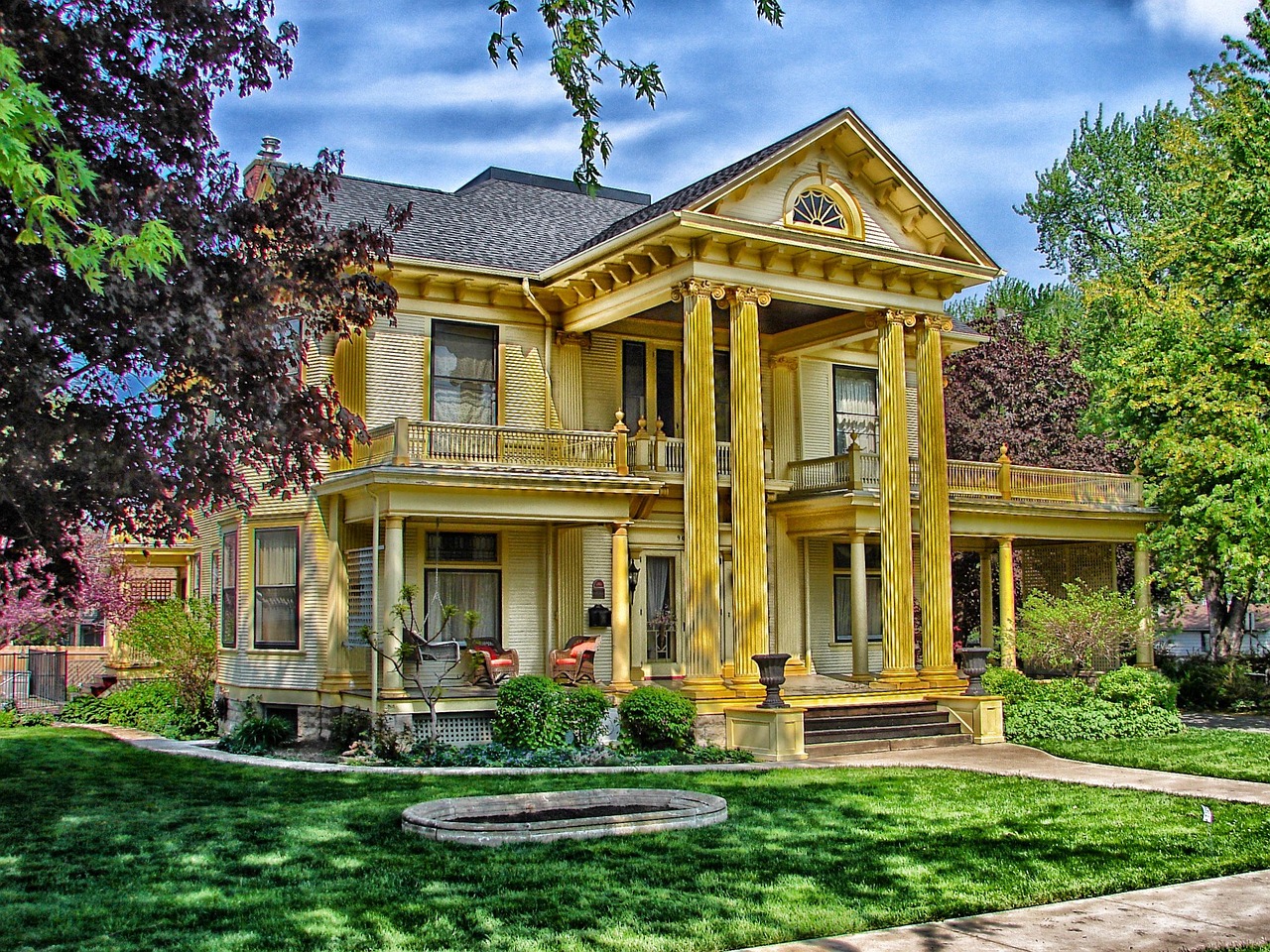
The Project in Wauwatosa
Known affectionately as “Tosa,” Wauwatosa is celebrated for historic neighborhoods like the Washington Highlands and the Village district. Enhancing classic Tudor Revival and Craftsman homes often involves designing walkways that complement antique brickwork and fieldstone foundations. Traditional concrete walks crack over shifting clay soils and look stark against vintage architecture. Installing natural crushed stone pathways lined with river rock borders provides a permeable alternative that drains quickly. Sourcing aggregates through reliable Wauwatosa gravel delivery provides 3/8-inch walkway gravel, stone dust, and smooth cobbles needed to craft classic garden paths that endure Midwest winters.
Designing historic home garden paths Wauwatosa WI installations with angular 3/8-inch walkway gravel, stabilizing stone dust, and decorative river rock creates charming, permeable walkways that honor local architectural heritage while preventing mud.
Why Wauwatosa’s Soil and Climate Shape This Project
Native soils belong to the Ozaukee and Kewaunee silt loam series, noted for heavy clay subsoils that retain moisture and swell when wet.
Southeastern Wisconsin experiences harsh winters, with frost penetrating thirty to forty inches deep. Specialists at University of Wisconsin-Madison Extension emphasize that paths over swelling clay require a flexible aggregate base with geotextile fabric. While concrete cracks over frozen clay, angular crushed walkway gravel over compacted stone dust flexes during freeze-thaw cycles without breaking.
Best Aggregate Options for Historic Garden Walkways
Selecting classic stone colors and angular particle shapes ensures slip-resistant stability:
- Walkway gravel → Crushed 3/8-inch angular limestone with sharp fractured facets. It interlocks firmly underfoot to form a smooth, rut-resistant walking surface that resists shoe tracking.
- Stone dust → Pulverized dolomitic limestone screenings containing fine stone dust. It packs into a firm, binder-free leveling bed that locks walkway gravel and prevents weed emergence.
- River rock → Naturally rounded two-to-three-inch quartzite cobbles in warm earthy tones. It creates charming border edging along garden beds and controls rainwater overflow along pathway edges.
Step-by-Step Historic Garden Path Construction
Follow these construction stages to build enduring stone paths across historic Wauwatosa properties:
- Design path route and excavate: Mark sweeping path curves with garden hoses, excavating four to five inches of sod and clay subsoil with a flat shovel.
- Compact native clay subgrade: Tamp the trench bottom thoroughly using a hand tamper or mechanical plate compactor to firm loose earth. Contractors in West Allis compact clay bases before laying stone.
- Install non-woven geotextile fabric: Lay heavy-duty needle-punched landscape fabric along the trench, extending up the vertical sidewalls to stop clay migration.
- Install rigid border edging: Anchor commercial-grade steel or aluminum edging along path shoulders. Homeowners in Brookfield stake edging firmly to prevent aggregate migration.
- Spread and compact stone dust base: Apply two inches of dolomitic stone dust, wetting lightly and compacting to create a firm, level bedding cushion.
- Spread walkway gravel and border with river rock: Spread two inches of 3/8-inch walkway gravel, raking level and tamping lightly, then arrange smooth river rock cobbles along exterior planting margins.
How Much Stone Do You Need?
Accurate ordering saves money in historic neighborhoods with narrow driveways. Crushed 3/8-inch walkway gravel and stone dust weigh approximately 1.35 to 1.4 tons per cubic yard, while river rock averages 1.35 tons per yard. For a path measuring 60 feet long and 3 feet wide (180 square feet) built four inches deep with stone dust and walkway gravel, you will need 2.2 cubic yards (3.1 tons) of aggregate. Bordering the path with river rock cobbles requires roughly 1.0 cubic yard (1.4 tons) of stone. Consult our guide to walkway gravel for path formulas.
| Material | Project Application | Estimated Coverage per Ton / Yard |
|---|---|---|
| 3/8-inch walkway gravel | 2-inch surface walking tread | 80 to 90 sq ft per ton |
| Dolomitic stone dust | 2-inch compacted leveling base | 80 to 90 sq ft per ton |
| Decorative river rock | Flower bed and path border | 70 to 80 sq ft per ton |
| Washed #57 stone | Perimeter French drain backfill | 65 to 75 sq ft per ton |
Common Mistakes to Avoid in Wauwatosa
Installing walkway gravel without solid border edging allows aggregate to scatter into surrounding grass and flower beds under foot traffic. Designing functional garden paths Wauwatosa WI installations requires securing commercial steel or aluminum edging firmly with twelve-inch steel stakes.
Using rounded pea gravel for walking paths is another frequent mistake; round stones roll underfoot like marbles and make pushing garden carts difficult. Always choose angular crushed stone. Additionally, never skip landscape fabric over heavy clay, as stone quickly vanishes into wet soil.
Local Sourcing, Permitting, and Delivery in Wauwatosa
Constructing at-grade crushed stone garden pathways on private residential property does not require building permits in Wauwatosa. If your property is located within a designated Historic District, check with the Wauwatosa Historic Preservation Commission regarding exterior materials. Always call Diggers Hotline (811) before excavating.
When purchasing pathway materials, work with reputable Wisconsin bulk stone and gravel suppliers providing locally quarried dolomitic limestone. Historic Wauwatosa alleys and narrow driveways require careful delivery planning. Coordinate through our local Wauwatosa gravel delivery dispatch team to arrange single-axle truck drops on protected driveways.
Frequently Asked Questions
Why is crushed walkway gravel superior to concrete in historic yards?
Crushed walkway gravel flexes with winter frost cycles without cracking, offers immediate rainwater permeability, and complements vintage brick and stone architecture naturally.
Can walkway gravel stay in place on garden paths?
Yes, angular 3/8-inch stone has fractured facets that interlock under compaction, staying firmly seated between rigid border edges during normal foot traffic.
How do I keep leaves and debris off my gravel garden path?
Use a lightweight electric leaf blower on low throttle to gently sweep fallen leaves off the surface, or rake lightly with a flexible plastic leaf rake.
Why is stone dust used beneath the walkway gravel layer?
Stone dust packs into an unyielding, smooth cushion that fills subgrade voids, supports walking loads, and prevents underlying weeds from emerging.
Related Resources
- Angular 3/8-inch walkway gravel for slip-resistant residential paths and trails
- Dolomitic stone dust for compacted pathway bedding and paver leveling
- Smooth river rock cobbles for decorative garden borders and swale edging
- Technical guide to garden path grading, edge restraints, and aggregate care
Final Thoughts
Enhancing your historic Wauwatosa property with natural stone walkways adds timeless charm and practical accessibility to your landscape. By pairing compacted stone dust subbases with interlocking 3/8-inch walkway gravel and smooth river rock borders, you create a path system that endures freezing winters while honoring your home’s vintage character. High-grade garden paths Wauwatosa WI materials ensure lasting beauty and mud-free footing. Explore our full selection of Wauwatosa decorative stone and pathway gravel. Contact Simple Gravel today to calculate your material quantities and schedule prompt delivery to your home.











