




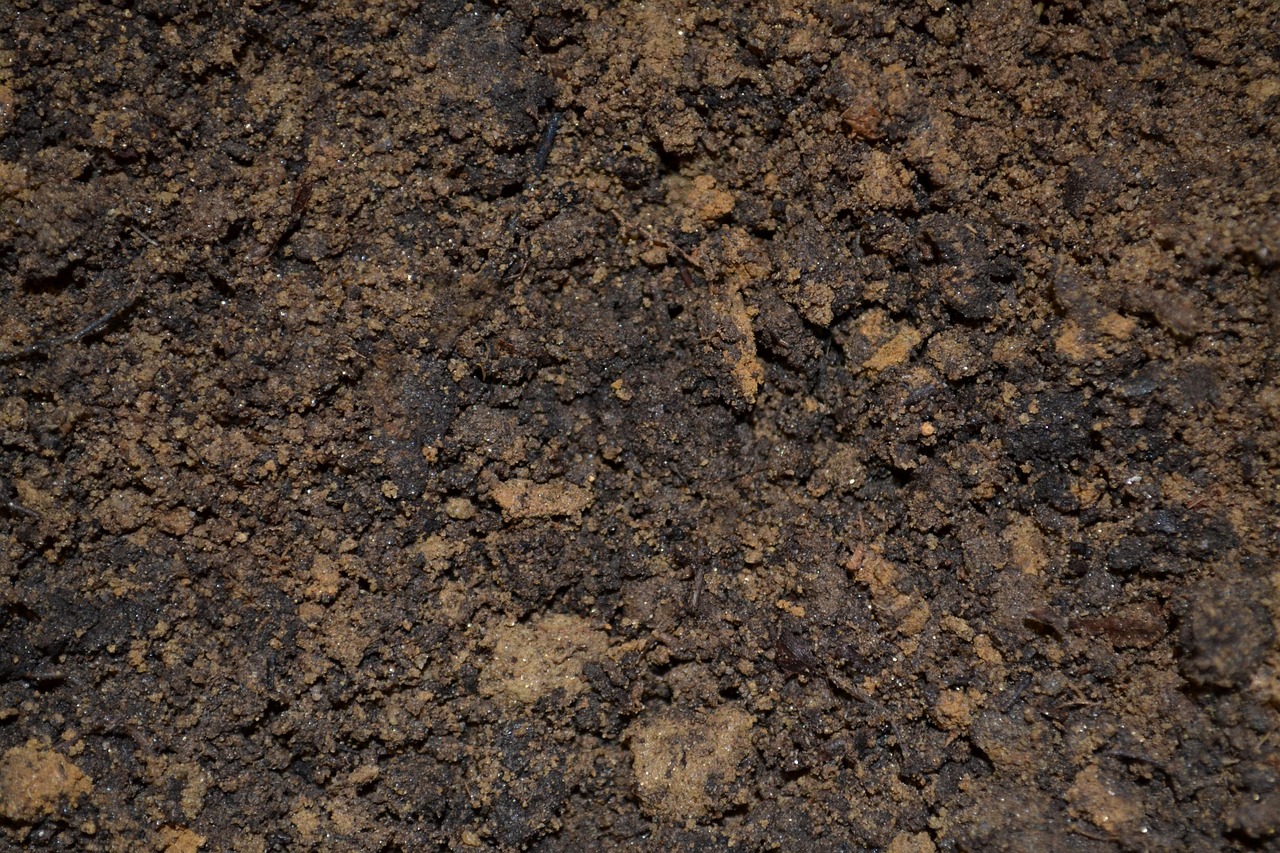
The Project in Nixa
Gardening in Nixa offers an active outdoor lifestyle, but Christian County growers face a notorious regional adversary: rocky Ozark soil. Spanning subdivisions near Highway 160, century farms along Tracker Road, and homes near McCauley Park, residential properties sit atop dense stony ground packed with razor-sharp chert rock. Digging in-ground flower beds or vegetable gardens often feels like excavating a gravel quarry. To overcome rocky, nutrient-deficient native ground, homeowners turn to raised beds, berms, and amended planting borders. However, gardeners frequently debate whether to fill beds with enriched garden soil or pure organic compost. Understanding differences between bulk soil products ensures your vegetables, perennials, and ornamental shrubs thrive. Sourcing premium garden soil Nixa MO gardeners trust starts with coordinating bulk delivery through dependable gravel delivery in Nixa.
Selecting balanced bulk soil materials provides the airy root porosity and biological fertility necessary for productive gardens. Browse popular materials for this area:
- Garden soil → Best for complete planter filling, combining screened topsoil, rich organic humus, and mineral sand for structural root support.
- Compost soil → Best for amending native soil beds, replenishing depleted micronutrients, and stimulating beneficial microbial activity.
- Bark mulch → Best for top-dressing planting beds, conserving vital moisture during hot Ozark summers and preventing weed germination.
Learn more in our guide to premium garden soil.
Why Nixa’s Soil and Climate Shape This Project
Nixa lies within the Springfield Plateau where native soils, including Goss and Wilderness cherty silt loams, formed from weathered cherty limestone. These soils typically contain forty to sixty percent angular chert fragments mixed with acidic red clay subsoil. Native ground packs tightly around stones, repelling spade shovels and restricting delicate root expansion.
Southwest Missouri experiences hot summers with dry spells and sudden downpours. In rocky beds, rainwater drains through stony gaps, leaching away nutrients. During summer heat waves, stony ground bakes into a hot mass that scorches roots. Installing raised beds filled with bulk garden soil lifts planting root zones above native chert, retains moisture, and provides balanced nutrition throughout the growing season.
Comparing Garden Soil and Compost in Nixa
Evaluating composition differences helps gardeners selecting garden soil Nixa MO products determine the right balance of mineral structure and biological fertility.
| Soil Product | Composition & Texture | Best Used For in Nixa |
|---|---|---|
| Custom Garden Soil Mix | 50% Screened topsoil, 30% organic compost, 20% coarse sand | Complete filling of raised planters, flower beds, and vegetable boxes. |
| Pure Organic Compost | 100% Decomposed organic matter and manure humus | Soil amendment for existing beds, annual top-dressing, and nutrient recharge. |
| Premium Screened Topsoil | Sifted native mineral loam free of stones and debris | Bulk volume base filler beneath customized compost planting layers. |
| Shredded Bark Mulch | Aged organic hardwood bark fibers | Protective surface blanket that insulates soil and retains moisture. |
Step-by-Step Raised Bed Installation Over Rocky Ground
- Select a sunny site: Choose a garden location receiving six to eight hours of sunlight daily, oriented north to south for even light exposure.
- Construct bed frames: Assemble planter boxes using cedar, redwood, or corrugated metal. Build walls twelve to eighteen inches high with a maximum width of four feet. Gardeners in Ozark rely on similar boxes to manage rocky terrain.
- Prepare native chert ground: Loosen stony subsoil beneath the bed footprint using a pickaxe. Remove protruding rocks to allow deep taproots to explore downward.
- Lay a biodegradable weed barrier: Line the bottom with unprinted cardboard or kraft paper. This smothers weeds like bermudagrass while allowing earthworms into the bed.
- Fill and blend growing media: Fill with seventy percent garden soil and thirty percent compost soil. Rake smooth, leaving two inches of headspace for mulch.
- Plant and mulch: Install plants, firming soil around root balls. Top-dress with a two-inch layer of bark mulch to insulate roots from Ozark heat and conserve moisture.
How Much Material Do You Need?
Calculating bulk soil quantities accurately prevents material shortfalls and keeps garden budgets on track:
Consider three raised garden beds in Nixa, each measuring eight feet long, four feet wide, and one foot (1.0 foot) deep:
8 ft × 4 ft × 1 ft = 32 cubic feet per bed.
32 cu ft × 3 beds = 96 cubic feet total.
96 / 27 = 3.56 cubic yards.
3.56 × 1.20 (soil density factor) = 4.27 tons.
Adding ten percent for natural settling after initial watering yields approximately 3.9 cubic yards (or 4.7 tons). Ordering four cubic yards in a single bulk delivery provides sufficient soil to fill all three boxes with extra material for potting containers.
Common Mistakes to Avoid in Nixa
- Planting in 100% compost: Pure compost lacks mineral structure, drying out in summer and shrinking as organic matter decomposes.
- Filling beds with rocky yard dirt: Shoveling un-screened native dirt into beds reintroduces jagged chert stones and weed seeds.
- Using retail bags for large projects: Buying small bags costs far more than ordering bulk garden soil delivered by dump truck.
- Omitting surface mulch: Bare soil in raised beds dries out within hours under summer sun; always maintain a mulch blanket.
- Over-fertilizing compost blends: Compost is rich in slow-release nutrients; adding synthetic fertilizers can burn vegetable roots.
Local Sourcing, Permitting, and Delivery in Nixa
Constructing residential raised garden beds does not require building permits in Nixa or Christian County. If building permanent masonry terraces over four feet high, consult the building department for setback rules. For planting calendars and soil testing kits, visit the University of Missouri Extension.
Coordinate your soil drop site in advance. Dump trucks cannot drive across lawns without leaving ruts. Place a tarp on a driveway pad when scheduling your Nixa bulk soil delivery.
Frequently Asked Questions
What is the difference between garden soil and compost?
Garden soil is a planting blend containing topsoil, sand, and organic matter for root support. Compost is decomposed biological matter used to enrich soil.
Can I fill raised beds entirely with compost?
No. Pure compost dries out fast, lacks mineral structure to anchor roots, and settles drastically. A blend of garden soil and compost is ideal.
How often should I add fresh compost to my garden beds?
Apply a one- to two-inch layer of organic compost every spring and autumn before planting new crops to replenish nutrients.
How do I improve native rocky soil without raised beds?
Remove large stones manually and incorporate three to four inches of compost and screened topsoil into native ground to amend planting zones.
Related Resources
- Enriched Garden Soil Blend Specifications
- Organic Compost Soil Details
- Shredded Hardwood Bark Mulch Options
- Raised Bed Soil Preparation Guide
Final Thoughts
Overcoming native chert rock in Christian County is easily achieved by building raised planting beds above stony subgrades. Choosing the right blend of bulk garden soil Nixa MO gardeners depend upon ensures vigorous root growth, excellent moisture retention, and abundant harvests. Explore complete Missouri soil and aggregate delivery options for screened topsoils, fertile composts, and decorative mulches. Connect with Simple Gravel today to calculate your soil volume and arrange scheduled delivery through trusted Nixa garden soil supply specialists.











